



























EY refers to the global organization, and may refer to one or more, of the member firms of Ernst & Young Global Limited, each of which is a separate legal entity. Ernst & Young Global Limited, a UK company limited by guarantee, does not provide services to clients.
Recent Searches
Trending
-
Unlocking agentic value: a new investment discipline for the agentic era
01 Jun 2026 Consulting -
Jitendra Mohan, Sanjay Gajendra and Casey Morrison from the United States named EY World Entrepreneur Of The Year™ 2026
29 May 2026 Entrepreneurship -
How AI drove Daikin’s business transformation from complexity to agility
08 May 2026 Alliances
Private Equity
EY Private Equity services can help you discover new strategies to navigate complex transformations that shape the future and unlock innovative paths to growth and value creation.

- Value creation for fund executives
- Growth focus for portfolio executives

Get the latest private equity updates
Stay up to date with our private equity newsletter
US M&A activity insights: April 2026
Read the latest Merger Monthly, with insights on recent US M&A activity and what M&A trends to expect as we look ahead.
US Sports Private Equity: a smart play for investment
Sports private equity offers emerging opportunities. Discover investment areas and risk-return insights.
Private equity cybersecurity: protecting portfolio value against frontier AI threats
AI-driven cyber threats are reshaping private equity cybersecurity. Learn how to implement AI-first defenses to secure portfolio company value.
Private Equity Pulse: key takeaways from Q1 2026
The PE Pulse is a quarterly report that provides data and insights on private equity market activity and trends. Read the latest report.
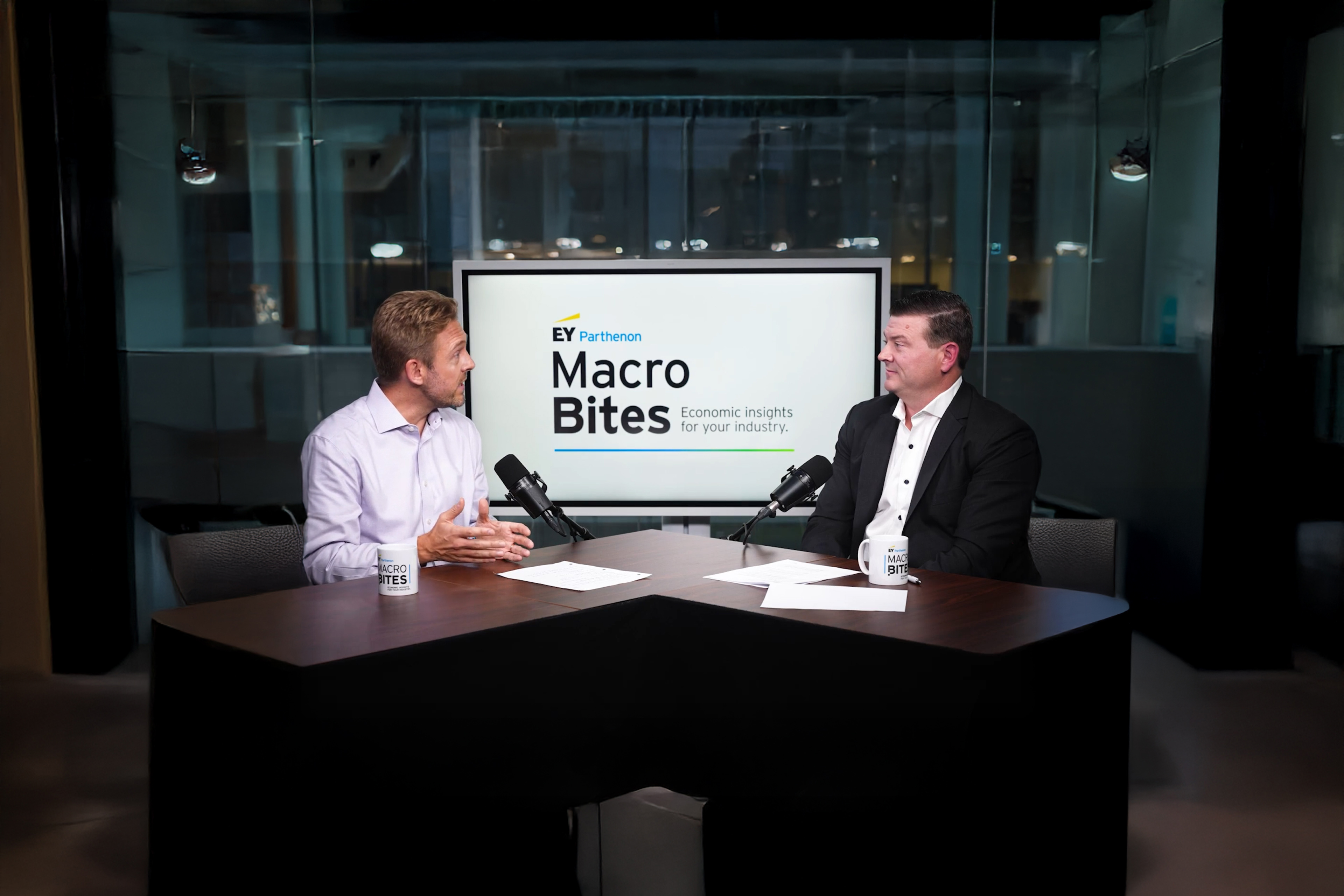
Macro Bites: PE deals increase as valuation gaps shrink, dry powder available
Private equity leaders should invest in AI, prepare for exits, and engage stakeholders to seize new market opportunities. Watch more on Macro Bites.
Private equity trends 2026: leading through change
Explore private equity trends driving growth in 2026 and the strategies and technologies reshaping the industry. Navigate the market opportunities.
Staging the portfolio company to maximize exit valuations
Are you prepared to tell your value creation story? Make your asset stand out upon exit by adopting a value optimization strategy.
What’s next for PE-backed controllers: skills for value creation
Discover how private equity controllers can evolve from traditional roles to strategic leaders, driving value creation.
Private equity’s transformation: the perpetual evolution
Discover how PE firms are evolving with new investment strategies and what that means for business operations.
Discover six key trends shaping the PE landscape in 2025, from AI and infrastructure to growth strategies and the influence of sovereign wealth funds.
Three questions to help rethink your exit strategy now
As deal flow starts to pick up, private equity firms have an opportunity to create maximum value, but action is needed.

How can PE teams guide portfolio companies to be exit-ready, not exit-reactive?
Exit readiness and exit preparation strategies are critical for private equity firms planning exits in the next 12 to 24 months. Learn more.
Private equity cybersecurity: protecting portfolio value against frontier AI threats
AI-driven cyber threats are reshaping private equity cybersecurity. Learn how to implement AI-first defenses to secure portfolio company value.
Is your private equity finance transformation solving the right problem?
Learn how private equity finance transformation can empower faster, smarter decisions that drive enterprise value and optimize investment strategies.
Staging the portfolio company to maximize exit valuations
Are you prepared to tell your value creation story? Make your asset stand out upon exit by adopting a value optimization strategy.
Three cash disciplines to create value and resilience
Building the cash discipline and control needed in today’s markets will ensure future resiliency. Find out more.
Private equity’s hidden value creation opportunity: the balance sheet
Download the 2025 EY-Parthenon PE Working Capital Report to learn why portfolio companies should free up working capital for growth and investment now.
Why private equity portfolio companies need a better pricing framework now
Download the 2025 EY-Parthenon PE Pricing Report to learn how private equity portfolio companies can build value with better pricing strategies.
How supply chain optimization helps fuel profitable growth
End-to-end supply chain integration can be elusive, but eight steps can help kickstart your journey. Learn more.
Get the latest cross-sector insights direct to your inbox
Join the EY PE Portfolio Company Newsletter community today
How EY can help
-
We guide you through potential capital-raising strategies and the organizational changes required to execute and sustain a successful IPO.
Read more -
Our experienced tax professionals, understanding both portfolio companies and fund sponsors, bring deep knowledge and exceptional service to private equity clients.
Read more -
EY-Parthenon private equity teams help clients to implement strategies which put their financial resources to work to generate returns. Learn more.
Read more -
EY-Nottingham Spirk Innovation Hub. See it, make it, unleash it, now.
Read more -
Explore how technology, AI, innovation, and customer-centric strategies fuel transformative growth in advanced manufacturing.
Read more -
Our technology transformation team can help your business build a value creation strategy that accelerates portfolio company growth. Learn more.
Read more -
Our experienced team supports private equity firms and their portfolio companies throughout the investment lifecycle, identifying risks and opportunities to optimize value.
Read more -
Discover financial, tax, commercial, HR, AI, operational, IT, sustainability and cyber due diligence to uncover value, manage risk and make smart decisions.
Read more
The team
Sector insights
Insights are critical to private equity and sector insights can provide competitive advantage across the entire transaction lifecycle. Understanding challenges and opportunities within specific sectors enables confidence in setting strategic direction, more informed decision making, clarity around patterns and trends and how to navigate the future to continue staying ahead of markets. Whether needing insight for investment strategies or operational improvements, our deep sector experience can guide private equity firms and their portfolio companies through nuanced complexities in any industry.