





EY refers to the global organization, and may refer to one or more, of the member firms of Ernst & Young Global Limited, each of which is a separate legal entity. Ernst & Young Global Limited, a UK company limited by guarantee, does not provide services to clients.
Recent Searches
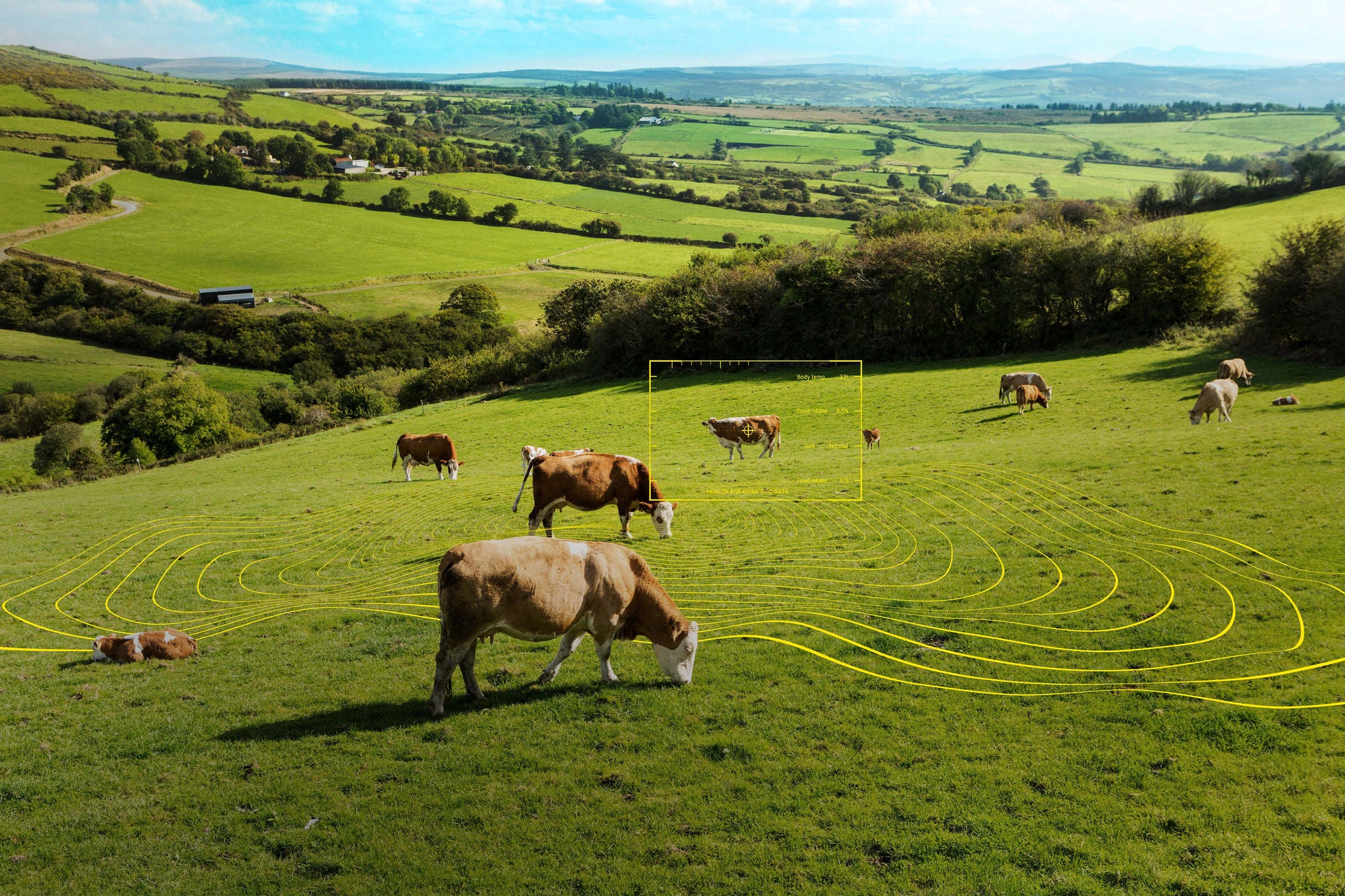
How leaders across Ireland’s food system are preparing for a future defined by resilience, trust, innovation and food security.
In brief
- Ireland's food industry is entering a decade of significant change, opportunity and disruption.
- Six interconnected developments are reshaping how food is produced, sold and consumed.
- The businesses that thrive will combine resilience, trust, innovation and ecosystem thinking.
What’s driving the future of food?
Six developments to watch.
Ireland's food sector holds an enviable position globally. Irish food and drink products are exported to more than 180 countries worldwide and the sector supports 170,000+ jobs, representing 6.1% of total Irish employment. Agri-food exports reached a record €20.8billion last year and across the entire sector, businesses continue to invest in production, innovation and new growth prospects.
To understand the greatest potential opportunities and challenges over the next decade, EY Ireland interviewed senior leaders from sectors including food production, manufacturing, retail, technology, pharmaceutical, nutrition and healthcare.
Companies representing every major part of the food ecosystem were remarkably aligned on priorities. 6 key themes emerged from the EY interviews: food security, trusted brands, health-focused products, affordable innovation, ecosystem partnerships and AI-enabled decision making.
These themes give a strong view of what will direct the future of food and provide actionable insights for resilient and competitive organisations.
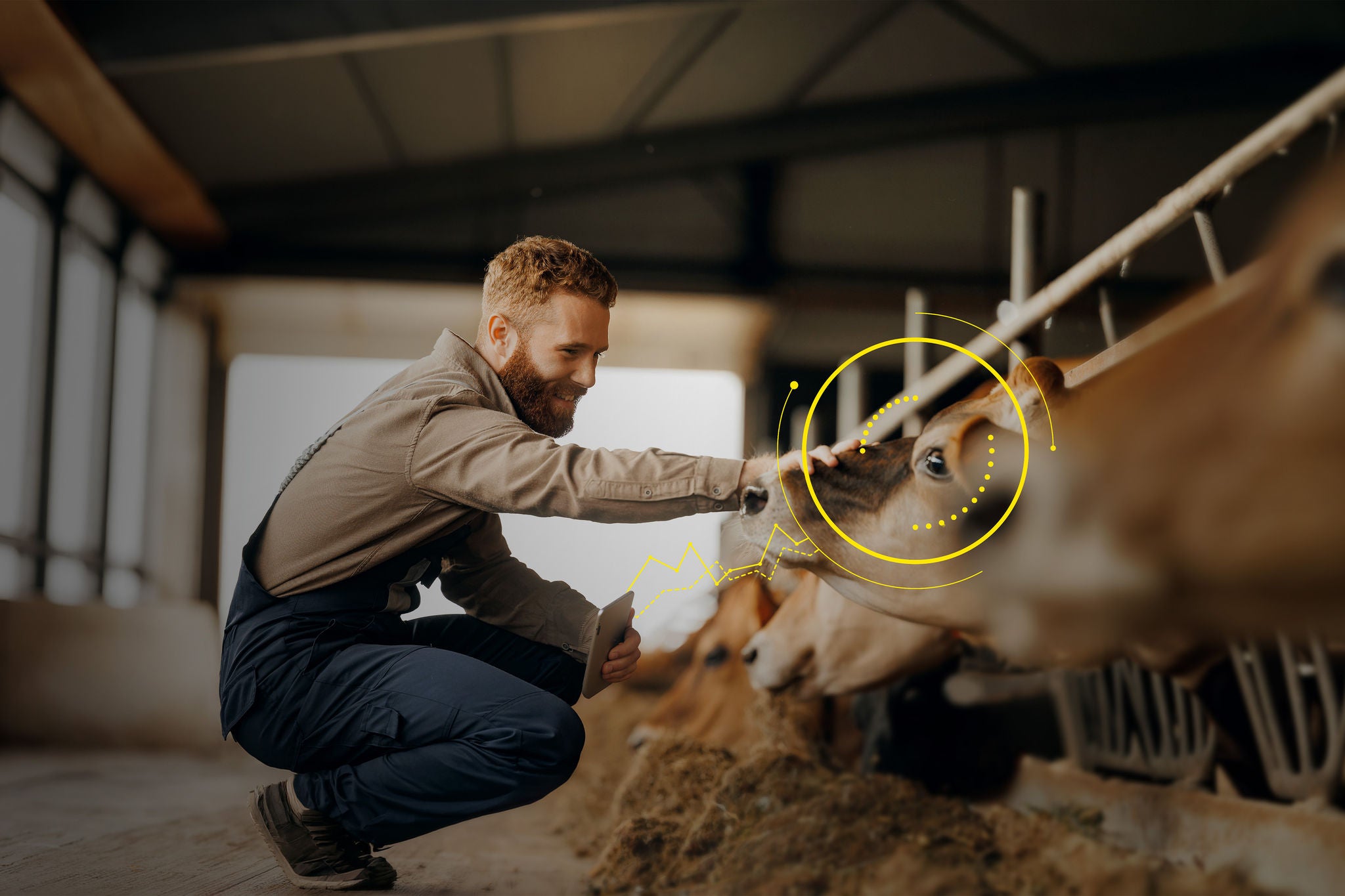
Customers are asking: will you be able to provide this into the future? They’re also starting to ask where the next generation of farmers will come from.
Ireland’s dairy herd fell by 1.5% in 2025, the first fall since quota removal in 2015 and new research from Agriland and the ICMSA points to growing concerns about generational renewal in Irish agriculture. One-third of farmers surveyed said they intend to exit farming within five years, while 50% of those planning to leave have no successor identified.
Across the interviews, leaders raised these precise concerns about the next generation of farmers, and further concerns on the cost of production, water availability, climate volatility and geopolitical disruption.
Food businesses are already responding. Many are investing in relationships with producers, strengthening future production capacity, and taking a longer-term view of supply security. The objective is straightforward: ensuring that key products will remain available.
These issues and pressures are part of ongoing commercial conversations. Customers need to know that their suppliers can continue to provide key products into the future. EY Ireland's last CEO Survey found that 57% of Irish CEOs identified geopolitical disruption as the primary threat to growth, highlighting the importance of resilient supply chains and secure access to critical inputs.
Food companies are planning in an environment shaped by geopolitical uncertainty, climate volatility, changing farming demographics and evolving customer expectations. Organisations that understand these dynamics and invest in long-term resilience will be better placed to support future demand.
Simon MacAllister
Co-Head of Geopolitical Strategy and Agri-Food Sector Leader EY Ireland.
What this means for food businesses
Food security needs to be visible in planning, customer relationships and investment decisions. It belongs in board discussions, category plans and strategic account conversations.
The strongest businesses will have a clear view of their exposure across key ingredients, farming systems, producer relationships and production constraints. They will also be able to explain how they are supporting long-term supply through partnerships, planning and investment.
Advisable actions
- Map critical ingredients and supply dependencies across priority categories.
- Identify where farmer demographics, climate exposure or input costs could affect future supply.
- Build supply resilience into customer conversations.
- Strengthen long-term producer and supplier relationships.
- Develop clear metrics for continuity of supply, production risk and resilience investment.
- Treat future productive capacity as a commercial asset.
Strategic question for leaders: How confident are you that your current supply base can support your growth plans over the next decade?
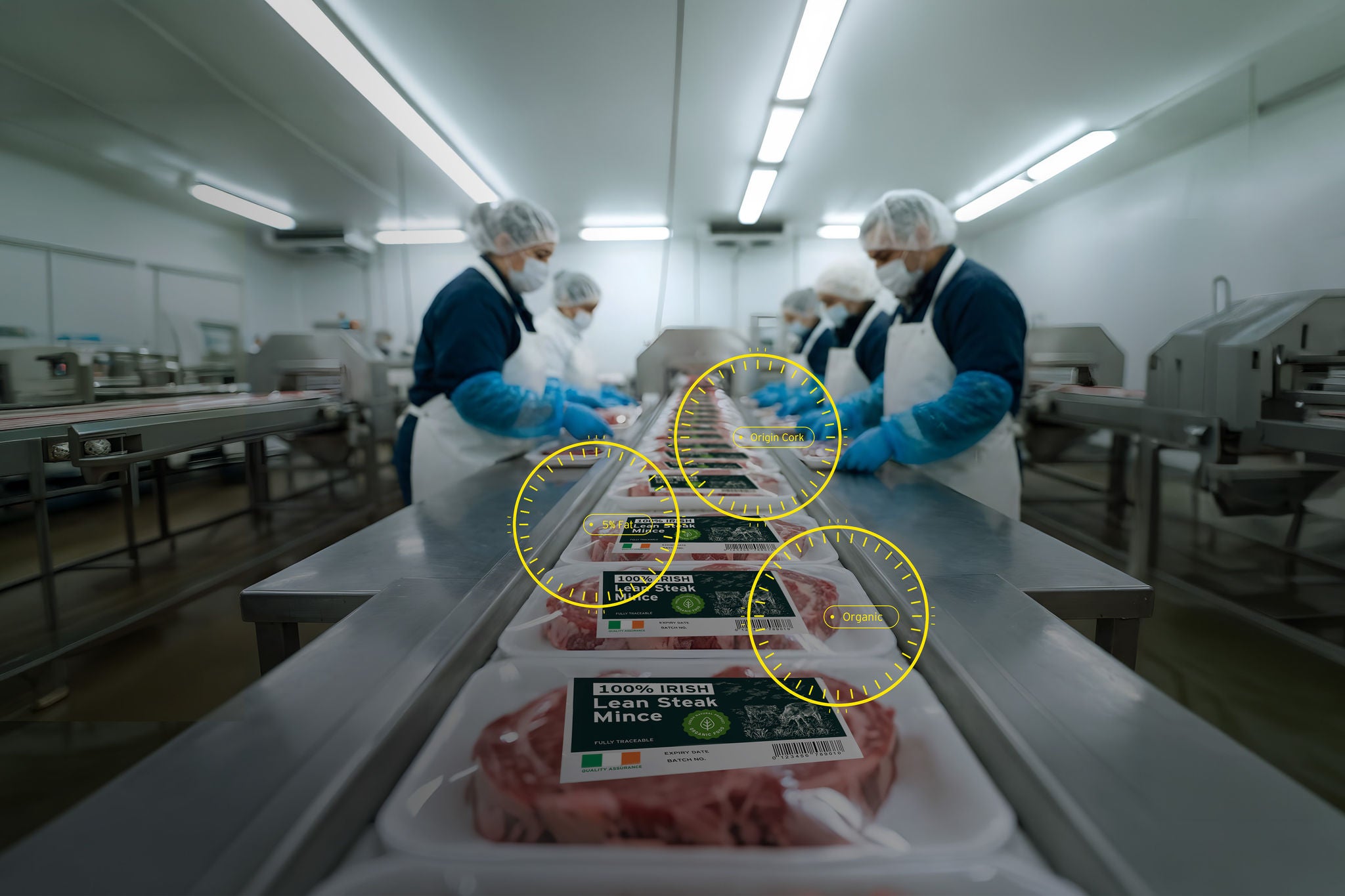
Trust emerged repeatedly throughout the research. Consumers want transparency around ingredients, nutrition, sourcing and production standards. Interviewees consistently described trust as the starting point.
Executives described trust being built through science, verification, quality and traceability.
Consumers first want confidence in what they’re eating. Sustainability matters, but trust, transparency and traceability are what drive decisions today.
A decade ago, trust was often viewed as a competitive advantage. Today, when consumers can verify information instantly, it has become a basic expectation. Looking ahead, advances in AI and digital transparency will make organisations even more open to scrutiny, further increasing the importance of trust as a prerequisite for long-term success.
Why this matters
Food businesses face increasing scrutiny on sourcing, nutrition and sustainability. The organisations that can demonstrate evidence behind their claims are more likely to enhance customer confidence and build long-term brand value.
Strategic insights
- Verification matters as much as messaging.
- Provenance remains highly valuable for Irish food businesses.
- Evidence-backed claims can strengthen differentiation.
- Transparency supports both consumer trust and retailer confidence.
Actions for food businesses
- Audit claims and supporting evidence regularly.
- Improve traceability and product information systems.
- Invest in recognised standards and certifications where appropriate.
- Build trust indicators consistently across customer touchpoints.
Strategic question: How confident are you that all your data is in place and appropriately discoverable for potential customers and consumers?

3
From food to function, health drives demand
But how does it taste?
One of the strongest themes from the interviews was the growing focus on nutrient density. Executives pointed to increasing demand for protein, fibre, functional ingredients and products that deliver clear nutritional value. While this has long been a topic of interest, recent and unprecedented changes in eating habits, including the influence of GLP-1 medications, are accelerating interest in foods that provide greater benefits per serving.
9% of Irish Respondents in a recent EY Consumer Health research study had used or are using GLP-1s. The survey further reported that 76% of those asked have changed health behaviour in the past year with 46% making changes to diet and nutrition.
Anti-obesity medicines are part of a much broader shift in how consumers think about food, health and wellbeing. People are paying closer attention to what food delivers in terms of protein, fibre, satiety and overall nutritional value. Increasingly, consumers are looking for food choices that support healthier, more active lives and long-term wellbeing, and that is beginning to reshape expectations across the food industry.
Ronan Glynn
EY Ireland Partner and Health Sector Leader
This conversation goes beyond specialist nutrition categories. Interviewees described growing opportunities across mainstream retail, convenience and everyday food consumption. Several of our respondents also highlighted that reduced consumption volumes in some categories are increasing focus on nutrient density, smaller formats, lower sugar content and occasions where consumers are still willing to indulge. Several high-profile industry developments reflect this shift; Diageo's investment in smaller bottle formats, Mondelez's expansion of portion-controlled packs and Mars' efforts to reduce portion sizes across parts of its portfolio. Alongside portion optimisation, other companies are enhancing the nutritional profile of products through higher protein, fibre and nutrient density.
If people are eating less, every gram of food needs to work harder
The protein opportunity is also broadening beyond conventional sources. Plant-based products, precision fermentation and other emerging sources may complement traditional proteins, but adoption will ultimately depend on taste, nutrition, affordability and demand for natural, recognisable ingredients.
Together, these changes demonstrate how food and beverage companies are adapting products, formats, and packaging to meet changing consumption habits and expectations.
Why this matters
Consumers are increasingly seeking food and drinks products that support healthier, more active lives while still delivering enjoyment and satisfaction. This creates significant opportunities for businesses that combine nutritional value with enjoyable food experiences.
Strategic insights
- Protein, fibre, satiety and functional benefits are moving from specialist nutrition into mainstream food and beverage categories.
- Nutrient density is emerging as a key source of competitive advantage as consumers seek more value from every calorie and eating occasion.
- Premium convenience and indulgence are emerging as a growth opportunity as consumers increasingly choose premium ingredients for moments of indulgence.
- Changing consumption patterns are creating demand for smaller portions, smarter formats and products that combine convenience with nutritional value.
- The winners will be those that combine health and wellness benefits with great taste, satisfaction and enjoyment.
Actions for food businesses
- Review portfolios through a nutrient-density lens, identifying where products can deliver greater nutritional value per serving.
- Accelerate innovation in protein, fibre, functional nutrition and satiety-supporting products across mainstream categories.
- Explore how changing consumer behaviours, including the impact of anti-obesity medicines, may reshape demand, portion sizes and purchasing patterns.
- Develop convenient formats and portion sizes that align with evolving eating habits, without compromising consumer enjoyment.
- Strengthen scientific credibility, nutritional evidence and consumer trust in health-related product claims.
Strategic question for leaders: Which products, categories and portfolio strategies are best positioned to succeed as consumers seek more nutritional value, better health and wellbeing outcomes, and greater satisfaction from every food purchase, while consuming less overall?
Innovation remains a key driver of differentiation, but affordability remains a fundamental consumer expectation. Interviewees consistently highlighted that consumers are seeking health, convenience and transparency without compromising on value.
At the same time, private label ranges continue to evolve, with retailers offering increasingly sophisticated alternatives that span value, wellness and premium tiers, intensifying competition across categories.
As a result, successful innovation increasingly requires commercial viability from the outset.
Innovation within food and nutrition will need to be science backed, efficiently produced and affordable to deliver successful scalable propositions for businesses. This will require collaboration across the supply chain.
Why this matters
Consumers will embrace innovation when it improves outcomes without significantly increasing their cost of living. For food businesses, this means innovation must be designed to support efficient scaling, production and distribution. In an environment of persistent cost pressures, successful innovation now combines consumer relevance with commercial viability from the outset.
Strategic insights
- Cost-to-serve should be considered early in the innovation process
- Scalable innovation is often more valuable than highly differentiated innovation with limited commercial reach.
- Productivity improvements can help fund future innovation and capability building
- Health and wellbeing innovations that remain accessible and affordable are more likely to achieve scale.
Actions for food businesses
- Embed affordability and scalability into product development decisions.
- Prioritise innovation opportunities that can be efficiently produced and distributed at scale.
- Simplify product portfolios and redirect investment towards high-growth opportunities.
- Improve operational productivity to create capacity for innovation investment.
- Develop value propositions that clearly balance health, convenience, quality and affordability.
Strategic question: How can we develop innovations in ways that consumers value, retailers support and that enable our business to profitably scale?
The boundaries between food, health and technology are becoming increasingly blurred. Interviewees described growing collaboration between food companies, ingredient suppliers, technology providers and health-focused organisations. This creates opportunities to access new capabilities, new routes to market and new sources of growth.
Retailers are becoming powerful product owners, leveraging private label portfolios, rich loyalty data and direct consumer relationships to identify and respond to emerging trends. Our interviews suggested that some retailers can respond to emerging trends faster than major branded manufacturers, particularly where they control product development and can rapidly test and scale new propositions. This is contributing to the continued growth and sophistication of private label across multiple categories. A recent local study shows that private label products now account for over 37% of grocery spend in Irish supermarkets — a figure that continues to grow. This trend is matched in the US where, as per EY Global Research, consumers across a range of income levels are seeking value primarily through shopping on sale, comparing prices and switching to private labels. 15% of consumers switched personal care brands to save money.
At the same time, large manufacturers are becoming more selective about where they invest, concentrating resources behind fewer brands, categories and growth platforms where they have a credible right to win. Rather than pursuing consolidation solely within traditional food and beverage markets, many are now looing towards nutrition, wellness and supplement businesses as potential acquisition and partnership targets. For some, the next competitor is no longer another food company, but a health, wellness or technology-enabled business operating at the intersection of food and wellbeing.
Openness to partnership is critical for us, particularly with technology providers and brand owners.
Why this matters
Growth is now coming from partnerships that combine complementary capabilities. Food companies, like Nestlé and Danone, are collaborating with technology, health, wellness and nutrition organisations to access new expertise, accelerate innovation and create more personalised consumer experiences.
As food, health and technology become more interconnected, organisations across the sector are participating in broader conversations about health outcomes, consumer wellbeing and preventative health. For many businesses, future growth opportunities may lie as much in adjacent health and wellness markets as within traditional food categories.
The most interesting growth opportunities in food are emerging beyond traditional category boundaries. Businesses that can connect food, health and technology, whether through partnerships, investment or product development, are finding new ways to meet changing consumer needs.
Strategic insights
- Retailers continue to expand their influence through private label, consumer data and direct customer relationships.
- Future growth opportunities are emerging in nutrition, wellness and preventative health ecosystems.
- Partnerships and acquisitions are increasingly focused on adjacent health and wellness capabilities rather than traditional food consolidation.
Actions for food businesses
- Identify ecosystem partners aligned to strategic priorities.
- Define the role your organisation can play within emerging health, wellbeing and nutrition ecosystems.
- Build partnership, investment and acquisition pathways beyond traditional food sector boundaries
- Develop capabilities and propositions that create value across both food and wellbeing markets.
Strategic question for leaders: How can food businesses find new opportunities as food, health and technology become more interconnected?
6
AI will be the Food Industry's Intelligence Layer
The invisible supermarket shelf
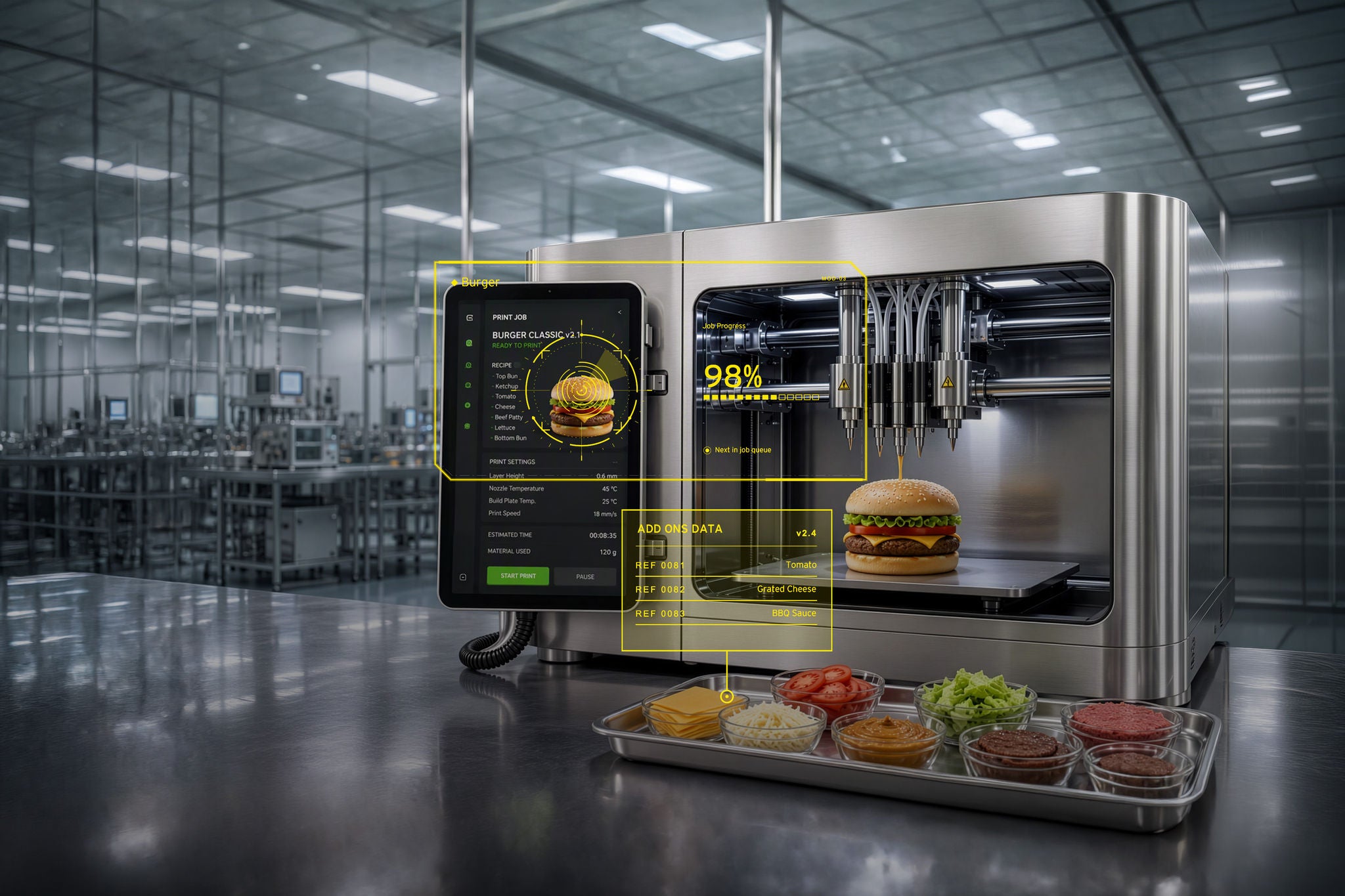
Artificial intelligence is now a key influence on how food is discovered, evaluated and purchased. Interviewees described a future in which AI shapes product discovery, nutrition recommendations, demand forecasting, loyalty programmes, innovation and product development.
As consumers increasingly rely on AI-powered platforms to search, compare and make choices, food businesses must consider how their products are represented, understood and recommended by these systems. In many cases, the first interaction between consumers and brands may no longer occur on a supermarket shelf or company website, but through an AI-generated recommendation.
AI will increasingly become the fulfilment engine for consumer decisions rather than simply another digital channel.
For food and beverage businesses, this development extends beyond marketing and sales. AI is becoming embedded across the value chain, helping organisations anticipate demand, improve forecasting, accelerate innovation and generate deeper customer insights. The organisations creating the greatest value are not necessarily those pursuing the most advanced technology, but those applying AI to practical business challenges with clear commercial outcomes.
The organisations gaining value from AI are focusing on practical applications with clear business outcomes. Product information, forecasting, customer insights and innovation processes all offer opportunities to improve decision-making at scale.
Eoin O'Reilly
EY Ireland Partner, Head of AI & Data
Why this matters
Visibility within AI-powered recommendation systems may become as important as visibility on retail shelves or search engines. As AI expands influence on how consumers find and select their products, organisations that understand how AI systems work will be better positioned to compete.
Strategic insights
- Product discoverability has moved beyond retail shelves and traditional search.
- AI can accelerate innovation, product development and time to market.
- High-quality, accessible data is becoming a critical competitive asset.
- Trusted and credible information is becoming more valuable as AI influences consumer decisions.
Actions for food businesses
- Assess how products, brands and nutritional information appear within AI-enabled discovery channels.
- Use AI to strengthen forecasting, demand sensing and innovation processes.
- Improve product information, content and data quality.
- Establish clear governance, accountability and risk management for AI-enabled decisions.
Strategic question for leaders: How will your business create advantage in a world where AI increasingly shapes consumer decisions?
Conclusion: Set the table
The six themes in this research point to a food industry becoming more resilient, health-focused, inter-connected and accessible. The research also suggests that while health is becoming a strategic priority across the sector, many organisations have yet to fully align commercial decision-making with those ambitions or quantify the category-level implications of changing consumption patterns. For business leaders, the practical challenge now is deciding where to focus attention, investment and capability building.
EY Ireland works with food industry leaders to help build the capabilities required for long-term growth. Contact EY to continue the conversation.
Research methodology
This report is based on a series of executive interviews conducted by EY Ireland with a range of organisations across the food ecosystem. Participants included producers, manufacturers, retailers, ingredient specialists, food technology companies, healthcare and nutrition organisations, and sector stakeholders. The objective was to understand the trends, opportunities and challenges most likely to influence growth, investment and innovation over the next decade. While participants represented different parts of the value chain and operated in diverse markets, several common themes emerged consistently throughout the research, forming the basis of the six developments explored in this report.
Summary
Ireland’s food sector is entering a decade defined by six interconnected trends: food security, trust and transparency, health-focused nutrition, affordable innovation, ecosystem partnerships, and AI-enabled decision making.
Businesses that strengthen supply resilience, build consumer trust, deliver nutritional value, scale affordable innovation, collaborate across sectors, and apply AI practically will be best positioned for long-term growth.