





EY refers to the global organization, and may refer to one or more, of the member firms of Ernst & Young Global Limited, each of which is a separate legal entity. Ernst & Young Global Limited, a UK company limited by guarantee, does not provide services to clients.
How EY can help
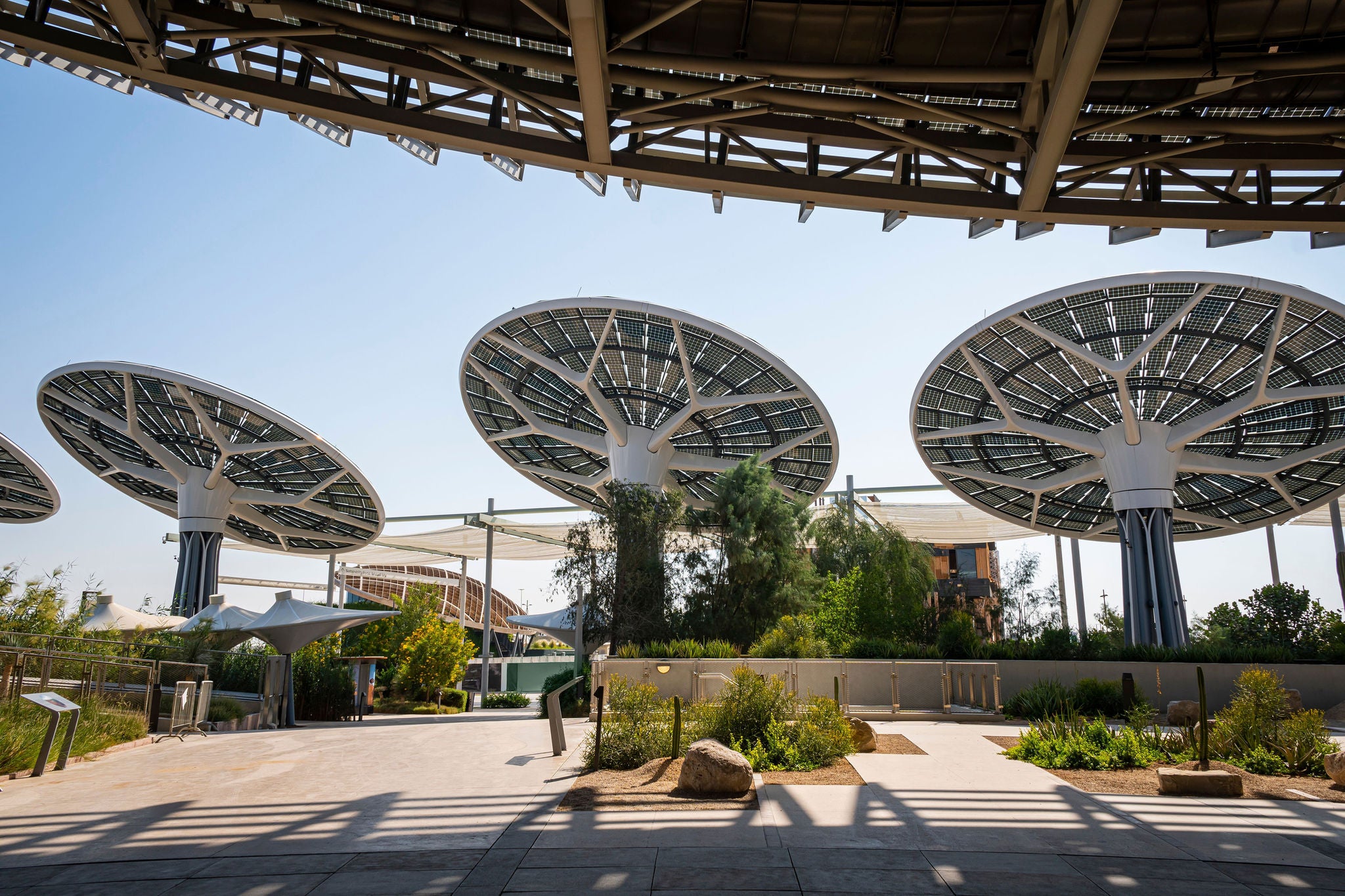
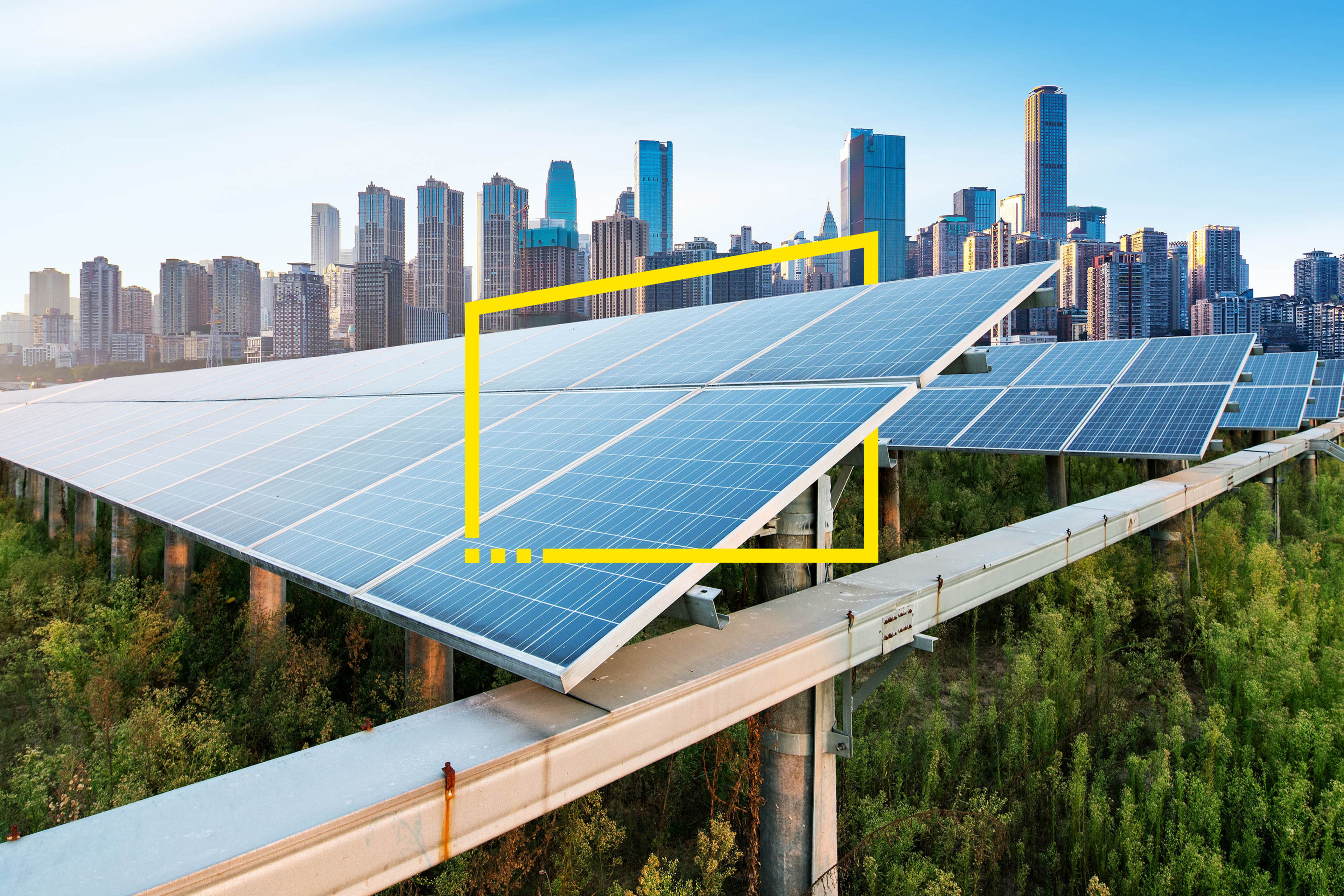
Around 16% of the world’s gas-based power generation was in the Middle East in 2023.⁵ According to the World Bank 2023 report, the MENA region holds 22% to 26% of the world’s solar energy potential, positioning it to generate at least half of global electricity demand.⁶
Energy from the Middle East powers factories in Asia, fuels transportation in Europe and provides heating in North America. Any disruption to this flow due to natural disasters, infrastructure failures, or attacks can lead to supply chain issues, price increases and global economic instability.
Additionally, as the world transitions to renewable energy, the Middle East is emerging as a leader in solar and hydrogen initiatives. These investments not only diversify the region’s energy portfolio but establish it as a critical player in the global shift toward sustainable energy.
The Middle East as a high value target
The Middle East’s energy infrastructure is one of the most targeted globally due to its critical importance. Threat actors, ranging from cybercriminals to state-sponsored groups, frequently concentrate their efforts on this sector, knowing that disruptions can have significant consequences.
Cybercriminals have targeted industrial control systems and operational technology with ransomware, seeking financial gain by halting operations. Supply chain resilience measures, such as risk assessments and proactive monitoring, are fundamental to mitigating these risks. Cybersecurity considerations is the second-ranked top priority in energy companies' overall supply chain strategy.⁷