


EY refers to the global organization, and may refer to one or more, of the member firms of Ernst & Young Global Limited, each of which is a separate legal entity. Ernst & Young Global Limited, a UK company limited by guarantee, does not provide services to clients.
Recent Searches
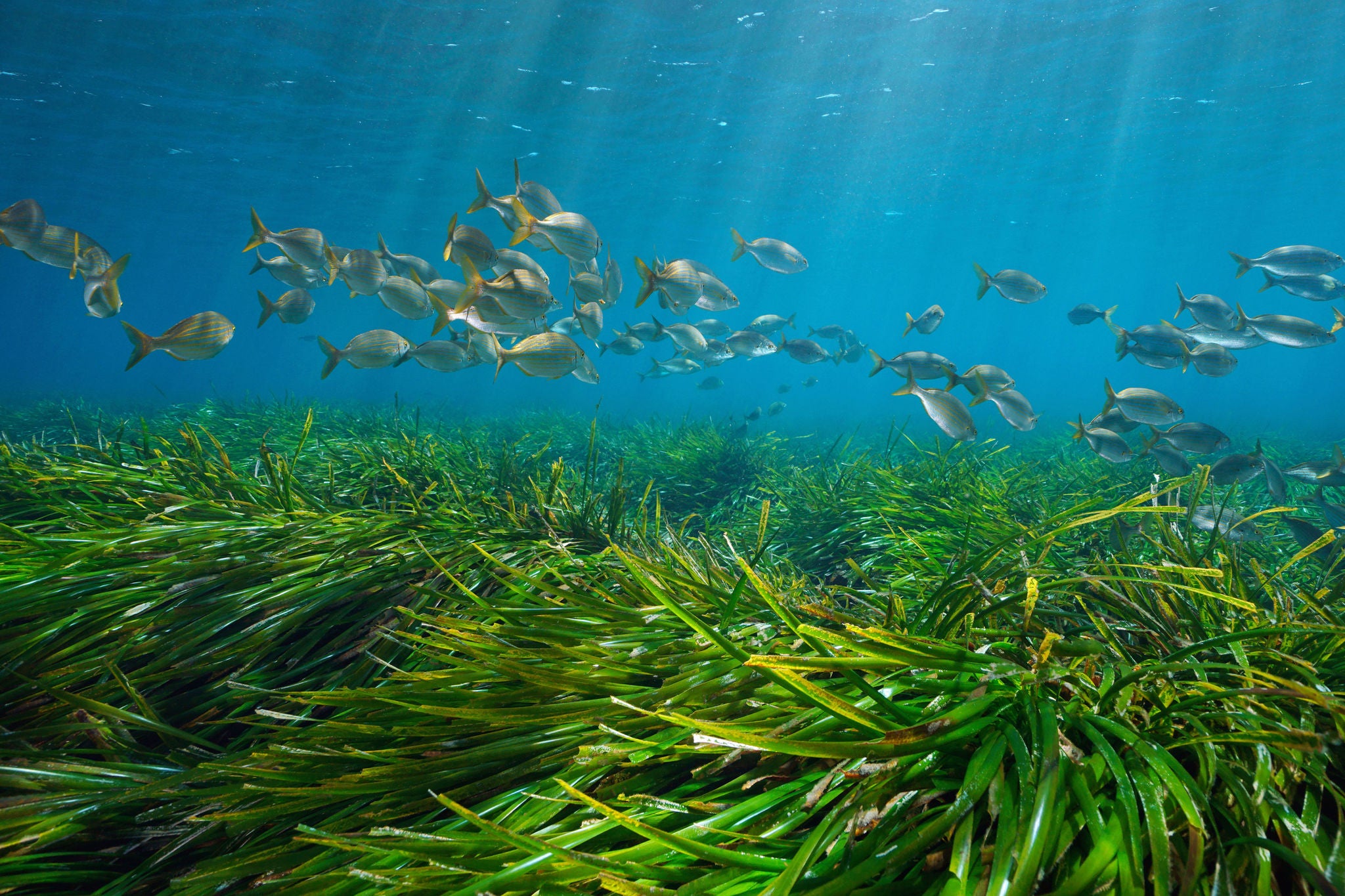
The ARTEMIS project brings together 10 partners and 3 associated organizations from 5 countries with the aim of accelerating the restoration of Posidonia seagrass meadows in the Mediterranean.
This will be achieved by improving restoration methods, developing financial solutions, and integrating the importance of these ecosystems into policies and investment programmes.
The project combines expertise in economics, ecology, policy, stakeholder engagement, and innovation in order to:
Launch 4 pilot projects covering all stages of the restoration process (from transplantation in degraded areas to the enhancement of protected areas) and different policy levels.
Develop peer-to-peer knowledge-exchange mechanisms and practical policy frameworks.
Expected results
ARTEMIS integrates the social and economic value of ecosystem services into:
Technical solutions – development of advanced protocols for seagrass restoration.
Financial mechanisms – guidelines for Payment for Ecosystem Services (PES) schemes for seagrass.
Public and private investments – stimulation of restoration and blue-economy initiatives, as well as the creation of a Roadmap for integrating the value of seagrass into corporate reporting.
The Role of EY denkstatt
Analysis of business interests related to conservation projects, in particular the restoration of marine ecosystems.
Analysis and enhancement of existing market-based instruments and options for Payment for Ecosystem Services, including voluntary ecosystem service markets, eco-tariffs, ecosystem service trading schemes, environmental trust funds, and others.
Review of corporate environmental requirements and regulatory frameworks to ensure appropriate PES design for the pilot projects.
Support to pilot partners in defining key messages and communication materials to increase opportunities for private-sector investment in the restoration of seagrass meadows.
Support for the transnational “Meadow-to-Market” knowledge-exchange module.
Monitoring of the project’s carbon footprint.