


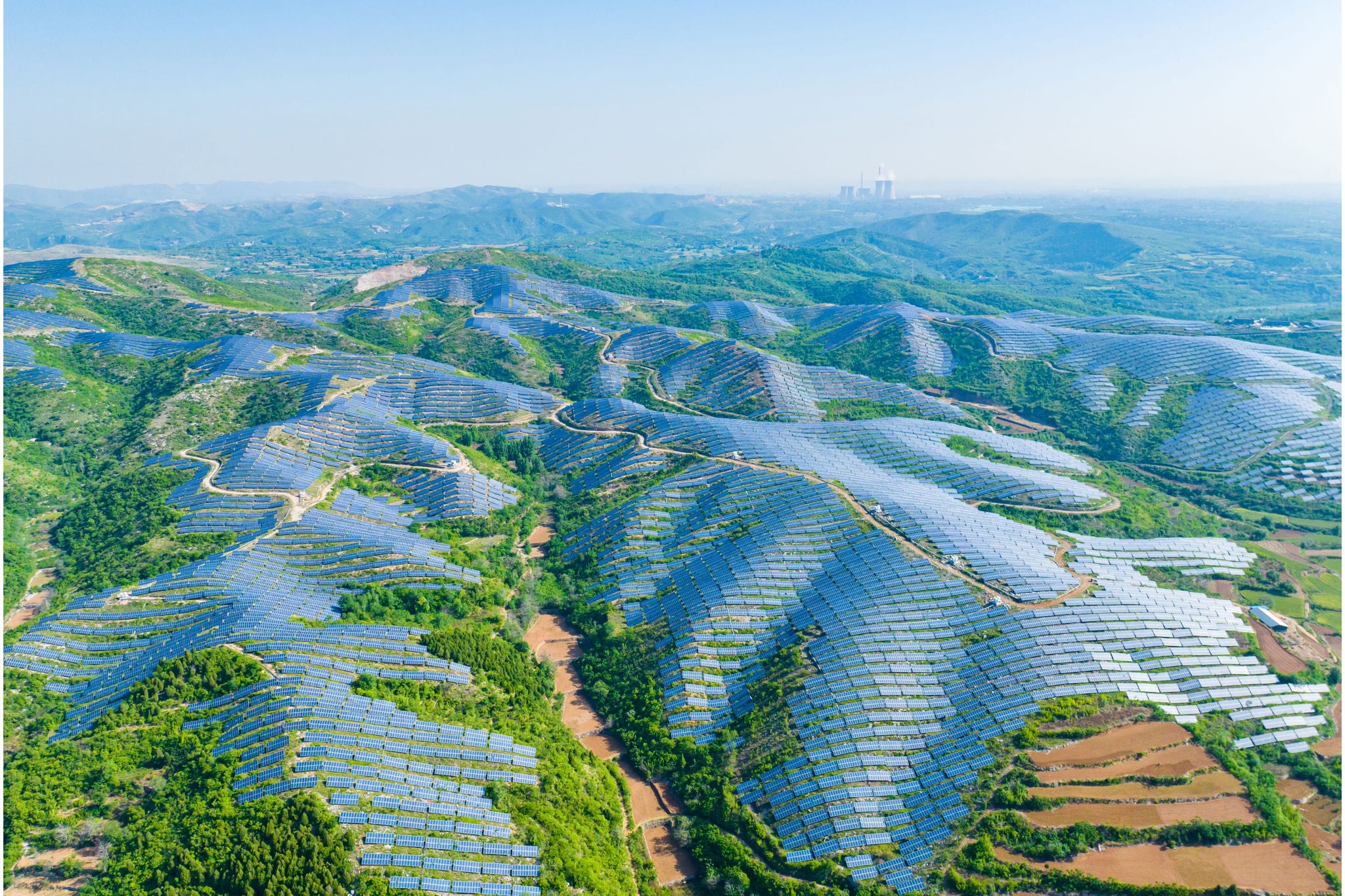

sat use only aerial view of solar panels on the top of the mountain

The Tide of Green Finance: Challenges and Opportunities in Renewable Energy Project Financing

As the global demand for green energy continues to grow and governments around the world increase their support for renewable energy, the industry is poised to encounter unprecedented development opportunities.


In brief

  • The collaboration between Taiwan and Europe in renewable energy is growing closer.
  • Renewable Energy Project Financing: A Landscape of Challenges and Opportunities
  • The government plays a crucial role in promoting the development of renewable energy.

The planet is currently witnessing extreme climatic events with alarming frequency and intensity, from heatwaves in Europe to floods in Asia, all signalling that climate change has become a severe challenge facing humanity. Scientists warn that without urgent action, climate change will cause irreversible damage to human societies and ecosystems. To mitigate the impacts of climate change, the international community is united on the need to accelerate the energy transition towards low-carbon, sustainable economic models.

Faced with the imminent climate crisis, countries around the world are turning their attention to energy transformation. Greenhouse gas emissions from traditional fossil fuels are the primary culprits behind climate change, making the shift away from fossil fuel dependency a pressing priority. In this energy revolution, renewable energy is not only valued for its clean, sustainable and distributed generation potential, which can significantly reduce greenhouse gas emissions, but also for its ability to create job opportunities, stimulate economic growth and enhance energy supply stability. With advances in technology and financial investment, the competitiveness of renewable energy is increasing, making it a mainstream source of global energy. Solar panels shining on rooftops and wind turbines spinning across vast plains and seas are gradually changing our traditional perceptions of energy.

Taiwan and Europe Join Hands for a Green Future

The collaboration between Taiwan and Europe in renewable energy is growing closer. Europe, as a global leader in renewable energy development, offers a wealth of experience, advanced technology and a comprehensive industrial chain, providing valuable insights for Taiwan’s energy transition. In pursuit of its 2050 net-zero emissions and carbon neutrality goals, the Taiwanese government is actively accelerating the development of net zero and energy transformation initiatives, contributing to the global green development.

For instance, Denmark is renowned for its wind power technology, and as Taiwan introduces Danish expertise and technology, it is also actively cultivating its local wind power industry chain. With the assistance of European developers, Taiwan has become a leader in offshore wind power development in Asia, with Japan and South Korea coming to learn from its experience. At The Smarter E Europe 2024 – Intersolar Europe solar exhibition in Munich, Taiwanese and European businesses signed MOUs to jointly develop energy storage and photovoltaic solar energy. Through cooperation with Europe, Taiwan not only gains access to advanced technology but also becomes part of the global green supply chain.

Renewable Energy Project Financing: A Landscape of Challenges and Opportunities

The development of renewable energy projects requires substantial capital investment, and resorting to project financing from banks is a common approach to raise the required capital. However, compared with traditional industry financing, renewable energy project financing faces unique challenges.

Project Characteristics

Renewable energy projects often feature large investments, long construction periods and complex technologies. For example, a large offshore wind farm can require the investment of tens of billions and take several years to construct. Additionally, the generation of renewable energy is highly dependent on natural conditions, lowering its relative revenue stability. These uncertainties increase the risk associated with project financing.

Bank Considerations

When evaluating renewable energy project financing, banks focus on the project’s economic benefits as well as considering the following aspects:

  • Developer’s Strength: The technical capability, financial condition and previous development experience of the developer are crucial factors for banks. An experienced and financially stable developer is more likely to gain the bank’s trust.
  • Technical Feasibility: The project’s success will depend on whether the technical solution is mature, the equipment supply is stable, construction is smooth, construction costs are in line with estimates, and the efficiency and quantity of power generation meet expectations.
  • Policy Risk: Government energy policies and subsidy programs can impact the economic benefits of a project. For example, adjustments to feed-in tariffs and changes in tax policies can affect project revenue.
  • Market Risk: Fluctuations in the electricity market could lead to a decline in electricity prices, affecting project revenue. For instance, a significant drop in traditional energy prices could challenge the competitiveness of renewable energy, or a rapid increase in market participants could lead to lower purchase offers.

Bank Mitigation Measures

To address these challenges, banks typically take the following measures:

  • Risk Sharing:Banks share project risks with developers, the government or by seeking syndicated loans from multiple banks. For example, banks may require developers to provide a certain ratio of equity, seek joint financing from several banks or set restrictions on fund utilisation and reserve accounts.
  • Financial Feasibility Assessment: For different project financing plans, banks seek third-party independent institutions like financial advisors to build financial models and examine the project’s Debt Service Coverage Ratio (DSCR), Times Interest Earned (TIE) or repayment results under different parameter scenarios. External consultants’ financial model simulations can further enhance the bank’s grasp of project financing feasibility.
  • Credit Enhancement: Banks require developers to provide credit enhancement measures to improve the project’s credit rating. For example, developers can offer collateral or seek joint guarantees from parent companies.

The Role and Support of the Government

The government plays a crucial role in promoting the development of renewable energy. Supportive policies from the government, such as providing stable feed-in tariffs, financing guarantees and tax incentives, can effectively reduce the investment risk of projects and attract more capital to the renewable energy industry. Additionally, the government can create a favorable business environment for the renewable energy industry by establishing relevant regulations and improving market mechanisms.


"Vision to Reality – A Net Zero Future" Report co-published by Ernst & Young and European Chamber of Commerce Taiwan (ECCT)


Outlook

As the global demand for green energy continues to grow and governments around the world increase their support for renewable energy, the industry is poised to encounter unprecedented development opportunities:

  • Technological Innovation: Ongoing technological innovation will reduce the cost of renewable energy and enhance its competitiveness.
  • Financial Innovation: Financial institutions may develop more financial products suitable for renewable energy projects to meet the required rates of return from different investors.
  • International Cooperation: International cooperation will facilitate the transfer and sharing of renewable energy technologies, accelerating the pace of the global energy transition.

In this era of green transformation, the collaboration between Taiwan and Europe will bring more opportunities to both sides. Through the exchange of technology and financial cooperation, we believe the renewable energy industry will become a significant engine driving future development.

(Co-written by Feng Chih-Wei, Managing Director, & Angus Wang, Senior Manager, EY Transaction Advisory Services Inc.)

Disclaimer: The views reflected in this article are the views of the author and do not necessarily reflect the views of the global EY organization or its member firms.


Our latest thinking

    About this article