




Case Study

How humanoid robotics are strengthening complex industrial work

Fincantieri worked with EY and the EY-NVIDIA Alliance to explore how physical AI could improve safety and productivity in shipbuilding.

1

The better the question

Can humanoid robotics enhance safety and productivity in shipbuilding?

A global shipbuilder explored how physical AI could augment human workers in demanding industrial environments.

Fincantieri S.p.A. (Fincantieri) is one of the world’s largest shipbuilding groups, the only player active in all high complexity marine industry sectors. The group is a leader in the construction of cruise ships, naval and offshore vessels. It stands out for its extensive experience in the development of underwater solutions, thanks to its integrated industrial structure capable of managing and coordinating all activities related to the commercial, defense and dual-use sectors. It holds a strong presence in key markets owing to the internalization of high value-added, distinctive technologies. It is also a leader in sustainable innovation and in the digital transformation of the shipbuilding sector. The company is active in the field of mechatronics, electronics and digital naval systems, as well as in cybersecurity, artificial intelligence (AI) and marine interiors solutions. It also offers a wide range of after-sales services, including logistic support and fleet assistance. With over 230 years of history and more than 7,000 ships built, Fincantieri is a global player with a production network of 18 shipyards worldwide and over 23,000 employees. Its management is centered in Italy, where it directly employs over 12,000 workers and creates around 90,000 indirect jobs.

Like many heavy industrial organizations, Fincantieri faces growing challenges in securing skilled labor for physically demanding, repetitive and hazardous tasks. These roles are increasingly difficult to fill, yet they remain essential to maintaining production schedules and operational continuity. At the same time, safety remains a central concern. Any incident involving people working in high-risk industrial environments has consequences that include the immediate impact on individuals as well as affecting productivity, reputation and long-term business performance.


Fincantieri has embarked on a process of rethinking traditional workforce models, recognizing the need to complement them with innovative solutions in order to effectively address future challenges. As part of this journey, the company has begun exploring the role of advanced automation as a means of supporting workers, assisting them in more complex tasks and enhancing safety conditions. The objective is to develop advanced collaboration models in which people and technologies operate together in a synergistic, controlled, and responsible manner, leveraging human expertise alongside operational efficiency.


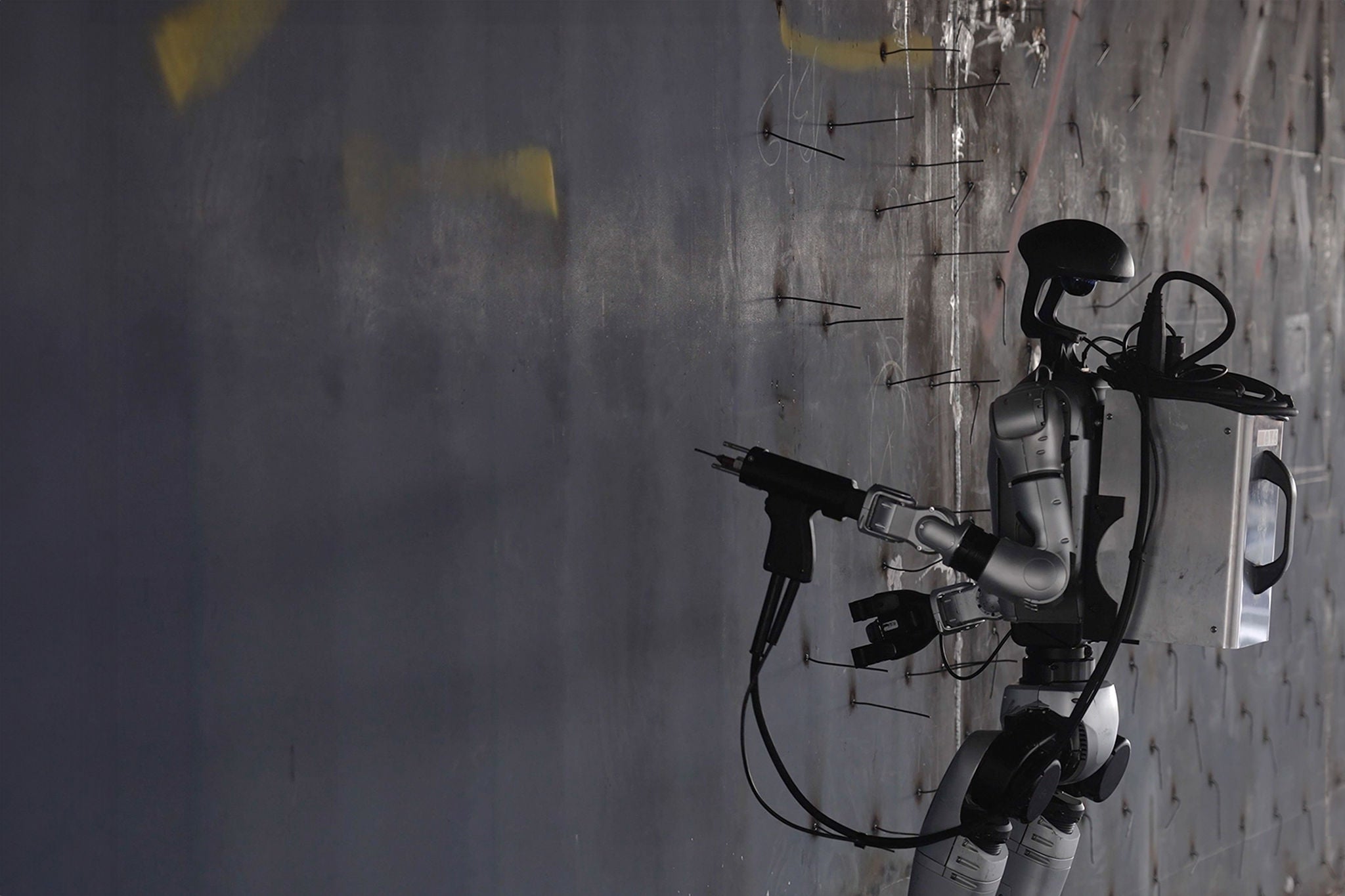
Humanoid robotics emerged as a promising option, offering the potential to perform repetitive and hazardous tasks in environments designed for humans. However, industrial humanoid robotics remains an emerging field. Training humanoids to stand, move, balance and perform skilled motions safely requires new approaches to AI, simulation and physical systems design. Introducing such technology into an active shipyard also demands careful planning, transparency and collaboration across technical and operational teams.


To accelerate the development and introduction of these technologies, Fincantieri sought a partner to strengthen its internal development team capable of combining industrial understanding with advanced AI and robotics expertise, while supporting a phased, responsible approach to innovation grounded in real operational needs.

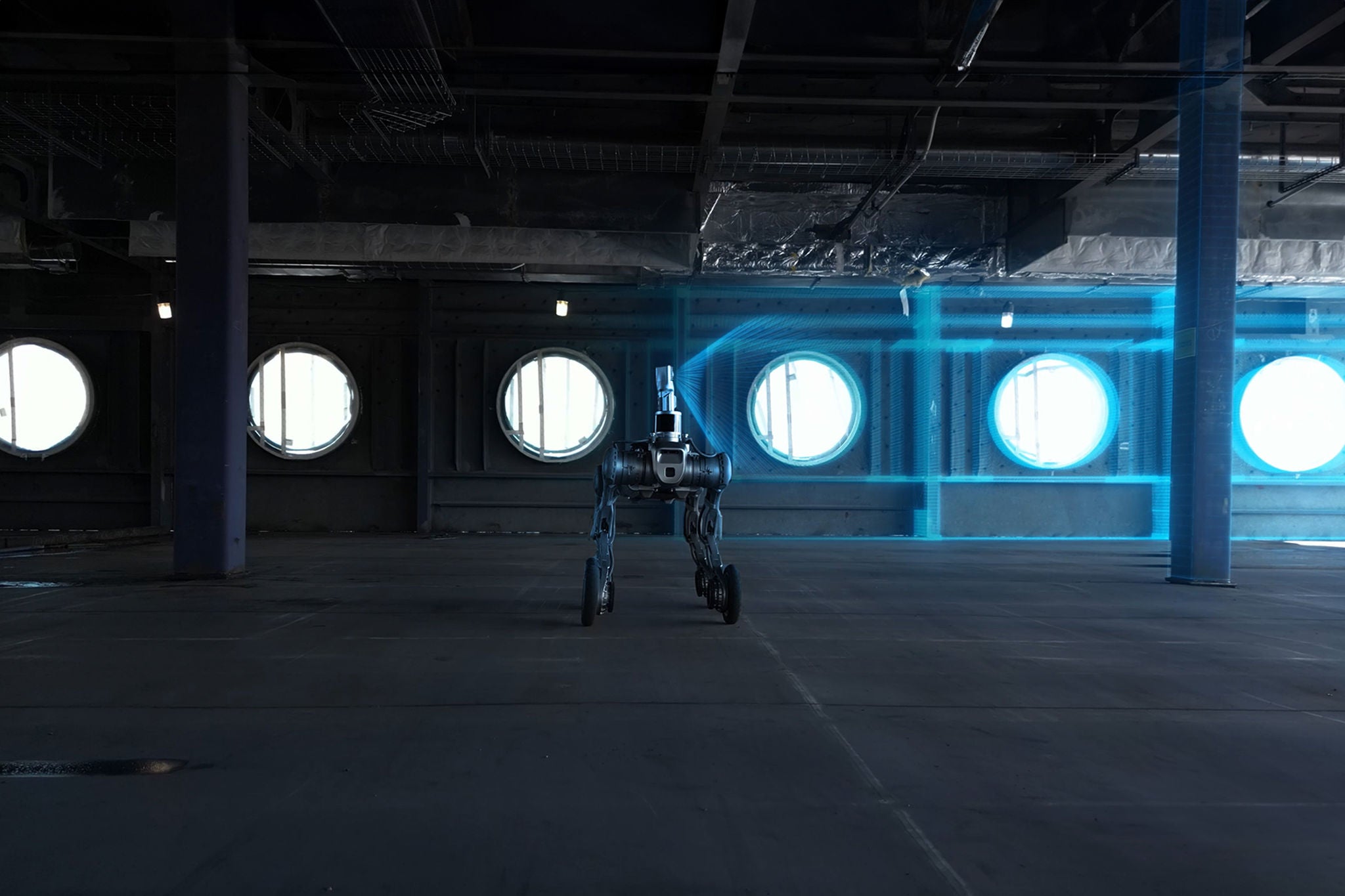
Industrial robot scanning
2

The better the answer

Developing a simulation-led physical AI program

EY and the EY-NVIDIA Alliance supported Fincantieri in designing a phased, simulation-first approach to humanoid robotics.

Fincantieri partnered with EY teams, supported by the EY-NVIDIA Alliance, to design and deliver a multi-year physical AI program focused initially on humanoid robotics. The objective was to explore how humanoids could eventually support industrial operations while establishing a safe and scalable pathway for development, testing and future deployment.


A central principle of the program was simulation-first development. Rather than training humanoids directly in physical environments, EY teams worked with Fincantieri to create customized virtual environments using NVIDIA Omniverse and NVIDIA Isaac technologies. These environments allow humanoids to be trained and refined digitally, reducing risk while supporting rapid iteration and learning.


Within the simulated environment, AI-driven learning techniques, including reinforcement learning and imitation learning, were used to develop foundational humanoid capabilities, such as standing, balance, movement and controlled task motions. Training in simulation made it possible to repeat scenarios at scale, adjust parameters quickly and observe outcomes without disrupting live operations or exposing people to unnecessary risk.


Once behaviors were validated in the virtual environment, trained models were transferred into physical humanoid prototypes for controlled real-world testing. This structured progression – from simulation to physical testing – helped each step in development build confidence and capability in a controlled way. Early testing demonstrated that humanoids could perform basic movement and structured task behaviors, providing a foundation for further capability development.


The program relied on close collaboration between Fincantieri and EY. EY teams brought together global insight across AI, engineering and industry domains, while leveraging privileged access to NVIDIA’s physical AI platforms. Transparency was critical throughout the engagement, particularly given the emerging nature of humanoid robotics. EY teams and Fincantieri worked closely to align expectations, manage risk and define a clear roadmap that balanced ambition with operational realism.


This phased approach enabled Fincantieri to explore advanced robotics in a way that remained grounded in safety, governance and long-term business objectives, while building the internal knowledge required to support future industrialization.

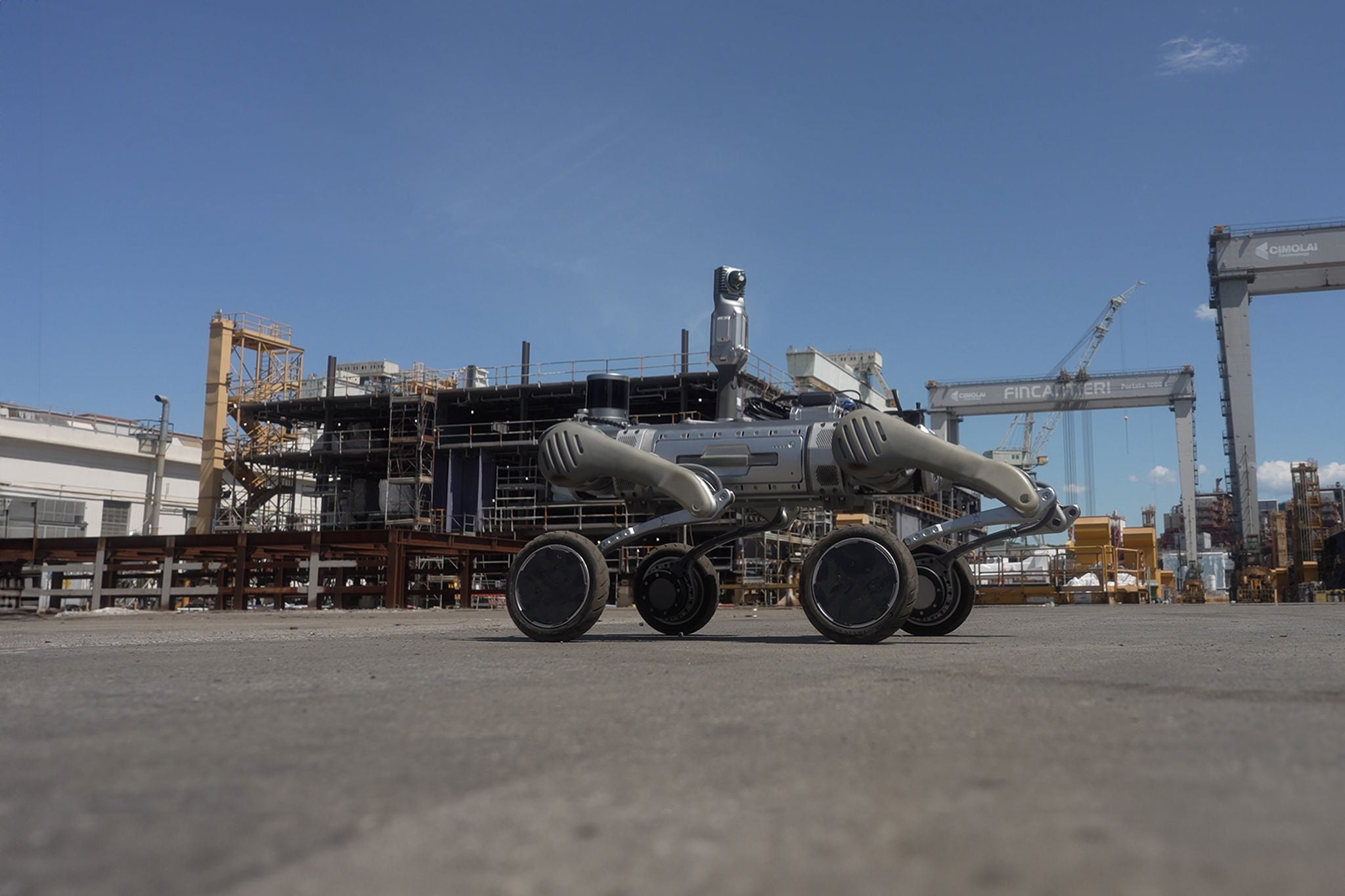
Industrial robot fincantieri
3

The better the world works

Laying the foundation for safer industrial operations

The initiative demonstrates how physical AI can support workforce resilience, safety and long-term productivity.

Fincantieri’s physical AI initiative demonstrates how humanoid robotics can play a meaningful role in addressing some of the most persistent challenges facing heavy industry. By exploring how humanoids can support hazardous and repetitive tasks, the company is working toward reducing human exposure to risk while maintaining productivity in complex operational environments where safety and reliability are critical.

The program also responds directly to workforce challenges that are becoming increasingly acute across global manufacturing. As skilled labor becomes harder to source for physically demanding roles, humanoid robotics offers a potential way to augment human teams rather than replace them. This approach supports continuity across long-term production programs and helps organizations maintain delivery commitments while protecting the well-being of their people.

As skilled labor becomes harder to source for physically demanding roles, humanoid robotics offers a potential way to augment human teams rather than replace them. 

Importantly, Fincantieri has taken a measured and responsible approach to innovation. By prioritizing simulation-based training and phased deployment, the company is reducing risk while building organizational confidence and technical capability over time. Learning happens in controlled environments first, allowing safety, governance and operational readiness to evolve alongside the technology itself.

The initiative also highlights a broader shift in how advanced technologies are adopted in industrial settings. Rather than focusing solely on short-term efficiency gains, Fincantieri’s approach emphasizes long-term capability building. Physical AI and humanoid robotics are treated as strategic assets that require sustained investment, collaboration and learning.

Looking ahead, the roadmap includes further refinement of autonomous behaviors, expansion into additional task types and preparation for broader industrial deployment. While it is still early to quantify full operational impact, the initiative is intended to position Fincantieri among a new generation of manufacturers exploring physical AI as a long-term strategic capability.

Through its collaboration with the EY organization and the EY-NVIDIA Alliance, Fincantieri has begun establishing a practical blueprint for how complex industrial organizations can adopt humanoid robotics responsibly – balancing innovation with safety, productivity with resilience and experimentation with operational discipline to support sustainable industrial transformation.

Related topics

Contact us

Like what you’ve seen? Get in touch to connect with our specialized teams and learn more.

Explore case studies

Learn how EY teams help our clients solve their toughest issues and shape their future with confidence.