


EY refers to the global organization, and may refer to one or more, of the member firms of Ernst & Young Global Limited, each of which is a separate legal entity. Ernst & Young Global Limited, a UK company limited by guarantee, does not provide services to clients.
Recent Searches

In brief
- Thoughtful tax measures help Malaysia cushion economic shocks by supporting spending, protecting vulnerable groups and sustaining business activity.
- Targeted relief, incentives and SME support enable businesses to survive crises, invest in growth and contribute to long-term recovery.
- Balancing short-term support with stable government finances is critical to maintain resilience and preparedness for future uncertainties.
The evolving geopolitical landscape and supply chain disruptions are causing economic turbulence, posing significant challenges for countries worldwide, and Malaysia is no exception.
As an emerging economy, Malaysia has faced a range of economic shocks over the years, including the 1997 Asian Financial Crisis, the 2008 Global Financial Crisis and more recently, the COVID-19 pandemic. Such turbulent periods require carefully drawn up fiscal plans, with taxation policies playing a crucial role in stabilizing the economy, protecting vulnerable groups and promoting sustainable recovery.
Malaysia’s economy is diverse, with significant contributions from the manufacturing, services and commodities sectors. However, it remains vulnerable to external shocks, such as fluctuations in global commodity prices, trade disruptions and a global economic slowdown. The COVID-19 pandemic, for instance, severely impacted Malaysia’s economic growth, employment and government revenue, necessitating swift fiscal responses.
In the local context, taxation policy during economic turbulence must aim to:
- Stabilize economic activity: Support consumption and investment to mitigate the risk of recession.
- Protect low-income and vulnerable groups: Provide relief to households and small businesses most affected by economic shocks.
- Encourage business continuity and growth: Incentivize investments, new technologies and innovation, to drive recovery.
- Maintain fiscal sustainability: Government revenues must be sufficient to fund essential services and stimulus measures without excessive borrowing.
Principles guiding Malaysia’s taxation design
A good taxation system should be guided by principles of equity, efficiency and simplicity. During turbulent times, these principles are adapted to enhance flexibility and responsiveness. The government may emphasize progressive taxation, targeted support and minimizing economic distortions, to balance short-term relief with long-term growth.
Key taxation strategies in Malaysia during economic uncertainties include:
1. Temporary tax relief and deferrals
Malaysia has implemented various temporary tax relief measures during economic downturns. For example, during the COVID-19 pandemic, the government introduced:
- Targeted Import Duty Sales Tax and Service Tax (SST) exemptions.
- Tax payment deferrals for companies and individuals to ease cash flow constraints.
- Special tax deductions for businesses investing in digitalization and automation to adapt to new economic realities.
These measures helped sustain consumption and business operations during periods of restricted movement and economic activity.
2. Progressive taxation and targeted support
The government has increasingly enhanced support for lower-income groups through tax reliefs and rebates. For instance, additional tax reliefs for medical expenses and education were introduced to reduce the financial burden on households.
Moreover, targeted cash transfers and subsidies complement tax policies to protect vulnerable groups for a more inclusive economic recovery.
3. Investment incentives and tax credits
To stimulate economic recovery, the country may offer various tax incentives, particularly for sectors critical to growth and innovation. These include:
- Reduced tax rates or Investment Tax Allowance for manufacturing and high-tech industries.
- Tax incentives for green technology and renewable energy projects, aligning economic recovery with sustainability goals.
- Enhanced tax deduction for research and development activities to encourage innovation.
Such incentives encourage businesses to invest despite economic uncertainties, supporting job creation and productivity.
4. Support for SMEs
Small and medium enterprises (SMEs) are vital to Malaysia’s economy but are often the hardest hit during crises. The government has implemented tax measures such as:
- Reduced corporate tax rates for SMEs.
- Simplified tax filing procedures.
- Special grants and tax incentives for digital adoption and business transformation.
These measures help SMEs maintain operations and adapt to changing market conditions.
5. Environmental and socially responsible taxation
Malaysia is increasingly integrating environmental considerations into its tax policy. The introduction of green taxes and sales tax on plastic resins (introduced from 1 July 2025), balanced with incentives for environmentally friendly activities support sustainable development. Revenue from these taxes should be used to fund environmental initiatives.
Challenges in Malaysia’s taxation design during uncertain times
Despite these strategies, Malaysia faces several challenges:
- Revenue shortfalls: Economic slowdowns reduce tax collections, limiting fiscal space for stimulus.
- Administrative capacity: Efficient implementation of tax relief and incentives requires robust tax administration, which can be stretched during crises.
- Tax base narrowness: Malaysia’s reliance on indirect taxes like SST means revenue is sensitive to consumption fluctuations.
- Balancing act: The government must balance providing relief with maintaining fiscal discipline to avoid excessive debt.
The recent economic crisis faced by Malaysia and globally highlights the importance of flexibility and speed in tax policy responses. Malaysia’s swift introduction of tax deferrals, exemptions and incentives has helped cushion the economic blow in the past. However, difficult times also underscore the need for:
- Strengthening tax administration and digital infrastructure.
- Broadening the tax base to enhance revenue resilience.
- Enhancing coordination between tax policy and social programs.
In conclusion, taxation design is a critical lever for Malaysia to support its economy during periods of uncertainty and into recovery. By implementing flexible, progressive and targeted tax policies, such as temporary relief and investment incentives, Malaysia can stabilize economic activity, protect vulnerable groups and foster sustainable recovery. While challenges remain, thoughtful and adaptive tax policies are essential tools for building resilient economies capable of withstanding future uncertainties.
Summary
Well-designed tax policies can help Malaysia navigate economic uncertainty by supporting demand, ease pressure on households and businesses, as well as encourage investment. Tax relief, incentives and targeted support play a key role in sustaining economic activity and enabling recovery. In tandem, the government must carefully balance these efforts with the need to maintain stable public finances. Flexible and responsive taxation strategies are essential to strengthen economic resilience and adapt to future challenges.
Our latest thinking
Future of tax: Trends and predictions
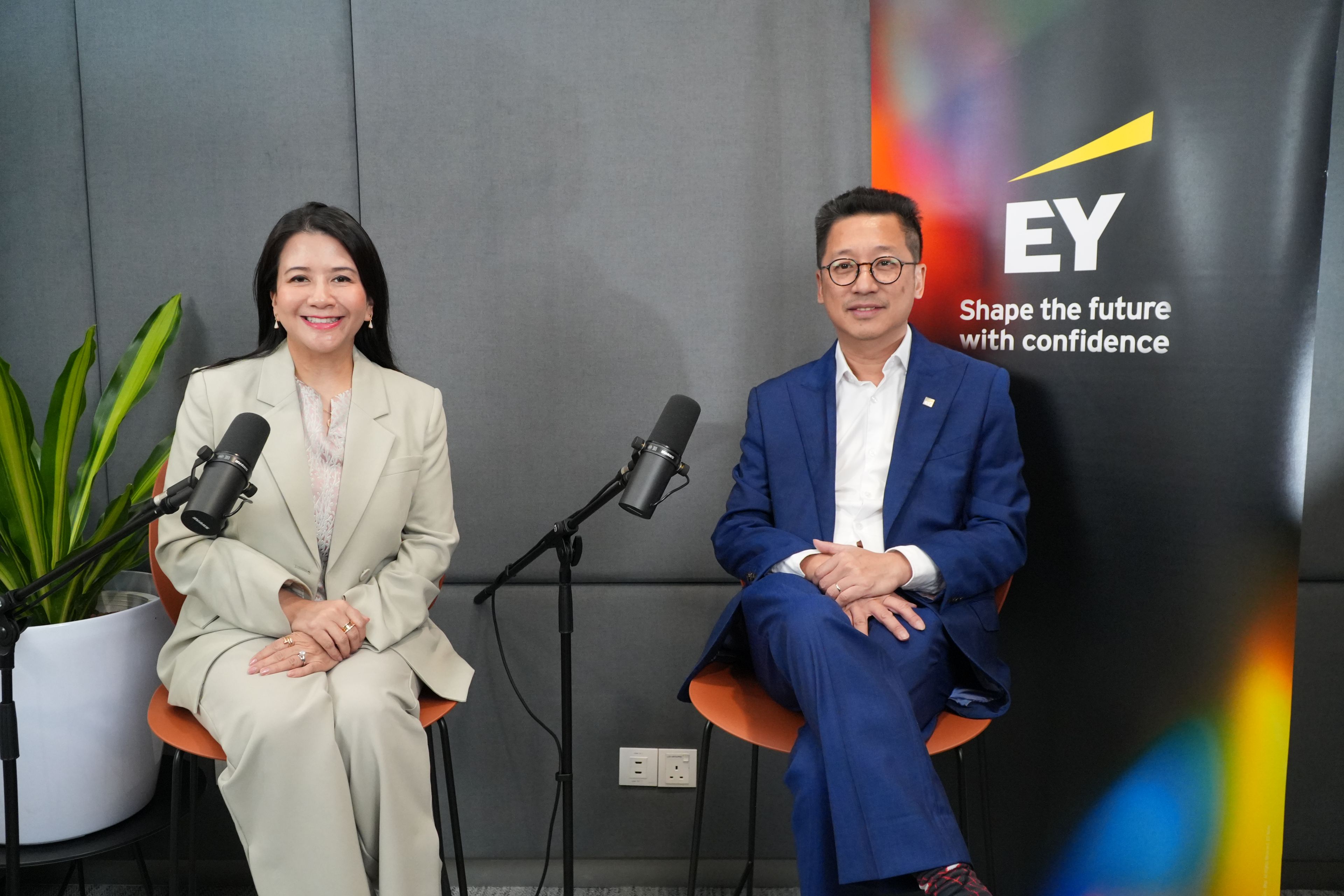
Insights Malaysia host Bernard Yap speaks with Farah Rosley, Malaysia Tax Managing Partner, Ernst & Young Tax Consultants Sdn. Bhd., about the future of tax, exploring predictions and trends for Budget 2026 and beyond.
14m