
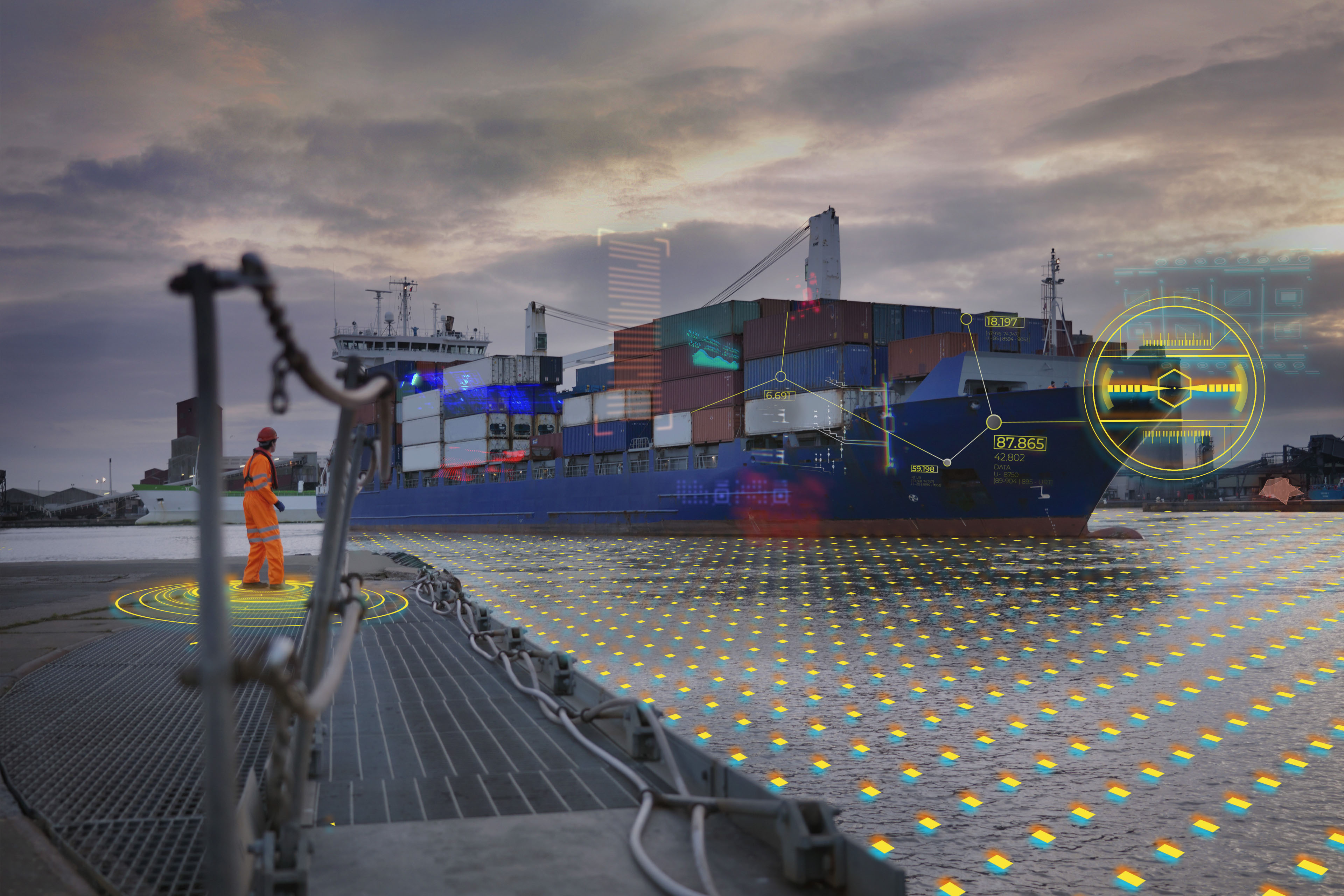


Aerial view of business port

Why autonomous trade operations are the next leap in commodities trading

Autonomous trade operations are reshaping energy and commodities trading by integrating intelligence, automation and real time coordination.


In brief

  • Traditional CETRM workflows face delays caused by manual handoffs, reconciliation and latency across trading, scheduling and settlement.
  • ATO combines governance, AI-driven decision support, real-time scheduling and smart contract execution.
  • A phased roadmap can start with operating model and visibility, then progress toward automation with human-in-the-loop oversight.

Energy and commodities trading has always been complex. Volatile markets, fragmented systems and manual interventions can slow decision-making and expose organizations to operational risk. Integrated companies are under pressure to strengthen trading operations while aligning them more closely with origination to delivery logistics and settlement activity.

This pressure is colliding with a persistent innovation gap. The commodity trading sector has traditionally lagged other financial services in adopting artificial intelligence (AI) and autonomous systems, even though trading decisions can be high value and time sensitive. Many Energy Trading and Risk Management (ETRM) and Commodity Energy Trading and Risk Management (CETRM) environments still operate with reactive workflows, manual interventions, and heavy reconciliation.

This is where autonomous trade operations (ATO) can make a difference. ATO introduces a new operating paradigm that combines AI-driven decision engines, real-time asset scheduling and smart contract execution. Backed by a human-in-the-loop governance structure, this paradigm shift aims to fundamentally change how trading organizations operate.


This article sheds light on the concept of ATO, why it matters now, and how leaders can start moving from concept to controlled pilots. The full conceptual reference architecture, enabling capabilities, phased roadmap and risk mitigation strategies are available in the Autonomous Trade Operations: the next leap in CETRM whitepaper (PDF) .


Closing the innovation gap in trading operations

Despite growing access to advanced analytics and automation technologies, many trading organizations continue to depend on manual handoffs between trading, scheduling and settlement teams. These disconnects often result in extended trade cycles, missed arbitrage opportunities and increased operational risk.


Autonomous trade operations address this challenge by directly aligning trading decisions with physical logistics and settlement processes. Market data, asset availability and risk exposure are continuously synchronized, breaking down silos across the trade lifecycle. This integrated view enables faster and accurate decision making, while improving coordination between commercial and operational teams.


Intelligent automation with strong governance

A defining feature of ATO is its human in the loop governance approach. Automation is designed to augment, not replace, human judgment. AI systems generate trade recommendations, optimize schedules and trigger execution workflows, while experienced professionals retain oversight, approval authority and escalation control.


This balance allows organizations to accelerate decision cycles without compromising accountability, compliance or risk discipline. Embedded controls, real time monitoring and comprehensive auditability ensure autonomous actions remain aligned with defined governance frameworks and regulatory expectations.


Operational impact of autonomous trade operations

Autonomous trade operations reshape how trading organizations function day to day by improving speed, coordination and decision quality across teams:

  • Shorter trade-to-cash cycles through reduced manual rework and faster downstream processing
  • Improved coordination between commercial and operations teams, minimizing scheduling conflicts and execution delays
  • More consistent pricing and valuation outcomes, reducing profit and loss (P&L) volatility caused by late or incorrect updates
  • Lower operational risk exposure by minimizing human error across high frequency, repeatable activities
  • Better use of trader know-how, allowing teams to focus on strategy, market analysis and exception handling rather than administrative tasks
  • Greater scalability during volatility, enabling operations to absorb higher trade volumes without proportional increases in effort

These improvements help trading organizations operate with greater resilience and responsiveness in fast moving markets, while maintaining control and governance.

Optimizing crude trading and scheduling

One of the many compelling applications of autonomous trade operations is in crude oil trading, where pricing frequently shifts between time based and movement based structures. Operational events such as Notice of Readiness (NOR) or vessel schedule changes often require manual updates across trading, scheduling and accounting systems, increasing operational effort and the risk of pricing inaccuracies.

In response to this challenge, EY teams have proposed a targeted ATO pilot for crude trading environments. The approach introduces intelligent pricing variables that recognize scheduling events automatically and apply the appropriate pricing logic in real time. This reduces manual rework, improves hedging accuracy and strengthens confidence in P&L reporting—while allowing traders and schedulers to focus on higher‑value decision‑making.

Autonomous trade operations: the next leap in CETRM for energy and commodities trading enterprises

Access actionable insights, real‑world use cases and a phased roadmap for autonomous trade operations. Download the whitepaper and take the next step in CETRM evolution—now.

Building toward an autonomous future

The move toward autonomous trade operations is evolutionary rather than disruptive. Organizations can begin by improving data integration and real time visibility, then progressively scale AI driven recommendations and automated execution across targeted use cases.

As market volatility increases and margins tighten, trading organizations that successfully combine human oversight with autonomous systems will be better positioned to operate with speed, precision and control. Autonomous trade operations are emerging as a strategic differentiator, reshaping how energy and commodities are traded in an increasingly complex global market.

Summary

Autonomous trade operations enable energy and commodities organizations to modernize trading by connecting decision making with real time logistics and settlement. By combining AI driven automation with strong human oversight, ATO reduces manual dependencies, shortens trade cycles and improves coordination across teams. A phased approach allows organizations to adopt autonomy in a controlled way, strengthening resilience, scalability and governance in increasingly volatile markets.

Related content

Why effective cash management can be crucial for business success

Explore the importance of effective cash management in business success on the Better Finance: CFO Insights podcast with host Myles Corson.

26m 7s

How can reimagining risk prepare you for an unpredictable world?

The 2025 EY Global Risk Transformation Study explores how Risk Strategists see disruption earlier, adapt faster and respond with more precision.

    About this article

    Contributors