


EY refers to the global organization, and may refer to one or more, of the member firms of Ernst & Young Global Limited, each of which is a separate legal entity. Ernst & Young Global Limited, a UK company limited by guarantee, does not provide services to clients.
Recent Searches
Press release
04 Apr 2025
ICT suppliers need to adapt their strategies to help businesses succeed in digital transformation
- Businesses in Singapore and Southeast Asia (SEA) are investing on emerging technologies but struggling to expand pilot use cases
- Suppliers can help enterprise customers overcome these challenges by emphasizing their ecosystem relationships and the business value of the new technologies
SINGAPORE, 4 APRIL 2025. Enterprise investment in emerging technologies remains robust with more than half of Singapore businesses currently investing in generative artificial intelligence (GenAI) (Singapore 54%, SEA 58%). Sixty-two percent of survey respondents in Singapore (SEA 63%) are investing in internet of things (IoT) and 40% (SEA 34%) are investing in 5G technology. This is according to the latest EY Reimagining Industry Futures study, which surveyed 1,635 businesses across 26 countries globally, including 103 in Southeast Asia, covering Malaysia and Indonesia, as well as 63 businesses in Singapore.
Mirroring global trends, decision-making within enterprises is diffusing more widely across the C-suite, with Chief Executive Officers (CEOs) now involved in emerging technology strategy, including choice of suppliers (Singapore 49%, SEA 54%). The Chief Information Officer (CIO) is still the most important decision maker for businesses (Singapore 67%, SEA 72%).
Businesses are struggling to convert technology trials into live deployments
Despite investments in emerging technologies, the research finds that too many businesses are still only in trialing mode. In Singapore, 77% of respondents (SEA 73%) that are currently investing in GenAI are still at the proof-of-concept stage. Only 24% (SEA 25%) have progressed to pilot projects in limited business areas. Notably, none of the respondents in Singapore and the region have fully integrated AI into critical business and IT workflows across their organizations. This highlights a significant gap between experimentation and widespread adoption.
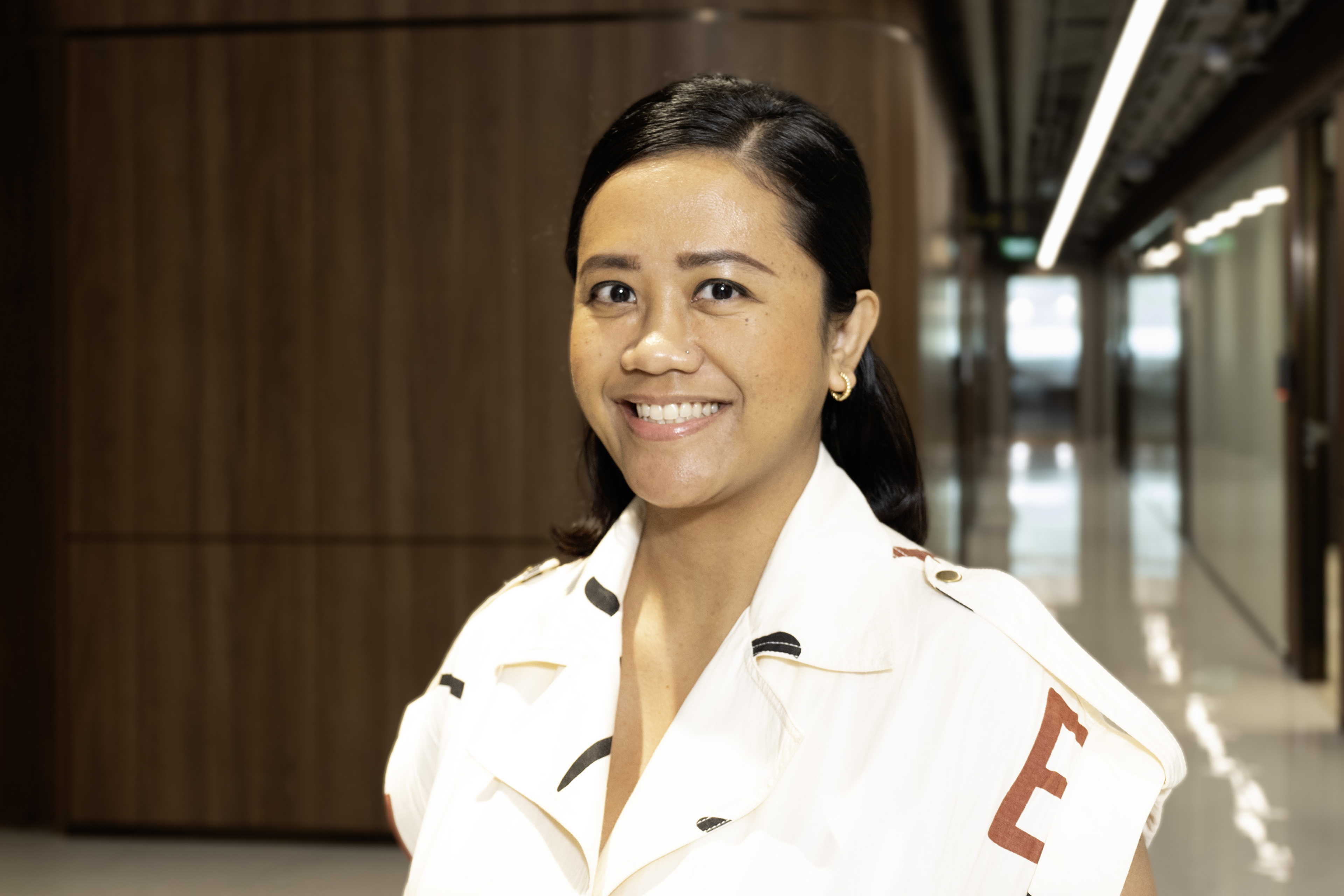
Joongshik Wang, EY-Parthenon Asean and Singapore Strategy and Execution Leader, also EY Asean Technology, Media and Telecommunications Sector Leader, says:
“While enterprises are keen to invest in emerging technologies, many businesses struggle to bridge the gap between pilot and full-scale implementation. This is often due to integration challenges, lack of clear return on investment (ROI) and the need for stronger ecosystem support to drive business value.”
Awareness of suppliers is low, complicating vendor selection
The study emphasizes that overcoming these hurdles requires a strategic approach, such as the need for businesses to build in-house GenAI capabilities while ensuring external support through reliable vendor partnerships.
However, businesses are finding it challenging to make informed decisions about which information and communications technology (ICT) providers can best help them on their transformation journey. Eighty-one percent of Singapore respondents (SEA 77%) say they need a better understanding of the changing supplier ecosystems. In addition, in the area of new mobile technology capabilities, 38% of businesses in Singapore (SEA 46%) have a high awareness of network application programming interfaces (APIs), while only one in four (Singapore 25%, SEA 31%) are highly aware of network slicing.
Enterprises favor suppliers that deliver business outcomes
A third of Singapore respondents described their ideal emerging technology vendor personas as having the ability to provide measurable business outcomes as opposed to pure cost or technology benefits (Singapore 33%, SEA 36%), and access to a robust partner ecosystem (Singapore 33%, SEA 32%). The ability to scale and integrate different technologies is also important to close to one in five of those surveyed (Singapore 18%, SEA 20%). These attributes rank ahead of value-based pricing (Singapore 16%, SEA 12%), signaling that businesses are looking well beyond cost advantages when evaluating suppliers.
Appetite for supplier consolidation means improving customer mindshare is critical
Enterprise challenges around supplier awareness could ultimately feed into decisions to consolidate their vendor base. Forty-one percent of Singapore respondents (SEA 44%) across sectors are planning to reduce the number of ICT vendors they use in the coming 12 months, driven by efforts to improve security and compliance, lower overall expenditure on technology suppliers, and reduce technology complexity and integration challenges.
Wang says:
“In Asean, digital transformation success hinges on ICT suppliers, from technology vendors to strategic partners. ICT providers must co-develop industry-specific solutions, strengthen ecosystem collaboration, and drive data-led sales and commercial strategies to help businesses unlock the full potential of their digital transformation efforts.”
-ends-
About the research
The EY Reimagining Industry Futures Study 2025 is based on an online survey of 1,635 enterprises from 26 countries and eight industry sectors. Conducted in November 2024, it was the sixth wave of this annual survey. Only respondents who self-selected as “moderately knowledgeable” and above about their organizations’ emerging technology initiatives feature in the survey results. Split by business function, 33% of respondents were from IT departments, with operations (26%), product development (21%) and marketing (19%) also represented. The questionnaire consisted of multiple-choice questions and agreement statements. These explored areas including enterprises’ behaviors, attitudes and intentions toward emerging technologies, including AI, Internet of Things (IoT) and 5G-based IoT; their perceptions of ICT suppliers’ capabilities; and their engagement with supplier ecosystems.
Notes to editors
EY is building a better working world by creating new value for clients, people, society and the planet, while building trust in capital markets.
Enabled by data, AI and advanced technology, EY teams help clients shape the future with confidence and develop answers for the most pressing issues of today and tomorrow.
EY teams work across a full spectrum of services in assurance, consulting, tax, strategy and transactions. Fueled by sector insights, a globally connected, multi-disciplinary network and diverse ecosystem partners, EY teams can provide services in more than 150 countries and territories.
All in to shape the future with confidence.
EY refers to the global organization, and may refer to one or more, of the member firms of Ernst & Young Global Limited, each of which is a separate legal entity. Ernst & Young Global Limited, a UK company limited by guarantee, does not provide services to clients. Information about how EY collects and uses personal data and a description of the rights individuals have under data protection legislation are available via ey.com/privacy. EY member firms do not practice law where prohibited by local laws. For more information about our organization, please visit ey.com.
This news release has been issued by Ernst & Young Solutions LLP, a member of the global EY organization that also does not provide any services to clients.