




EY refers to the global organization, and may refer to one or more, of the member firms of Ernst & Young Global Limited, each of which is a separate legal entity. Ernst & Young Global Limited, a UK company limited by guarantee, does not provide services to clients.
Recent Searches
Press release
13 Mar 2026
|
Singapore, Singapore
Security is the top attribute that businesses look for in telco and tech providers
- Sixty-nine percent of Singapore enterprise respondents (global 66%) are investing or planning to invest in agentic AI in the coming year
- Cybersecurity considerations, regulatory compliance and vendor independence put sovereign cloud on enterprise investment radar
- Competitor actions emerge as most significant external force influencing investment decisions for 86% of Singapore respondents (global 84%)
Investments in transformative technologies are continuing to grow among Singapore enterprises, with generative artificial intelligence (GenAI) leading the way across all sectors. Forty-four percent (global 34%) of enterprise respondents in Singapore are also currently investing in agentic AI, with another 25% (global 32%) planning to invest in the technology in the coming year. Several profound shifts are reshaping the way enterprise executives view, acquire and deploy these capabilities. This is according to the latest EY Reimagining Industry Futures study 2026, which surveyed 1,590 businesses across 25 countries, including 48 enterprises in Singapore.
The study also shows that levels of investment in 5G have risen year-on-year, while sovereign cloud is another technology now appearing on the enterprise investment radar. This appetite for transformative technologies is being shaped by a new wave of external forces, with competitor actions (Singapore 86%, global 84%), and environmental, social and governance (ESG) considerations (Singapore 83%, global 79%) ranking ahead of policies and laws governing technology and data (Singapore 81%, global 89%) as factors influencing investment decisions. Geopolitical uncertainties such as trade wars and tariff disputes (Singapore 79%, global 81%) are perceived as the least significant external factor in comparison.
While geopolitical fracturing may not dampen investment plans, 71% of Singapore enterprise respondents (global 77%) are reassessing their supplier relationships due to changing geopolitical environment.
In addition, 83% (global 74%) are subjecting their long-term technology roadmaps to greater scrutiny due to the growing trend toward digital sovereignty.
The shift to sovereign cloud
The report also shows that enterprise demand for sovereign cloud is on the rise, fueled by geopolitical upheavals and policymakers’ increased focus on data protection and technology self-reliance. Businesses are responding to these shifts, with 19% of survey respondents in Singapore (global 17%) saying that they are currently investing in sovereign cloud solutions and over half (Singapore 57%, global 53%) plan to invest in the next three years, with the most important drivers for adoption being cybersecurity and data control (Singapore 61%, global 61%), compliance with national policies and regulation (Singapore 53%, global 39%), and reducing reliance or lock-in with foreign technology vendors (Singapore 44%, global 34%).
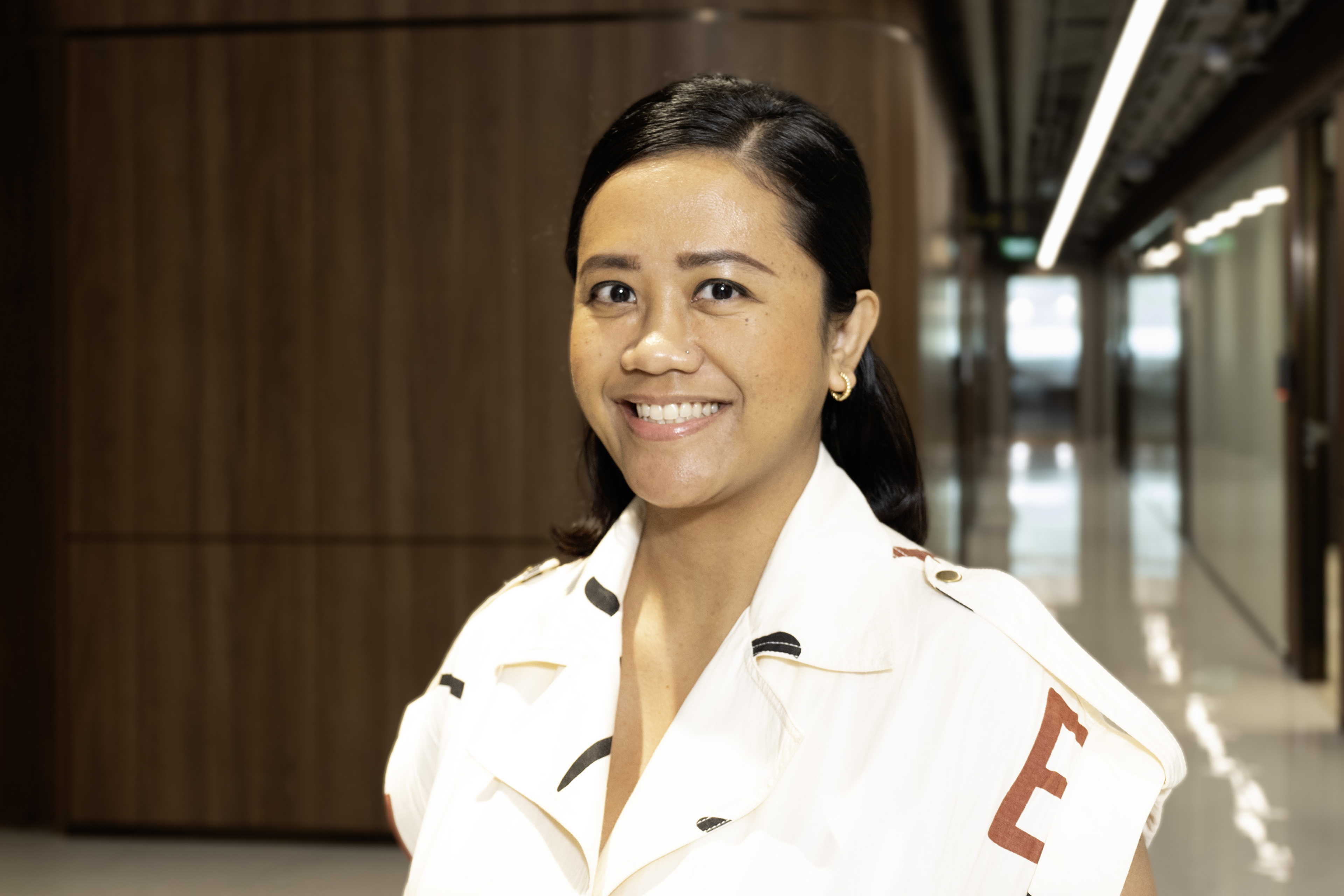
Joongshik Wang, EY Asean Technology, Media & Entertainment, and Telecommunications Leader, says:
“Digital sovereignty is compelling enterprises to re-evaluate their existing cloud vendor relationships for compliance with national regulations and the need for greater control over their data. Service providers should strategically refine their go-to-market approaches in sovereign cloud and explore innovative ways to differentiate their offerings.
While hyperscale cloud and platform vendors are increasingly favored for their scalability and advanced capabilities, there remains a significant opportunity for telcos and national or local cloud providers to enhance their value propositions and meet the unique needs of enterprises seeking localized solutions.”
Security and AI capabilities are in focus as firms reappraise vendors
As supplier landscapes widen and businesses contend with a new wave of external pressures informing technology investment decisions, the competencies they value in vendors are shifting. In Singapore, security now ranks first as a supplier attribute, reflecting the rising importance of customer data protection and regulatory compliance. Competitive pricing or pricing model and end-to-end solutions capabilities rank second.
Enterprise respondents tend to rate information and communications technology (ICT) providers and cloud vendors ahead of telcos in delivering business outcomes. As telco operators look to close this gap, they can take encouragement from the fact that many business-to-business (B2B) customers see them as more than just connectivity providers. Forty percent of respondents in Singapore (global 33%) view them as digital infrastructure guardians.
Telcos are well-placed to meet business’ changing technology requirements
When choosing ICT providers, enterprises are looking for suppliers that truly grasp their strategic needs. In Singapore, over half of survey respondents (Singapore 52%, global 43%) cite the need for better understanding of their business and technology priorities as the improvement they would most like to see. As well, 79% of Singapore enterprise respondents (global 59%) say that vendors do not provide enough case studies on how they have delivered value to other businesses, while a slightly lower proportion (Singapore 73%, global 59%) say that vendors do not demonstrate how they have used technologies internally to aid their own transformation. With enterprises placing importance on business outcome delivery, vendors who can offer contextualized success stories aligned to customers’ business imperatives instead of generic capability statements, will be able to win their trust more rapidly.
Enterprises also demand better customer service and support experience. Seventy-three percent of respondents in Singapore (global 53%) are looking for higher quality after-sales experiences, 52% (global 51%) want better access to service providers’ technology experts and 48% (global 43%) want more agile interactions with vendor sales representatives. This reflects demand for vendors that act as strategic collaborators and not just technology providers. Delivering improvements is now seen as business critical, with 54% (global 43%) of survey respondents saying that they plan to consolidate vendors in the next 12 months – up from 41% (global 35%) last year.
Wang concludes:
“The traditional connectivity business is becoming increasingly saturated, diminishing growth prospects for standalone connectivity solutions. Telcos should continue to evolve from pure connectivity providers to strategic enablers. This includes investing in AI-powered, software-defined networks to deliver superior reliability and more dynamic service quality, while offering network-as-a-service and edge computing to enable enterprise innovation. The outlook is also positive for telcos that can enhance their role as security specialists, given B2B customers’ growing focus on vendor security credentials and the emergence of new security-related services such as sovereign cloud and fraud management APIs (application programing interfaces).”
-ends-
Notes to editors
EY is building a better working world by creating new value for clients, people, society and the planet, while building trust in capital markets.
Enabled by data, AI and advanced technology, EY teams help clients shape the future with confidence and develop answers for the most pressing issues of today and tomorrow.
EY teams work across a full spectrum of services in assurance, consulting, tax, strategy and transactions. Fueled by sector insights, a globally connected, multi-disciplinary network and diverse ecosystem partners, EY teams can provide services in more than 150 countries and territories.
All in to shape the future with confidence.
EY refers to the global organization, and may refer to one or more, of the member firms of Ernst & Young Global Limited, each of which is a separate legal entity. Ernst & Young Global Limited, a UK company limited by guarantee, does not provide services to clients. Information about how EY collects and uses personal data and a description of the rights individuals have under data protection legislation are available via ey.com/privacy. EY member firms do not practice law where prohibited by local laws. For more information about our organization, please visit ey.com.
This news release has been issued by Ernst & Young Solutions LLP, a member of the global EY organization that also does not provide any services to clients.
About the research
The EY Reimagining Industry Futures Study 2026 is based on an online survey of 1,590 enterprises from 25 countries and eight industry sectors. Conducted in November 2025, it was the seventh wave of this annual survey. Only respondents who self-selected as “moderately knowledgeable” and above about their organizations’ emerging technology initiatives feature in the survey results. The questionnaire consisted of multiple-choice questions and agreement statements. These explored areas including enterprises’ behaviors, attitudes and intentions toward emerging technologies, including AI, internet of things (IoT) and 5G-based IoT; their perceptions of ICT suppliers’ capabilities; and their engagement with supplier ecosystems.
Related content
How telcos can transform their B2B growth outlook
A changing geopolitical environment coupled with rising security needs offer ICT providers new opportunities to reinvigorate their B2B growth.
How can telcos navigate a world of evolving risks?
As the risks facing communications operators continue to evolve and expand, here’s our ranking of the 10 top telecommunications risks for 2026. Learn more.