


EY refers to the global organization, and may refer to one or more, of the member firms of Ernst & Young Global Limited, each of which is a separate legal entity. Ernst & Young Global Limited, a UK company limited by guarantee, does not provide services to clients.
Recent Searches
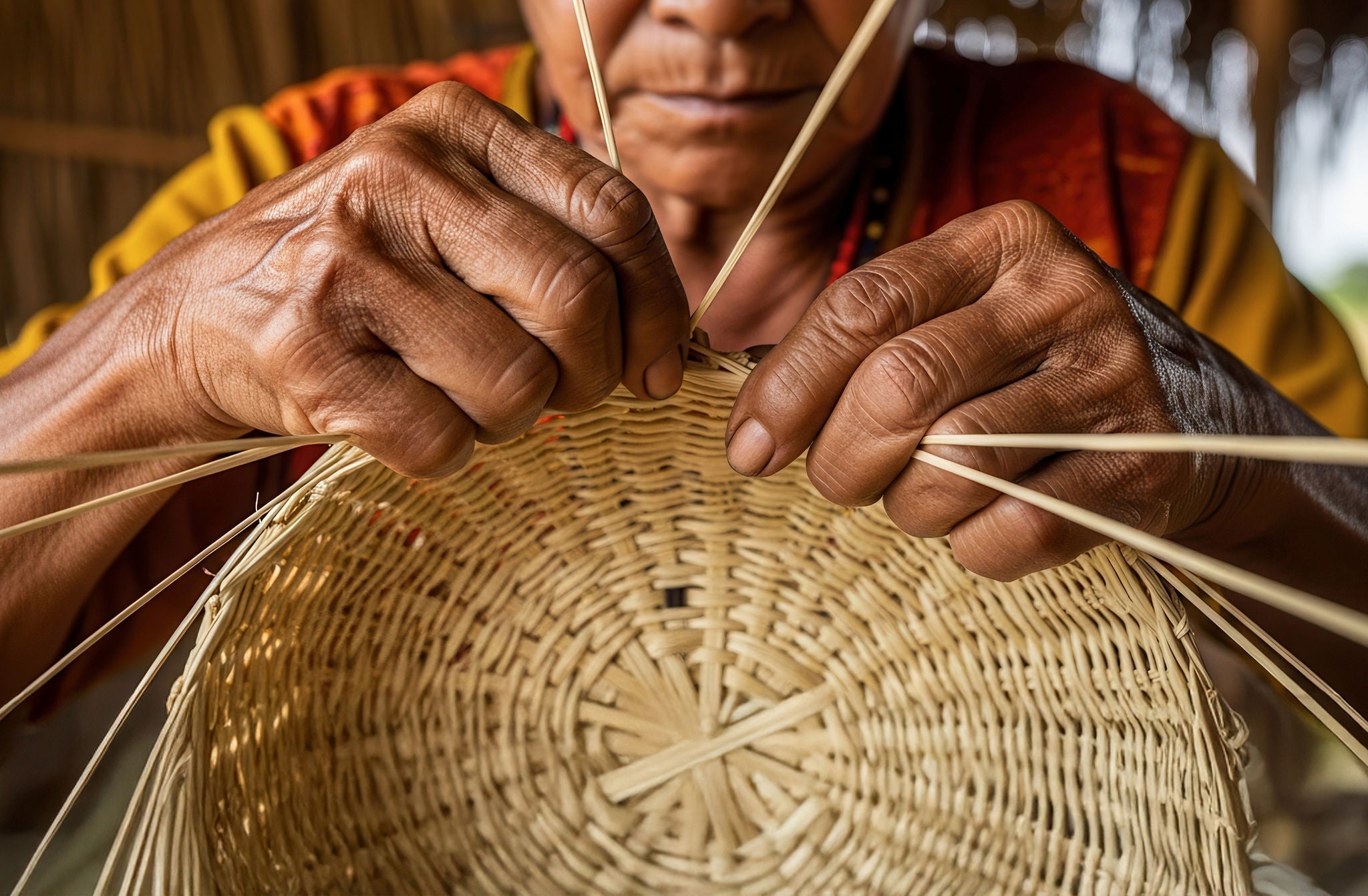
The EY House e-book at COP30 consolidates learnings, reflections, and concrete solutions for strategic sectors of the economy, including agribusiness, energy, infrastructure, mining, and financial services, offering viable pathways for a sustainable and low-carbon transition.
Acting as a bridge between public policies, value chains, financial systems, and investment flows, EY House served as a convergence space between ambition and execution, based on the premise that the climate agenda is no longer just environmental, but a central driver of competitiveness, capital attraction, and economic development.
The discussions generated deep reflections, actionable insights, and structured pathways for action. This content has been compiled into this e-book, delivered to the COP30 Presidency and now made available to all those seeking to build viable solutions, going beyond the discussion of challenges, available in both Portuguese and English, with the goal of supporting decision-making and unlocking implementation.
Download the E-Book
The material is structured around three fundamental pillars:
- Barriers that limit the advancement of the climate agenda
- Levers that can accelerate the transition
- Implementation pathways with a practical, sector-focused approach
From dialogue to transformation: an agenda that connects ambition to execution
With expert curation, a high-level agenda, and a results-oriented focus, EY House brought together 3,000 participants across 120 events, more than 200 companies from 33 nationalities, and thousands of leaders—including over 100 CEOs—featuring high-level representatives from the public, corporate, financial, academic, civil society, and Indigenous communities to discuss and develop robust solutions.
Aligned with the themes and the 30 action points of the COP30 Presidency’s Action Agenda, five priority sectors were at the center of discussions:
- Agribusiness
- Energy
- Infrastructure
- Mining
- Financial Services
Viable pathways for a low-carbon economy
The transition to a low-carbon economy is already a structural driver of competitiveness, investment, and development in Brazil, and the private sector will play a decisive role in this process.
Among the key pathways highlighted in the e-book are:
Agribusiness
- Increased productivity and efficiency without land expansion
- Traceability to access higher-value markets
- Reduction of technological asymmetries among producers
- Development of the Amazon socio-bioeconomy
- Strengthening the role of the consumer
Energy
- Electrification
- Expansion of digital infrastructure
- Regulatory modernization
- Energy planning considering climate variability
- Multi-sector alliances
Infrastructure
- Urban resilience
- Integrated adaptation and mitigation plans
- Integration across levels of government
- Strengthening public technical capacity
- Public-private partnerships and concessions
- Expansion of basic sanitation
Mining
- Evolution toward economic, social, and environmental value creation
- Governance of global critical minerals value chains
- Sustainable management of natural resources
- A new governance paradigm
Financial Services
- Financing green projects
- Adoption of global disclosure and ESG standards
- Blended finance instruments
- Strengthening corporate governance
- Integration across banks, funds, insurers, and capital markets
Be part of building real solutions for the future
The objective of this material is to support decision-making by providing greater clarity on challenges, opportunities, and implementation pathways in strategic sectors.
Access the full e-book, with in-depth data, analysis, and insights that can accelerate the transition to a more sustainable, resilient, and competitive economy.
Download the E-Book
More about EY House
Built in Belém (Pará), EY House became one of the main hubs for discussions on climate change, nature, sustainability, and innovation during COP30.
The space was developed by EY in partnership with Bradesco, B3, Vale, and companies from the Votorantim S.A. portfolio, including Banco BV, CBA – Companhia Brasileira de Alumínio, Citrosuco, Reservas Votorantim, Votorantim Cimentos, and Motiva.
The initiative also included collaboration with international institutions such as MIT Sloan Management School, the United Nations High Commissioner for Refugees (UNHCR), and AMCHAM, with support from the Government of Pará.
The legacy goes beyond the conference: at the end of COP30, the physical structure of EY House became the headquarters of the Pará State Secretariat for Indigenous Peoples, symbolizing a concrete commitment to sustainable and inclusive development in the region.
Sumary
The e-book brings together insights and practical pathways discussed at EY House during COP30 to transform the climate agenda into concrete action. The content supports leadership in the transition to a low-carbon economy, focusing on five priority sectors: agribusiness, energy, infrastructure, mining, and financial services..