EY refers to the global organization, and may refer to one or more, of the member firms of Ernst & Young Global Limited, each of which is a separate legal entity. Ernst & Young Global Limited, a UK company limited by guarantee, does not provide services to clients.
Recent Searches
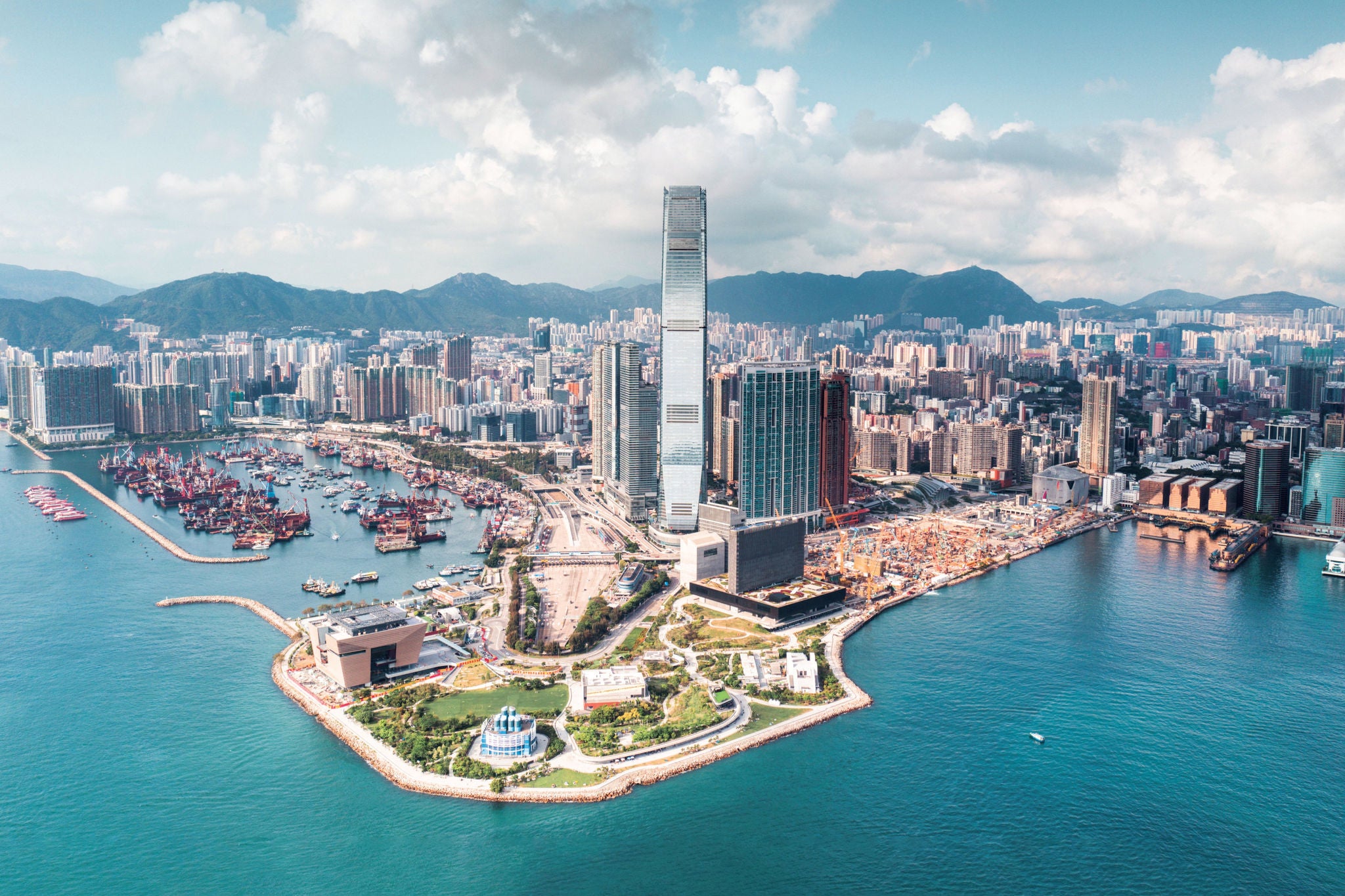
Hong Kong can lead in transport decarbonisation through policy, infrastructure and public-private collaboration to drive fleet transition and green shipping.
In brief
- Electrification is emerging as the most feasible option to decarbonise land transportation and harbour fleet in Hong Kong.
- Decarbonisation of commercial vehicles, harbour fleet and provision of shore power could reduce Hong Kong’s transport-related emissions by up to 2,500-5,000 kilotonnes by 2050, accounting for 40-80% of the city’s transport emissions.
- Near-term opportunities for land transport include prioritising corporate and government fleet transition alongside developing dedicated charging infrastructure; for marine transport, high opportunity segments include inland river boats, ferries, tugs and shared charging infrastructure to maximise utilisation and synergies.
In collaboration with industry organisations, Ernst & Young Advisory Services Limited engaged with over 30 stakeholder groups such as commercial fleet operators, OEMs, dockyard and terminal operators, ferry and tug owners, financial institutions and investors, petrol operators and logistics centre – to gather diverse perspectives and develop actionable recommendations for the Hong Kong Transportation Decarbonisation Blueprint (the “Blueprint”). This detailed study, guided by the principle “By industry, for industry”, aims to provide valuable insights and references to policymakers, industry participants, utilities, and academia, highlighting the urgent need to decarbonise Hong Kong and outlining various pathways to achieve this goal.
To support decision-making and provide a clear understanding of the implications of decarbonisation in Hong Kong, the report includes comprehensive analyses, including alternative fuels analysis, total cost of ownership (TCO) analysis, charging infrastructure forecasts and carbon emission analysis. These insights will enable stakeholders to make informed decisions and prioritise actions effectively. Furthermore, the report showcases global case studies, highlighting how other countries are addressing the challenges of transportation decarbonisation. By learning from these examples, Hong Kong can adapt and implement best practices tailored to its unique context.
The Blueprint presents a comprehensive framework for transitioning the city's transport sector towards a zero-carbon future, focusing on five key areas: policy and regulation, operational feasibility, charging infrastructure, economic considerations and supporting ecosystem. With broad, assertive and collaborative action in the next few years, Hong Kong could retain its leading position in transport electrification. More importantly, it will accelerate Hong Kong's transformation into a sustainable, efficient and technologically advanced metropolis, enhancing its position as a leading global city.
The Blueprint and its abstract can be downloaded at the links below, providing stakeholders with a detailed roadmap to navigate the complexities of decarbonising the city's transportation sector.
Summary
As Hong Kong continues to prioritise sustainability and combat climate change, the Blueprint will serve as an informative guide for all stakeholders involved in shaping the city's transportation electrification development.
How EY can help
-
Explore the future of mobility with the EY Mobility Lens Suite, a proprietary automotive and transportation research toolset. Learn more.
Read more -
Our Sustainability and ESG Strategy Consulting teams can help you with strategy, M&A, capital allocation, ESG due diligence and portfolio optimization.
Read more