


EY refers to the global organization, and may refer to one or more, of the member firms of Ernst & Young Global Limited, each of which is a separate legal entity. Ernst & Young Global Limited, a UK company limited by guarantee, does not provide services to clients.
Recent Searches

The investment landscape is undergoing a significant transformation, marked by a pronounced shift in asset allocation by investors. Faced with low yields in traditional public markets and a desire for enhanced returns and greater diversification, asset owners – including insurance companies, banks, family offices and endowments or pension funds – are increasingly turning to private market assets such as private equity and private credit. This growing appetite for less liquid investments is not merely a tactical adjustment, it represents a fundamental paradigm shift in portfolio construction.
In this article, we explore the forces driving this trend, the benefits and challenges it presents and the critical success factors for implementing a unified Investment Book of Records (IBOR) strategy in this evolving environment.
Growing trends in demand for private market assets
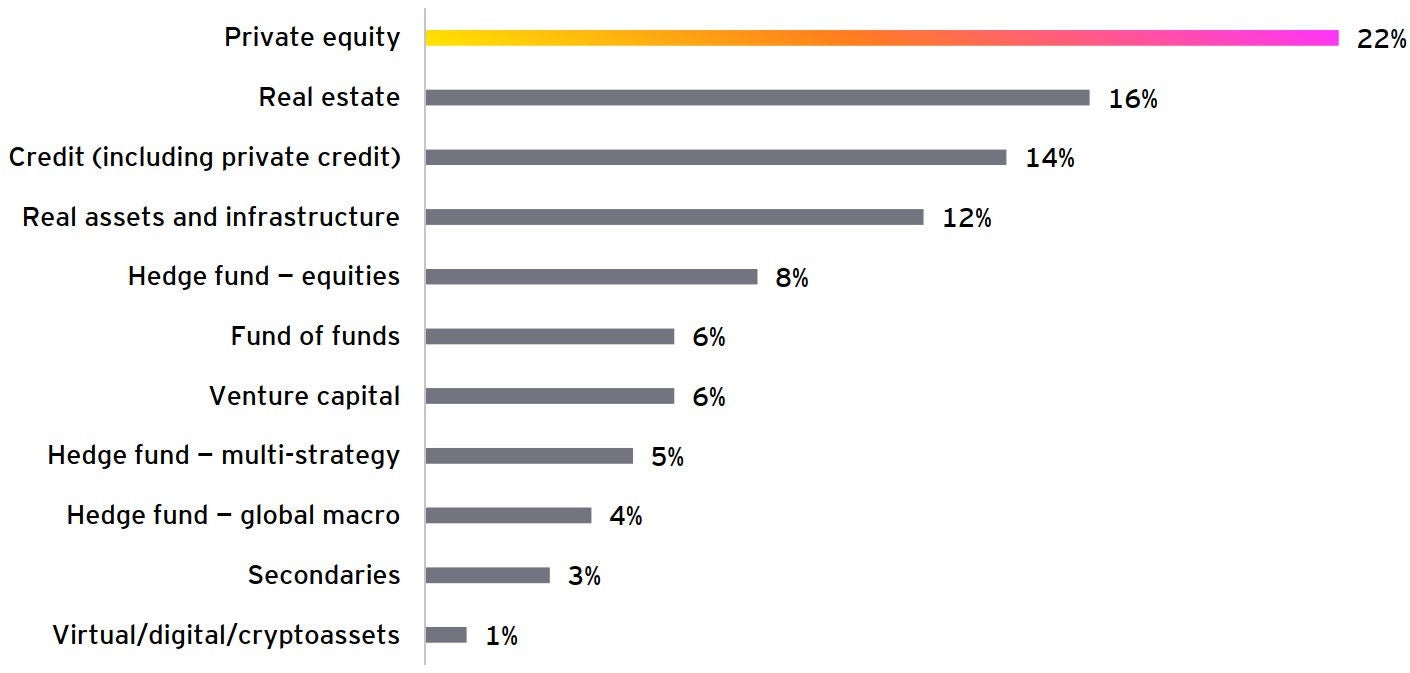
On average, institutional investors’ current allocations to alternative investments are concentrated most heavily in private equity (22%), followed by real estate (16%) and credit (14%). The growing demand for private market assets is underpinned by a compelling set of advantages that these investments offer to asset owners and allocators. These benefits primarily revolve around the potential for higher returns, enhanced diversification and the ability to hedge against inflation.
The Multi-Asset Investment Book of Records (M-IBOR): a necessity to address investor needs
In response to the increasing complexity of investment portfolios, particularly with the growing allocation to private market assets, the IBOR has emerged as a critical component of modern asset management infrastructure. An IBOR strategy focuses on implementing and utilization of a centralized system that provides a real-time, accurate and consolidated view of all investment data.
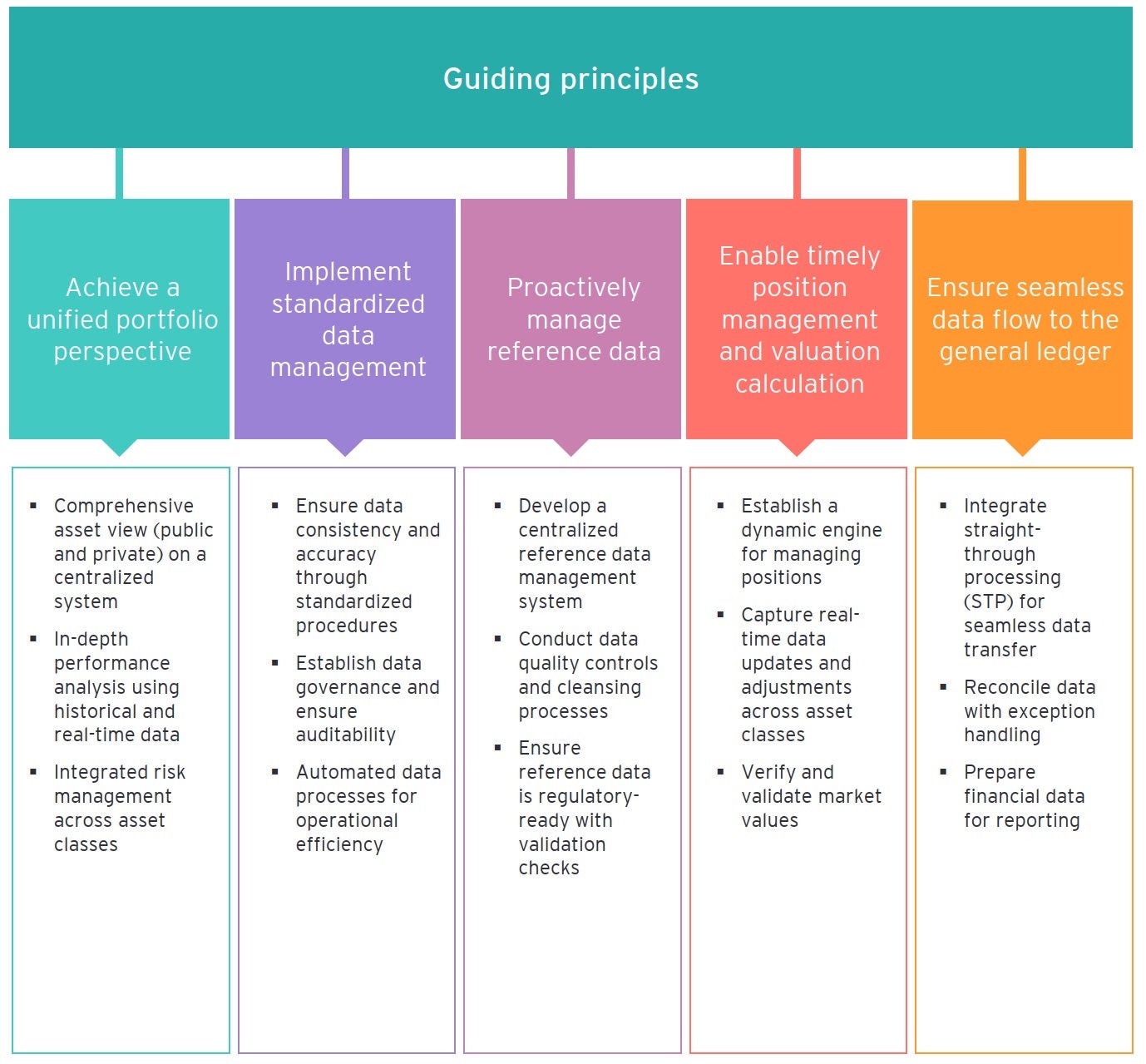
Five guiding principles have been identified to ensure an effective IBOR strategy: