
EY refers to the global organization, and may refer to one or more, of the member firms of Ernst & Young Global Limited, each of which is a separate legal entity. Ernst & Young Global Limited, a UK company limited by guarantee, does not provide services to clients.
Recent Searches
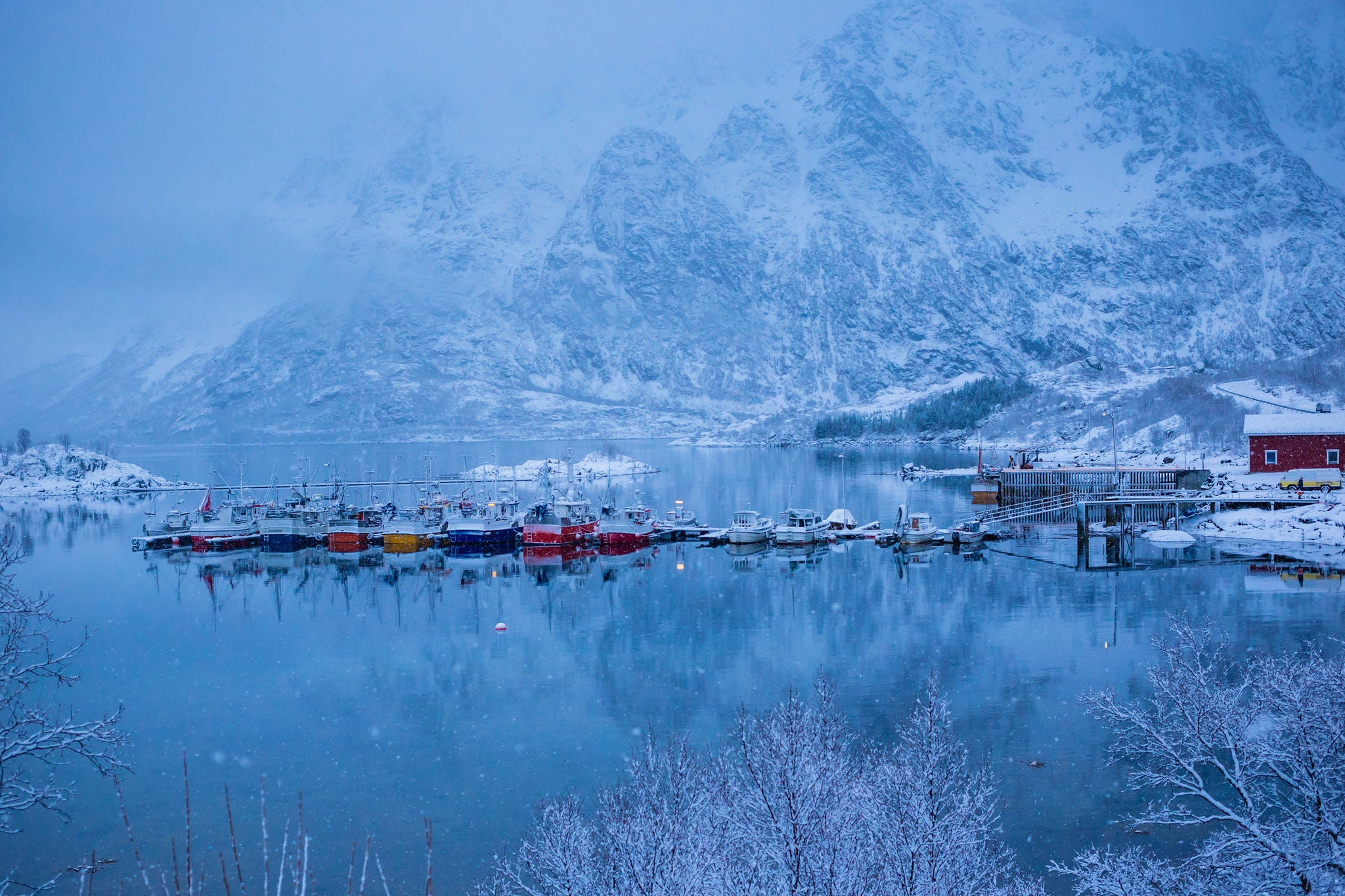
This article explores the impact of climate change on Norwegian aquaculture, focusing on the associated risks and mitigation approaches.
In brief
- Being highly dependent on the natural environment, the aquaculture industry faces a variety of physical and transitional climate risks.
- Climate change impacts the industry across the whole value chain, from the sourcing of raw ingredients to the actual production.
- A thorough risk assessment and investments in resilience, e.g., through new technologies, can be key for an effective risk mitigation.
Climate change threatens Norwegian aquaculture’s environmental resilience
Over the years, the aquaculture industry has become an increasingly important sector of the Norwegian economy. However, ongoing climate change imposes various challenges, affecting biological factors, regulations, stakeholder expectations and the global supply chain.
The unique environmental and climatic conditions along the Norwegian coastline have been key to the aquaculture industry’s emergence as a strong pillar of the Norwegian economy. The extensive coastline offers ideal conditions for Atlantic salmon to grow, which has led to rapid growth over the past three decades, making aquaculture the country’s second-largest export industry and a crucial economic backbone for many coastal communities.
However, the factors contributing to Norwegian aquaculture’s success are also what make the industry particularly vulnerable to climate change. Strong dependencies on environmental conditions, both on land and in water, put the industry in a precarious situation as global temperatures rise. These challenges impact the entire value chain of aquaculture companies, from upstream and internal operations to downstream activities. Further, increasing public and regulatory pressure demands companies in the sector to assess the risks associated with climate change, which is crucial for developing an effective risk mitigation strategy.
Climate risks increase prices of already high-cost feed
Modern fish feeds mainly consist of various agricultural products and marine ingredients, such as fish oil and fish meal. Both commodity types are usually sourced from the global market. Numerous studies have shown that both agricultural and marine ingredients are highly exposed to physical climate risks, such as extreme weather or marine heatwaves, which can significantly impact crop harvests or fish stock sizes. It is already evident that the production of fish meal and fish oil drops drastically during El Niño years, which are characterized by high ocean temperatures, especially in the southeastern Pacific, where most of the global production of fish meal and fish oil occurs. Further, extreme weather events leading to droughts or floods can drastically reduce soy harvests.
Factors like these drive up ingredient prices, ultimately leading to potential increases in feed costs for the aquaculture industry. As fish feed is already the largest operating cost for aquaculture companies, further price increases could significantly affect the industry.
A transition to feeds based on novel ingredients that are less vulnerable to climate change, such as algae or mussels, could help mitigate these risks substantially.
Environmental shifts lead to behavioral changes and welfare risks
Climate change is challenging the resilience of Atlantic salmon, which relies on specific environmental conditions for optimal health and growth. As an ectothermic species, salmon cannot regulate its own body temperature but adjusts it to its environment. Thus, temperature directly affects the salmon’s behavior, such as its preferred location within net pens or even its social interactions. Further, changes in temperature impact the salmon’s respiration, digestion and overall physiological function. This makes temperature one of the most, if not the most, important factors for salmon welfare.
Norwegian waters are already experiencing warming temperatures, a trend that can be traced back to climate change, and various climate models predict this will continue. The overall increase in water temperatures, along with symptoms like increasing ocean acidification, directly affects the wellbeing and behavior of salmon, thereby impacting productivity and stability within operations.
In 2023, infectious diseases became the leading cause of mortality in Norwegian salmon farming. The steep increase in disease transmission and parasitic infections can be attributed to multiple factors, including climate change’s effects on the marine environment. Notably, a warmer and more acidic ocean impacts the welfare of farmed salmon while creating favorable conditions for species like sea lice, exacerbating existing risks.
New production technologies, such as land-based recirculating aquaculture systems (RAS), allow operators to better control environmental conditions, particularly water temperature. While semi-closed and ocean-based production systems may not provide the same level of temperature control as RAS, they still present significant advantages. By moving net pens farther out into the ocean, these systems can help mitigate the negative impacts of aquaculture on coastal ecosystems. This relocation can also potentially reduce the threats from both traditional and emerging pathogens and diseases prevalent near the coast.
Physical climate risks can threaten crucial assets of the aquaculture industry
Increasing events of extreme weather and the general rise in sea levels pose significant risks to the assets of aquaculture companies, especially sea-based open net pens and processing facilities located near the shore.
Using the EY Climate Analytics Platform (EY CAP), EY teams have demonstrated that, in the upcoming years, major production regions along the Norwegian coast will be increasingly exposed to risks from flooding and storms, both of which can cause severe damage to assets and increase health and safety risks for workers employed on the farms.
Regulation increases pressure on Norwegian aquaculture companies
Besides physical climate risks, the aquaculture industry is facing increasing regulatory pressure to adapt to climate change and monitor its environmental footprint. Most major Norwegian salmon producers will soon be subject to the new Corporate Sustainability Reporting Directive (CSRD). This directive will require them to thoroughly assess the specific climate risks their companies face, including tracking and disclosing a variety of key performance indicators (KPIs) related to climate and environmental impacts. Further, the directive mandates the formulation of specific climate-related targets.
This reporting standard presents a major challenge for most companies, as it requires organizational effort to implement the directive and advanced data collection and processing methods to accurately assess the KPIs. However, timely preparation not only ensures regulatory compliance but also provides a solid foundation upon which companies can build a comprehensive climate resilience strategy — one that mitigates climate risks, increases reputation and contributes to a profitable future.
Climate risks in Norwegian Aquaculture
Summary
The aquaculture industry is highly exposed to both physical and regulatory climate risks. Increasing pressure from regulatory bodies and stakeholders requires more thorough reporting, while actual physical climate risks impose challenges on salmon production. However, assessing the specific risks a company faces and investing in technologies and methods that mitigate those risks can be an effective transition strategy, ensuring the industry’s continuous productivity.