



EY refers to the global organization, and may refer to one or more, of the member firms of Ernst & Young Global Limited, each of which is a separate legal entity. Ernst & Young Global Limited, a UK company limited by guarantee, does not provide services to clients.
Recent Searches
Press release
28 Aug 2026
EY CFO Forum 2026 unveils “The Reset Advantage” empowering CFOs to lead enterprise transformation
EY CFO Forum 2026 unveils “The Reset Advantage” empowering CFOs to lead enterprise transformation (TH)
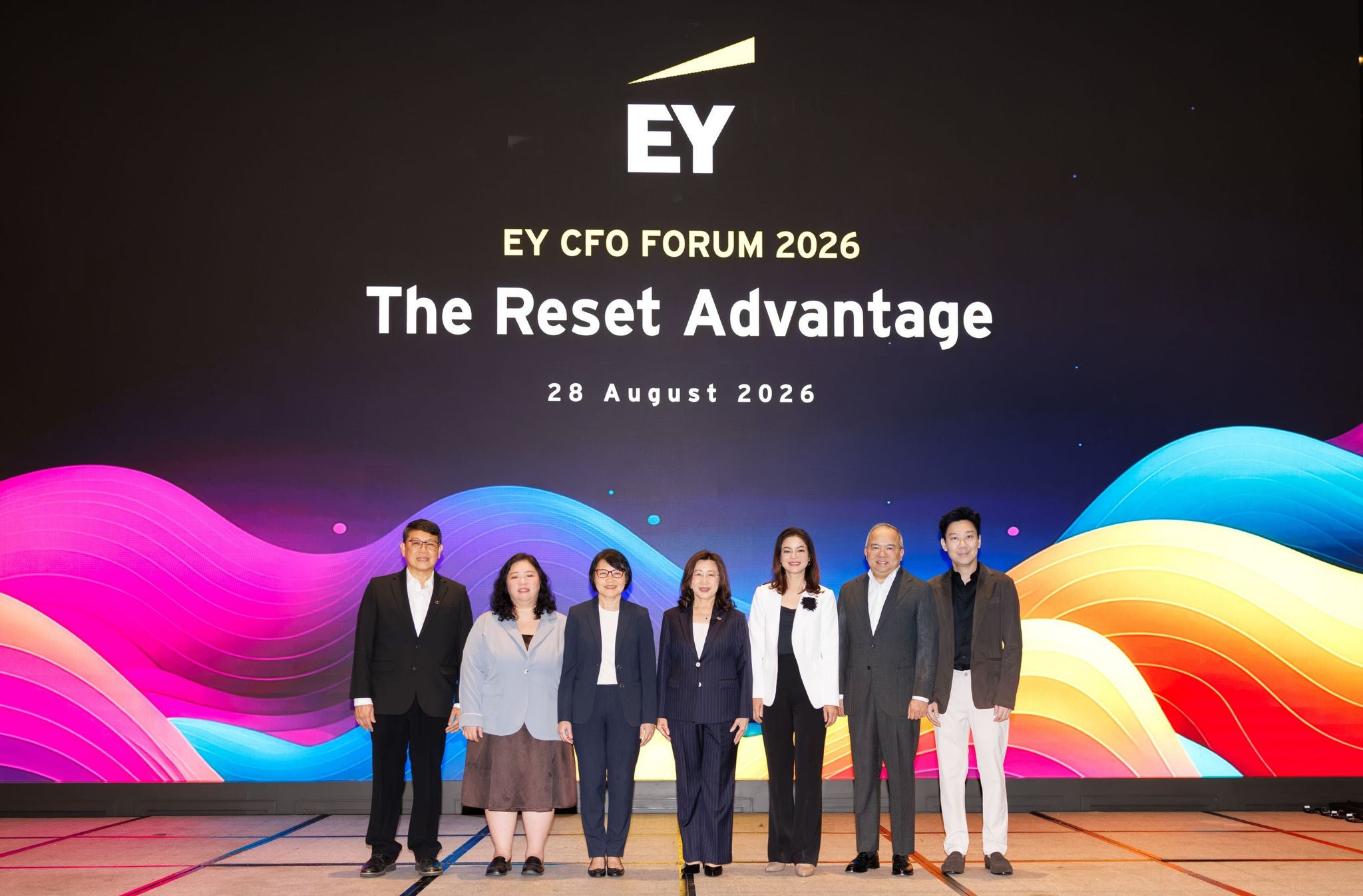
Bangkok, 4 September 2026. EY Thailand, a global provider of assurance and business consulting services, hosted its flagship annual event, EY CFO Forum 2026, under the theme “The Reset Advantage”. The forum provided finance leaders with a platform to exchange perspectives and explore strategies for leading their organizations into the future. Key topics included allocating resources efficiently, unlocking tangible business value from AI and translating strategy into action to drive sustainable growth and competitive advantage. The event was opened by Ratana Jala, Country Managing Partner, who welcomed participants to the forum at InterContinental Bangkok.
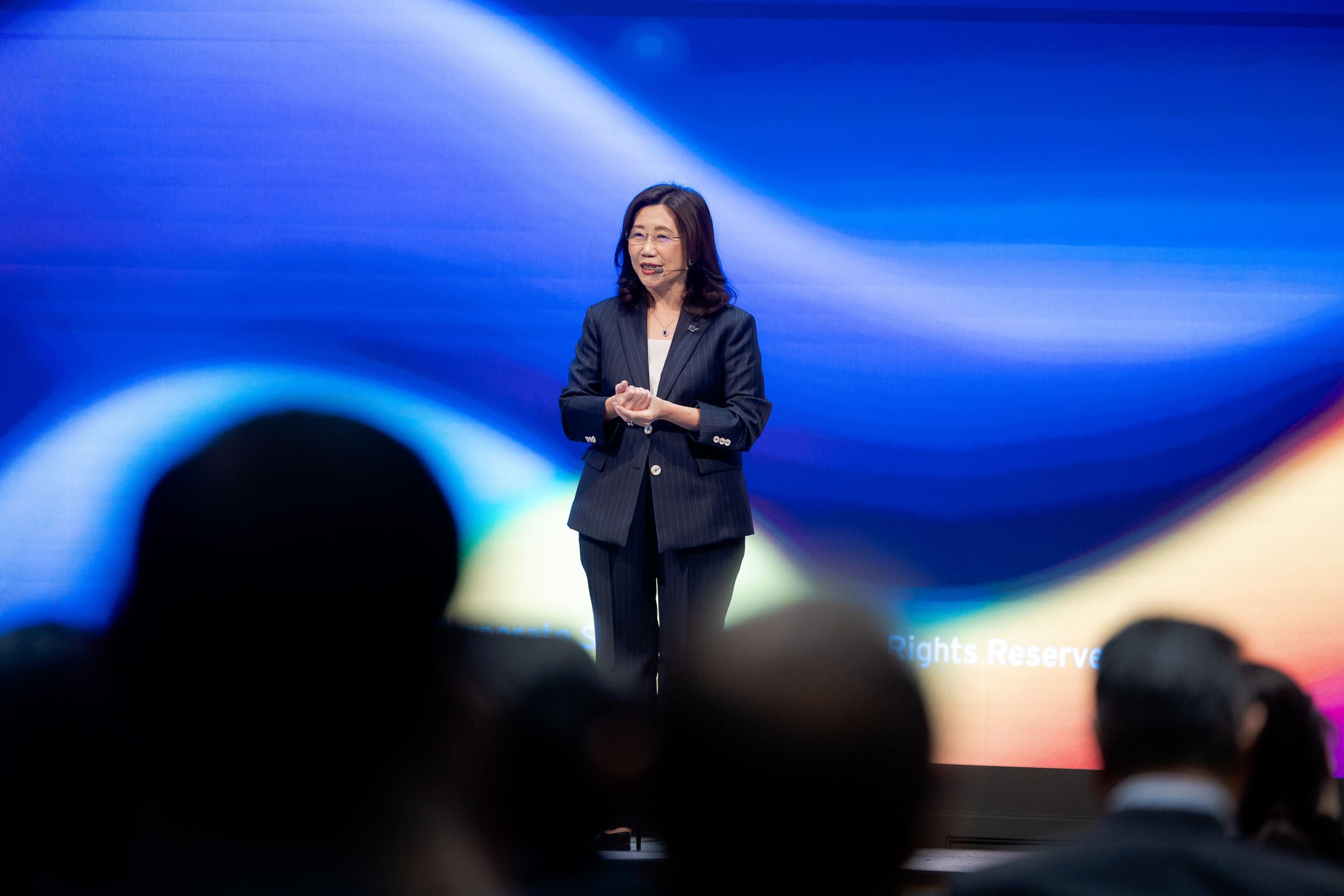
The seminar was divided into two parts. The first explored four strategic priorities shaping the future of organizations, beginning with “The Trust Agenda: From Reporting Results to Defending Trust,” presented by Waraporn Prapasirikul, Partner and Assurance Leader. The session highlighted the evolving role of CFOs, from reporting financial performance to leading efforts to build trust through transparent and reliable information that accurately reflects the business. The discussion focused on four key areas: preparing for TFRS 18; preparing sustainability disclosures in accordance with international standards, including FTSE Russell’s ESG Scores; enhancing the quality of financial information in areas receiving increased attention from investors and auditors, such as asset valuations, provisions, asset impairment and non-recurring items; and leveraging technology and AI to improve the accuracy, speed and reliability of information. CFOs also continue to play a critical role in overseeing risk, building trust and driving sustainable long-term growth.
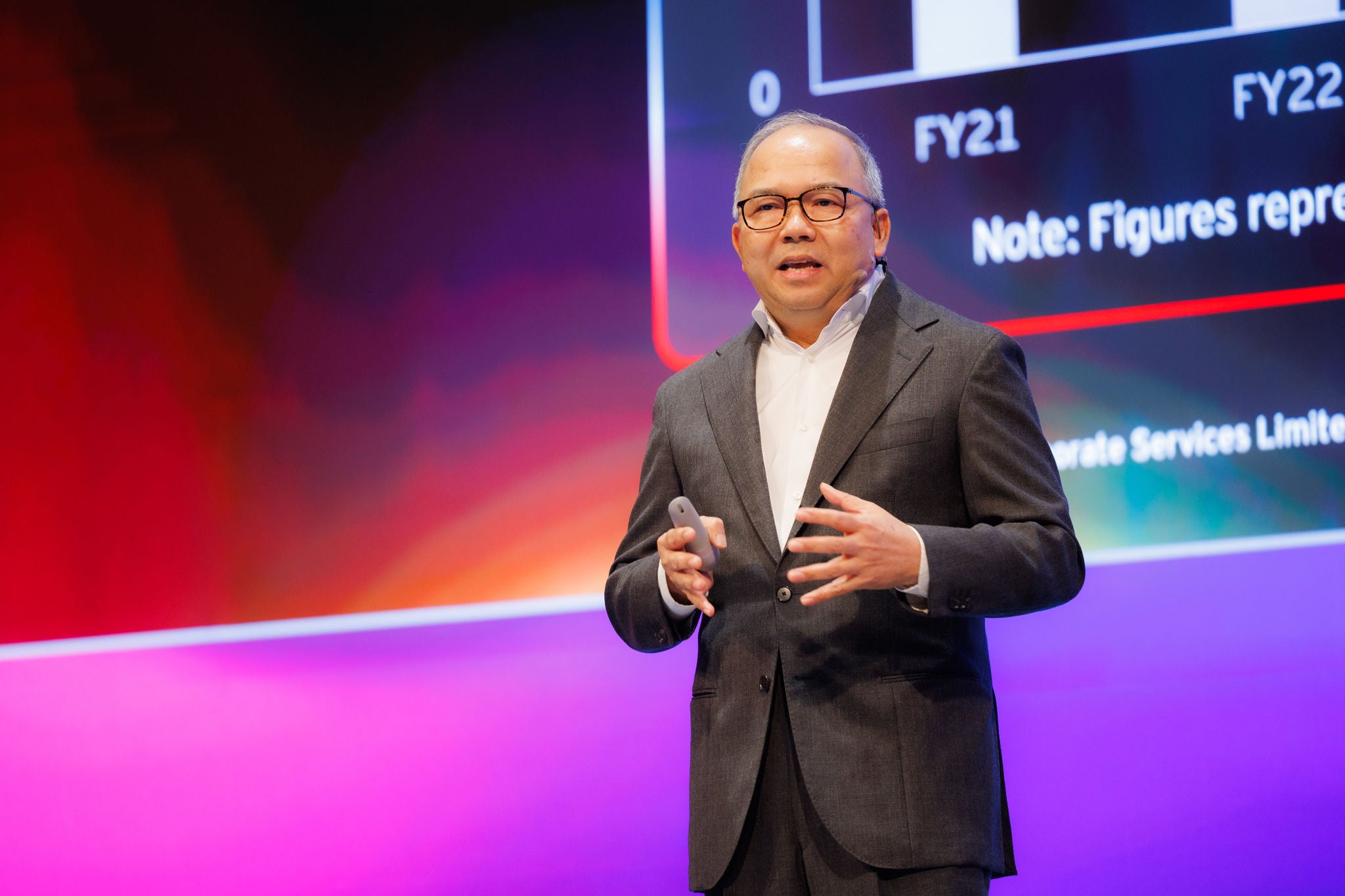
Moving from trust and transparency to the challenge posed by the rapidly evolving tax and regulatory landscape. In the session “Tax Forward: Leveraging Tax Policy and Technology to Enable the Future,” Kasem Kiatserikul, Partner and Tax Leader, highlighted that, amid mounting fiscal pressures, Thailand continues to face an annual budget deficit of more than THB 800 billion, while public debt stands at approximately 67% of GDP. This has prompted the government to accelerate the use of data and technology to improve the efficiency of tax collection, including through the Global Minimum Tax and e-Invoice initiatives. As a result, corporate tax functions must adapt their internal data management approaches to ensure that information is accurate, connected and readily available. Kasem introduced the Tax Forward framework, which focuses on harnessing data, technology and AI to create tangible business value and long-term competitive advantage through three key pillars: Efficiency, Accuracy and Visualization. The framework also elevates the tax function from a compliance-focused role to that of a strategic business partner, with a greater emphasis on strategy development and support for business decision-making.
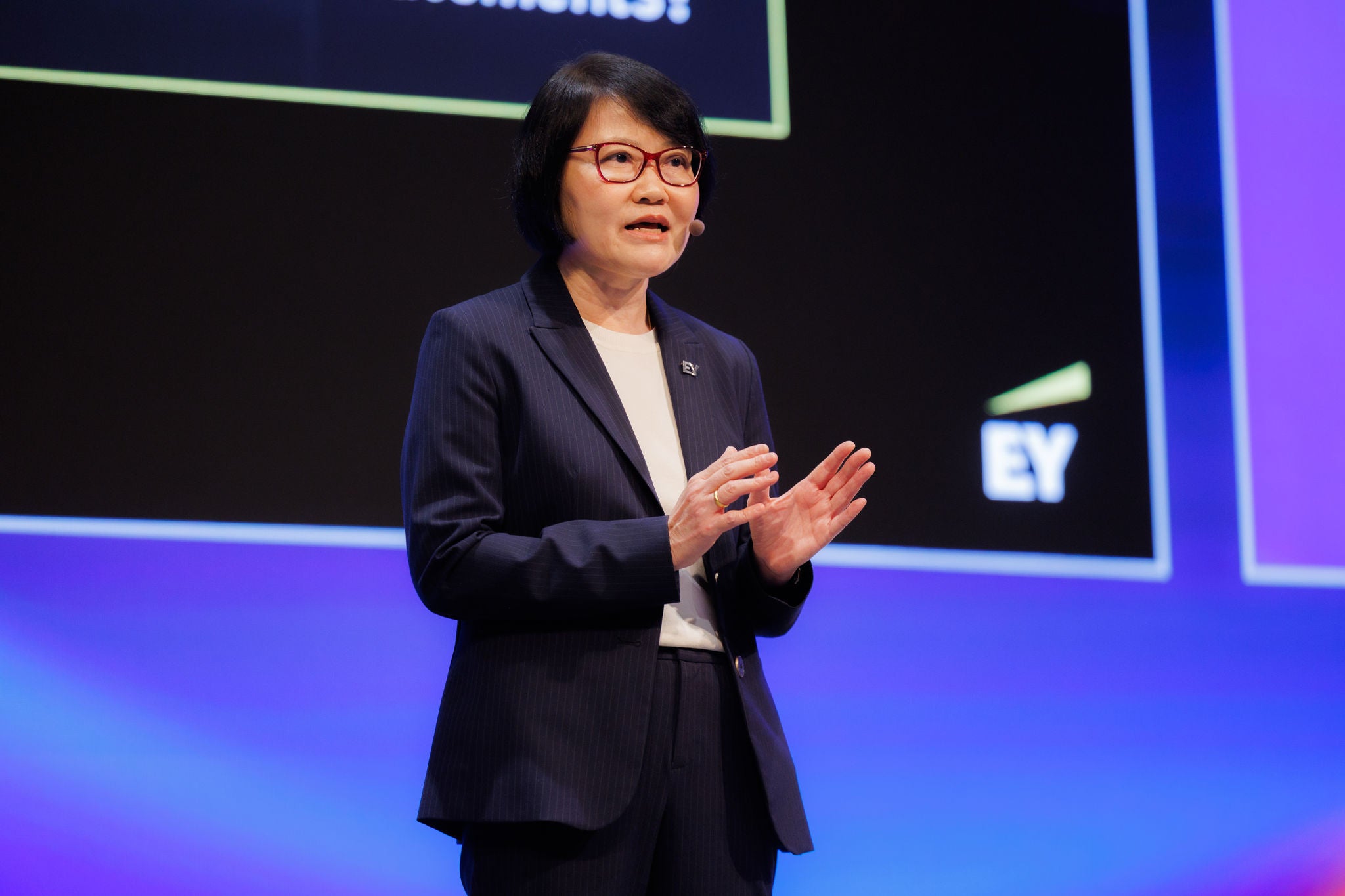
Amid growing economic uncertainty and an increasingly complex regulatory landscape, Oraphun Cheng, Partner, EY-Parthenon, shared her insights in a session titled “Funding the Future: The CFO Agenda for Future-Ready Growth.” She emphasized that sustainable growth does not necessarily require new capital. Rather, it can be achieved by reallocating existing resources and capital to the businesses and opportunities that create the greatest value. Oraphun encouraged organizations to reassess their business portfolios by considering three key questions: whether a business has a competitive advantage, the extent to which it aligns with the organization’s future growth strategy, and whether the market continues to offer attractive revenue and profit opportunities. These considerations can inform appropriate strategic choices, whether to grow, transform, separate, or divest business. She also outlined three approaches to future growth: developing internal capabilities, pursuing mergers and acquisitions, and establishing strategic partnerships. Oraphun further emphasized that today’s CFOs must evolve beyond their traditional role as financial stewards to become strategic partners who leverage data and business insights to allocate resources, support decision-making and strengthen long-term competitiveness of their organizations.
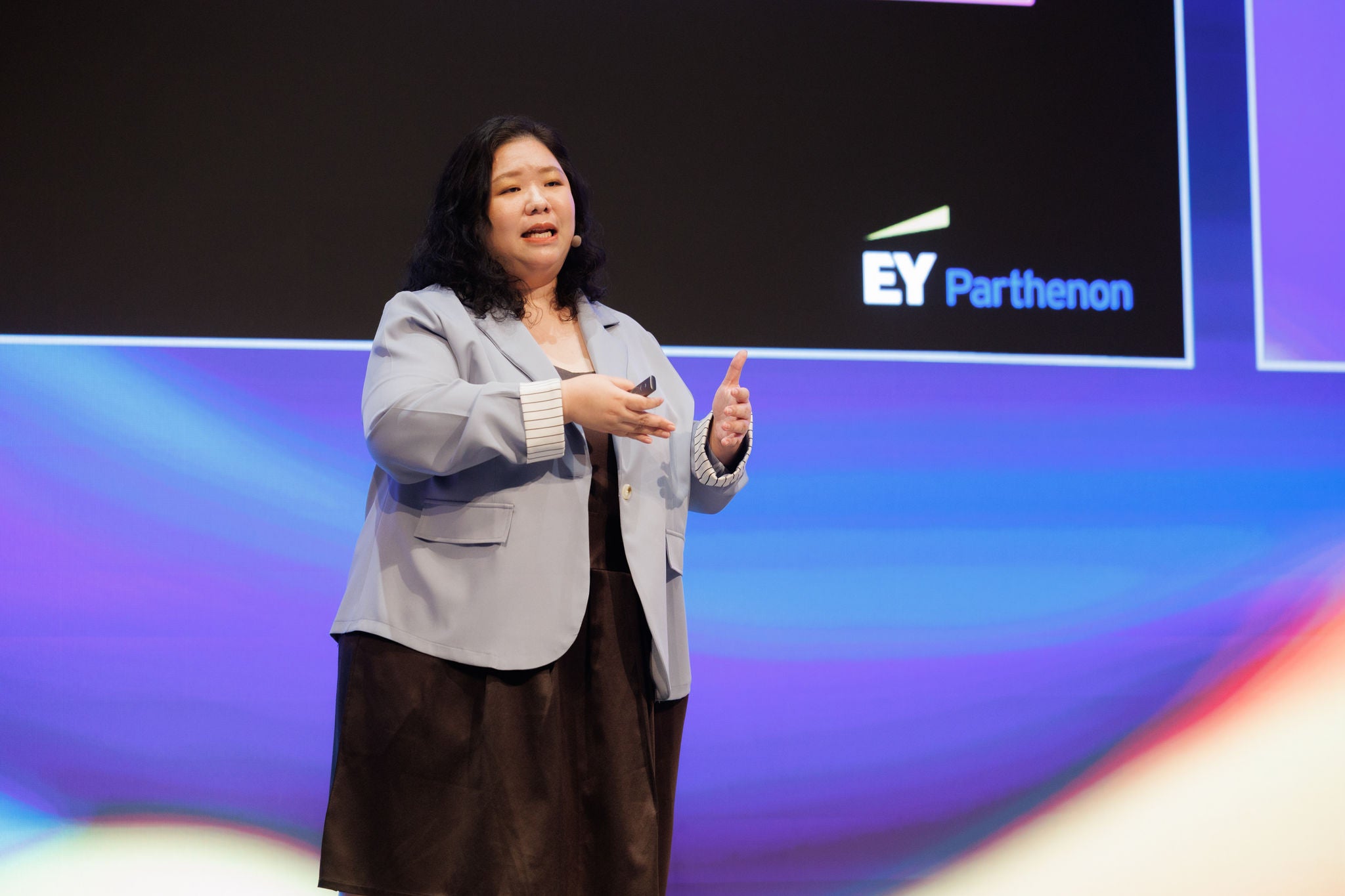
Turning to the enterprise transformation, Pajaree Saengcum, Partner and Consulting Leader, shared her perspective in a session titled “Beyond AI: Why Technology Alone Will Not Deliver AI Returns.” She highlighted how AI is evolving beyond a productivity-enabling tool and entering the era of Agentic AI, in which intelligent systems can increasingly plan, coordinate and execute tasks autonomously. As a result, organizations must move beyond fragmented AI pilot initiatives that struggle to scale and instead embrace AI as a catalyst for enterprise-wide business transformation. This requires a value-based approach, starting with clearly defined strategic outcomes before AI is applied to enhance the processes that create tangible business value. Organizations must also ensure readiness across data, governance and the workforce to foster trust and enable effective collaboration between humans and AI. Pajaree emphasized that the organizations most likely to succeed in the AI era may not necessarily be those with the most advanced AI capabilities, but those that can use AI to accelerate transformation and differentiate themselves in the market.
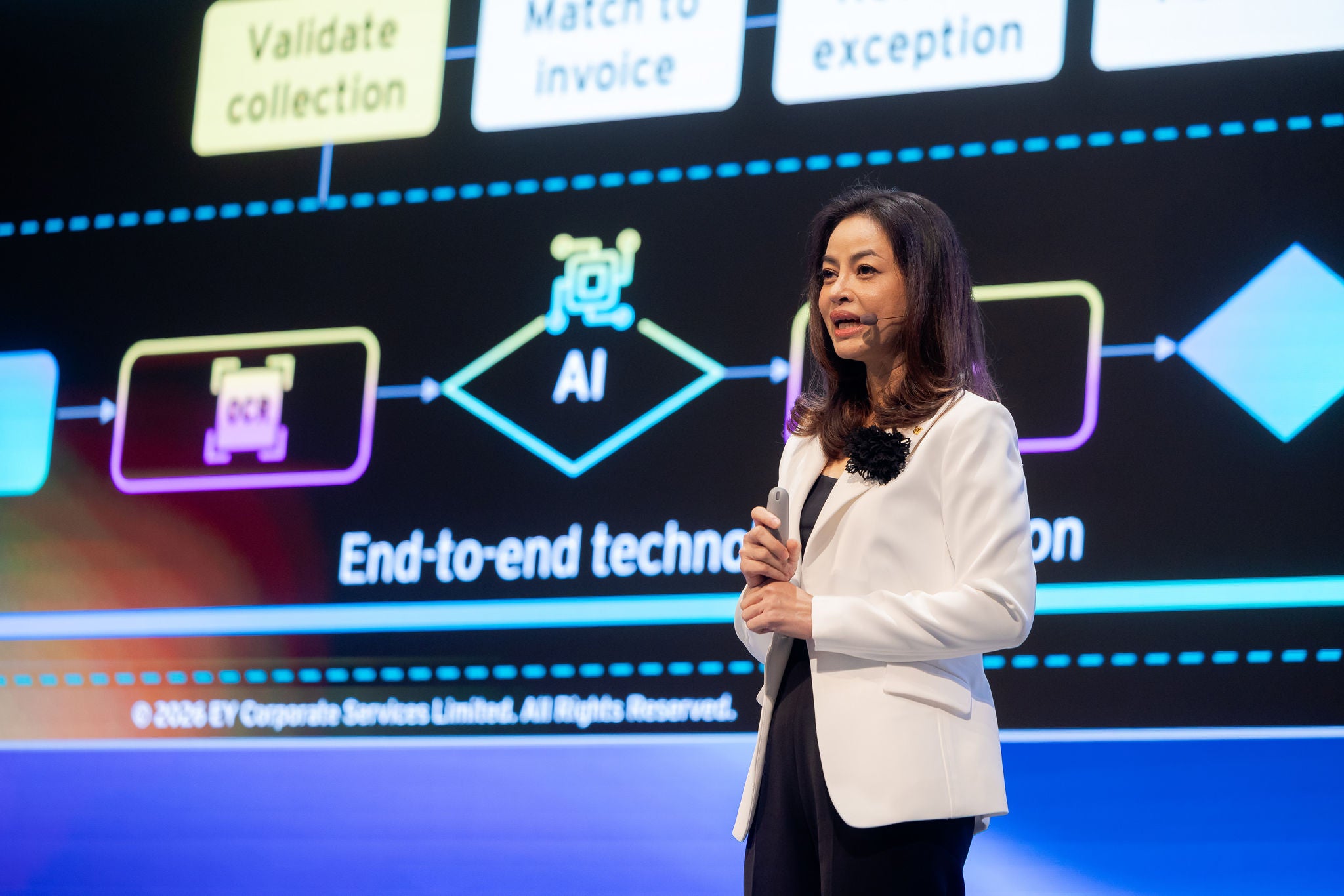
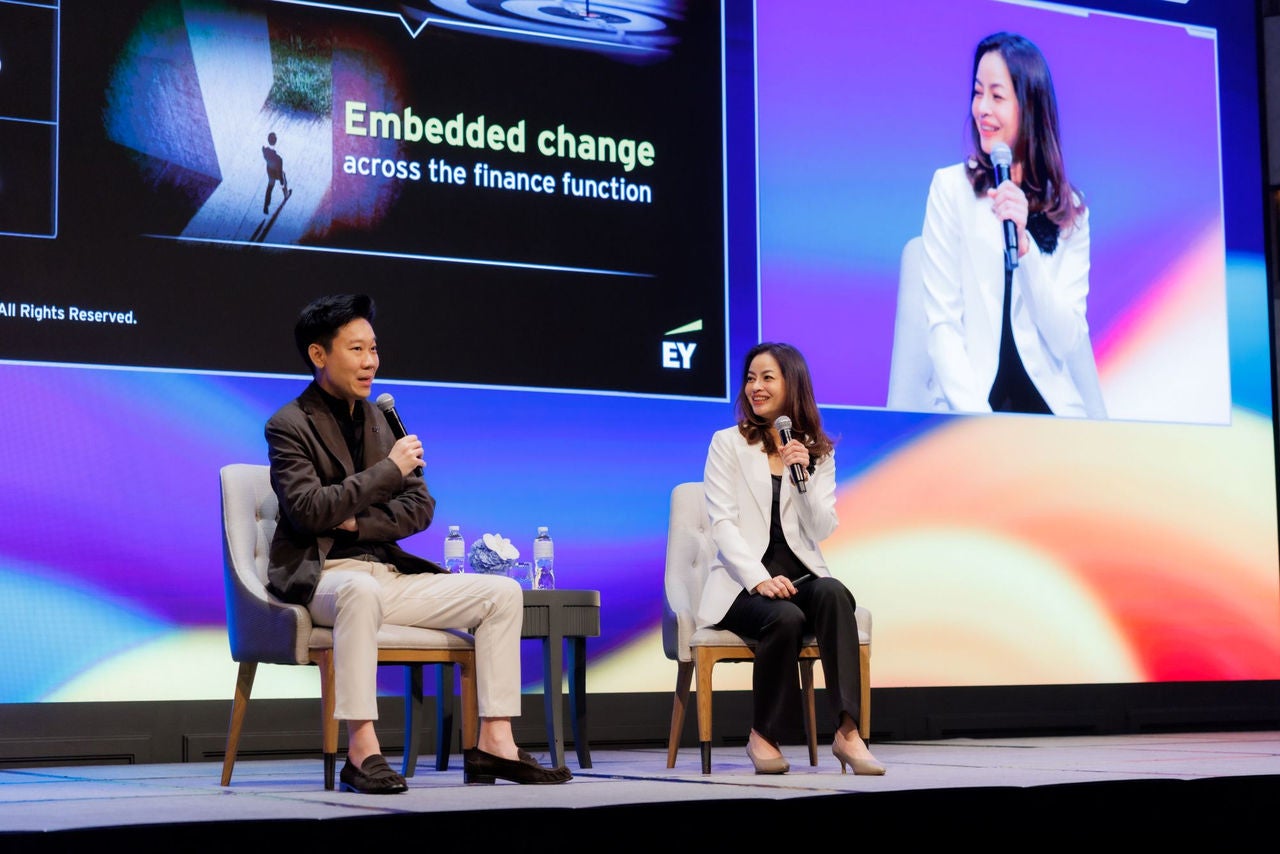
The forum continued with a Show and Share session titled “Resetting the Enterprise: How to Turn AI Ambition into Business Value,” led by Pajaree Saengcum together with Pornanan Kitjanawanchai, Assurance Partner. The discussion explored the transition from Generative AI to Agentic AI, where intelligent agents can increasingly execute end-to-end processes through AI orchestrators that connect data and systems across the organization. The speakers emphasized that the successful application of AI should begin with clear business objectives, rather than technology or individual use cases alone. Organizations must then align their processes, people and skills with their specific operating context. They also highlighted the role of the Forward Deployed Engineer, a specialized engineering professional who translates AI capabilities into practical business applications tailored to each organization’s needs, at the same time, organizations should strengthen the role of the Process Owner to provide oversight through the entire process. Human decision-making authority should nevertheless be retained at high-risk stages. To realize measurable returns from AI investments, organizations should assess their impact across three key dimensions: productivity, decision-making and financial performance. This approach can help organizations translate their AI ambitions into business value and deliver tangible outcomes.
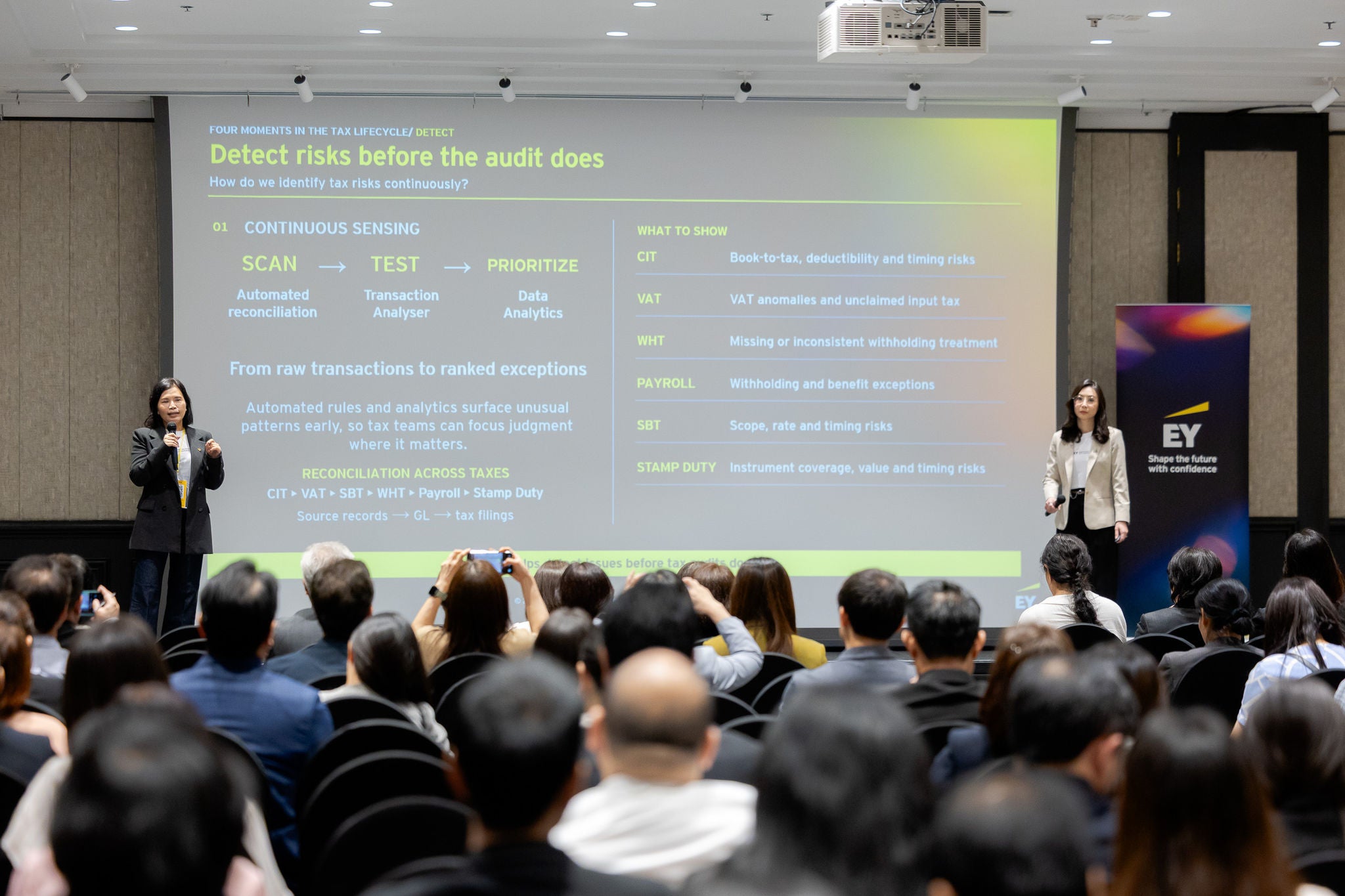
During the afternoon breakout sessions, participants selected topics most relevant to their interests and business priorities. Drawing on case studies and real-world experiences shared by EY professionals, the sessions covered strategies for developing and scaling Agentic AI to unlock enterprise value, applying AI to enhance confidence and maximize returns throughout the ERP transformation journey, and transforming tax and risk management functions to improve accuracy, robustness and agility. These sessions provided participants with further insights into how emerging technologies can be translated into tangible business outcomes.
In today’s business environment, competitive advantage is no longer created through transformation in a single dimension. Instead, it depends on the ability of CFOs to systematically connect trust, finance, tax, data, technology and people with enterprise strategy. CFOs must also help their organizations navigate increasingly complex standards, regulations and risks while harnessing data and AI to enhance efficiency and decision-making. By turning complexity into opportunity, translating the potential of technology into measurable value and driving The Reset Advantage, CFOs can play a central role in delivering meaningful enterprise-wide transformation.

EY CFO Forum 2026 received an overwhelmingly positive response, bringing together nearly 500 finance executives and business leaders to exchange insights and explore strategies for addressing emerging opportunities and challenges in the business environment. EY would like to thank all participants for their active participation, valuable contributions and continued trust and confidence in the organization. EY greatly appreciates the ongoing support and look forward to continuing these important conversations at future EY events.
EY CFO Forum is EY’s annual seminar and serves as a platform for Chief Financial Officers (CFOs) to gain insights from EY professionals and exchange knowledge, experiences and strategic perspectives as they prepare for rapidly evolving business challenges. Each year, a diverse range of topics relevant to the current business environment is carefully curated to ensure that the forum delivers meaningful and practical value to today’s financial leaders.
-ends-
About EY
EY exists to build a better working world, helping create long-term value for clients, people and society and build trust in the capital markets.
Enabled by data and technology, diverse EY teams in over 150 countries provide trust through assurance and help clients grow, transform and operate.
Working across assurance, consulting, law, strategy, tax and transactions, EY teams ask better questions to find new answers for the complex issues facing our world today.
EY refers to the global organization, and may refer to one or more, of the member firms of Ernst & Young Global Limited, each of which is a separate legal entity. For more information about our organization, please visit ey.com.
This news release has been issued by EY Corporate Services Limited, a member of the global EY organization.