

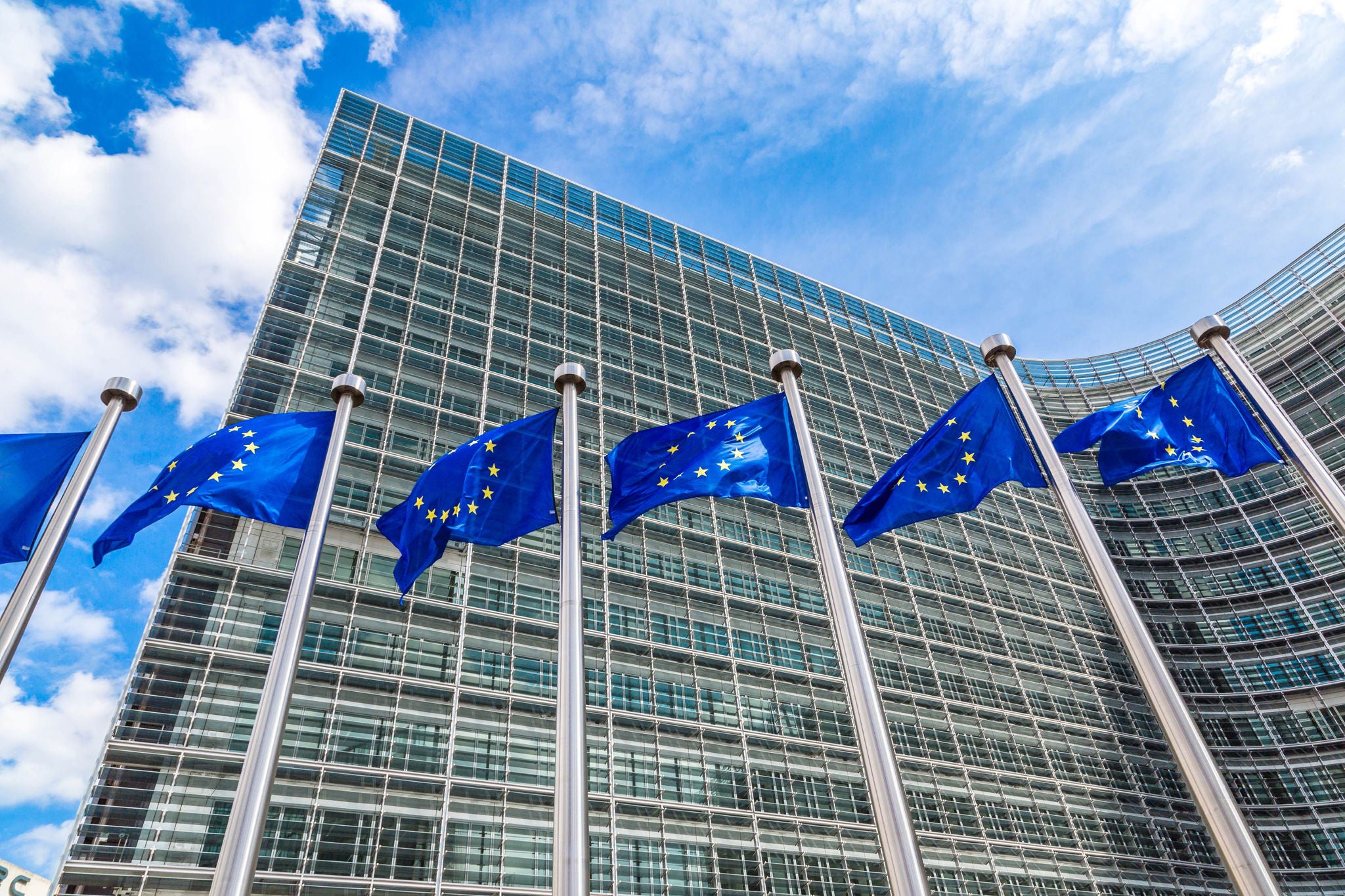

European flags in front of headquarters of European commission in Brussels

Cyber Risk in Focus as Ireland Prepares for the EU Presidency

As Ireland prepares for its EU Presidency, rising cyber and hybrid threats put government systems, infrastructure, and EU decision making in focus


In brief

  • Ireland’s EU Council Presidency will increase exposure to cyber espionage, disruption, and disinformation as government systems handle more sensitive data. 
  • The presidency elevates risk across public services, critical infrastructure, and globally connected technology and finance hosted in Ireland. 
  • Early preparation through NIS2 and DORA adoption, scenario testing, supply chain review, and hardened internet-facing assets supports resilience.

From July 2026, Ireland will hold the Presidency of the Council of the European Union. This means that for six months, Irish government departments and public bodies will sit at the centre of EU decision‑making. This prestigious role brings more meetings, more data, more communications, and more attention from outside the country.


It also brings a higher level of cyber risk. EU presidencies have become natural targets for state‑sponsored actors, disinformation, and digital disruption. Experience from recent presidencies shows that this activity rises before the term starts and stays elevated throughout. Adding to the tension, this moment comes with higher geopolitical and cyber risk as Europe lives with the economic, physical, and technological effects of ongoing global conflict.


Government systems always carry sensitive material. However, during the presidency Irish government networks are expected to handle a significantly increased volume of sensitive materials, diplomatic communications and intergovernmental exchanges. Public‑facing platforms will see heavier use.  


Any disruption to these communications can lead to impacts with national, EU-wide, or even global consequences. Even when systems keep running as normal, state actors may quietly read emails and collect information about EU plans and ongoing conflicts without drawing attention. Both forms of activity create risk during a period when decisions, timing, and trust are paramount.


Beyond government systems, Ireland hosts major global technology and financial companies, data centres, subsea cables, and critical infrastructure. Ireland’s significant role in ICT presents an additional avenue for state-sponsored disruption, potentially impacting the economy and EU-level decision-making during this vital timeframe.


Hybrid threats also warrant attention. The presidency period will see visits from Heads of State, diplomats, and other dignitaries. Recent incidents, such as the drone surveillance during President Zelensky’s visit to Dublin in December 2025  highlight the evolving nature of such threats and the potential for similar occurrences.


According to ENISA’s 2025 Threat Landscape report ongoing attacks predominantly target public administration, transport, digital infrastructure and services, finance, and manufacturing sectors (accounting for 53.7% of recorded incidents). Given these sectors are already highly targeted, proactive preparation is essential.

Looking at the current EU presidency held by Cyprus, public reports indicate:

  • Disinformation campaigns – a feature of modern national security and geopolitics, undermining confidence in media sources, democratic processes and expert advice - Cyprus warned of hybrid threats ahead of EU Presidency; government attributes video to 'organized propaganda' | in-cyprus.com
  • A rise in DDoS attacks, which can be disruptive or serve as diversions for more sophisticated malicious activities. Though often considered basic, these attacks are prevalent and impactful, often targeting public facing websites to serve as a show of force rather than aiming to impact critical infrastructures directly.
  • Increased cyber activity targeting government agencies. The Cyprus Digital Security Authority (DSA) has reported a significant increase in cyberattacks, intensified by Cyprus’s EU Council presidency role  (source: see Cyberattacks ‘daily phenomenon’ due to regional tension | Cyprus Mail).
  • A sustained state of operational readiness, necessitating close cooperation among state bodies, defence, and intelligence agencies.

The Cyber threat landscape is accelerating. Driven by AI based cyberattacks, release of frontier AI Cyber tools will continue into 2026, introducing new and complex threats that all nations will need to address in real time.

Recommendations for Irish Organizations and Governments ahead of the EU Presidency

  • Plan for a heightened cyber threat environment now. This is an imperative given the increased risk of nation-state cyber espionage and disruptive attempts.
  • Implement sector-specific regulatory requirements. Regulations such as DORA and NIS2 provide robust control frameworks that should be adopted proactively.
  • Conduct scenario testing of crisis response and recovery plans. Incorporate emerging threats from AI and frontier technologies into tabletop exercises and simulations across all organizational levels, from boardrooms to operational teams.
  • Assess supply chain and third-party risks. Identify critical suppliers and evaluate systemic vulnerabilities introduced by interconnected digital ecosystems.
  • Harden internet-facing assets. Adopt zero-trust principles emphasizing least privilege access, continuous monitoring, encryption, and device security.

Early engagement on cyber preparedness and operational resilience will be critical for organisations supporting Ireland’s EU Presidency through 2026 and beyond. 

EY supports organisations in preparing for this period of elevated risk.

Summary

Ireland’s forthcoming EU Council Presidency will place government systems and critical infrastructure under heightened cyber and hybrid threat. Early preparedness across cybersecurity controls, resilience planning, and supply chains is essential to protect national and EU‑level decision making.

About this article