

EY refers to the global organisation, and may refer to one or more, of the member firms of Ernst & Young Global Limited, each of which is a separate legal entity. Ernst & Young Global Limited, a UK company limited by guarantee, does not provide services to clients.
Recent Searches
Tai Ellis
Sea-Flux
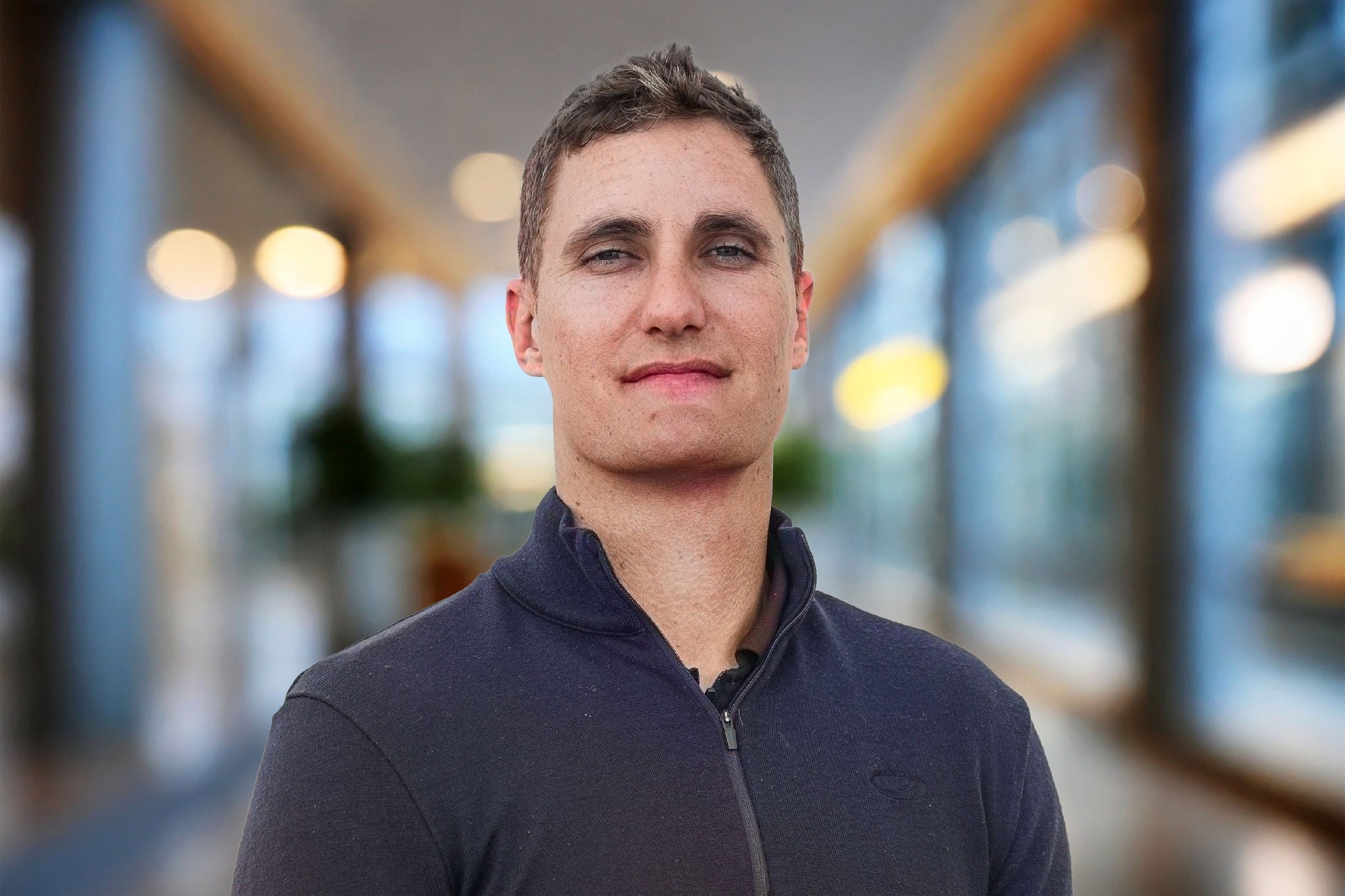
Before Sea-Flux had investors, customers or a full-time team, it had a captain, a developer working nights and a family willing to bet on what Tai Ellis had seen at sea. As a commercial diver and later one of New Zealand’s youngest fully qualified superyacht captains, Tai knew how much vessel safety still depended on paper manuals, scattered records and systems that failed when crews moved beyond reliable connectivity. The problem was not theoretical to him. It was part of everyday life offshore.
Tai had no formal technology background, but he knew the workflow. He personally funded a developer to build the first prototype, then used customer feedback from mariners to shape Sea-Flux into a cloud-based vessel management system for safety, compliance, maintenance and crew operations. The platform was built to work online and offline, giving operators a single source of truth whether a vessel was in port or out on the water.
The early years asked a lot of the Ellis family. Tai invested his own capital, his parents backed the business and later left their jobs to help sell and implement Sea-Flux across New Zealand, initially from a caravan. For three years, the family deferred salaries and reinvested revenue into the product. When Version 1 proved the market existed, Tai made the harder call to rebuild the platform from the ground up, bringing development in-house and launching Version 2 in 2026.
Sea-Flux now supports more than 1,500 vessels and 12,000 users across 16 countries, from fishing operators and ferries to Coastguard units and superyachts. The business has grown, but Tai’s measure of progress remains grounded in the realities of seafaring: fewer missed checks, clearer decisions and crews with the information they need when shore is no longer close.