Recent Searches




Leading the transformation of our energy system and society must start with leaders themselves.
In brief:
- Australia’s race to net zero is accelerating, but critical skills shortages in the energy sector could slow the pace.
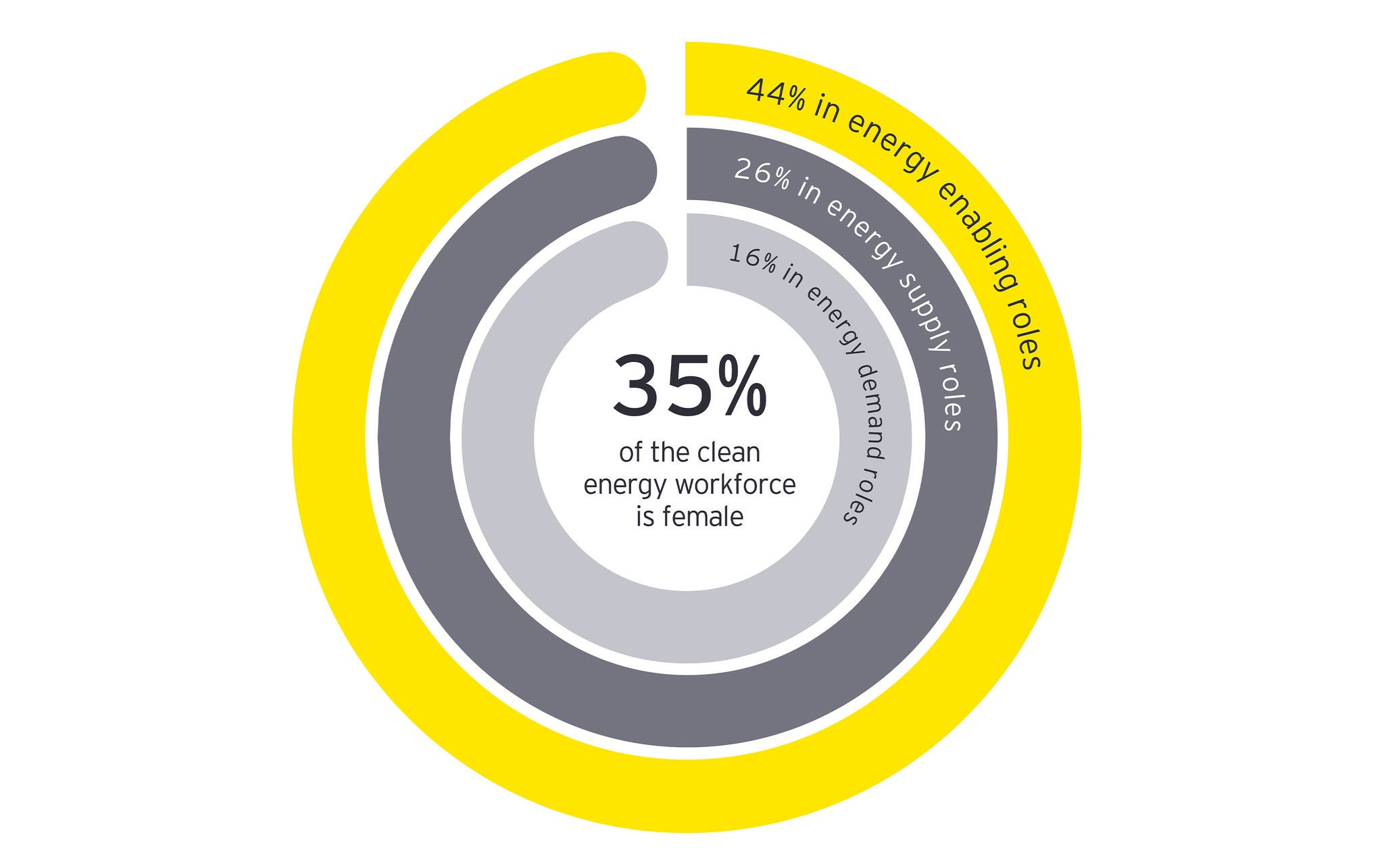
- Women make up just 35% of the nation’s clean energy workforce, and are underrepresented in high-skill and leadership roles.
- Leaders with transformational mindsets will play a pivotal role in driving change, building diverse and inclusive cultures, and fostering thriving workplaces.
Australia’s energy sector stands at a critical crossroads. As we look to the future and the nation’s net-zero emissions target by 2050, we face a road lined with immense opportunities and significant challenges. For the energy sector, one of the biggest obstacles is securing the skilled workforce needed to drive the clean energy transformation.
Australia’s energy sector – spanning generation, distribution, transmission and retail – is facing severe skills shortages. As a subset of the industry, Jobs and Skills Australia1 suggests that the clean energy supply workforce will need to grow from around 53,000 workers in 2023 to 84,000 by 2050.
One of the glaring gaps is the stark gender imbalance that prevents the sector from scaling. Women make up just 35% of Australia’s clean energy workforce and are underrepresented at every level, but especially in science, technology, engineering and maths (STEM)- related technical, trade and operational roles as well as in critical leadership roles. Unfortunately, this statistic worsens across the wider energy sector.
Powering up diversity in Australia’s energy sector
Source: Jobs and Skills Australia, 2023.
To attract and retain diverse talent, we must take a dual approach: expanding the talent pipeline, while also fostering workplace cultures that are safe, respectful and inclusive, so all people – especially women in all their diversity – can build thriving careers.
In 2024, the Champions of Change Energy Group commissioned EY to undertake an Energy Talent Pipeline Review to investigate strategies to increase women’s participation at all levels and through various pathways. The findings of this review are published in Paving the way: Creating strong talent pathways for women in energy.
The review focusses on breaking down barriers and creating opportunities for women across educational, vocational, lateral and international pathways into the sector. The actions are bold, practical, and demand industry-wide collaboration and a commitment to systemic change.
Leading through change
As collective efforts take shape, how can individual leaders step up?
A key insight from the review is the critical need for transformational leadership to shape workplace cultures.
In 2021, EY teams joined forces with the University of Oxford's Saïd Business School to undertake a multi-year study to investigate the conditions that support companies as they pursue ambitious transformation agendas. We wanted to understand why so many transformation efforts fail.
The future of transformation is human, published in 2022, revealed that 67% of senior leaders had experienced a failed transformation in the previous five years. The common denominator? Human behaviours and emotions at the heart of the change.
This research also uncovered six conditions that can boost the chance of transformation success by 2.6 times – from 28% to 73%. These conditions – which range from communicating a clear, purposeful vision to planning for the emotional journey – contribute to an environment where people thrive.
The takeaway from this research is clear. All leaders, especially those in rapidly evolving sectors like energy, must recognise that when their people feel supported, transformation is more likely to be successful.
In 2024, the second instalment of this research, revealed another critical insight: 96% of transformations hit a ‘turning point.’
Transforming leadership: Navigating turning points found leaders who successfully navigate turning points are 1.9 times more likely to outperform their KPIs. The secret? Developing an ‘early warning system’ that senses shifts in human emotions, alerting leaders before transformation veers off track. With this insight, leaders can decode these turning points and, using six proven conditions, guide their teams to turn challenges into momentum.
Our research suggests human-centred leaders with transformational mindsets are those who will build thriving workplaces and shape the future with confidence.
Shaping the future with confidence
Paving the way underscores the importance of ‘transformational mindsets’ in driving the necessary change. The research suggests that the successful execution of transformation will depend on energy leaders embodying specific behaviours, skills and mindsets. What does this look like?
- Lead with purpose: Connect the transformation to what people believe in, creating a shared vision that inspires commitment.
- Make ethical decisions: Draw on ethical frameworks to guide decision-making, ensuring integrity in every choice.
- Listen to learn: Proactively build high-trust relationships to understand and address concerns long before problems arise.
- Shape the environment: Create a culture that fosters high performance and deep learning, enabling individuals to thrive during transformation.
- Encourage open communication: Leaders often unintentionally suppress open communication about challenges. Addressing this dynamic is mission-critical.
- Co-create to problem solve: Facilitate collaboration by gathering all stakeholders in the same room, empowering them to address challenges collectively.
- Architect system shifts: Begin the real work of making the transformation program the new normal. Many initiatives falter when new ways of working are not sustained beyond the initial implementation.
To set the conditions for success, leaders must develop new transformational ‘muscle’ as they grow the pipeline of female talent. This will ensure they are equipped to foster diversity and inclusion, attract top talent, and cultivate an organisation that can embrace innovation and shape the future with confidence.
Full report
Read the report to learn key insights alongside actionable opportunities which can be pursued by key stakeholders in the energy sector and wider ecosystem.
Summary
To set the conditions for success, leaders must develop new transformational ‘muscle’ as they grow the pipeline of female talent. This will ensure they are equipped to foster diversity and inclusion, attract top talent, and cultivate an organisation that can embrace innovation and shape the future with confidence.