



EY refers to the global organisation, and may refer to one or more, of the member firms of Ernst & Young Global Limited, each of which is a separate legal entity. Ernst & Young Global Limited, a UK company limited by guarantee, does not provide services to clients.
Recent Searches

In this webcast, we explore the future of Nature-related reporting and offer insights into the trends and learnings from the first Group 1 reporters who have submitted their sustainability reports under AASB S2.
Since our last webcast, two major milestones have been reached in the sustainability reporting landscape. The International Sustainability Standards Board (ISSB) has confirmed it will draw on the Taskforce on Nature related Financial Disclosures (TNFD) Framework as it considers future nature-related standard setting, reinforcing TNFD as the leading global reference point for nature-related risk and opportunity assessment. In addition, Australia’s first cohort of Group 1 reporters has submitted its inaugural mandatory sustainability reports under AASB S2, providing early insight into how organisations are navigating new disclosure expectations in practice.
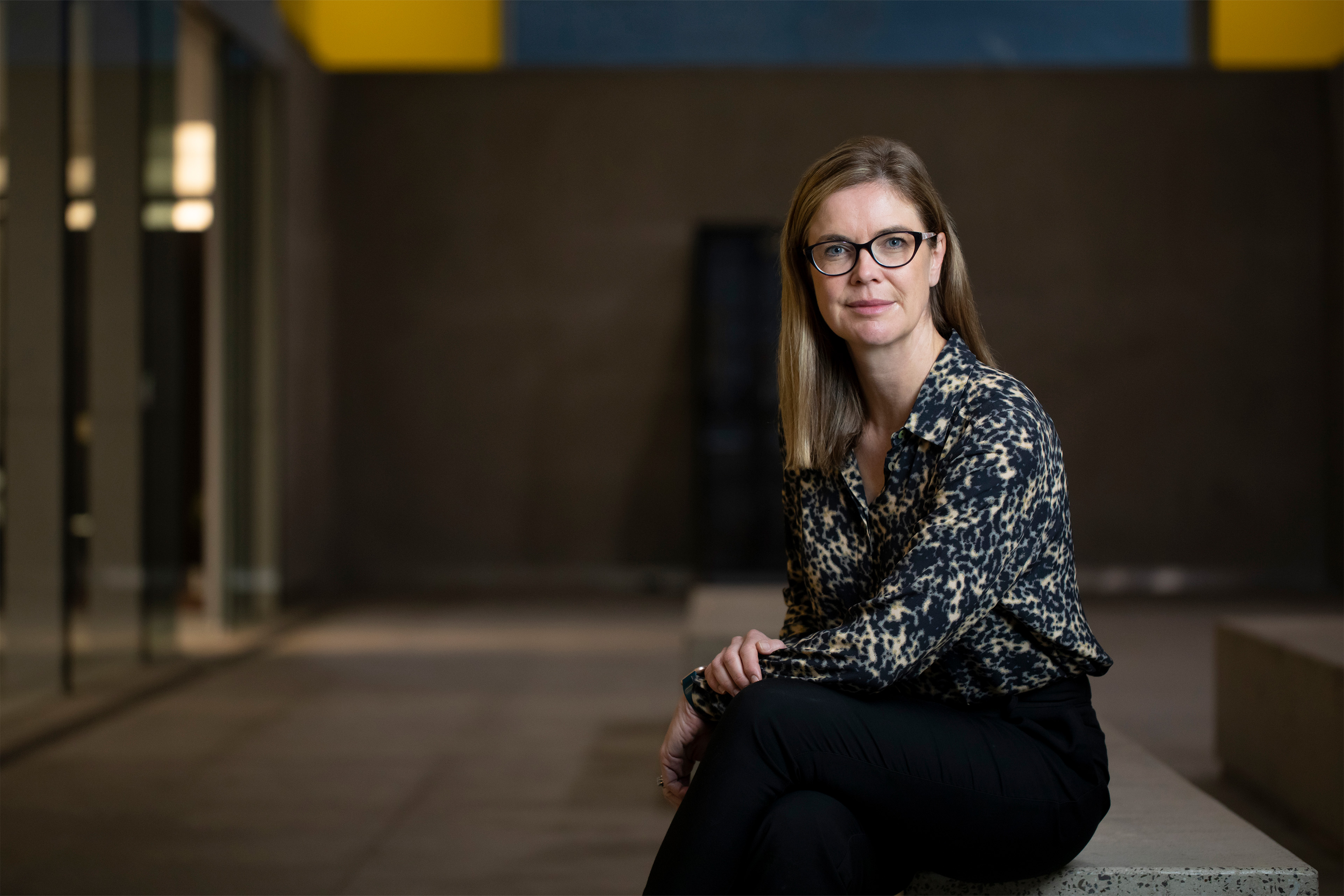
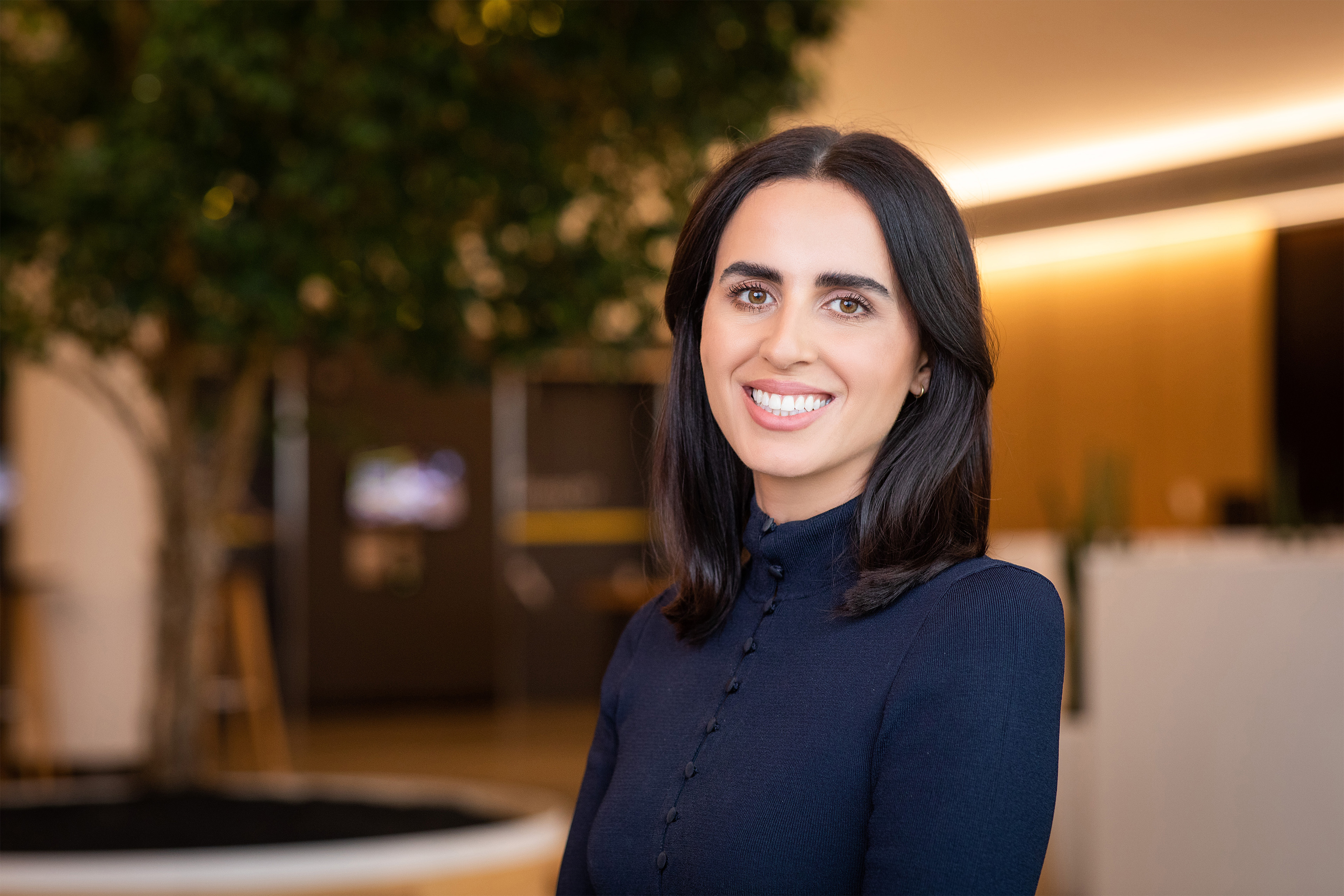
In this special edition of the Sustainability Disclosure Hub webcast series, we are delighted to be joined by Tony Goldner, CEO of TNFD, and Alexandra Banks, EY Global Nature Leader. Together, they explore global adoption trends, emerging challenges, and practical lessons from early reporters, including key areas of complexity and common sticking points.
Topics discussed include:
- Latest developments on the reporting of nature-related risks and opportunities.
- What we are learning from the global uptake of the TNFD framework, including how organisations are applying it in practice and the most common challenges encountered.
- How organisations can leverage their experience and existing processes under AASB S2 to support future alignment with ISSB nature-related disclosure standards.
- Trends arising from the first round of Group 1 reporters (including in-bounds) and the issues we observed reporters grappling with, including scenario analysis, targets and other metrics.
Presenters
Webcast
Time
your local time
Related webcasts
Date