



EY refers to the global organization, and may refer to one or more, of the member firms of Ernst & Young Limited, each of which is a separate legal entity. Ernst & Young Limited is a Swiss company with registered seats in Switzerland providing services to clients in Switzerland.
Recent Searches
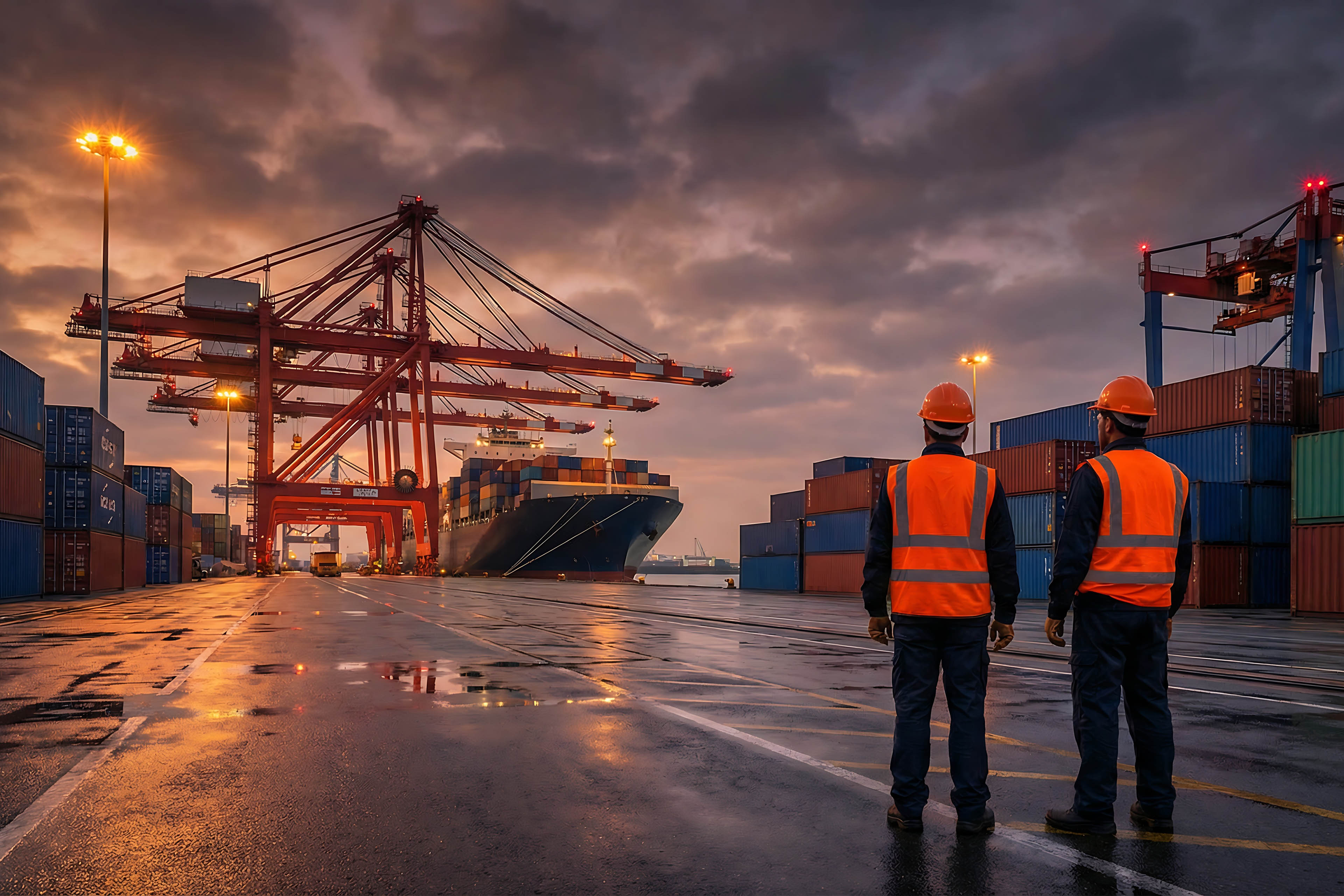
Trade automation can reduce risk, cut costs and accelerate growth. Find out how organizations are unlocking the full potential of this technology.
In brief
- Manual trade processes increase risk, cost and can lead to delays, as global regulations become more complex.
- Successful trade automation requires accurate data, strong governance and integration across systems and functions.
- Automation turns compliance into a competitive advantage by reducing risk, improving supply chain resilience and lowering compliance cost.
For many organizations, global trade has become a balancing act between growth and compliance. Expanding into new markets offers opportunities to increase revenue, diversify supply chains and strengthen competitiveness. At the same time, companies must navigate an increasingly complex web of tariffs, customs requirements, export controls, sanctions regimes and free trade agreements. What was once often an operational function focusing on administrative tasks has evolved into a strategic capability that can directly affect operational performance, profitability and business resilience.
Manual processes are increasingly exposing organizations to delays, compliance risks and rising operational costs. Companies that continue to rely on fragmented systems and labor-intensive workflows are finding it harder to keep pace with regulatory change and maintain efficient cross-border operations.
As global trade becomes more complex, trade automation offers organizations an opportunity to leverage compliance as a strategic advantage. By integrating compliance controls into core business processes, companies can reduce risk, improve supply chain resilience and lower the long-term cost of compliance. The question is no longer whether trade automation delivers value, but how organizations can realize that value at scale.
How do manual trade processes affect business performance?
What may appear to be isolated administrative inefficiencies often translate into delayed shipments, increased compliance risk, higher operating costs and missed opportunities to optimize duties and trade agreements.
Manual processes create inefficiencies that may appear negligible viewed in isolation but have a material cumulative impact on cost, compliance and operational performance.
Many organizations have invested heavily in enterprise resource planning (ERP) systems to automate procurement, sales and logistics activities. Yet trade compliance often remains disconnected from these broader digital initiatives. As a result, trade teams frequently spend valuable time manually reconciling data, validating information and coordinating across multiple systems and stakeholders.
As trade compliance becomes more closely linked to operational resilience and business performance, automation is increasingly becoming a business necessity rather than a technology upgrade. However, recognizing the need for trade automation is easier than implementing it successfully. Organizations often encounter a series of obstacles that can slow progress or derail initiatives altogether.
Can in-house teams manage evolving regulations across all relevant jurisdictions?
One of the most persistent challenges for successful automation is evolving regulatory complexity. Trade regulations change constantly and often differ significantly between countries and regions. Compliance teams must monitor evolving requirements while ensuring that operational processes remain aligned with current rules. Without a structured approach supported by technology, maintaining compliance becomes increasingly difficult as organizations expand internationally.
Is trade data accurate and well governed?
Data quality presents another major hurdle – after all, automation is only as effective as the information that powers it. In many organizations, critical trade data is incomplete, inconsistent or inaccurate. Products may lack proper tariff classifications. Country-of-origin information may be outdated or unavailable. Trade-related data may be spread across multiple systems with little governance or standardization.
Establishing strong data governance practices is therefore a critical prerequisite for automation success. Assigning clear ownership for trade data, defining quality standards and implementing governance processes can significantly improve the effectiveness of future automation initiatives. Without these fundamentals, even sophisticated technology solutions may struggle to deliver expected results.
Automation is only as effective as the information that powers it.
Ashish Sinha
Partner, Global Trade and Operating Model Effectiveness, Ernst & Young AG
Does the organization have the technology and alignment needed to support automation?
Global trade automation often requires integration with several feeder systems as well as interfaces to third parties, including customs authorities, customs brokers and customer or supplier portals. Establishing consistent data flows across this ecosystem can require significant effort. At the same time, budget constraints, legacy technology and organizational silos can create additional barriers to change.
Just as importantly, successful automation requires alignment across multiple business functions, including tax, logistics, procurement, supply chain, legal and IT. Organizations that establish collaborative governance structures are often better positioned to align priorities, resolve data issues and accelerate automation efforts. When trade compliance remains isolated within a single department, opportunities for broader operational improvement can be missed.
These are just some of the barriers that explain why successful trade automation is not simply a one-off technology project. It involves an organizational transformation that requires alignment across people, processes and systems.
Building an integrated trade automation ecosystem
The organizations making the greatest progress with trade automation typically begin by strengthening the foundations of their trade operations. They start by understanding where inefficiencies and risks are rooted within current trade processes. This assessment helps identify high-value opportunities for automation while creating a roadmap for broader modernization. By improving data quality, establishing governance structures and aligning stakeholders across the business, they create an environment in which automation can deliver sustainable value at scale.
Why integrative approaches are key to effective trade automation?
As organizations’ automation strategies become more mature, the focus naturally shifts from isolated improvements to integrated, end-to-end processes. At this stage, many companies begin evaluating specialized trade compliance and customs management platforms that can connect disparate systems, centralize trade data and automate critical compliance activities.
Across industries, organizations are increasingly moving away from fragmented compliance processes toward integrated trade automation ecosystems. Rather than treating trade compliance as a standalone function, leading companies are embedding compliance controls directly into procurement, supply chain, logistics and sales processes. This shift reflects a growing recognition that trade automation can support both compliance and business performance.
The market offers a growing range of trade compliance and customs management solutions designed to support global trade operations. While capabilities vary by provider, leading platforms share a common goal: creating a unified framework that enables organizations to manage trade compliance, customs processes and regulatory requirements across the enterprise. Solutions such as SAP Global Trade Services (SAP GTS), for example, allow organizations to connect systems, centralize trade data and automate critical compliance activities.
Turning compliance into a competitive advantage
The compliance benefits of an integrated trade automation ecosystem are equally significant. Modern trade automation platforms automate business partner screening (including the screening of the ultimate beneficial owner – UBO) against denied-party lists, perform embargo checks and validate transactions against export control regulations several times and are fully integrated into the procure-to-pay and order-to-cash process. By embedding these controls directly into sales, procurement and logistics workflows, organizations reduce compliance risk while improving overall efficiency and competitiveness.
How can automation extract a competitive edge from customs management?
Automation can also be extended into customs management to streamline import and export declarations and reduce the administrative burden associated with cross-border trade. Instead of relying on manual exchanges of documents and emails, organizations can implement electronic communication with customs authorities and/or integration with customs brokers to enable automatic data flows between systems, accelerating customs clearance and improving operational efficiency.
How can organizations unlock duty savings and trade agreement benefits?
Advanced trade automation solutions can automate much of this analysis needed to capture duty savings and trade agreement benefits, helping organizations determine product eligibility under free trade agreements, generate certificates of origin and identify opportunities to reduce duty costs. These capabilities can improve product competitiveness while reducing the administrative effort required to manage complex trade agreement programs.
What additional value can trade automation deliver?
Beyond compliance and customs, trade automation platforms can support specialized customs procedures and regulatory reporting requirements. Organizations can manage customs warehousing, free trade zones and inward or outward processing programs more effectively while maintaining the documentation and reporting needed to satisfy regulatory obligations. Automated reporting capabilities can further reduce administrative effort, improve audit readiness and enhance data accuracy.
How can organizations maximize the value of trade automation?
The most effective trade automation programs combine advanced platforms with broader organizational capabilities. Organizations need to continuously monitor regulatory changes, maintain accurate data and invest in employee training. Furthermore, they need to modernize legacy infrastructure and create governance frameworks that support compliance, transparency and accountability. These foundations not only help organizations realize the full value of automation today, but also prepare them to adapt to future technological and regulatory developments.
The evolution of trade automation
With strong data, governance and technology foundations in place, organizations are better positioned not only to automate today’s compliance requirements but also to adapt to the changing demands of global trade.
What role will AI and emerging technologies play?
Emerging technologies are likely to accelerate this evolution. Artificial intelligence and machine learning are already beginning to play a bigger role in trade operations, supporting risk assessment (e.g. in denied party screening), anomaly detection and post clearance audits. As these technologies mature, organizations with the right fundamentals in place will gain new opportunities to identify compliance risks earlier, improve decision-making and further reduce manual effort.
What’s the impact of evolving regulation?
At the same time, trade compliance itself is expanding beyond traditional customs and export control requirements. Sustainability-related regulations such as CBAM (Carbon Border Adjustment Mechanism) and supply chain due diligence obligations, e.g. EUDR (EU Deforestation Regulation), are becoming increasingly important components of global trade management. Organizations will need advanced automation capabilities that can incorporate these new obligations to maintain operational efficiency and ensure compliance.
Organizations that act now stand to gain a major competitive edge
Trade automation is no longer simply a technology initiative. As regulatory requirements multiply, geopolitical uncertainty persists and supply chains become increasingly interconnected, automation is becoming a business imperative.
Organizations that invest in accurate data, integrated systems and automated controls can do more than reduce compliance risk. They can strengthen supply chain resilience, improve operational efficiency, optimize cash flow and accelerate market access.
The challenge for business leaders is no longer whether to automate, but where to begin. They need to evaluate the maturity of their trade automation, identify the gaps that limit performance and establish a roadmap for transformation. Whether the first step is improving master data quality, automating compliance screening or selecting a trade automation solution, progress begins with action. Organizations that build these capabilities today will be better positioned to navigate tomorrow’s regulatory landscape, unlock greater operational efficiency and turn global trade compliance into a lasting strategic advantage.
Those who view trade automation not just as a one-off compliance effort, but as a strategic capability, will be better positioned to succeed in the new international trade environment.
Jonathan Baumeler
Director, Global Trade & Sustainability | EY Switzerland
Summary
As global trade becomes more complex, trade automation is evolving from an operational necessity into a strategic business capability. By replacing manual processes with integrated, technology-enabled workflows, organizations can improve compliance, accelerate customs activities, reduce costs and gain greater visibility across international trade operations. Success depends on strong data governance, cross-functional collaboration and effective system integration. Advanced automation platforms help companies manage compliance, customs procedures and trade agreement benefits while preparing for emerging requirements such as sustainability reporting. Organizations that invest in trade automation today will be better positioned to gain a competitive edge.
How EY can help
-
Our flexible EY Trade Connect technology platform can help your business view its trade operations with clarity and act with precision. Learn more.
Read more -
Our indirect tax and global trade team can help your business strategically meet its tax obligations and resolve tax controversy. Find out more.
Read more -
EY Global Trade Managed Services can help businesses manage costs, speed supply chains and reduce risks of their trade operations. Find out more.
Read more