

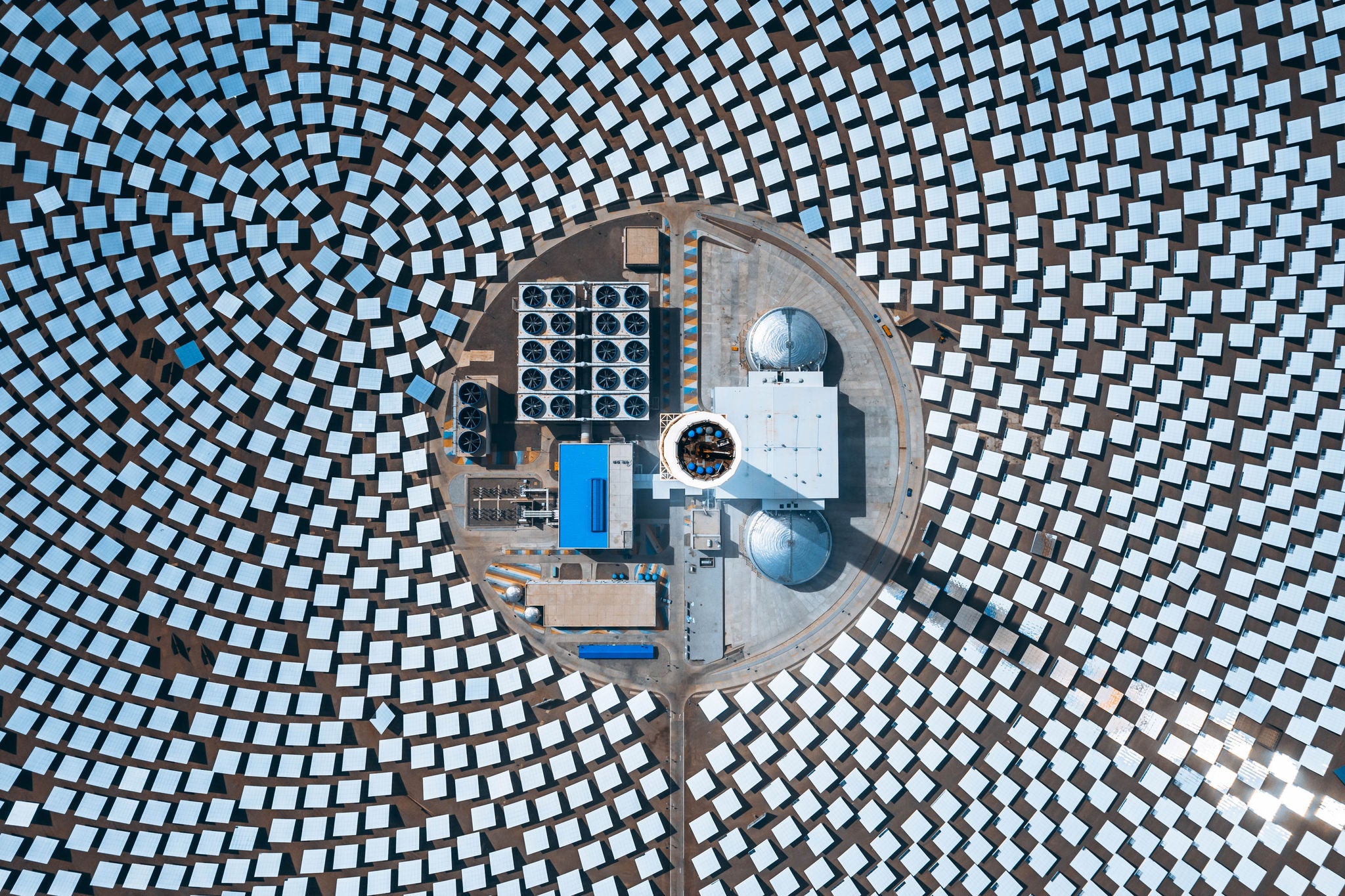

Drone Point View of Solar and Thermal Panels

How smart meter data and new energy services will empower future customers

Smart meters and smart tech will empower customers to optimise energy use, join markets, and shape a flexible energy future.


In brief

  • By 2030, smart meters will enable dynamic pricing, energy insights, and services—driving up to 30% demand-side flexibility in Ireland.
  • EU policies support active customers using PVs, EVs, and heat pumps to share energy and join flexible energy markets and communities.
  • Secure data access and smart home tech will let customers optimise usage, engage in demand response, and influence the energy transition.

As we look towards 2030, ambitious targets have been set across the island of Ireland, aiming for net zero emissions by 2050. These goals are outlined in the Climate Action Plan in the Republic of Ireland and the Energy Strategy Action Plan in Northern Ireland. A fundamental aspect of achieving these ambitions is the decarbonisation of the power sector, which is currently undergoing significant transformation to respond whilst maintaining security of supply.

To maintain system balance amidst the growing reliance on intermittent and decentralised generation, the availability of flexible resources is becoming increasingly critical. The National Energy Demand Strategy (NEDS) in Ireland has established targets for achieving up to 30% demand-side flexibility by 2030. Active participation from customers and communities will be essential in reaching these targets.

Leveraging smart meter capabilities

Smart meters will serve as a core foundational component in empowering customer participation in flexibility. They provide the data and in-home connectivity that is essential for enabling customers to access enhanced energy insights, dynamic pricing, and advanced energy services. With nearly two million smart meters installed in Ireland and plans for a future rollout in Northern Ireland, the technological advancements and data availability will accelerate the introduction of innovative products and services for customers across the island.


Central to this transformation is the introduction of new policy and market frameworks, some of which will facilitate customers in sharing their smart meter data with energy service providers. This access will enable them to take advantage of new products and services and ultimately participate actively in future energy markets.


The active customer

Building on the smart meter foundation, the rise of new connected technologies in the home – such as domestic photovoltaic (PV) systems, electric vehicles (EVs), and heat pumps – emphasises the need for active customer participation in the energy landscape. EU policy is creating market frameworks that will allow active customers to share excess renewable energy with others or as part of an energy community. These customers will also gain access to energy markets to provide flexible responses.


This active participation will be supported by data access and the integration of smart technologies within homes, enabling advanced energy services. Such developments will democratise smart insights, allowing consumers to adjust their energy usage in ways that best suit their lifestyles. Additionally, smart home energy management systems will empower consumers to participate in explicit demand response schemes.

A vision for the active customer

The active customer can:

  • Export excess renewable generation to the network and be remunerated
  • Share renewable energy as part of an ‘energy community’ or directly with other active customers
  • Leverage ‘smart technologies’ to participate in wholesale and flexibility markets
  • Share their smart meter data to avail of energy services from approved third parties
  • Have separate energy suppliers for demand such as EV charging, e-heat, and household consumption


How to respond

As the energy market evolves, there are significant opportunities to maximise customer participation: 

By harnessing data and connected devices in their homes, significant opportunity exists for customers to participate in the future energy market. Organisations that proactively engage customers and provide an experience that includes innovative products and services, alongside the security and privacy measures that modern consumers expect, will position themselves at the forefront of the energy transition.

The article was first published in Energy Ireland Yearbook 2025.

Summary

Ireland aims for net zero emissions by 2050, with smart meters enabling 30% demand-side flexibility by 2030. These devices empower customers through data-driven insights, dynamic pricing, and energy services. EU policies support active participation via technologies like PVs, EVs, and heat pumps. Customers can export energy, join communities, and access tailored services—transforming them into key players in a decentralised, flexible energy market.

Related content

Adapting to Change: How Providers can meet the new Energy demands of Irish Businesses

Energy providers need to adapt to rising business energy demand in Ireland. EY research shows how they can support growth and sustainability for companies.

    About this article

    Authors

    Contributors