How can regional communities attract new residents? - Strategies to promote relocation and dual-base living

How can regional communities attract new residents? - Strategies to promote relocation and dual-base living


Related topics

We analyzed a survey of 10,000 people, aged 18-69, from across Japan to see if tourism can foster lasting ties between urban and rural communities. Can it promote permanent or temporary relocation to these areas of depopulation?

The report offers insights into regional policies and explores the journey from tourism-driven visits of an exchange population to sustained involvement of a connected population in rural communities. What motivates households to consider dual-base living or relocation?


In brief

  • Approximately 30% of respondents are interested in dual-base living, driven by younger Japanese people.
  • Tourism creates a desire to relocate, with close to half of respondents considering a move involving a transfer of their residence registration.
  • Consistent tourism policies across the country are crucial for successful relocation and dual-base living initiatives.


A 2024 study by Japan’s Population Strategy Council found that the number of Japanese women in their 20s and 30s is expected to more than half between 2020 and 2050, endangering the continued existence of 744 municipalities. Despite a modest improvement on the 896 municipalities identified in 2014, the latest figures are striking: there is a risk that 43% of Japan’s 1,729 municipalities will disappear.1


In an effort to curb the population shift to Tokyo, the Japanese government announced its Third National Land Spatial Strategy. Approved by the cabinet on 28 July 2023, it includes measures to “expand the flow of people from urban to rural areas and promote a new rural revival.” In 2024, the government also revised the Act on Development of Regional Infrastructure for Wide-area Revitalization to support policies encouraging both relocation and dual-base living.


While relocation and dual-base living are key components in encouraging resettlement outside Tokyo, the debate has also shifted towards the creation of an “exchange population,” described as temporary visitors for tourism, and a “connected population,” individuals who maintain ongoing engagement and contribute to the vitality of a region without relocating there on a permanent basis.


This report uses survey data to examine how to foster ties between urban areas and rural communities, which will promote dual-base living and permanent relocation. It also assesses what differences exist between people interested in dual‑base living and those interested in relocation, and explores pathways to keep regions vibrant and sustainable.

Online survey: overview

Date: 19 to 30 September 2025

Method: Online survey conducted by a research company on behalf of EY

Participants: 10,000 individuals, aged 18 to 69 and living in Japan’s 47 prefectures. The survey included 40 participants from every prefecture for each of five age brackets: 18 to 29, 30 to 39, 40 to 49, 50 to 59, and 60 to 69. However, in Tottori, there were 35 respondents aged 18 to 29.
 

How to increase the exchange population

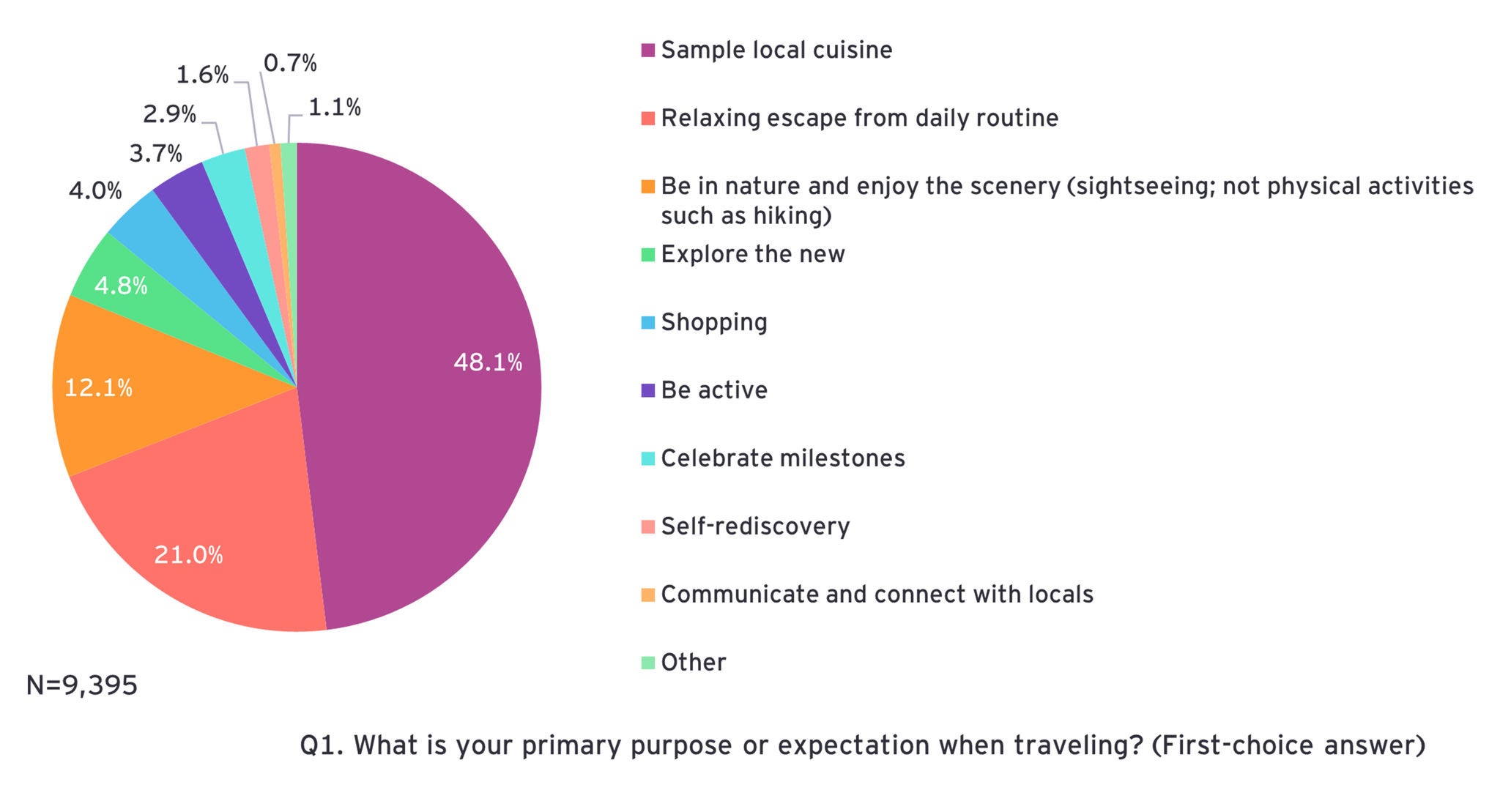
Over 75% of travelers gave “sample local cuisine,” “relaxing escape from daily routine,” and “be in nature and enjoy the scenery” as their main purpose for travel.


ey-regional-depopulation-relocation-survey-1

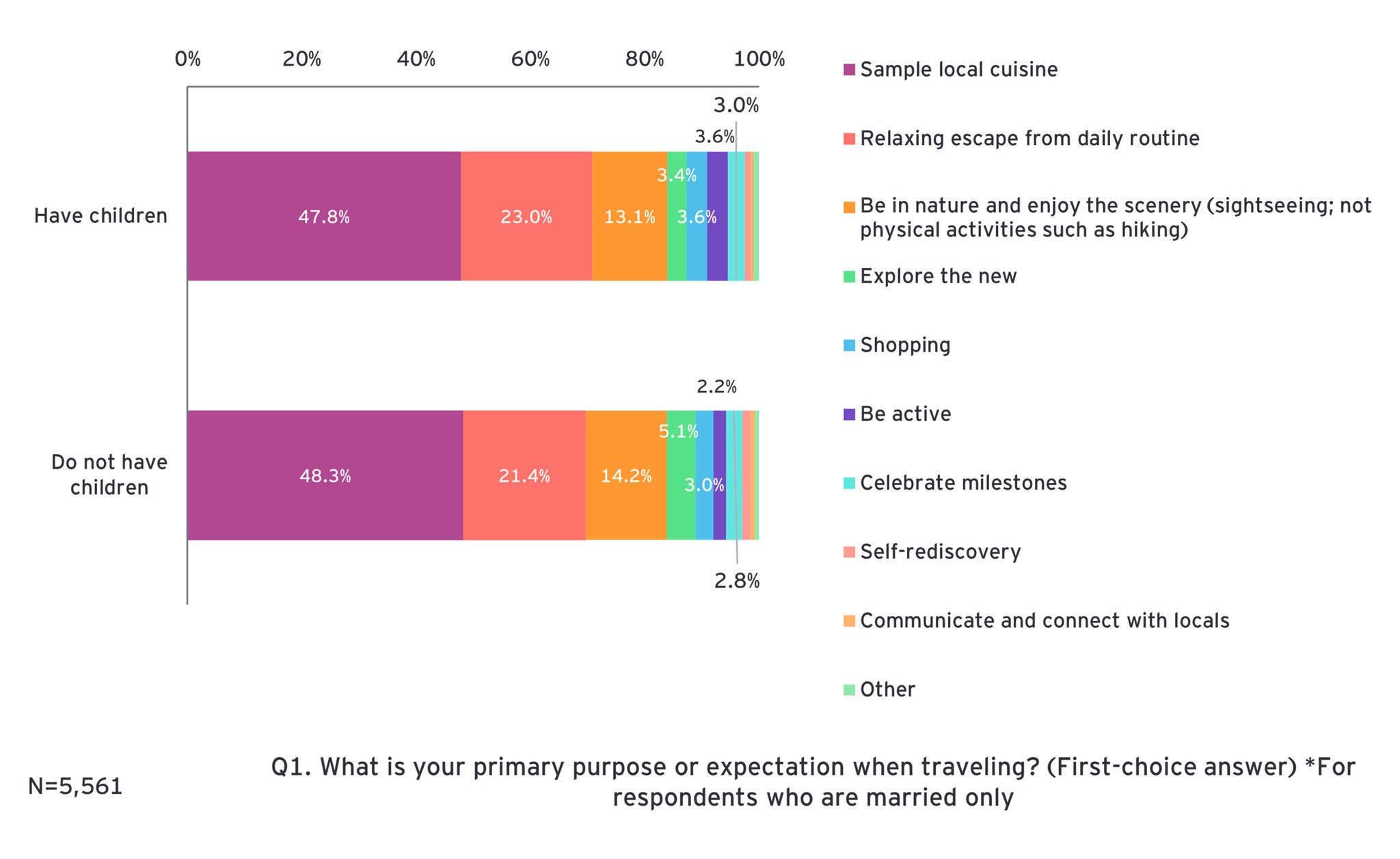
Households with children showed a stronger preference for a “relaxing escape from daily routine,” although the overall ranking of the purpose for travel was unchanged. This may reflect a desire among parents to step back from the demands of daily childcare, while also offering children the chance to experience environments outside their usual routines.

ey-regional-depopulation-relocation-survey-2

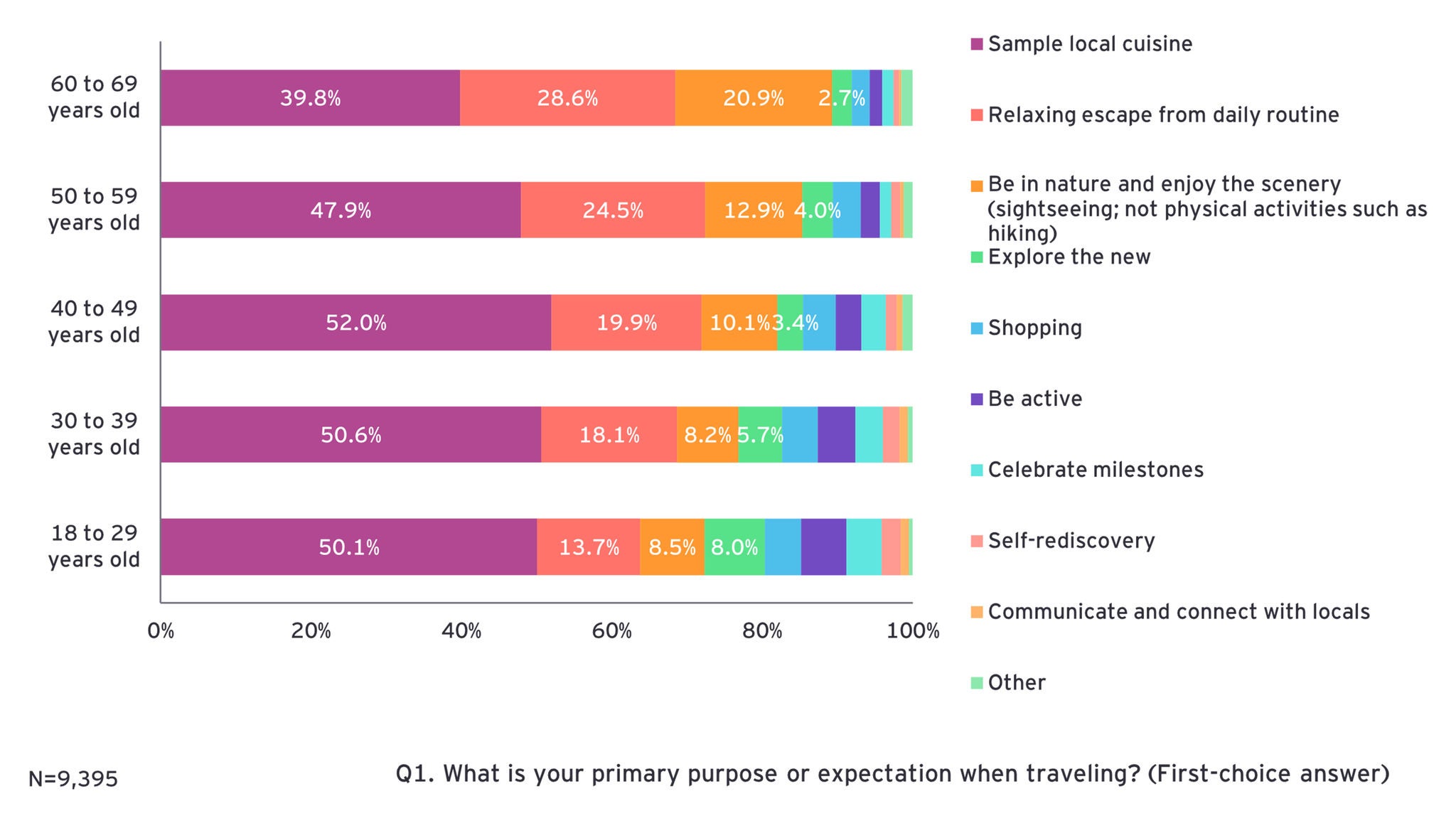
The percentage of people who wanted to prioritize a “relaxing escape from daily routine” and “be in nature and enjoy the scenery” increased with age, while younger people showed a stronger inclination to “explore the new,” “shopping,” “celebrate milestones” and “self-rediscovery.” These results should serve as a starting point for efforts to attract a younger demographic to regional areas.

ey-regional-depopulation-relocation-survey-3

How to expand the connected population

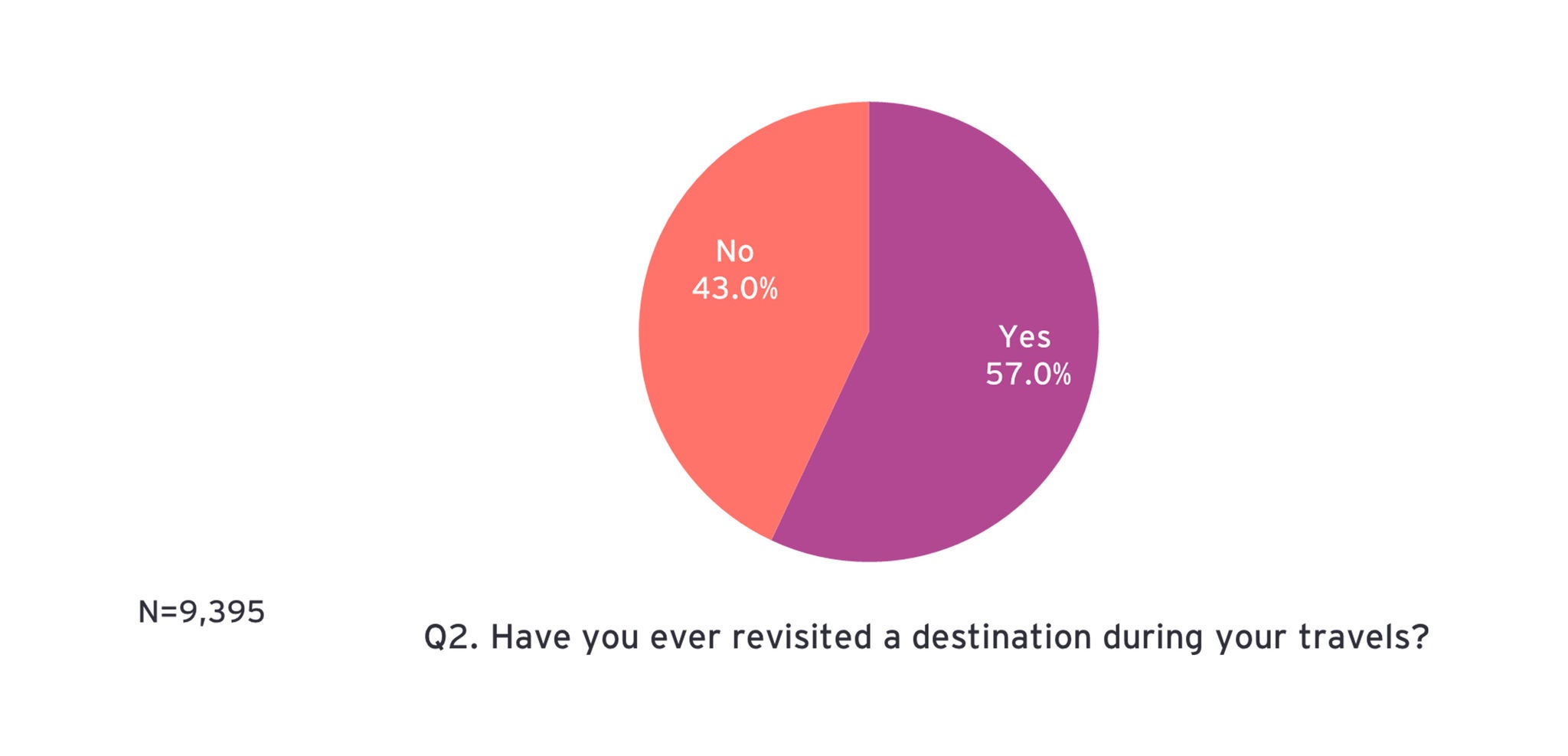
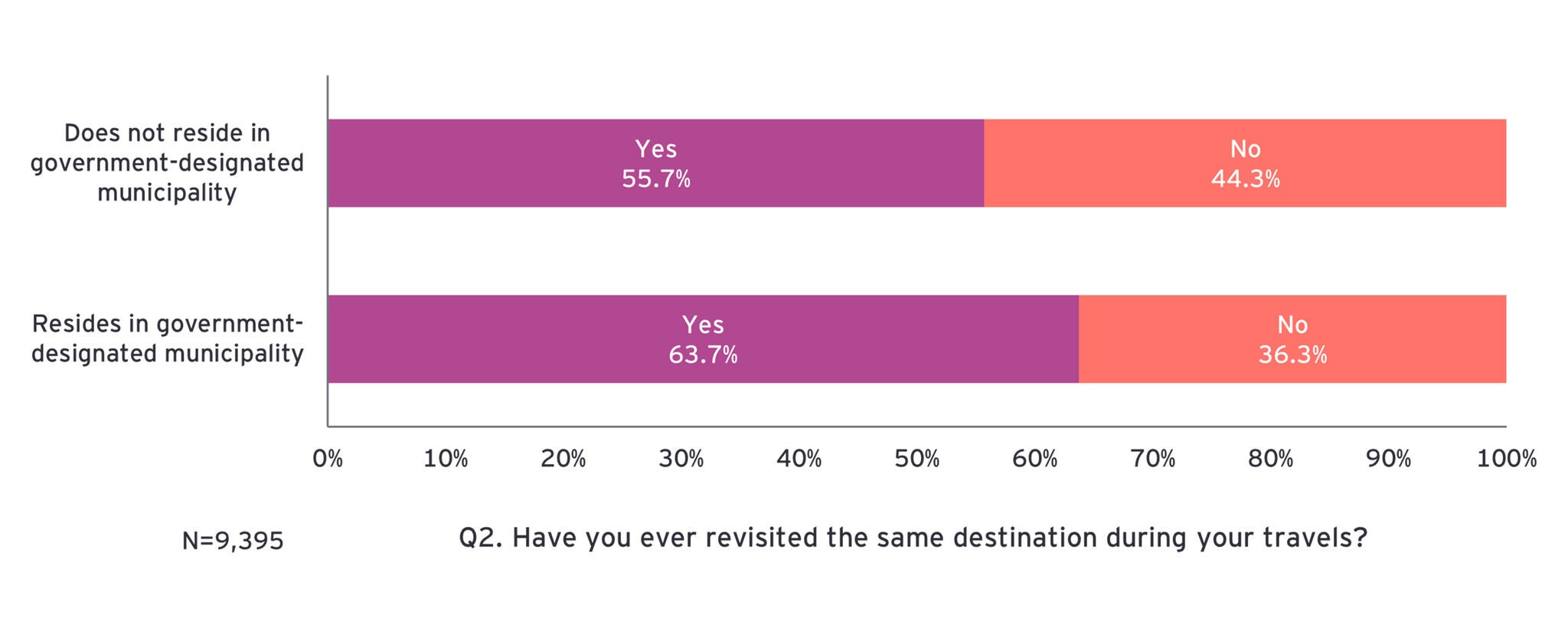
A key factor in strengthening the connection between a region and its visitors is how often people return to a location. Almost 60% of people have made multiple visits to the same region, with an even stronger trend seen among residents of large cities, particularly those living in government-designated municipalities with a population of at least 500,000.

ey-regional-depopulation-relocation-survey-4
ey-regional-depopulation-relocation-survey-5

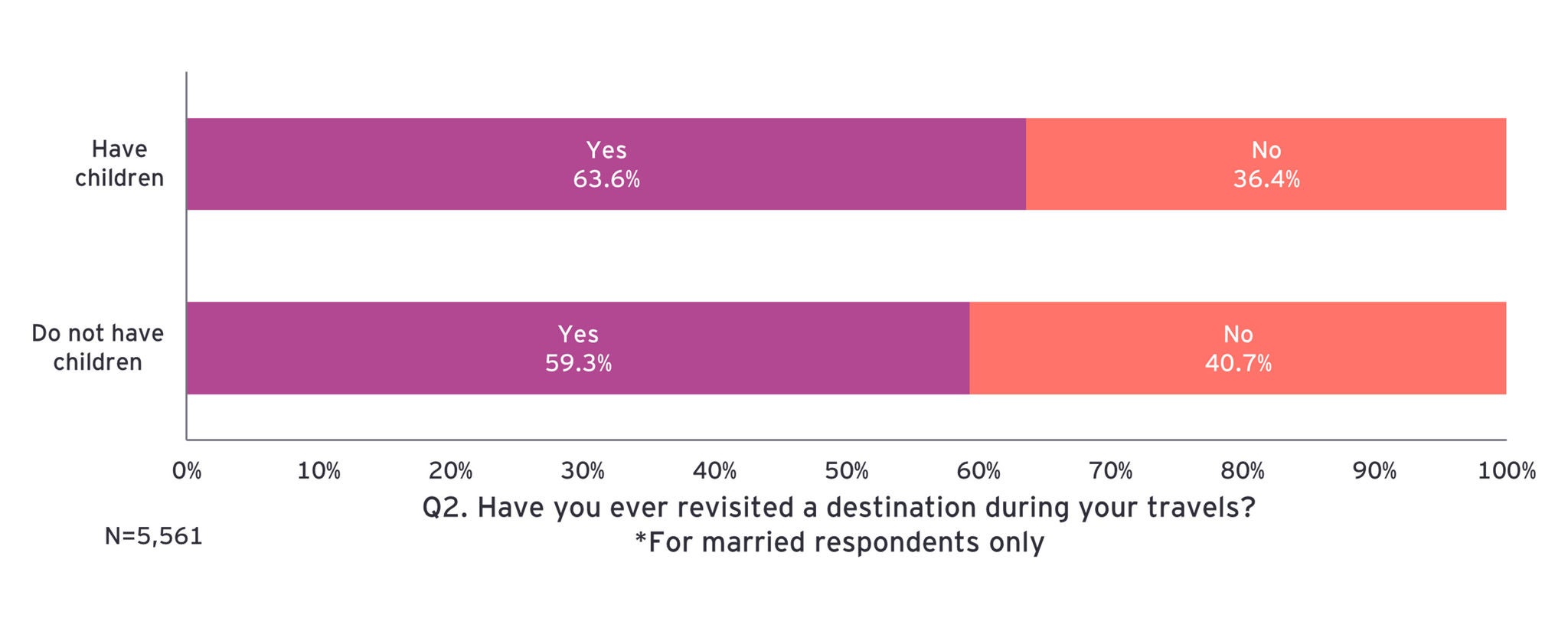
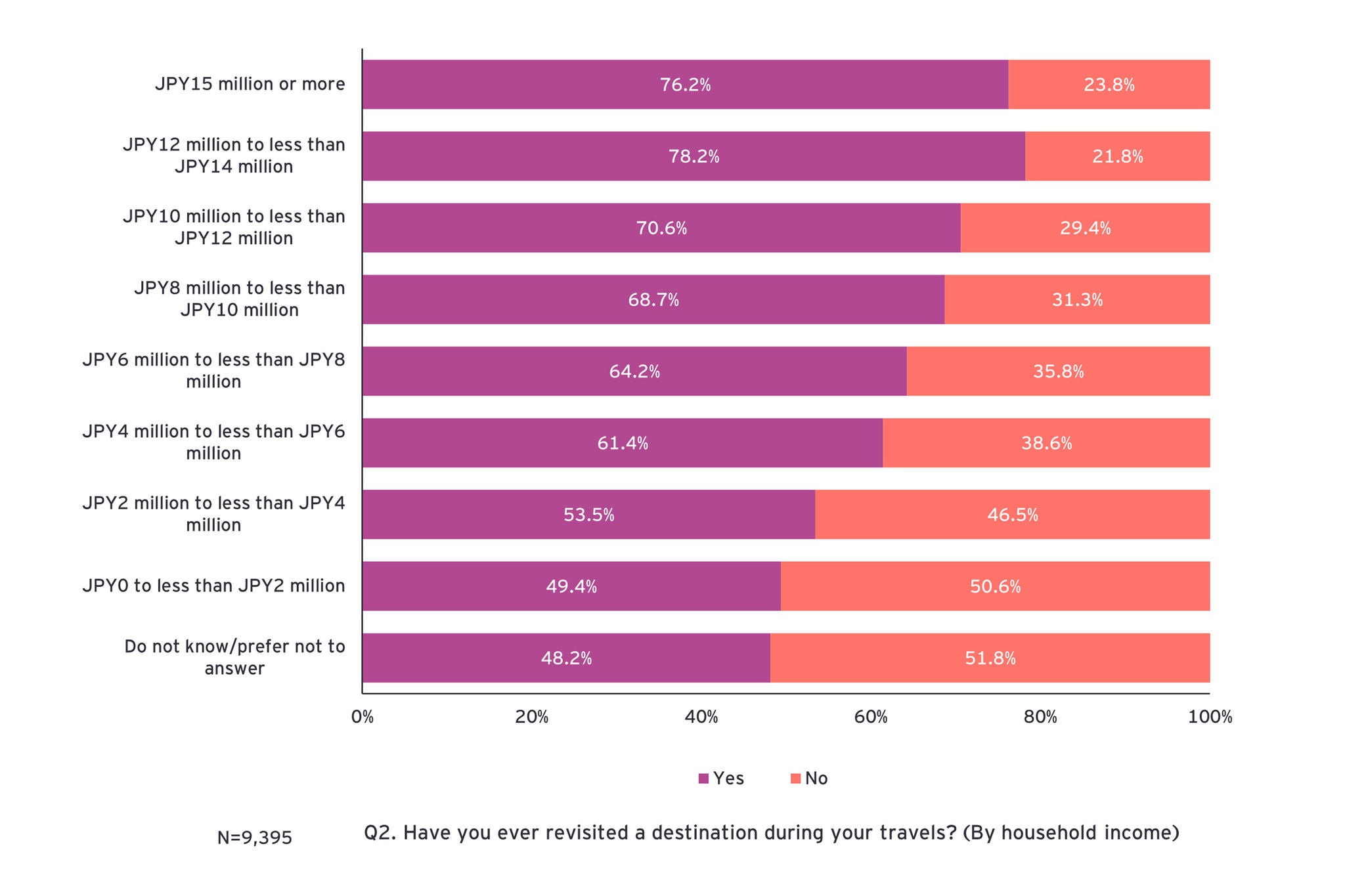
The survey showed that households with children and higher income groups are more likely to revisit a location.


ey-regional-depopulation-relocation-survey-6
ey-regional-depopulation-relocation-survey-7

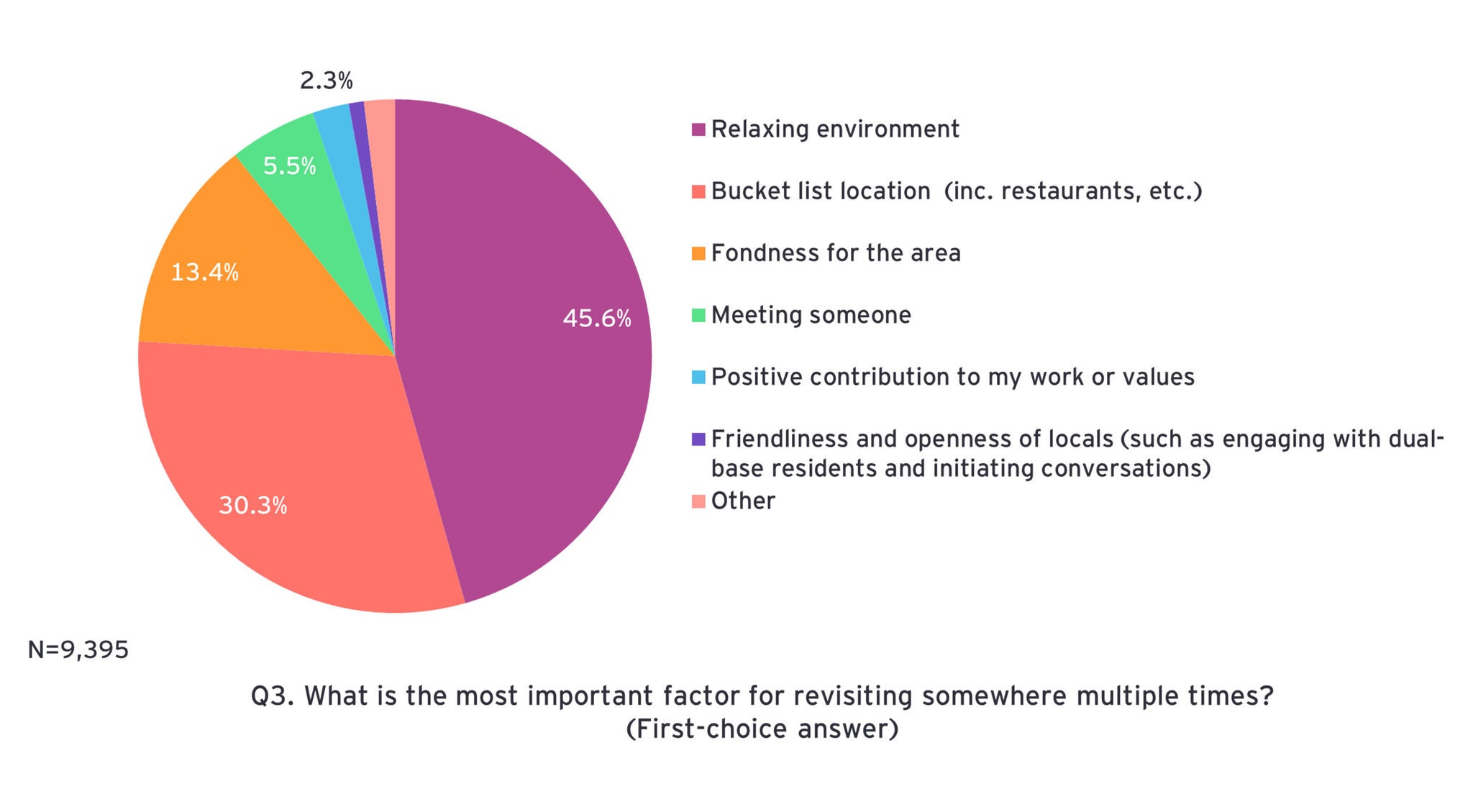
Why do they return to the same location? More than 75% of respondents identified a “relaxing environment” and “bucket list location” as the primary reasons, followed by a “fondness for the area.”

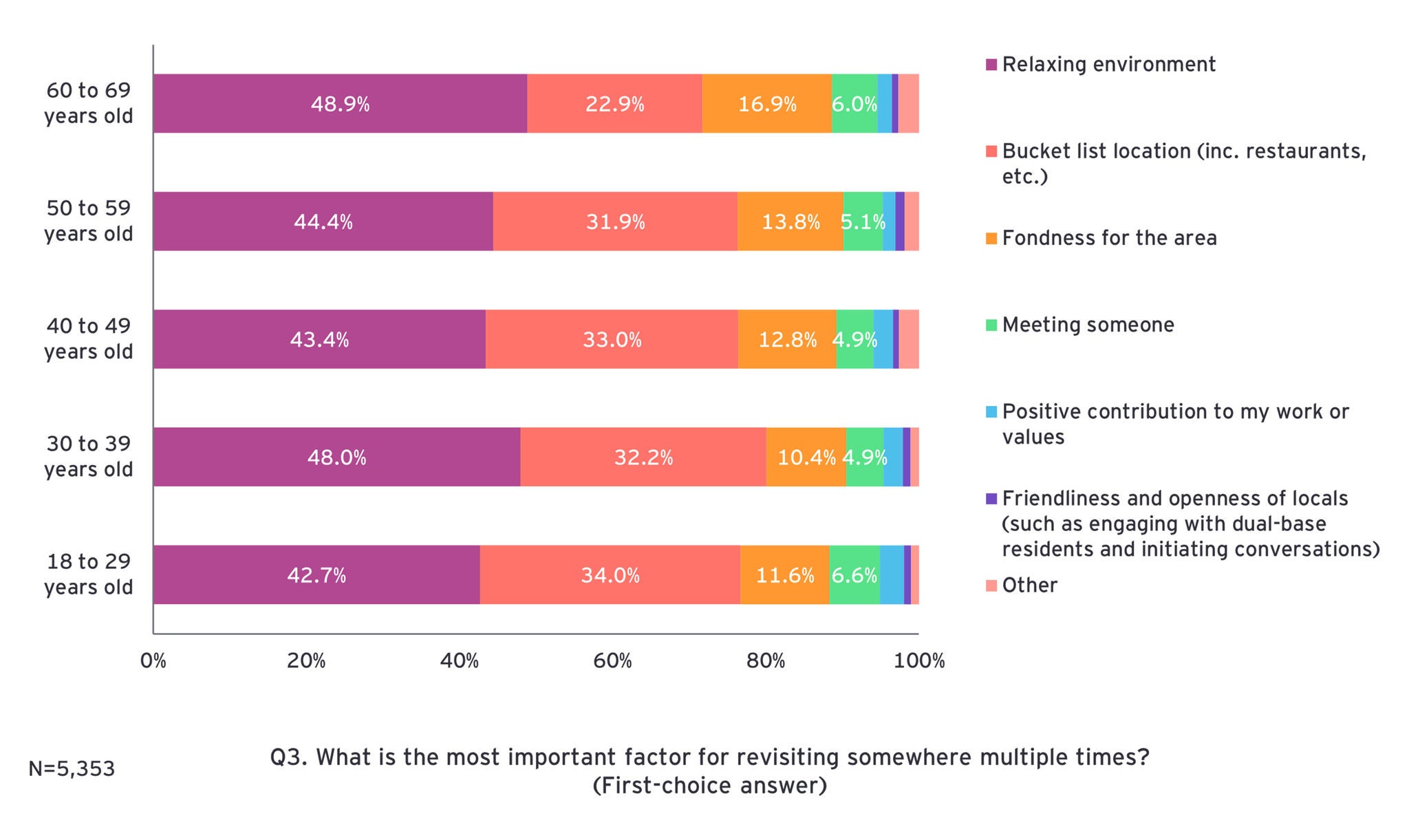
It’s also noteworthy that as age increases, “interest in the area” becomes a more common reason for returning. However, there is no data to confirm whether “fondness for the area,” is the result of frequent visits when younger or an underlying motivation in its own right. Nevertheless, a traveler’s impression of a region is a key factor in attracting repeat visitors.

ey-regional-depopulation-relocation-survey-8
ey-regional-depopulation-relocation-survey-9

How to encourage uptake of dual-base or multi-base lifestyles

As mentioned, local governments have introduced policies that promote dual-base living in recent years, in parallel with a wave of initiatives at the regional level.

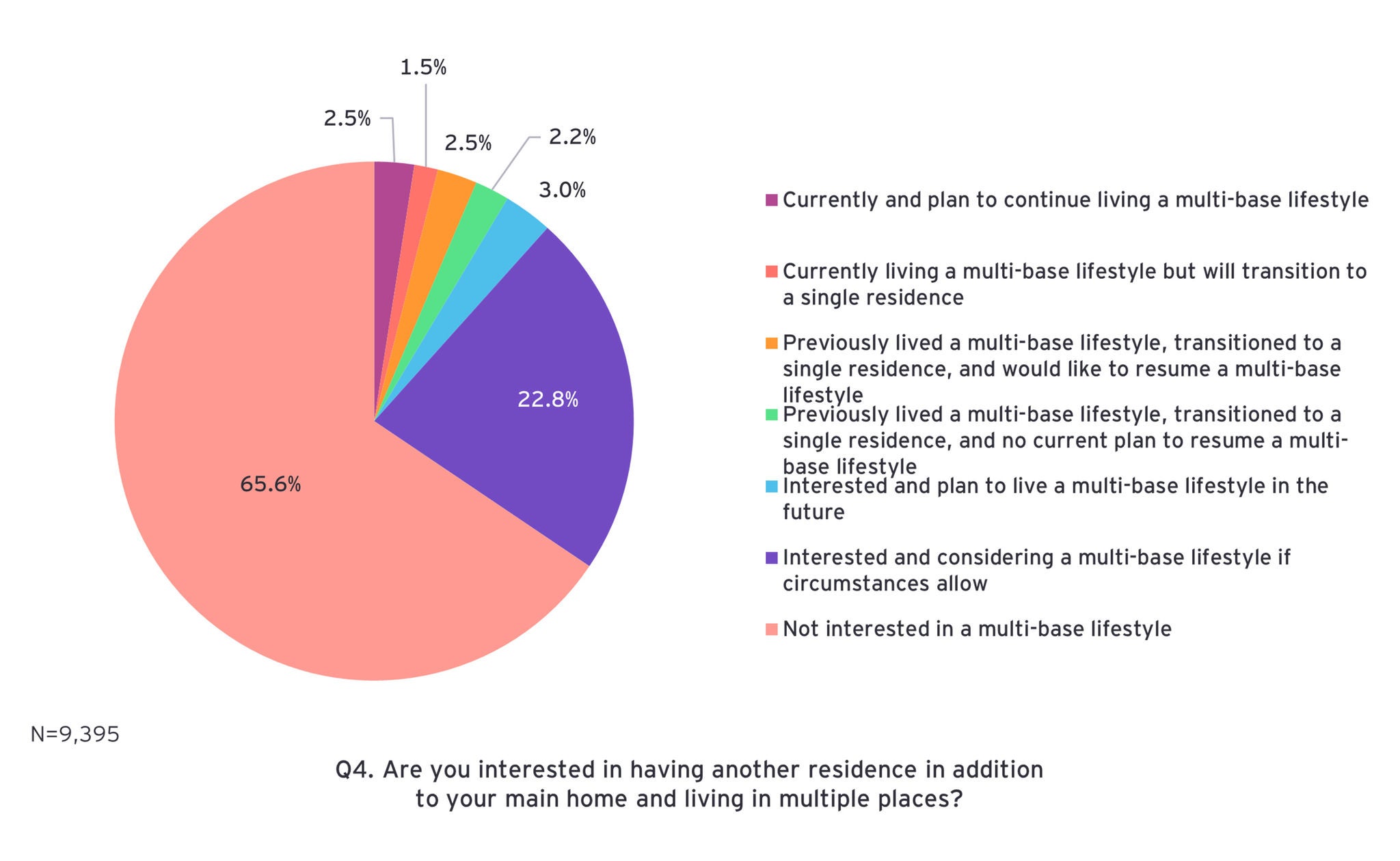
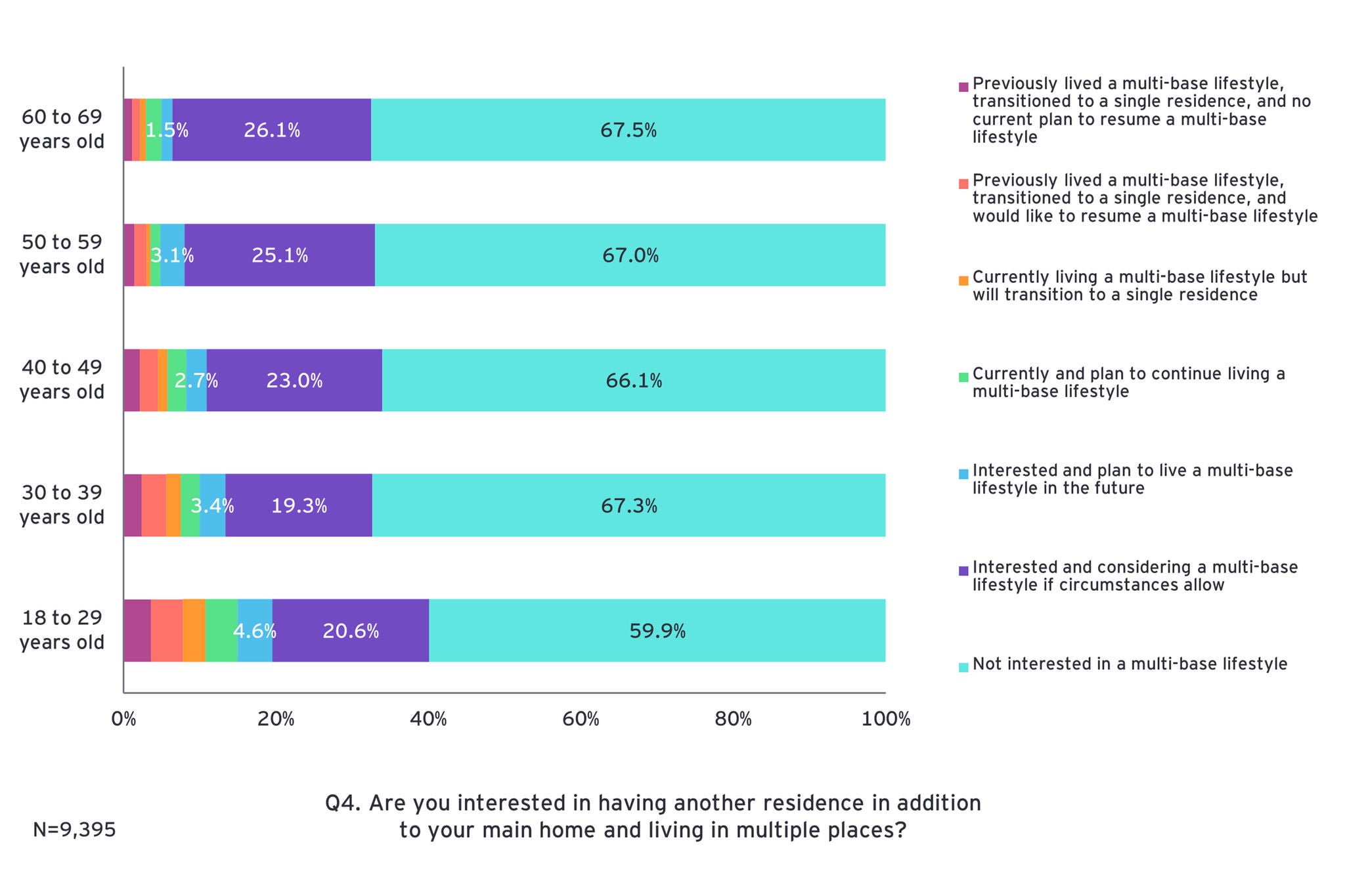
So, how much interest is there in dual-base living? 8.7% of respondents are “currently living,” or have “previously lived,” a multi-base lifestyle in addition to their primary residence. A further 3.0% are “interested and plan to live in a multi-base lifestyle in the future,” while 22.8% are “interested and considering a multi-base lifestyle if circumstances allow.” In total, 30.8% of respondents could embrace multi-base living in the future. Although a direct comparison is not possible as the survey groups differ, there was interest from 27.9% of respondents in a previous questionnaire by Japan’s Ministry of Land, Infrastructure, Transport and Tourism,2 a slightly lower figure than the 28.3% reported in this survey.3 Taking into account those who already maintain dual-base arrangements, 30% represents a sizeable market for a dual-base lifestyle.

ey-regional-depopulation-relocation-survey-10

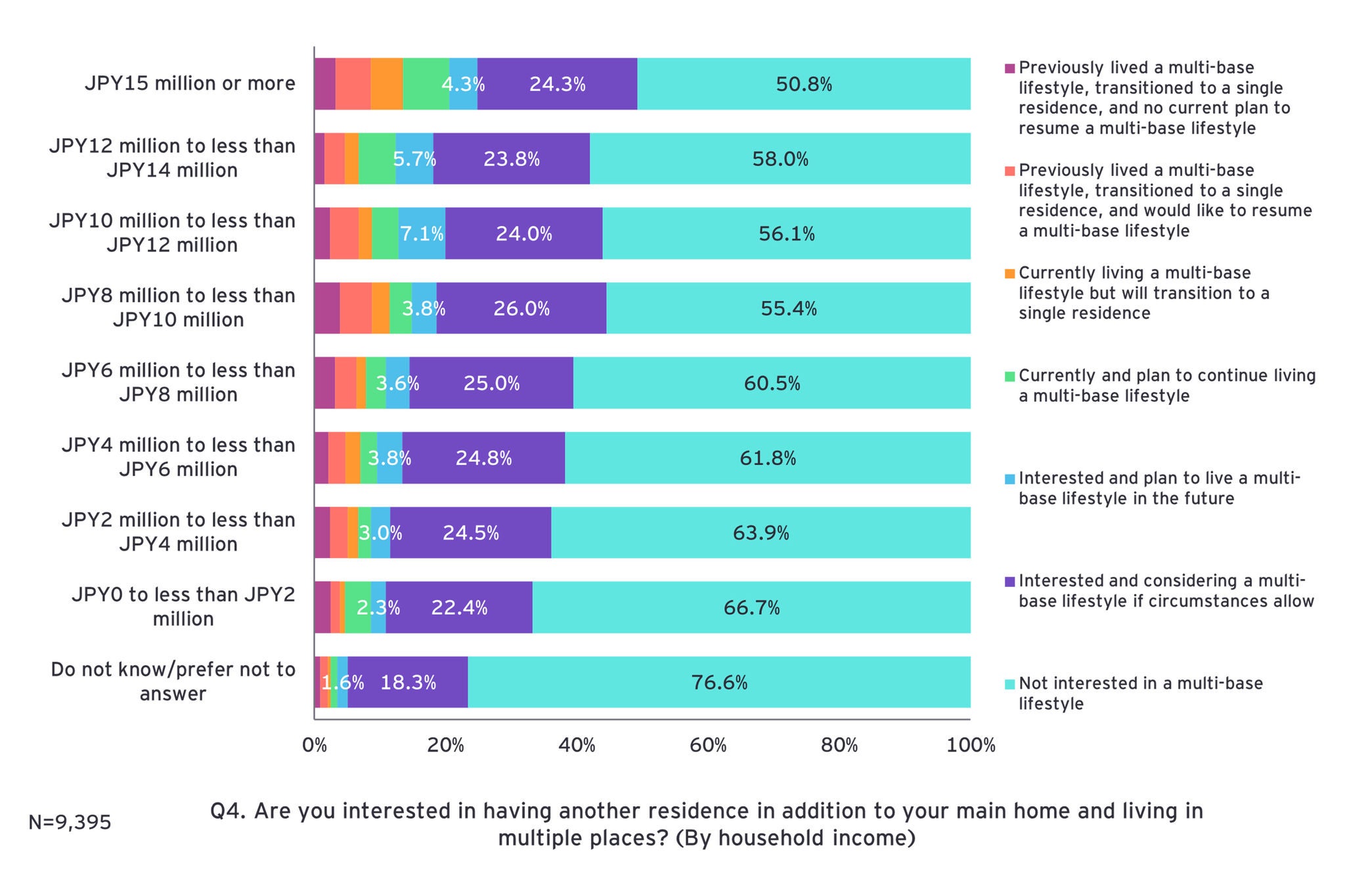
A dual-base lifestyle has greatest appeal for high-income earners, who not only show strong interest but also make up a larger share of those who are “already living” or have “previously lived” a multi-base lifestyle.

ey-regional-depopulation-relocation-survey-11

The survey also revealed that the 18 to 29 demographic had the most experience of a dual-base lifestyle and expressed the greatest interest in continuing this in the future.

ey-regional-depopulation-relocation-survey-12

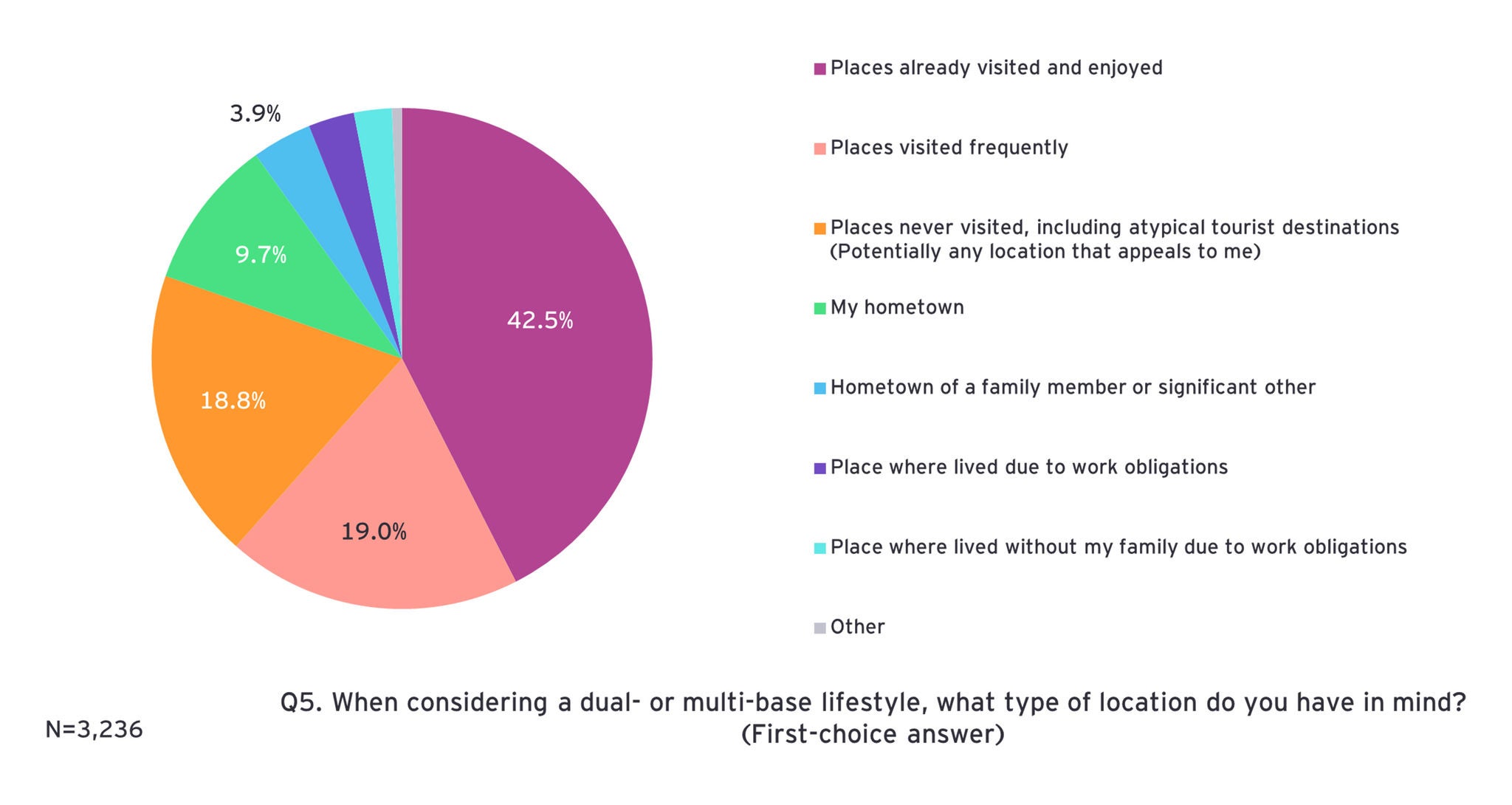
When envisioning dual- or multi-base lifestyles, respondents primarily considered “destinations already visited and enjoyed,” “places visited frequently,” and even “places never visited, including atypical tourist destinations.” These options accounted for over 75% of responses. Previous travel accounts for over 40% of the choices when selecting locations for dual-base living. While local governments need to implement dual-base living policies, driving growth in dual- and multi-base lifestyles requires strategies that also leverage tourism policies.

ey-regional-depopulation-relocation-survey-13

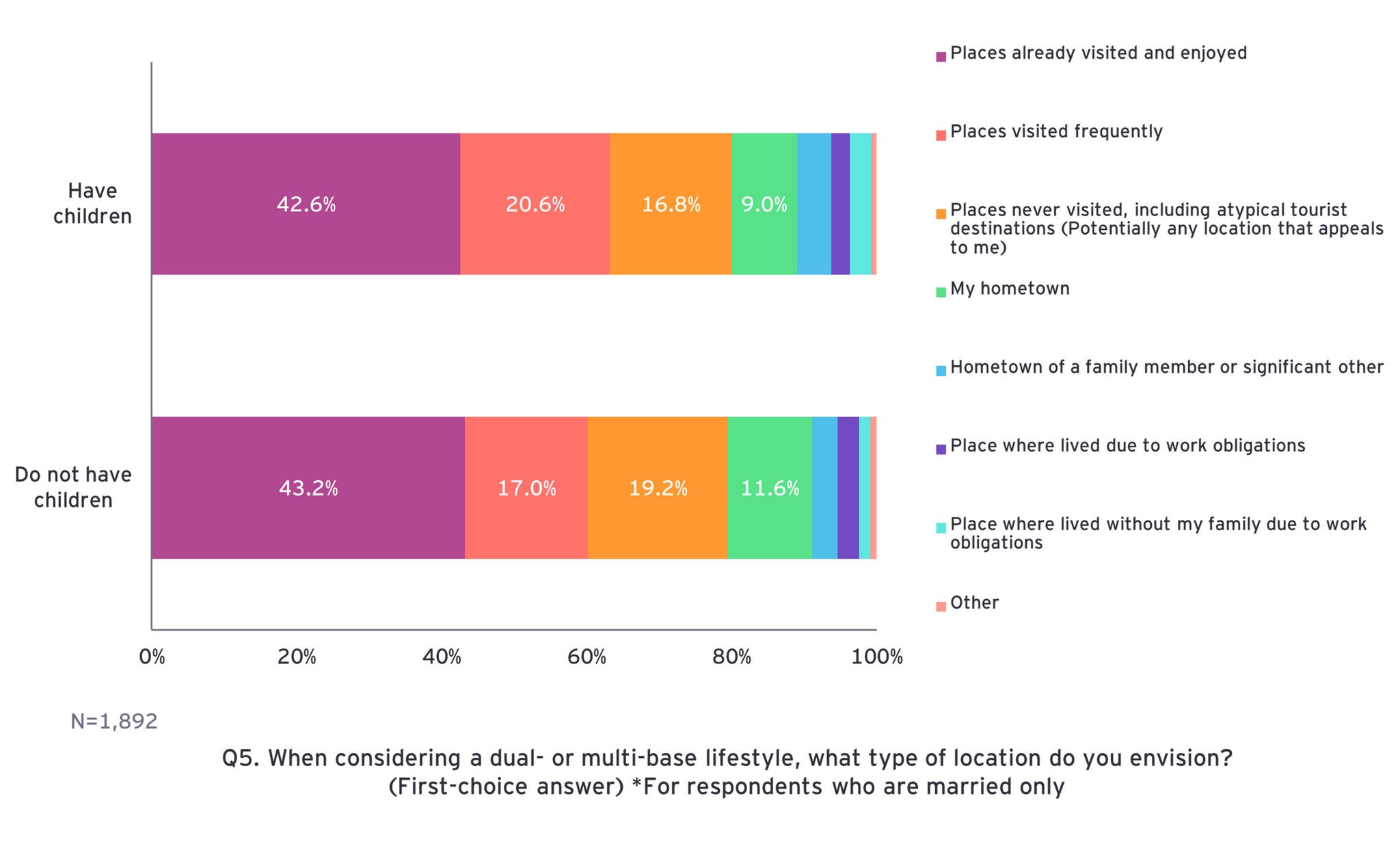
Households without children tend to prefer locations for dual-base living that include “places never visited” and “my hometown.”

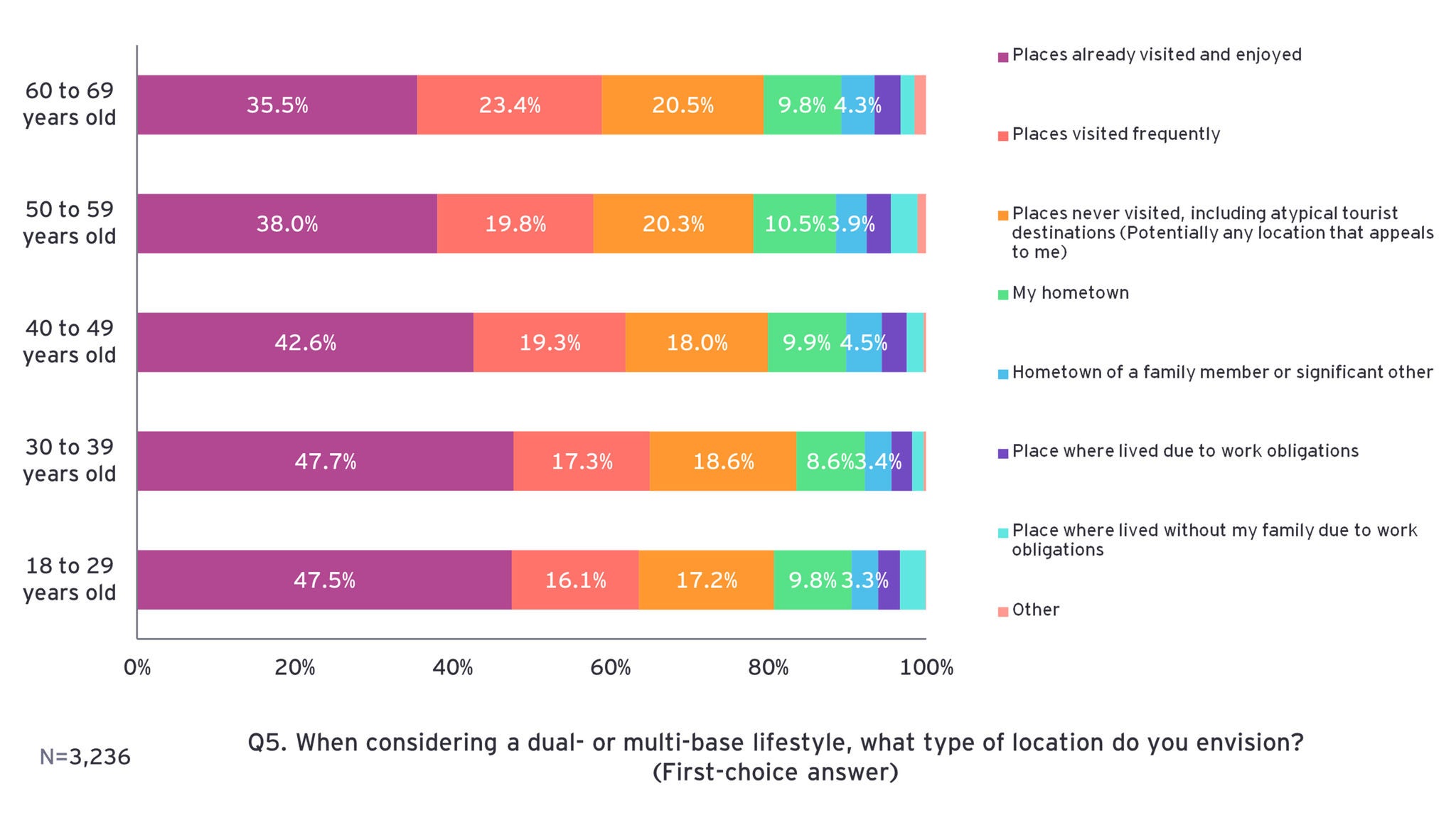
Younger age groups had a higher proportion choosing “destinations visited and enjoyed,” while older generations increasingly favored “places visited frequently.” As noted earlier, older age groups were more likely to cite “interest in the area” as a reason for multiple visits. Frequent visits would deepen this attachment with the potential to serve as a contributory factor for a dual-base lifestyle.

ey-regional-depopulation-relocation-survey-14
ey-regional-depopulation-relocation-survey-15

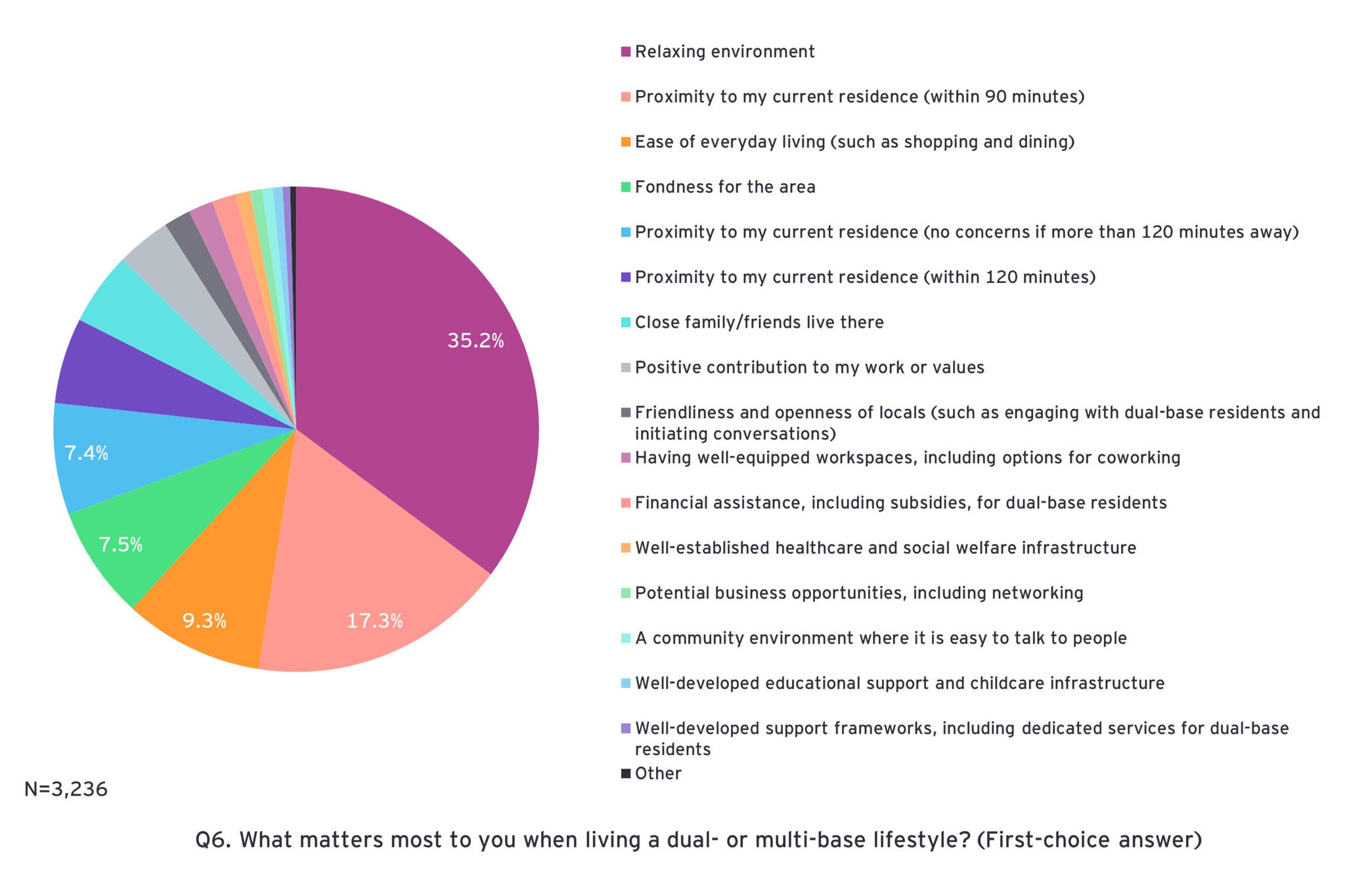
What do people prioritize when deciding where to live a dual-base lifestyle? Most emphasize “a relaxing environment,” but “proximity to my current residence (within 90 minutes)” also emerges as a key consideration when selecting a destination. “Ease of everyday living” and “interest in the region” follow in order of decreasing importance while “proximity to my current residence” appears again as a key factor in deciding where to establish a dual-base lifestyle. Although some respondents indicated that they would live more than 120 minutes away from their current residence, locations within 90 or 120 minutes are potential key criteria for defining the target market for promoting dual-base lifestyles.

ey-regional-depopulation-relocation-survey-16

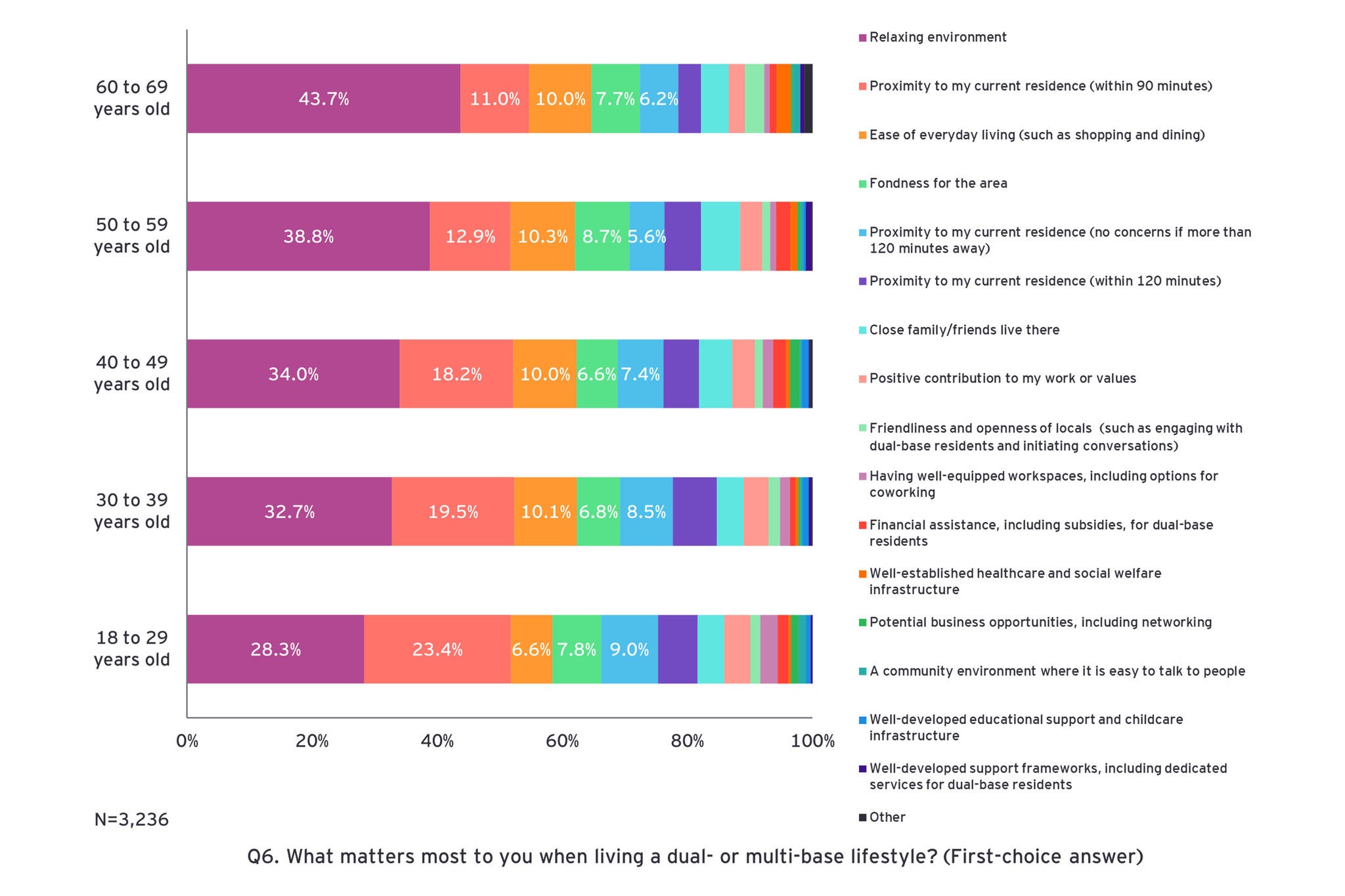
Younger people placed greater importance on “proximity to my current residence (within 90 minutes),” highlighting the need to develop strategies tailored to each age group.

ey-regional-depopulation-relocation-survey-17

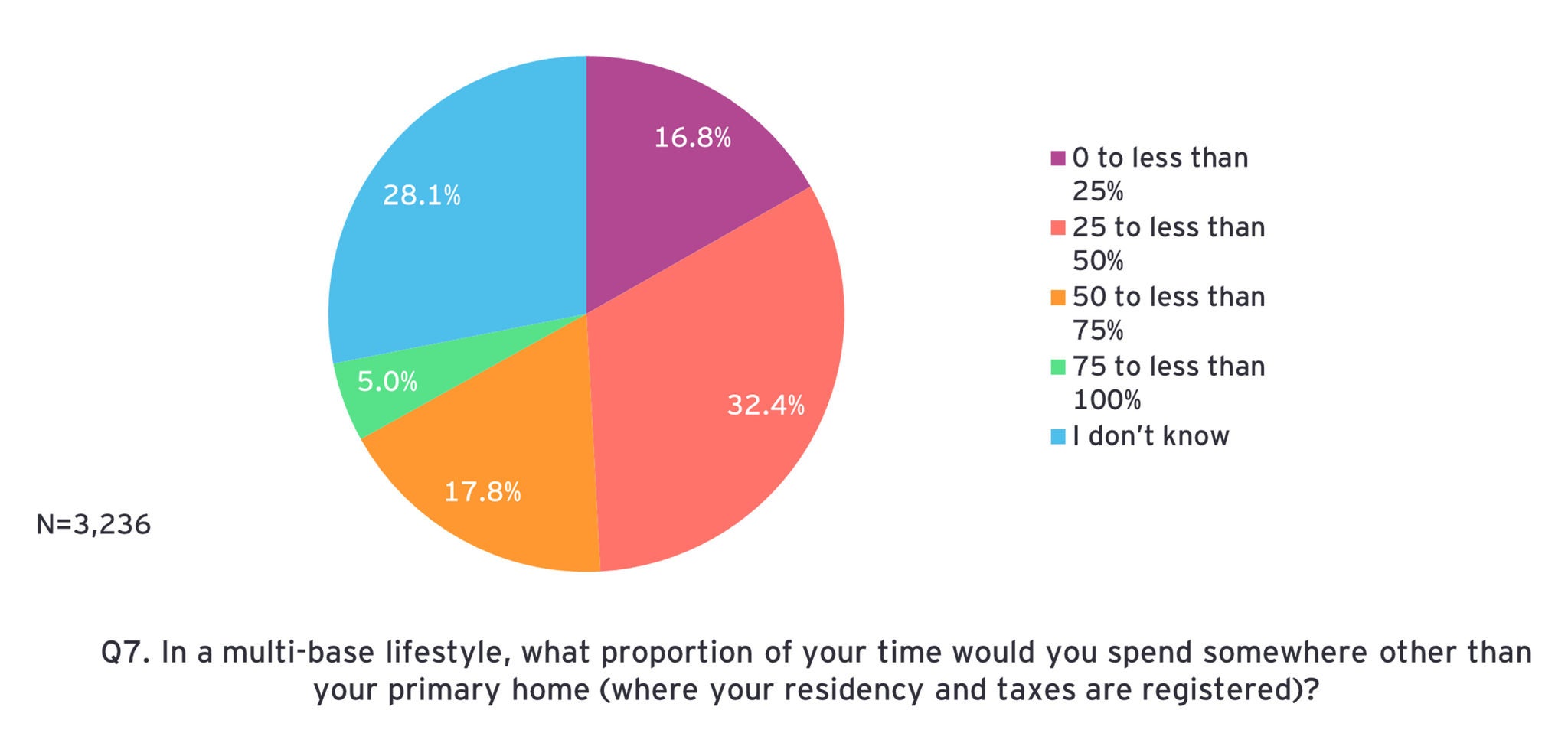
While there are many reasons to encourage dual-base lifestyles, the end goal is to achieve an economic impact and drive more spending in local communities. For individuals living between two locations, we asked what proportion of time they would spend away from their primary residence. The largest proportion of respondents expect to spend between “25% to 50%” of their time away, followed by people anticipating “50% to 75%.” As people expect to spend a considerable amount of time at their secondary location, we anticipate a moderate level of consumer spending in the area.

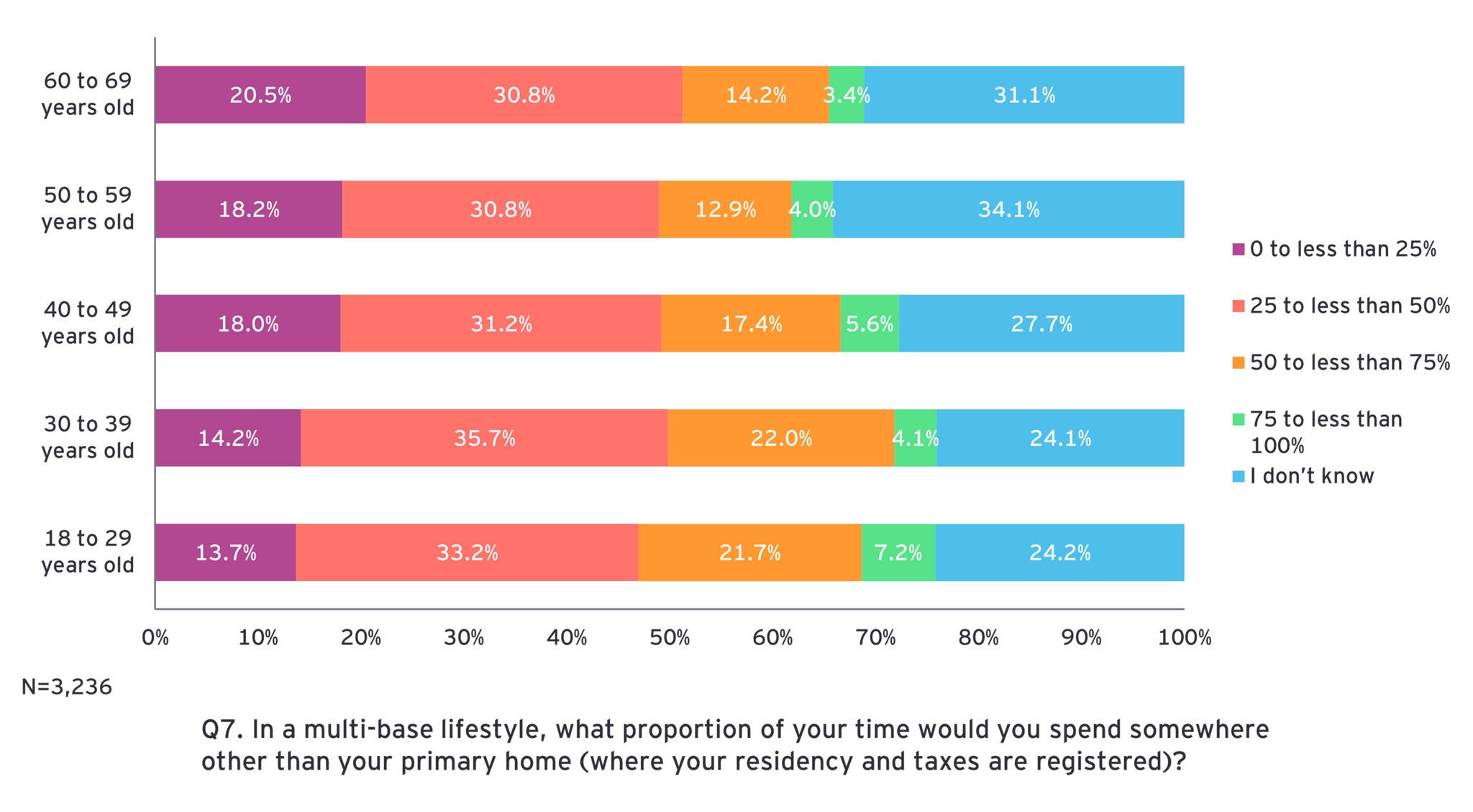
Younger people are also likely to spend longer periods living in a secondary location, making them a key target because of the corresponding potential economic impact on the region.

ey-regional-depopulation-relocation-survey-18
ey-regional-depopulation-relocation-survey-19

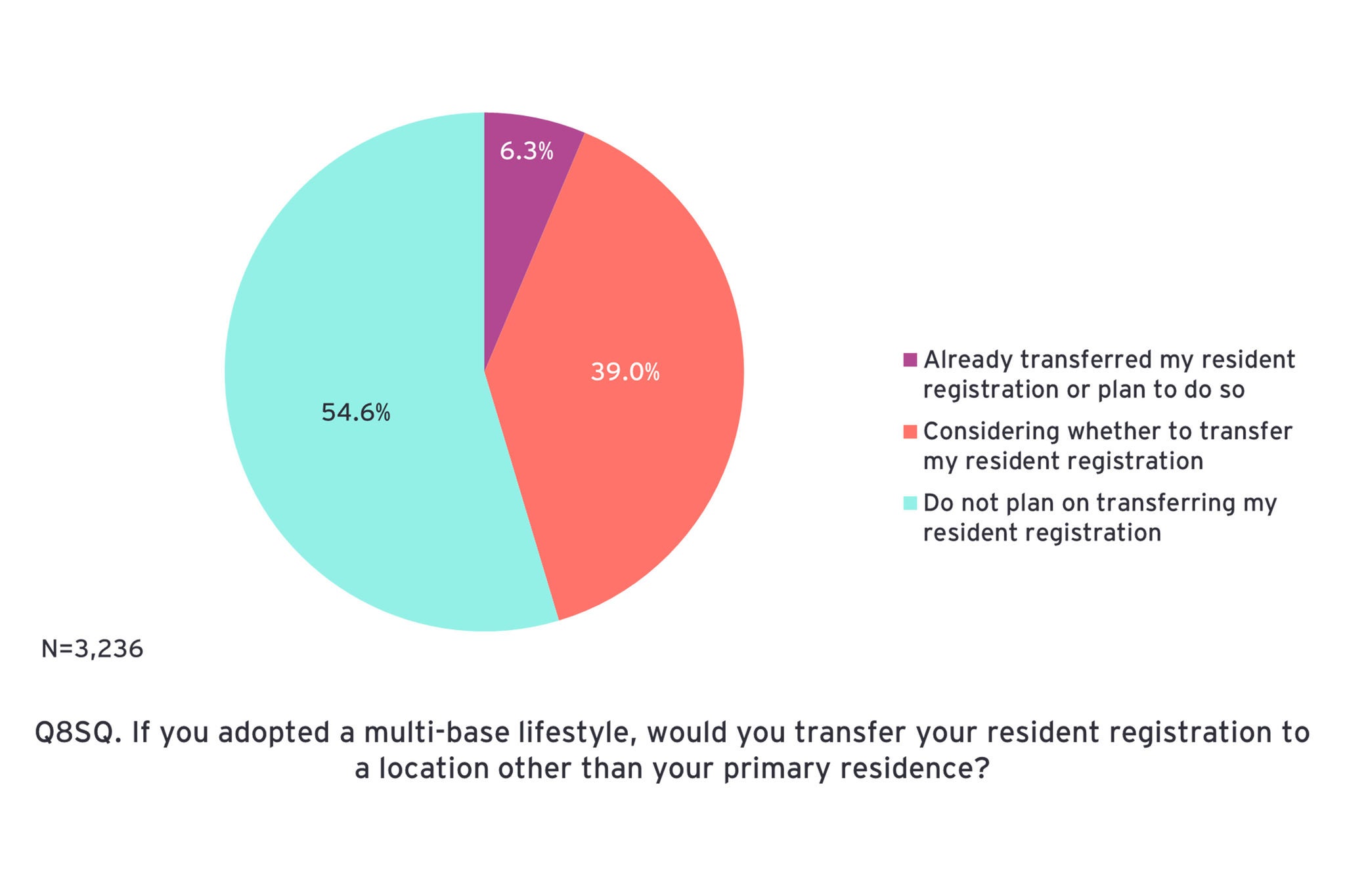
When reviewing time spent away from the primary residence, we asked if people would consider transferring their residence registration (as individuals in Japan are required to register their place of residence and tax domicile). Transfers would boost tax revenue in secondary locations and, even assuming a dual-base arrangement, could provide benefits for regions similar to those of relocation.

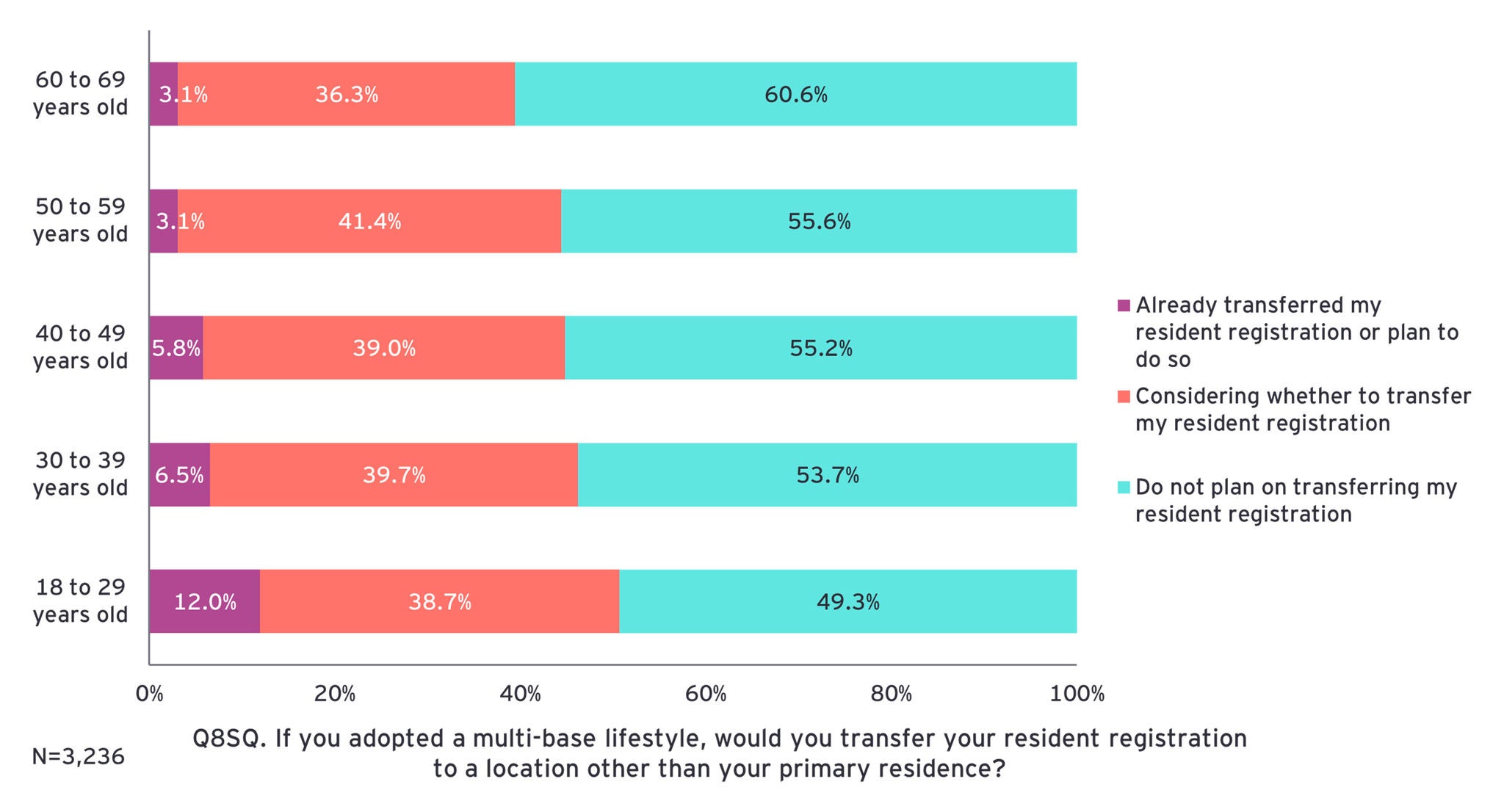
The survey revealed that almost half of the respondents interested in a dual-base lifestyle, including those who are “currently considering whether to transfer my residence registration,” indicated that they may transfer their registration to their secondary residence. We believe that these are very interesting results. If secondary residences are more comfortable and provide clear advantages over the primary, it may lead to a shift in registration from primary to secondary residences. Consequently, a viable strategy should address the needs of dual-base residents and ultimately encourage them to transfer their residence registration.

Given that younger generations are more inclined to transfer their residence registration, this is another factor that should be considered when promoting dual-base lifestyles.

ey-regional-depopulation-relocation-survey-20
ey-regional-depopulation-relocation-survey-19

How to encourage relocation

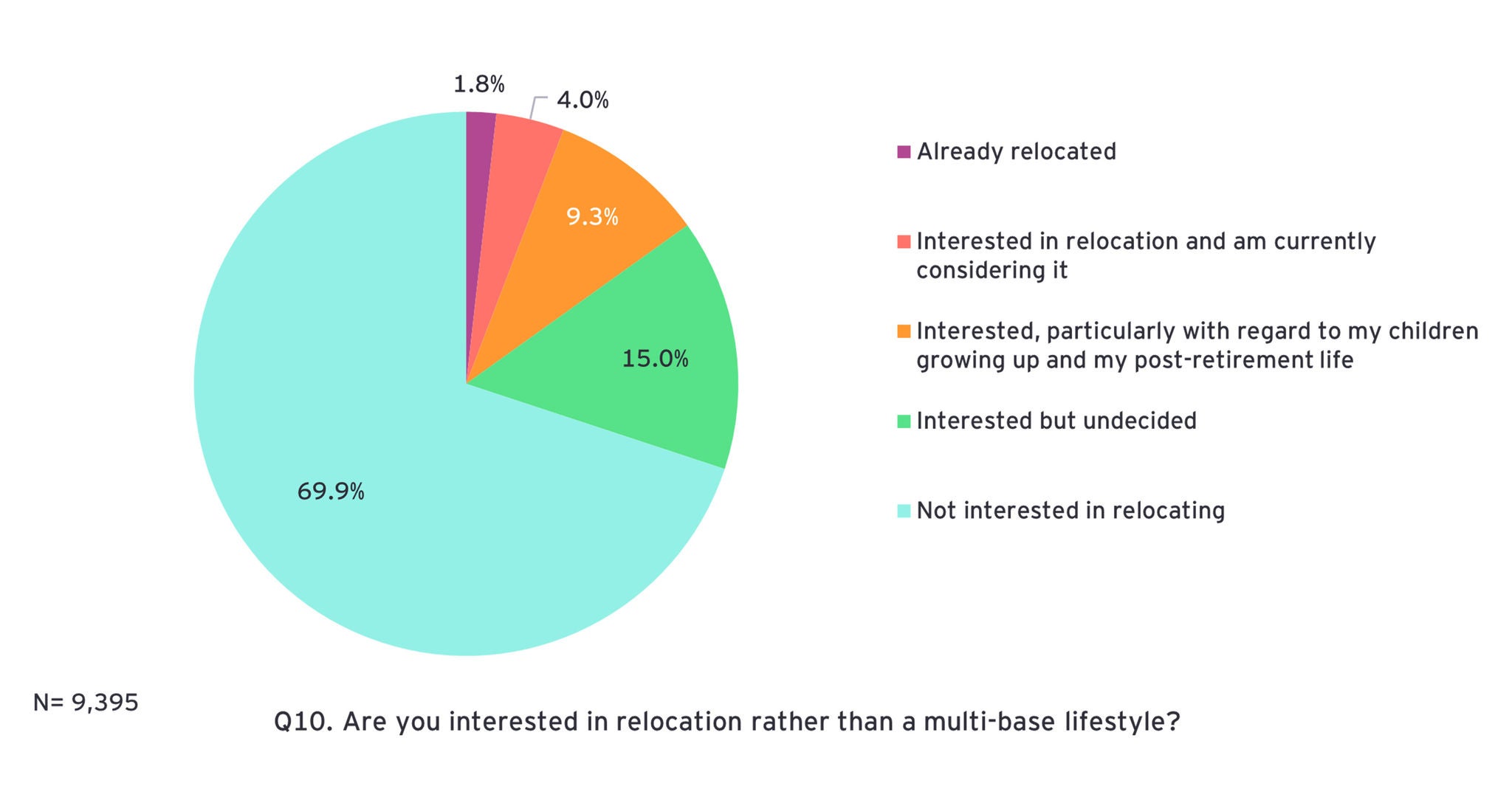
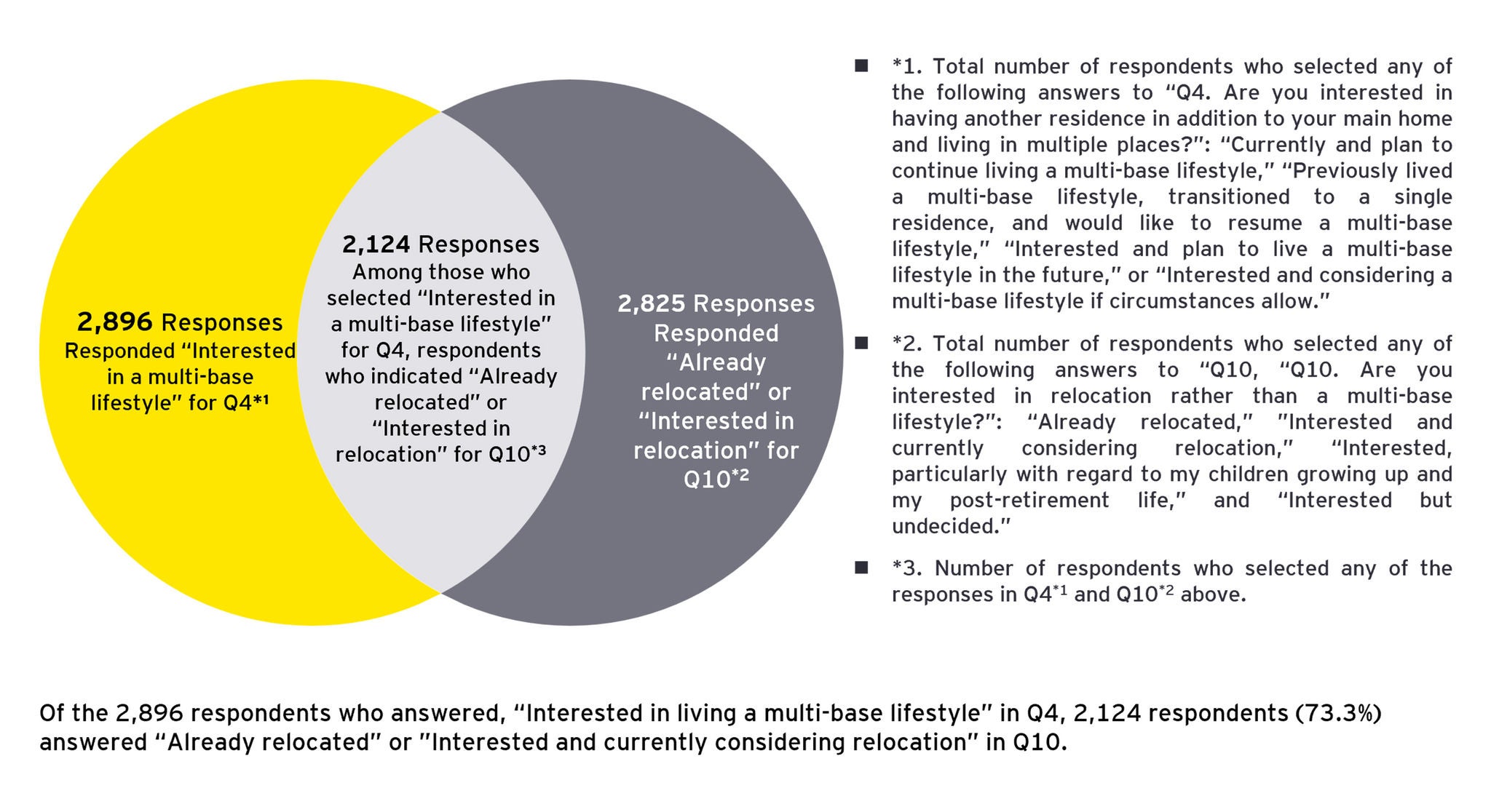
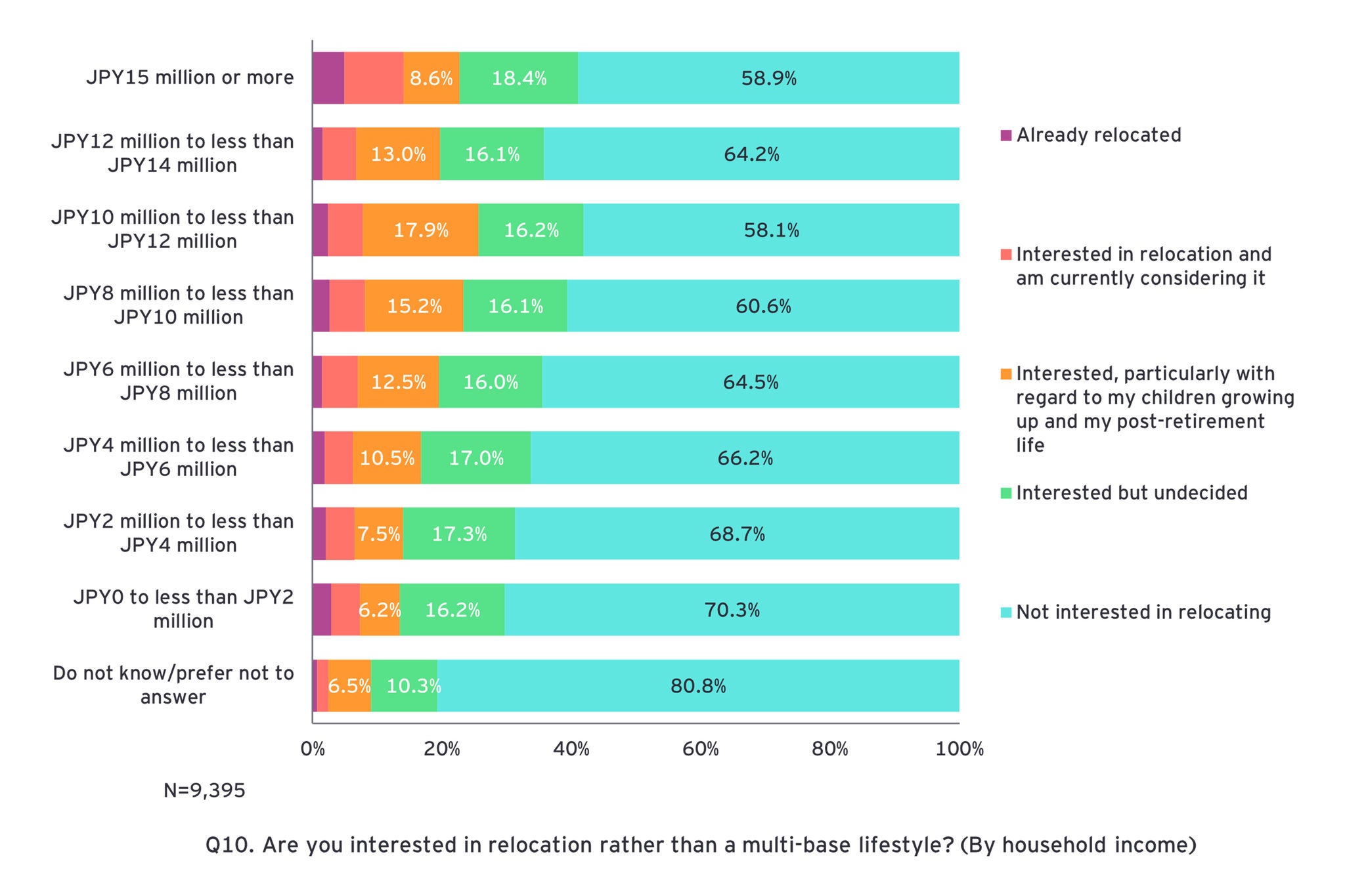
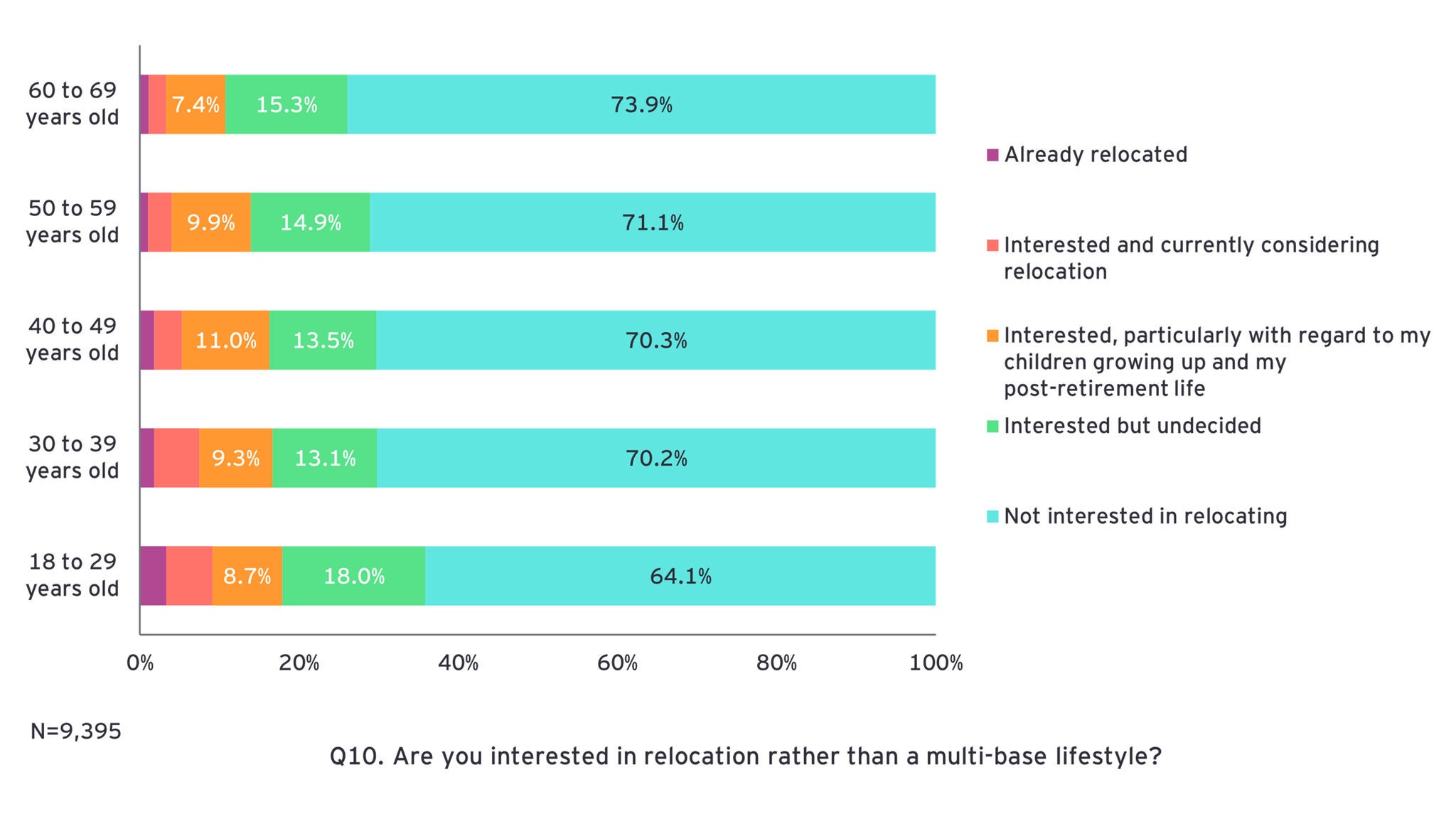
We asked questions to determine the level of interest in permanent relocation compared to dual- or multi-base lifestyles. Although only 1.8% of respondents were “already relocated,” when including those who are “interested but undecided,” the results show that nearly 30% expressed an interest in relocating. We can see a level of interest that is the same as groups interested in a dual-base lifestyle. There seems to be significant overlap between people interested in relocation and groups favoring dual-base lifestyle, with individual choices shaped by situational factors.

ey-regional-depopulation-relocation-survey-22
ey-regional-depopulation-relocation-survey-23

Interest in relocation increases as income rises, with a clear correlation up to an annual income of JPY12 million. However, the relationship between interest and income is less pronounced than in a dual-base lifestyle. Many respondents are interested in relocation in response to major life events, such as raising children or retirement, underscoring the need to tailor support for decision-making at these life stages.

The survey also highlighted that, similarly to a dual-base lifestyle, interest in relocation is higher among younger age groups.

ey-regional-depopulation-relocation-survey-24
ey-regional-depopulation-relocation-survey-25

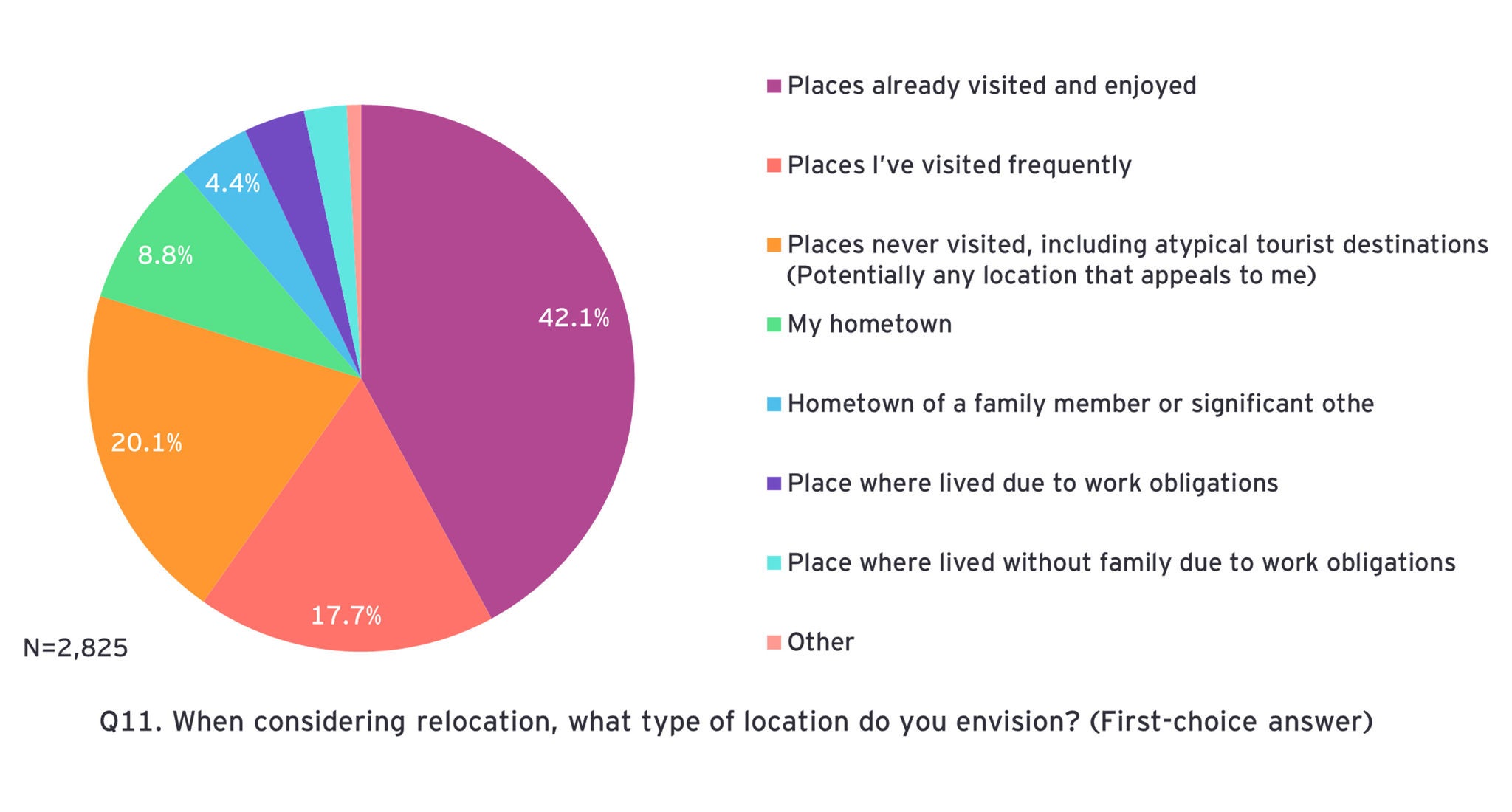
When considering potential areas for relocation, about 40% of respondents selected “destinations visited and enjoyed.” This was followed by “places never visited, including atypical tourist destinations,” “places visited frequently,” and “my hometown,” which together account for almost 90% of the total.

ey-regional-depopulation-relocation-survey-26

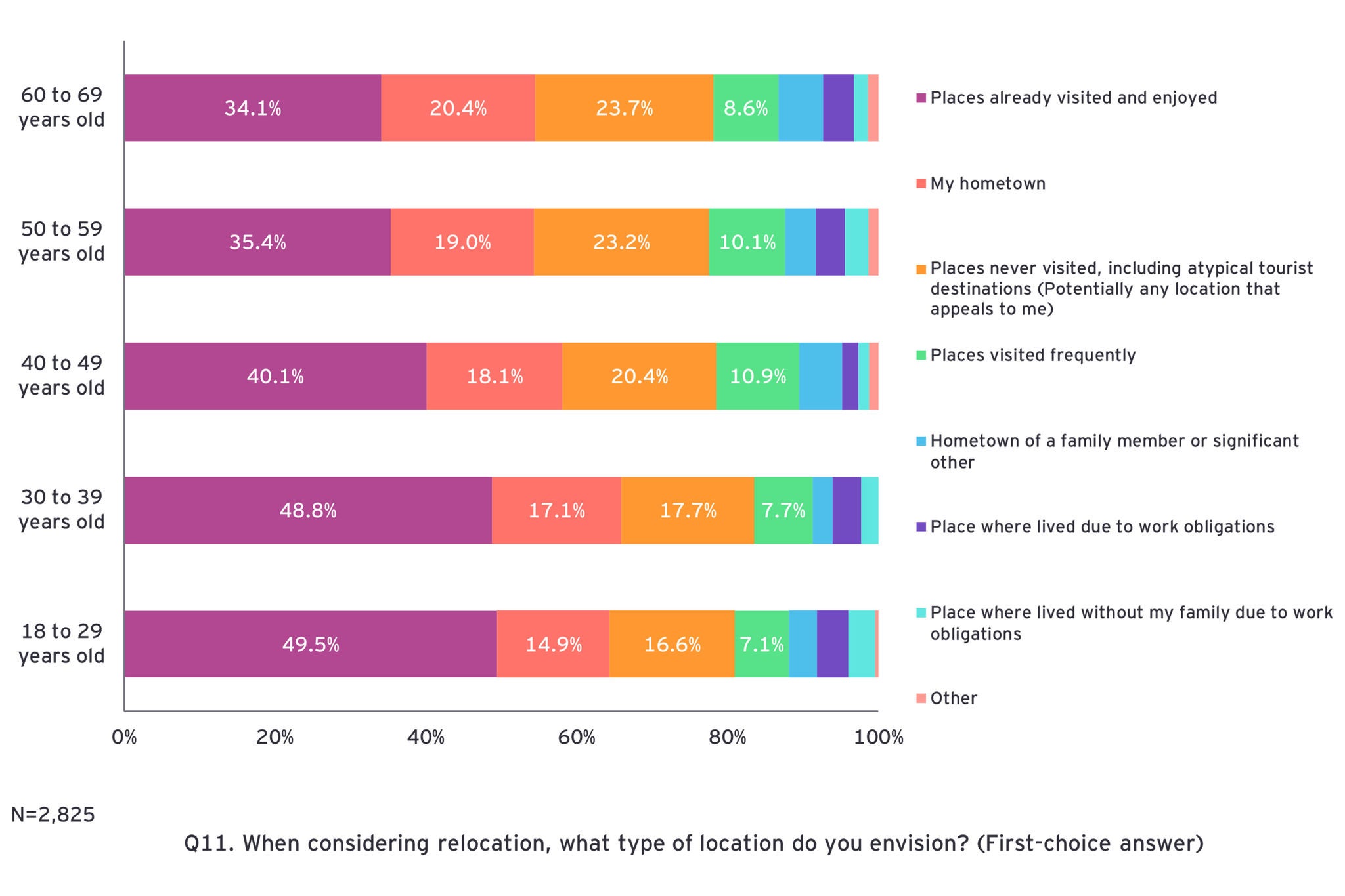
In common with the selection of dual-base living locations, there were no significant differences between households with or without children. However, age was a factor: younger people were more likely to choose “destinations visited and enjoyed,” while older groups generally considered “places never visited, including atypical tourist destinations,” as well as “places visited frequently,” as potential destinations for relocation. Unlike dual-base living where older age groups often selected “places visited frequently” and “interest in the region” as the second most common reason for choosing a location, relocation shows a different trend. There is an increased preference for “places never visited, including atypical tourist destinations.” This suggests that, when considering a permanent home, people are seeking not only places they enjoyed during previous trips but also a “better place to live” to spend their later years.

ey-regional-depopulation-relocation-survey-27

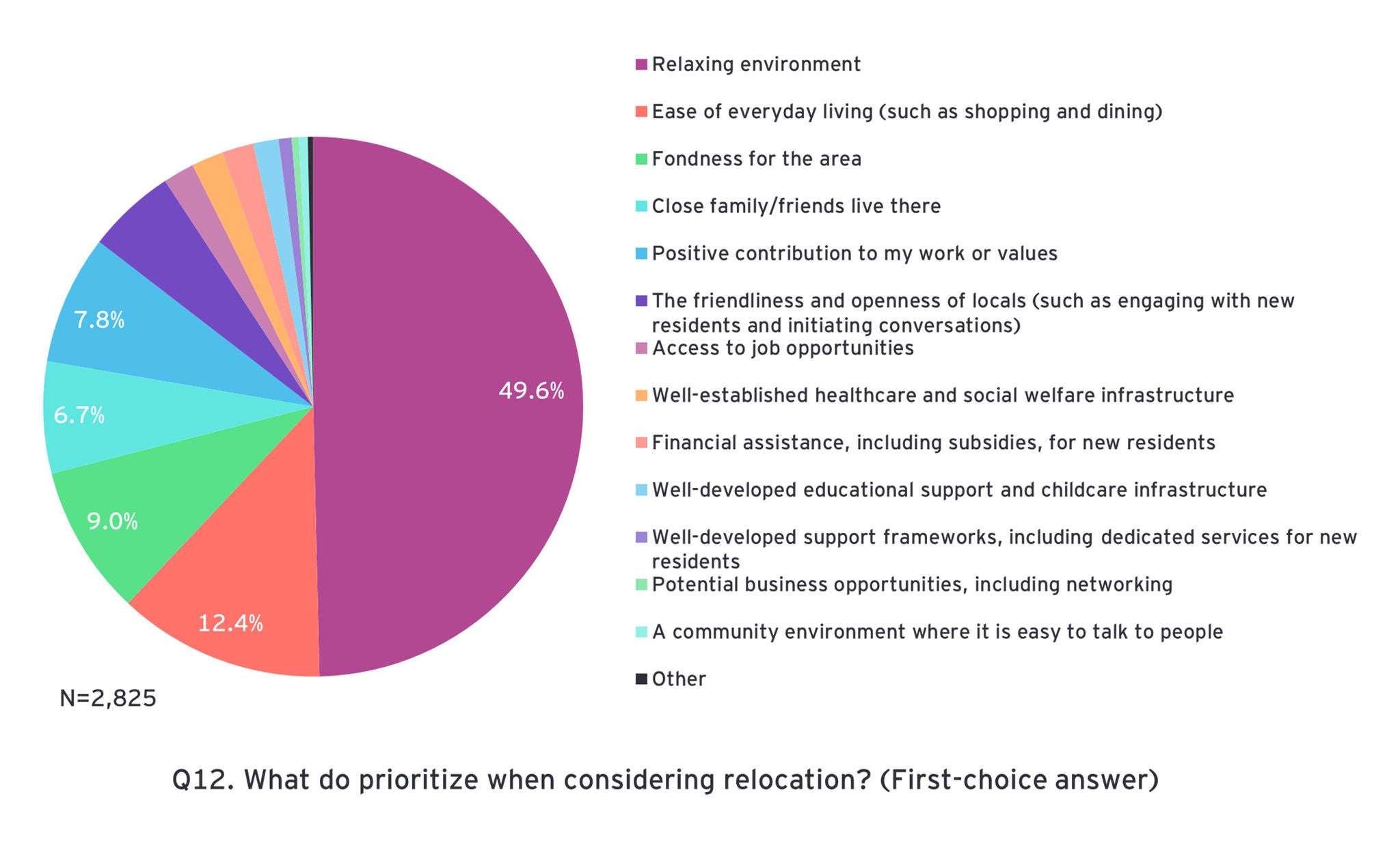
When considering relocation, respondents identified key factors as a “relaxing environment,” “ease of everyday living (such as shopping and dining),” “fondness for the area” and “positive contribution to my work or values.”

ey-regional-depopulation-relocation-survey-28

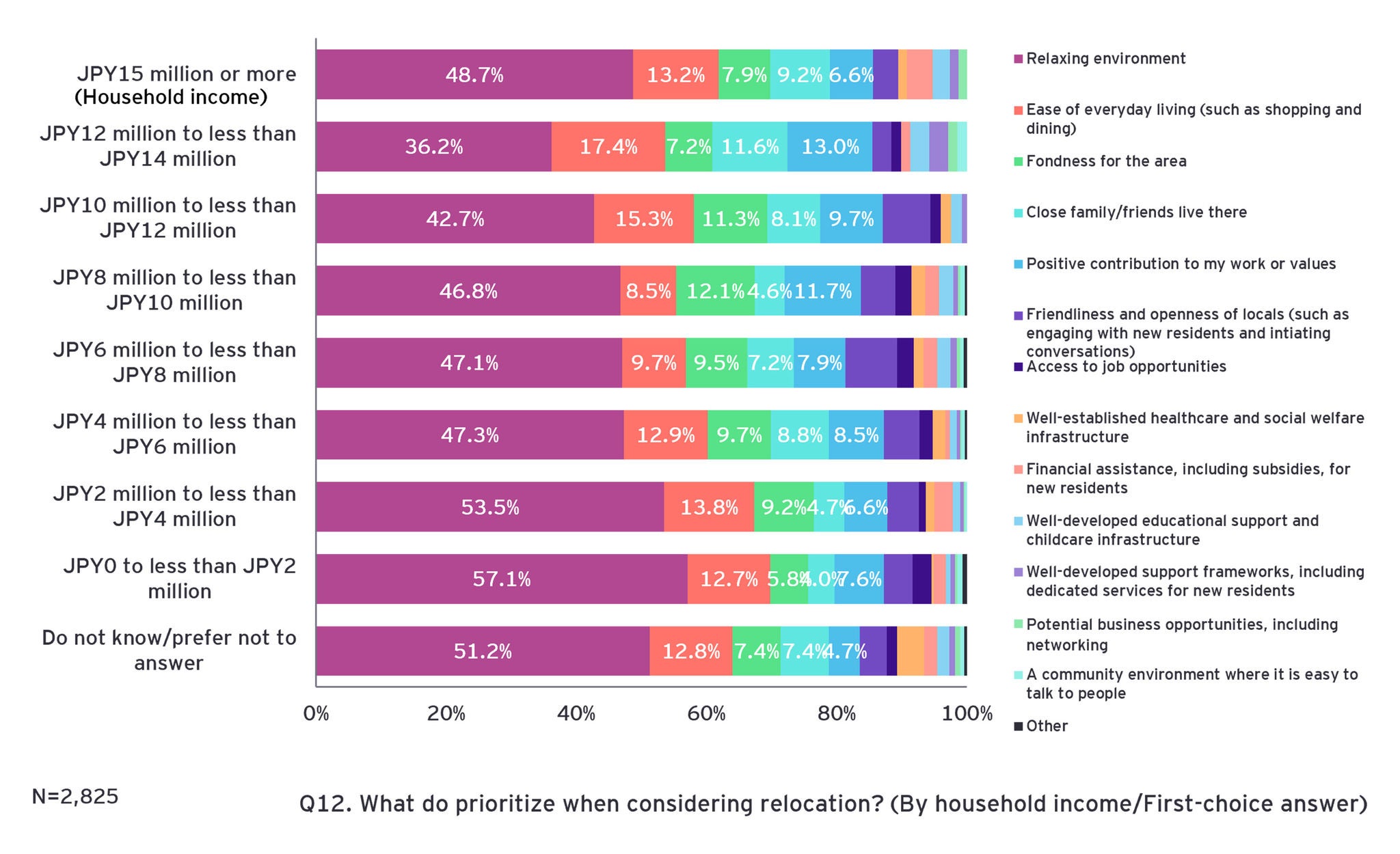
These factors did not reveal any significant differences between the various age groups. However, the responses did show that as annual income rises, individuals tend to place less priority on a “relaxing environment,” citing a broader range of reasons for relocation.

ey-regional-depopulation-relocation-survey-29

The factors prioritized in both relocation and a dual-base lifestyle are largely the same, except for the distance constraints associated with a dual-base. Responses about relocation were also consistent across age groups. Income levels also have only a minor impact on priorities when relocating. This information is valuable for policymakers as they shape future relocation strategies.
 

Key strategies for expanding exchange and connected populations

COVID-19 accelerated the shift to remote working out of necessity. It began with remote working from home and gradually expanded to include working from other locations. This is now evolving into a work-from-anywhere model, with people choosing to combine work with personal travel. Many municipalities across Japan have established “workation” facilities and coworking spaces as a strategic element of their workation initiatives. As of December 2022, there were reportedly 2,129 facilities4 which are now estimated to have grown to as many as 3,000.

At the same time, the recent emphasis on returning to physical office environments is reducing opportunities for employees to work remotely.

While working in non-office locations has been encouraged, to what extent do these environments support remote work while traveling, as opposed to working solely from home?

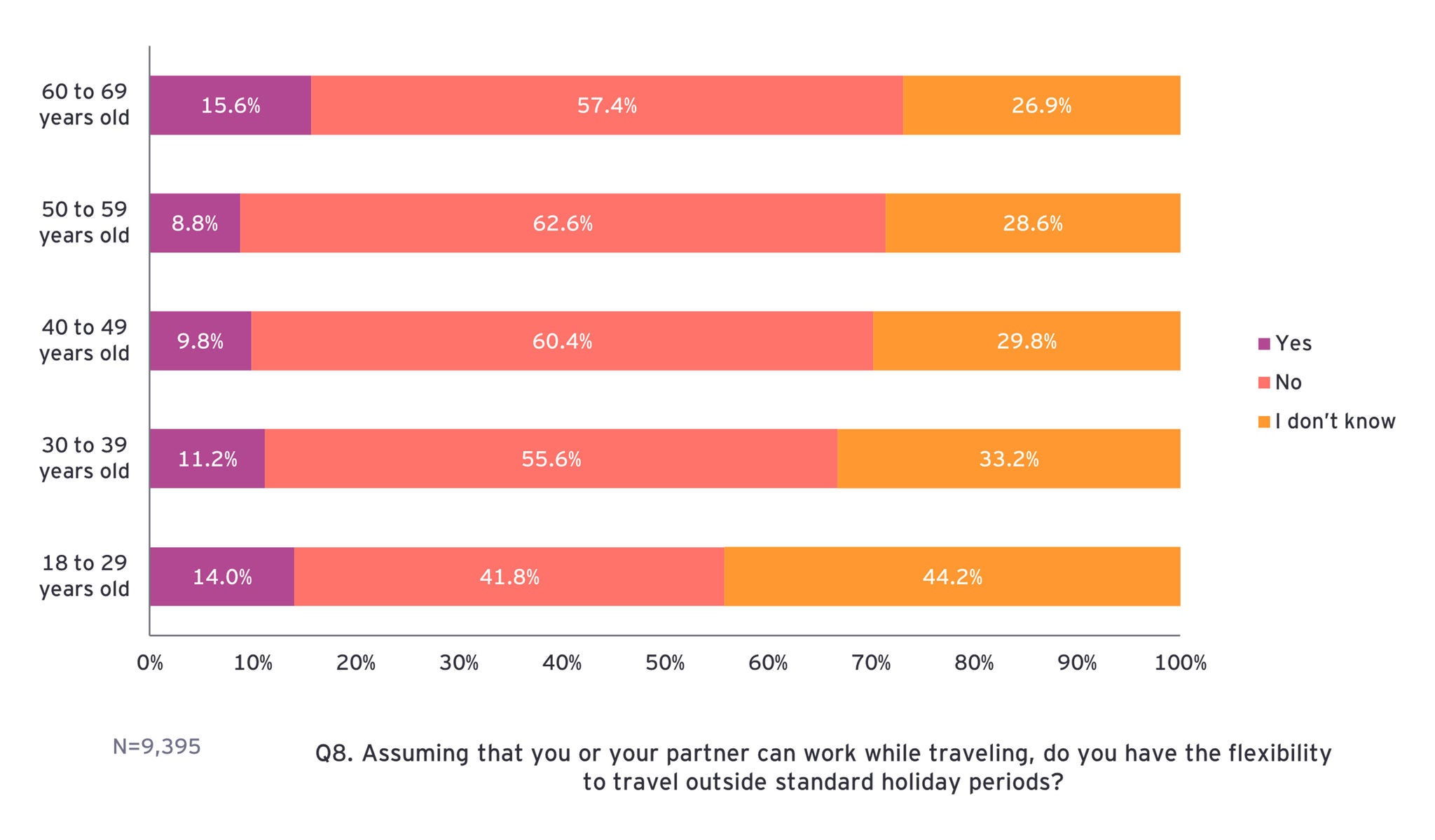
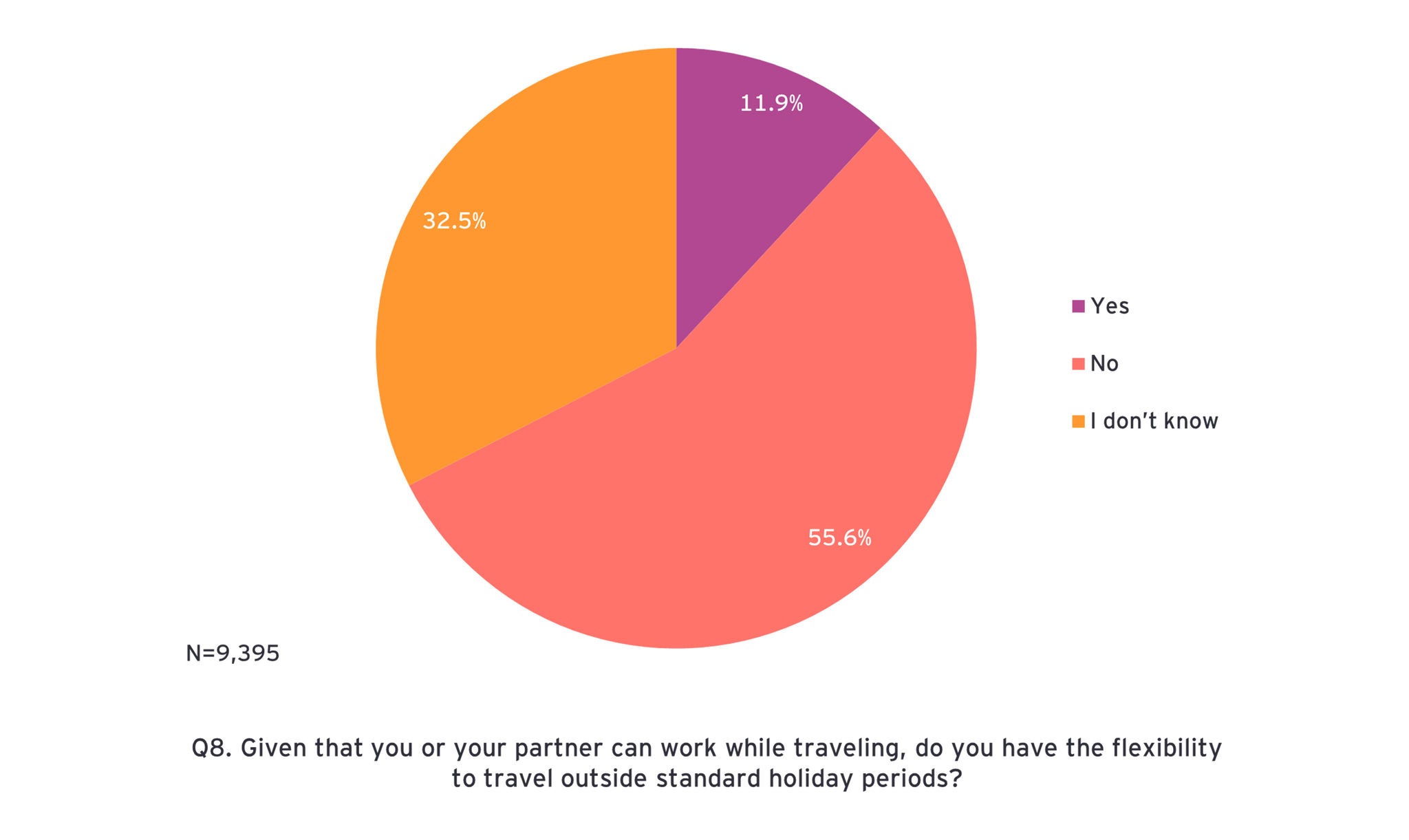
The ability to travel freely outside holiday periods could help reduce the peak/off-peak imbalances in tourist areas. However, survey data shows that only about 10% of respondents are not constrained by typical holiday periods or calendar limitations when they travel.

ey-regional-depopulation-relocation-survey-30

Respondents aged 18 to 29 and those over 60, nearing retirement, often have the flexibility to work while traveling, allowing trips outside typical holiday periods. However, for those aged 40 to 59 — a group usually associated with managerial roles —workation opportunities decline significantly.

ey-regional-depopulation-relocation-survey-30

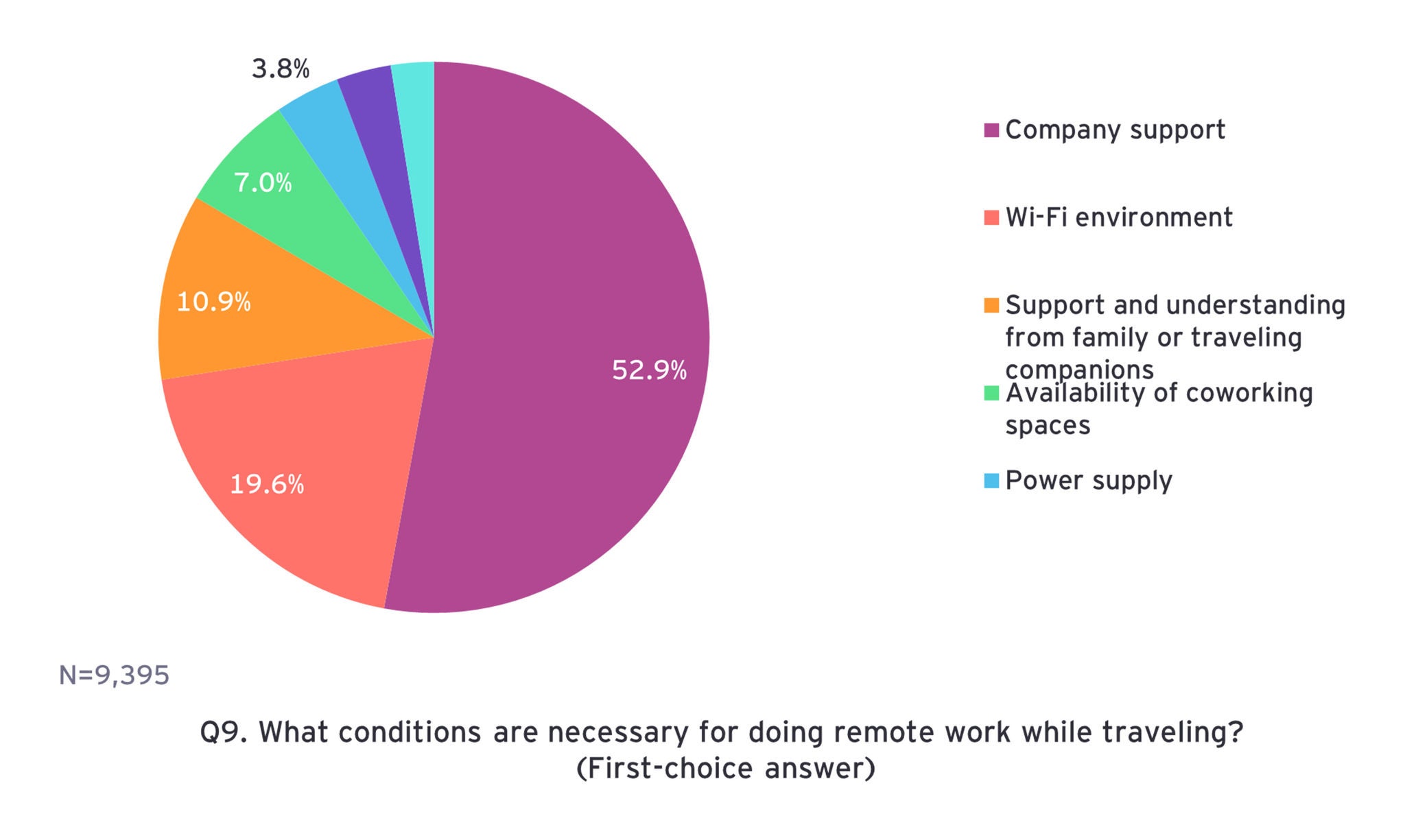
“Company support” is the most critical factor for permitting remote working while traveling. Even if certain sectors face practical constraints to remote working, a supportive company culture is a key factor in the successful adoption of flexible work arrangements. While there are expected productivity gains from in person discussions and teamwork, working away from the usual environment can offer fresh perspectives that spark new insights and fuel creativity. This underscores the need to rethink flexibility in work styles.

ey-regional-depopulation-relocation-survey-32

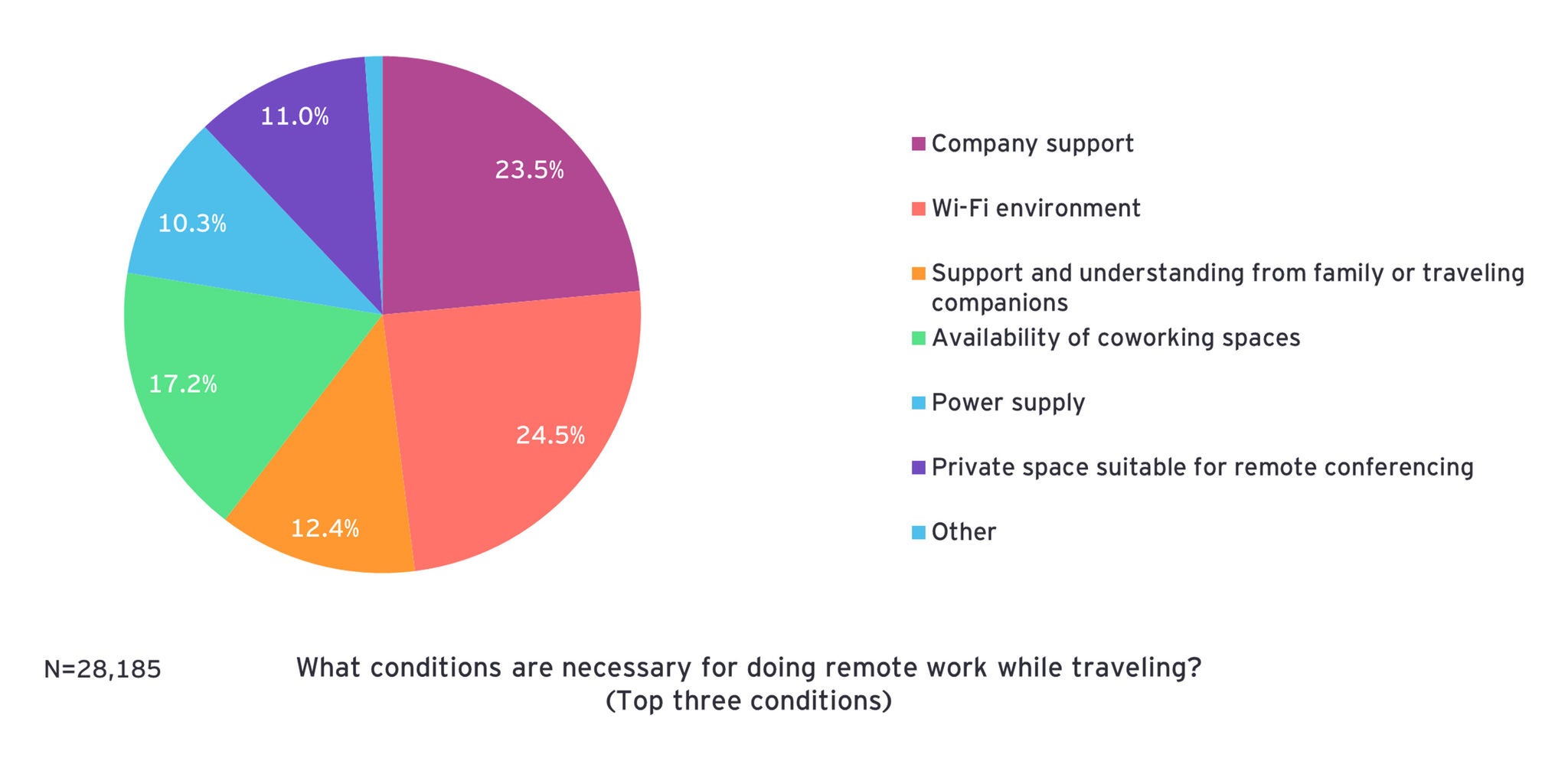
Using the same question, we aggregated responses from all participants about their top three criteria: “Wi-Fi environment” ranked highest, followed by “company support” and “availability of coworking spaces.”

How should we interpret that “Wi-Fi environment” ranked as the highest priority? The public now expects that most hotels at travel destinations provide a reliable Wi-Fi environment. However, prioritizing this type of environment may suggest a preference for public spaces that enable comfortable and productive work, and not a focus solely on the hotel room. While coworking spaces serve that purpose, individuals may be hesitant to use them for occasional tasks.

Recent trends have seen lifestyle hotels move away from conventional front desks in the hotel lobby, to providing check-in areas within cafés or bars.5

Creating spaces that cater to diverse user needs — from fully equipped workspaces to relaxed settings for occasional tasks — may require greater “company support,” but could also serve as a strategy to increase both exchange and connected populations in communities.

ey-regional-depopulation-relocation-survey-33

Who is a digital nomad?

The term “digital nomad” is used to describe workers who use digital technologies to work remotely from a country of their choice, without being tied to a single location. Many countries have launched initiatives to attract these travelers who seek a location-agnostic and flexible work style.

Current estimates suggest there are 35 million digital nomads worldwide, who have a cumulative annual spend of USD787 billion (approximately JPY118 trillion).6 On average, this equates to approximately JPY3.37 million per individual. In our previous report, we examined strategies to attract high-value travelers.7 Attracting digital nomads to Japan would bring visitors with similar substantial spending power.

As of 6 June 2025, approximately 73 countries are issuing “digital nomad visas” to encourage long-term stays.8 No official data is available but Japan’s digital nomad visa appears to have relatively low take up, with the primary reason being that the visa provides few benefits.

Discussions around a dual-base lifestyle and relocation have mainly targeted people already resident in Japan. However, as we have seen, initiatives to attract exchange and connected populations is a critical factor in shaping decisions about a dual-base lifestyle or relocation, underscoring the importance of implementing targeted strategies.

Municipalities seeking to grow their exchange and connected populations face the challenge that workations are still rare. To encourage more flexible work arrangements, there needs to be ongoing development of coworking spaces and lifestyle-oriented hotels.

Meeting this demand would also involve tapping into the remote work needs of inbound travelers, including digital nomads.

Rather than simply constructing facilities, we believe that involving individuals who can connect visitors to local resources and communities will help create an environment where remote workers from elsewhere, including digital nomads, can gain fresh insights. This could lead to the formation of new communities and strengthen a region’s potential to become a preferred destination for remote workers.9

Digital nomads place an emphasis on building strong ties with local communities and people. Attracting visitors to a region requires an effective showcase of its unique value and distinctive appeal. Regions need people who can build connections in addition to well-designed spaces, like coworking spaces, that support meaningful engagement.
 

How to foster closer ties with regional communities

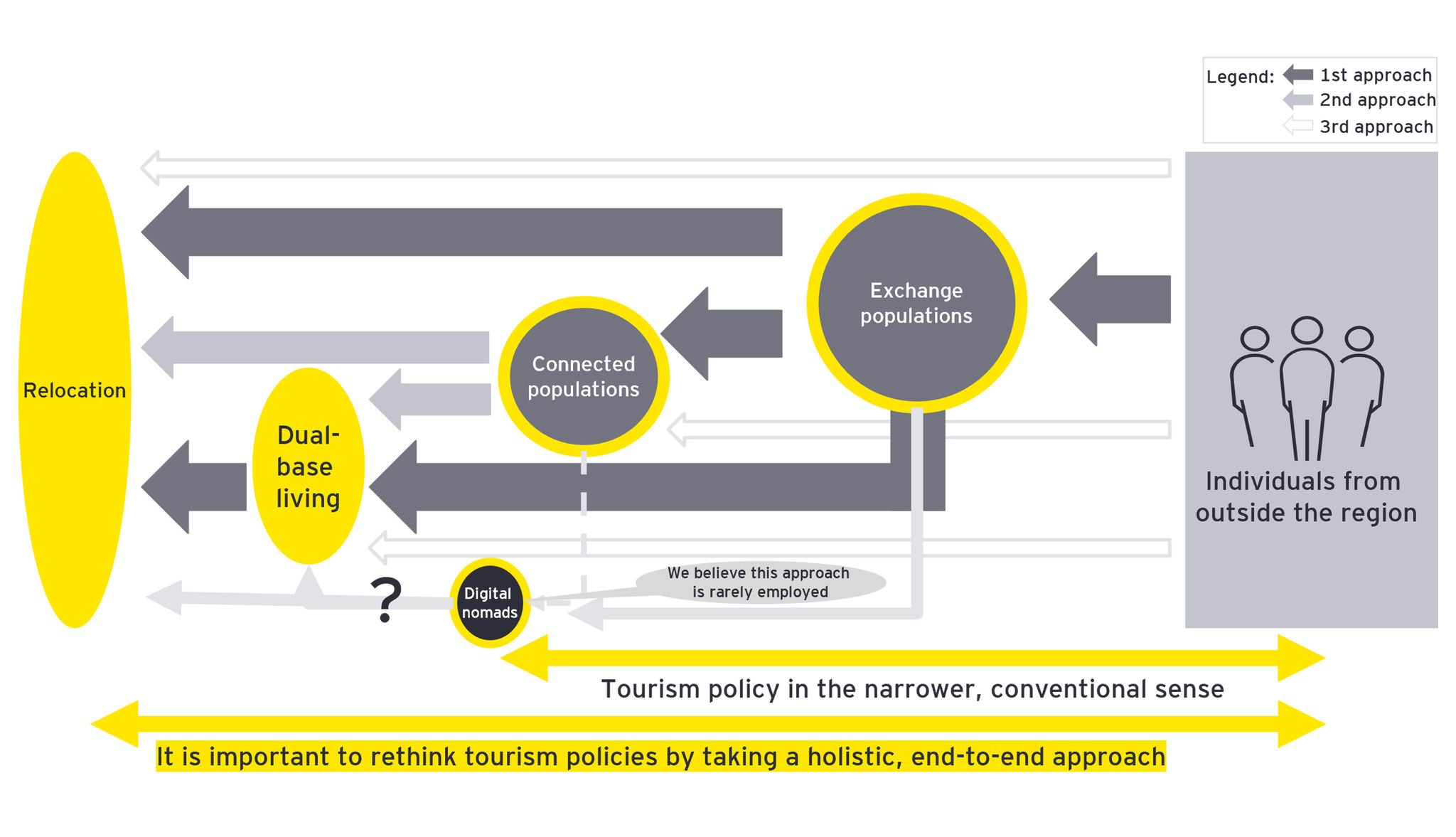
Our initial belief that relocation was driven by factors independent of exchange and connected populations was contradicted by the survey results. This is equally true for dual-base lifestyles. “Destinations visited and enjoyed” was the most important factor when considering somewhere for relocation or a dual-base lifestyle. This suggests that implementing policies that offer benefits solely for relocation or a dual-base lifestyle will have limited impact but building exchange and connected populations is a pathway to a dual-base lifestyle and relocation. That said, without well-coordinated strategies and initiatives that align with tourism policies to ignite interest and drive actual visits to a region, these policies will fall short of delivering meaningful impact.

Strategies and initiatives will vary depending on the selected target demographic. Survey results show that roughly 20% of responses included answers such as “places visited frequently,” and “places never visited, including atypical tourist destinations.”

This raises two questions. Which strategies can drive repeated visits to a region? And how do regions position themselves as somewhere which is a “relaxing environment” and a “bucket list location?” Regions which are more distinctive and unique are more likely to be selected as a travel destination.10

The promotion of relocation and a multi-base lifestyle has often been independent of tourism initiatives, with responsibility for these two areas sitting in different departments within local municipalities. However, based on the survey results, we have seen that there is considerable overlap. At EY, our approach to tourism is distinct from the traditional emphasis on raising visitor numbers; it concentrates on creating external demand to strengthen local economies and the strategies needed to achieve this. The same applies in this discussion. To achieve these objectives, governments should map out the processes and ensure that strategies and initiatives are aligned within a consistent tourism policy.11

Regional dialogue on tourism policy can play a key role in the environment if travelers from the exchange population are to become part of the connected population, which will enhance opportunities for multi-base lifestyles or relocation.


Approaches to attracting new residents to regional communities

Approaches to attracting new residents to regional communities
1. Japan Population Strategy Council (Ed.), Regional Disappearance 2: Accelerating Declining Birthrate and a New Population Vision (Chuko Shinsho, 2024).
2. Japan Ministry of Land, Infrastructure, Transport and Tourism “Advisory Committee on Promoting Relocation and Dual-base Living: Interim Summary and Reference Materials Collection.” https://www.mlit.go.jp/policy/shingikai/content/001719485.pdf (Accessed 11 October 2025) 
3. “Summary of survey results excluding the following options: “Currently living a multi-base lifestyle and plan to continue it,” “Currently living a multi-base lifestyle but plan to transition back to a single residence,” and “Previously lived a multi-base lifestyle, transitioned back to a single residence, and currently have no plans to return to a multi-base arrangement.”
4. Institute of Metropolitan Policy “The Growth of Coworking Spaces in Japan (December 2022 edition)“ https://imp.or.jp/wp-content/uploads/2023/03/report-coworking-202303.pdf (Accessed 11 October 2025)
5. Lifestyle hotels include Marriott International’s Moxy hotel brand.
6. A Brother Abroad “63 Surprising Digital Nomad Statistics,” https://abrotherabroad.com/digital-nomad-statistics/ (Accessed 11 October 2025)
7. EY Strategy and Consulting Co., Ltd. “How does high value creation benefit tourism? - Exploring innovation in tourism” https://www.ey.com/en_jp/insights/consulting/how-does-high-value-creation-benefit-tourism-exploring-innovation-in-tourism
(Accessed 11 October 2025)
8. Citizen Remote “73 Digital Nomad Visa Countries in 2025,” https://citizenremote.com/blog/digital-nomad-visa-countries/ (Accessed 11 October 2025)
9. Digital nomad personas and related information from Travel Voice Japan Ltd. “Trends, Market Opportunities, and International Case Studies“ (February 2024)
10. EY Strategy and Consulting Co., Ltd. “How does high value creation benefit tourism? - Exploring innovation in tourism” https://www.ey.com/en_jp/insights/consulting/how-does-high-value-creation-benefit-tourism-exploring-innovation-in-tourism
(Accessed 11 October 2025)
11. Although not addressed in this article, similar considerations apply to policies promoting related population initiatives, including the “Furusato (Hometown) Residence Registration System,” “Hometown Tax,” and “Corporate Hometown Tax.”


Summary

Local governments are promoting relocation and dual-base living to help curb depopulation and revitalize regional economies. A survey of 10,000 people revealed that relocation and dual-base living initiatives are most effective when integrated with both tourism policies and exchange and connected population strategies. The key to success lies in viewing the journey—from start to finish—through the lens of tourism.


Related content

How does high value creation benefit tourism? - Exploring innovation in tourism

Confronted with the rapid resurgence of travel demand and the ensuing challenges of overtourism, some Japanese tourist destinations face an urgent need to shift their focus from quantity to quality, for which high added value in tourism is a crucial strategy. This report analyzes the trends and impacts of high-value travelers while evaluating strategies to develop Japan’s domestic tourism industry and foster a virtuous circle for the local economy.

How Generative AI is transforming the tourism industry

There are raised expectations for AI’s potential which are unmatched by its widespread adoption. The democratization of AI will allow everyone to develop and execute new ideas. This report explores the transformative potential and applications of AI, including generative AI, for the tourism industry.
Tourism as a catalyst for Japan’s economic growth and the impact of overtourism

Tourism is positioned as one of the main pillars in Japan’s growth strategy. This article evaluates measures taken worldwide to combat overtourism, as well as analyzing the results of a survey which gauges the reaction of local people to high levels of incoming tourism in Japanese tourist destinations. It examines which course of action Japan should take to enhance its tourism industry as an important driving force for economic growth.


    About this article