Recent Searches


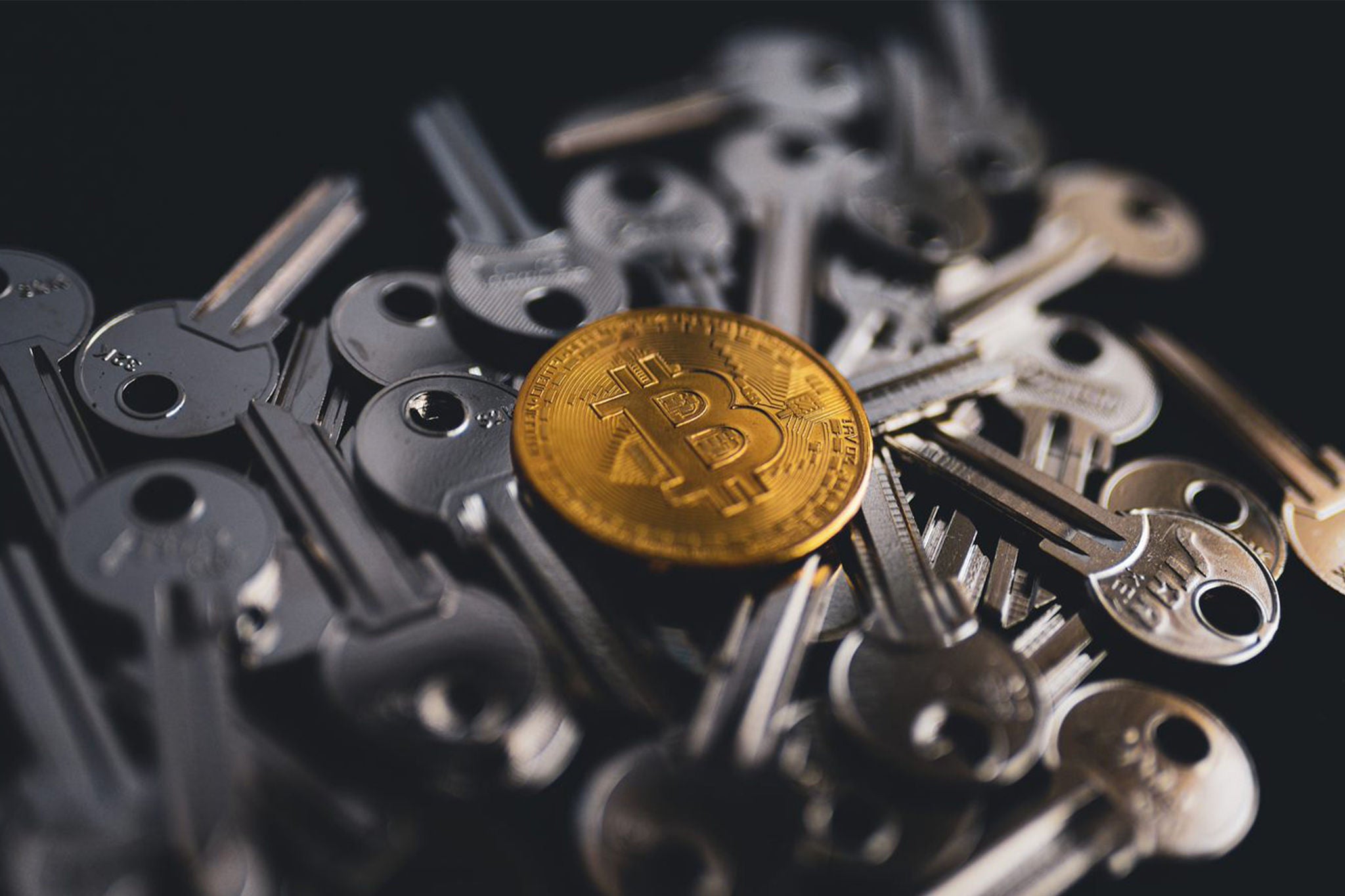
The tokenization of real estate assets is a key topic in the real estate industry. Barely any other topic is currently being discussed as intensively as the blockchain-based technology of tokenization.
In brief
- The blockchain technology is being used increasingly in the European financial sector.
- The tokenization of real estate assets can play a significant role in the real estate industry through financial and time savings thanks to the increase in efficiency.
- Switzerland is regarded as a pioneer, when it comes to the regulation of innovative financial market technologies in international comparison.
The combination of blockchain and real estate shows a clear trend from the illiquid to the digital and liquid real estate investment. A few years ago it was inconceivable to own fragments of a property and trade them on a daily basis without high transaction costs. However, tokenization makes this possible.
Tokenization – A complex, but future-oriented technology
By means of tokenization based on the blockchain technology, real estate can be fragmented and then represented by digital tokens. The individual "tokens" represent the underlying property on asset level with all its rights and obligations. Contractual details are defined in so-called "smart contracts". If a pre-defined contract condition is fulfilled, the algorithm stored in the digital contract triggers the events specified in the code. For example, a transaction or a transfer in the land register can be carried out without any human intervention. After appropriate validation of the action, another block is generated automatically, which is attached to the existing blockchain.
The importance of tokenization in the real estate industry
The tokenization of real estate assets can play a significant role in the real estate industry. The notary visit, the considerable transaction costs or the land transfer tax become technically obsolete through the use of tokenization. The result is an increase in efficiency through corresponding financial and time savings. In short, "tokens" are positioned on the same level as conventional securities. They benefit from the above-mentioned potential increases. However, due to the lack of technology those potential increases will remain unable for classical securities. "Tokens" do not only make the replacement of conventional securities by blockchain technology possible. Also, they can convert any tangible assets into "tokens" and make them accessible to all investor groups. Tangible assets include not only real estate, but also works of art or ships, as well as intangible goods, such as licenses. Table 1 summarizes the key benefits of tokenization in the real estate industry.
The three categories of "tokens" and their legal basis
The general term "token" can be divided into three sub-categories. A distinction is made between "utility tokens»", "payment tokens" and "asset tokens". Each token is assigned a specific underlying feature (in the sense of monetary and non-monetary objects of value) and a different legal basis. Figure 1 illustrates the three different types of "tokens" and their associated points of focus.
In 2018 the FINMA had already created the first legal basis for the innovative blockchain technology. Switzerland is regarded as a pioneer in the regulation of innovative financial market technologies in international comparison. The legal basis created by the FINMA has been underpinned by further legislative texts. On February 1, 2021 the amendment to the Swiss Law of Obligations and the Uncertificated Securities Act were important steps towards creating a strong location for blockchain technologies. Furthermore, on June 18, 2021 the Federal Council approved the adaptation of federal law to developments in the technology of distributed electronic registers. Thanks to this legal change and the associated regulation, distributed ledger technology (DLT) based trading systems are supported legally.
To be able to trade the "tokens" described, a listing on a Swiss stock exchange is required. To date, the SIX Digital Exchange (SDX) is the first FINMA-certified stock exchange enabling the trading of digital assets. Due to legal regulations, "tokens" can currently only be traded on the SDX in a fully regulated environment based on the DLT.
Potential future fields of application for tokenization
Blockchain technology is applied more and more in the European financial sector. Stock exchanges already benefit from the associated advantages for settlement and clearing. Furthermore, several exchange sites are trying to launch their own trading platforms for digital assets. The transformation of real assets into digital assets is becoming an increasingly discussed topic in traditional markets. Consequently, asset managers also need to expand their range of services and solutions.
However, the adaptation of blockchain technology has not only found great resonance in the financial sector, but also in the real estate industry. This means that it is not surprising that 3% of the world's foreign exchange (currency trading) is already covered by tokenized assets.
The global property value covers around CHF 302 trillion, making this market one of the world's most important markets. However, only a fraction of this is tradable for the general public. Tokenization should change this in the coming years.
Summary
Tokenization has an enormous potential for development, but remains elusive due to its inherent complexity. The advantages range from the fragmentation of the property into its components, to securing liquidity and to the automation of property-specific processes, such as the title transfer or transaction execution. Support from the legislature and the FINMA will both create a legal environment and further strengthen Switzerland's pioneering role regarding the blockchain technology. The tokenization of real estate assets allows the real estate industry, one of the largest economic sectors in Switzerland, to unleash its market potential in the coming years. Future tokenization projects and transactions in this field will be groundbreaking.
Acknowledgements
We thank Alessandro Lanzarotti for his valuable contribution to this article.
Related Services
-
Learn more about our blockchain products and services and how they can help your business have the confidence to transact using public blockchains.
Read more -
Learn more about our Real Estate, Hospitality & Construction teams and how they can help your business achieve a balance between success today and what growth requires tomorrow.
Read more