



Case Study

How Lion reimagines employee journeys for an AI future

Lion modernises its operations to a leaner, agile system, collaborating with EY teams to transform its ServiceNow tech stack.

1

The better the question

How can an iconic consumer brand redesign work to fuel innovation?

Lion wanted to create a future-facing people experience, establishing a path for a connected, agile, employee-centric organisation.

Lion is a US$2.5 billion beverage manufacturer operating across Australia, New Zealand and the United States, renowned for its iconic beer, spirits, wine and dairy brands. Lion’s complex manufacturing, distribution and retail channels require tight coordination to keep production running, ensure dependable deliveries and provide excellent customer experience.
 

Market dynamics have evolved in recent years as consumer preferences have shifted to non-alcoholic beverages. Changing demand in core categories made cost reduction a growing business imperative. With a long history of innovation in manufacturing and fostering a strong work culture for its 6,000 employees, Lion wanted to modernise its operations to create a leaner, more agile organisation while protecting frontline capacity and customer outcomes.
 

As Lion expanded, People and Culture support functions presented an opportunity to increase efficiency and reimagine employee experiences. The HR journey, from recruitment and onboarding to career development and retirement, relied on legacy tools and underutilised technology. Within this fragmented environment, HR recruiting and support teams faced challenges navigating multiple touchpoints and applications to complete routine tasks.

Lion identified workflow friction as a significant transformation opportunity. By streamlining workflows, simplifying the technology estate and improving visibility, the company could reduce process complexity. This transformation would not only elevate organisational culture and employee experience but also enhance frontline performance in alignment with its strategic value propositions.
 

The opportunity for transformation extended into Lion’s IT and operational landscape. The company’s IT support operated on Cherwell software, and they offered the scope to enhance workflow maturity and visibility. By relying on a mix of tools to manage established cybersecurity processes, the organisation created an opportunity to develop more purpose built risk management capabilities. Additionally, expanding Operational Technology (OT) and Configuration Management Database (CMDB) coverage across manufacturing promised to enhance operational oversight and incident response.
 

Lion’s senior leadership asked a practical question when exploring the possibilities: How can the company manage costs and transform efficiency while safeguarding operational resilience, innovation and a strong employee culture?

Rather than seeking immediate, one-off savings, Lion recognised the necessity for a comprehensive transformation – one that would involve redesigning workflows and leveraging existing technology investments to generate greater value across key areas, including HR production, logistics and IT.

To drive this transformation, Lion engaged Ernst & Young (EY) professionals to help transform its ServiceNow technology into a scalable, people-centered platform and accelerate AI-enabled automation to deliver efficiency gains, stellar employee experiences and a flexible foundation for continuous improvement.

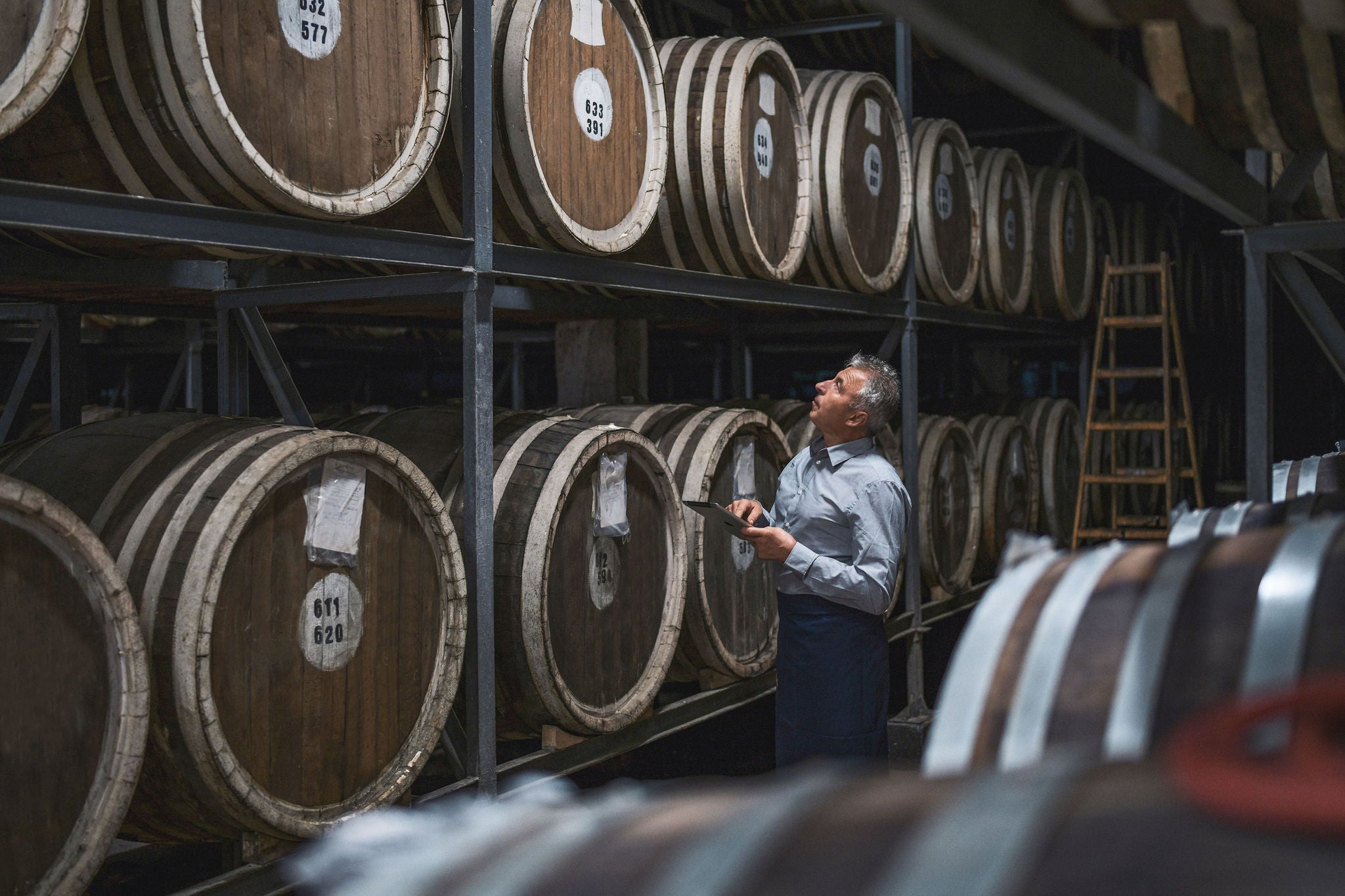
Two men working at a winery checking the quality of the wine
2

The better the answer

Modernising employee journeys and IT operations

Lion transforms HR, IT and finance workflows for holistic, AI-ready employee journeys through ServiceNow.

In the next phase, the company advanced into a new phase of its six-year digital transformation program, with EY teams focused on enhancing the end-to-end employee experience and consolidating ServiceNow as the enterprise orchestration layer for HR, IT and finance. The program has prioritised three main objectives:

  1. Level zero self-help and broader self-service adoption
  2. Data, taxonomy and CMDB standardisation to improve search and automatically direct requests to the appropriate resource, knowledge or workflow
  3. A repeatable operating model for continuous improvement and phased AI adoption 

To achieve this, Lion implemented three structured workstreams focused on people experience design, platform orchestration and operational enablement. The process began with discovery workshops that mapped the entire hire-to-retire employee lifecycle. EY teams facilitated cross-functional sessions involving HR, People & Culture, IT and frontline stakeholders. During these sessions, they identified pain points and converted them into user stories, establishing future-state journeys and success criteria. This collaborative effort ensured that the ServiceNow platform was synchronised with the redesigned workflows.

Emma Martin, People Experience Director at Lion, described the collaboration between Lion, ServiceNow and EY teams as a “truly one team” approach with an open book model of transparency across the board that led to a very productive engagement.

"We wanted to maximise the value of our existing technology investments, streamline operations and deliver a seamless people experience", she says. "Our partners have played a significant role in our business transformation journey".
 

EY experience designers produced rapid wireframes and prototypes for key journeys, validated through lab-style scenarios with real Lion employees from office, retail and manufacturing business lines. “We proactively get qualitative feedback on system performance and UX from real users, where they complete tasks in the first iteration of the built system so we can determine what works, what confuses them, and what they value. We then track that with an index around usability as we progress through the build process,” describes Peter Fox, EY Oceania HR Transformation Leader.
 

ServiceNow’s in-built platform orchestration made it possible for it to be the single experience and workflow layer, creating a front door for HR, IT and finance. Lion’s existing processes were re-engineered, consolidating knowledge, catalog and workflow assets and rationalising prior legacy configurations into the single platform. EY teams also integrated SAP SuccessFactors for HR master data, DocuSign for signatures and discovery tooling to automatically maintain the CMDB. The IT transformation encompassed migrating support functions from Cherwell into ServiceNow IT Service Management (ITSM), including redesigned service catalogs, seamless case routing and new IT Operations Management workstreams (ITOM) aligned with Lion’s technology and operational processes.
 

Knowledge content was optimised to support continuous future automation, such as virtual assistants. EY teams developed the frameworks and models required to support ServiceNow’s generative AI (GenAI) assistant, NowAssist and other virtual agent pilots in future phased releases.
 

Following platform delivery, EY teams supported Lion’s transition to a managed services model much ahead of their original six-year plan. Applying the people-first philosophy from the company’s employee experience program, managed services focused on continuous improvement across ITSM, ITOM, HR and risk functions. Major initiatives included enhancing workflows and task routing and simplifying interactions to reduce effort for employees, creating a sustainable operating model that evolves and incrementally grows Lion’s range of ServiceNow capabilities.
 

Collectively, these foundations established a cohesive, future-facing platform that positioned Lion to boost AI adoption and deliver improved service efficiency, AI-powered automation and employee experience.

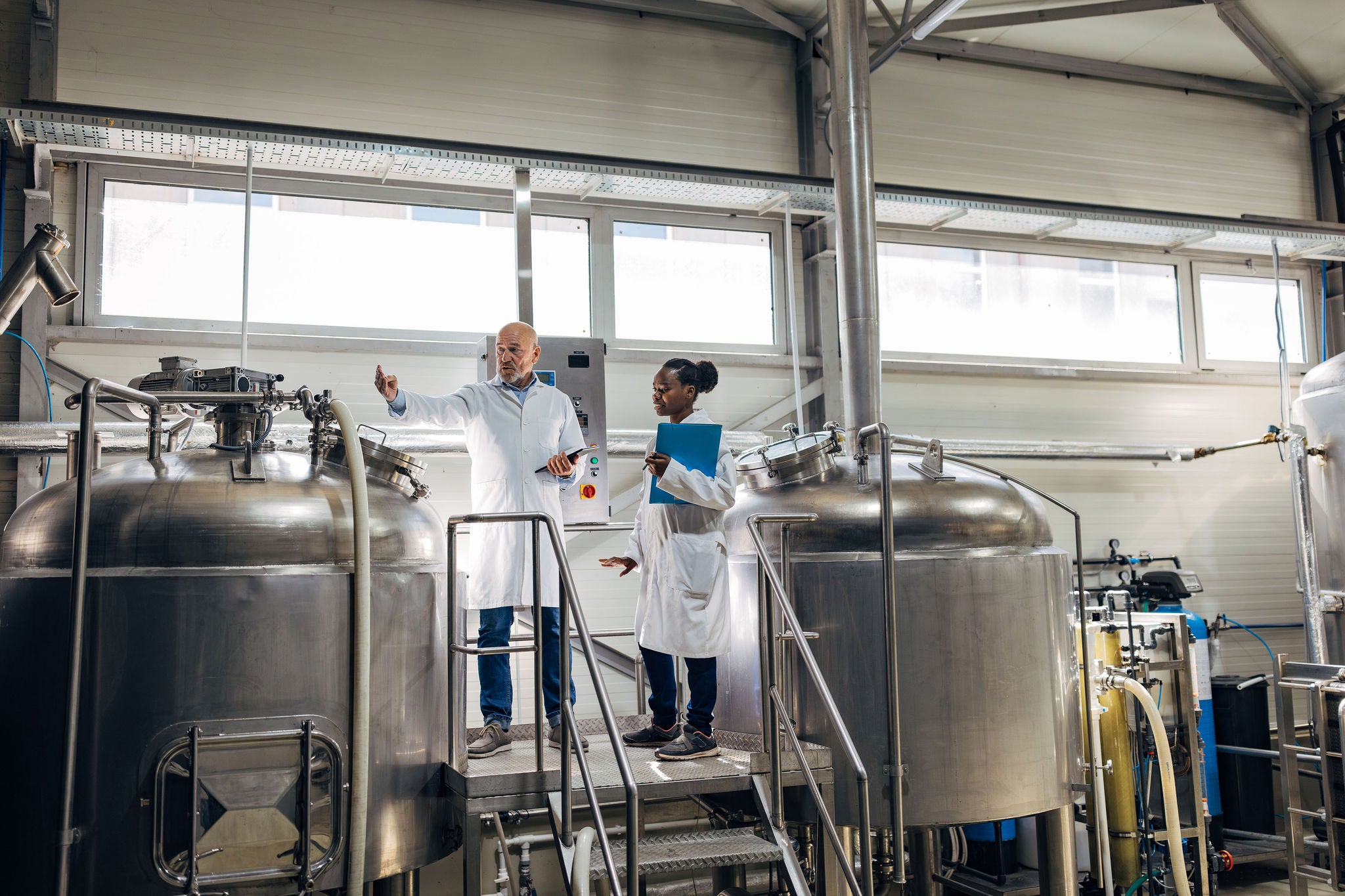
A senior brewery technologist explains to a younger female colleague how the beer filtering and brewing machine works
3

The better the world works

A blueprint for service innovation and workforce transformation

Lion’s unified ServiceNow platform empowers employees, mitigates risk and enables a governed AI foundation to drive future-ready innovation.

What began as an initiative to revolutionise Lion’s people’s experience has grown into an ever-evolving transformation, built on a platform that accelerates service delivery, reduces risk and offers cutting-edge capabilities for ongoing innovation.

Lion’s employees have quickly adapted to the modernised workflows, which empower them to take control of their own experiences and contribute to driving the business forward. By stabilising ServiceNow and implementing a consistent, CSDM-aligned taxonomy across HR and IT, Lion and EY teams have unified the employee experience.

As a result, over 95% of cases across 49 People & Culture services are now managed through a single ServiceNow portal, replacing more than 56 legacy channels.

Self-service surged by
200%
200%
through the portal, following the go-live.

Following the go-live, self-service usage through the portal surged by 200%. In the first seven months, Lion’s employees accessed IT and HR knowledge over 14,000 times and rated approximately 250 articles as highly useful.

Lion looked at the whole employee experience across the lifecycle, redesigned that journey to be more efficient and simpler for their people, and then put ServiceNow behind it.

“Lion looked at the whole employee experience across the lifecycle, redesigned that journey to be more efficient and simpler for their people, and then put ServiceNow behind it with self-service and tracking of cases to make it a much more seamless experience,” says Douglas Regan, EY Oceania Consulting Market Segment Leader. “At the same time, they also significantly increased their employee satisfaction for leveraging and working with HR, and they keep evolving.”

Resolution time has been reduced half and is driving a
75%
75%
faster customer response speed.

Lion’s automated workflows, accelerated adoption, and easily accessible knowledge have also translated into performance quality, reducing resolution time by half and driving 75% faster customer response speed for People Services. Task success increased by 40% and first-contact resolution for employee requests also improved 87% due to seamless journeys and accurate routing. The impact is further demonstrated in the 85% satisfaction rate employees express towards People Services.

Strengthening Lion’s IT and risk capabilities were critical to enhancing enterprise resilience. The company substantially decreased ticket categories by centralising IT support into ServiceNow ITSM and optimising the CMDB. A robust, integrated risk management environment also lowered active cyber risks by 60%.The benefits of these combined effects, along with increased case automation and minimal handling time, led to a roughly 30% improvement in operating costs across the company’s People function.

The benefits of these combined effects, along with increased case automation and minimal handling time, led to a roughly
30%
30%
improvement in operating costs across the company’s People function.

“Lion and EY teams worked side by side to overhaul the knowledge estate,” says Erhan Stephenson, Director, Technology Consulting, Ernst & Young Australia Operations Pty Limited. “Lion brought in copywriting expertise, while EY teams provided the analysis, structure and governance needed to make it sustainable. On the ITSM side, we delivered the logical workflows, design documentation and configuration governance that Lion needed to run the platform effectively.”
 

The platform’s governing AI foundations ensure new capabilities roll out gradually and are validated against usability KPIs and SLAs. Early NowAssist and virtual agent pilots achieved 25% containment, showing that GenAI can cut support costs, speed resolution, and scale personalised support when built on structured knowledge and clear user needs.

Building a program fit for the future
 

Buoyed by these results, Lion is accelerating its transformation program towards an increasingly predictive, agile operating model that evolves alongside changing workforce needs.

The company’s experience offers a practical template for organisations responding to talent shortages, cost pressures and rising digital experience expectations, built on four repeatable principles:

  1. Redesign work before automating: Ensure processes are user-centric before integrating technologies, preventing potential inefficiencies from being systematised.
  2. Unify data and taxonomy: Standardise information to enable accurate search and discovery and ensure requests are routed consistently.
  3. Incorporate real users in iterative testing: Continuously validate solutions with employees to identify any friction points, refine experiences and stimulate adoption.
  4. Integrate governance: Establish clear ownership and controls to scale innovations safely and securely without operational disruption.

“Lion is a great example of how digital transformation in consumer goods goes well beyond employee services,” notes Stephenson. “As one of Australia’s leading beverage companies, operational continuity is critical. By integrating IT and OT visibility with proactive risk management, Lion created guardrails to anticipate and mitigate incidents before they affect production. On the supply chain side, that means breweries keep running so customers can keep enjoying the products they love."


Related topics

Contact us

Like what you’ve seen? Get in touch to connect with our specialised teams and learn more.

Explore case studies

Learn how EY teams help our clients solve their toughest issues and shape their future with confidence.