

EY refers to the global organization, and may refer to one or more, of the member firms of Ernst & Young Global Limited, each of which is a separate legal entity. Ernst & Young Global Limited, a UK company limited by guarantee, does not provide services to clients.
Recent Searches
Irish shoppers plan a purposeful Christmas: smart spending, in-store shopping, and transparency define festive choices.
In brief
- 84% of Irish adults feel the same or worse off than last Christmas: Yet they’re still determined to celebrate, just more intentionally.
- 30% plan to trade down more this year: Over 50% will mix branded favourites with private labels.
- 70% of shoppers will do most of their Christmas shopping in-store: Physical retail remains central despite digital convenience.
Every Christmas, Irish retailers prepare for the familiar rhythm of the festive season. Lights go up, local town centres switch on their Christmas displays, and shoppers begin the annual search for gifts, groceries and the seasonal traditions that make the holidays feel special. For many households, the season truly begins with the Late Late Toy Show, the first play of Christmas FM, and the Christmas lights beaming across the country’s towns and villages. Even in challenging economic times, the season has historically brought a welcome lift for retailers. This year, however, they are encountering a different kind of consumer, one defined less by caution and more by intention.
Irish consumers are approaching Christmas with a mindset shaped by early planning, sharper value awareness and a desire to stay firmly in control. People want to enjoy the season and enjoy it confidently. They still want the traditions: the Christmas Eve pyjamas, the first tin of Roses, the “big shop” that somehow fills the trolley faster than expected. But they want all of it without the financial sting in January.
Their behaviours are more considered, their priorities more intentional, and the tone of the season noticeably calmer than last year. People are feeling cost pressure, but they are not stepping back from Christmas, they are approaching it on their own terms.
These insights are drawn from the EY Ireland Consumer Pulse, with research from 1032 nationally representative adults in November 2025.
The mindset shifts behind Christmas 2025
Smart spending becomes the new status
Where and how shopping decisions happen
Price, trust and the new rules of retail credibility
Practical priorities and financial realism shaping 2026

1
Chapter 1
The mindset shifts behind Christmas 2025
Households across Ireland are entering the festive season with a measured, purposeful mindset. 84% of adults feel either the same or worse off than last Christmas, with over 40% saying they feel actively worse off. This sense of strain is sharpest among adults aged 35 to 54, who typically juggle the combined pressures of mortgages, childcare and daily costs. Those aged 18 to 34 report slightly greater balance in their finances, while those aged 55 plus are most likely to say they are “just about managing”.
This more cautious tone has been building for several years. People are preparing earlier, checking value more carefully and planning more intentionally. The early preparation often begins as soon as Halloween products disappear, and retailers ramp up toy and beauty advertising. It continues through Black Friday and peaks during the supermarket queues in the final days before Christmas.
The economic uncertainty of recent months, shaped in part by US tariffs and shifting global trade signals may have abated somewhat, but the behaviours it fuelled have not disappeared. The instinct now is to plan calmly and protectively.

Consumers are not trying to shrink Christmas. They are simply removing the elements that no longer feel worth the spend.
Recommendations
Strengthen confidence through simplicity and transparency. Irish shoppers value straight talking, especially at Christmas. The instinct to know where you stand runs deep in Ireland, and people want to feel they are making grounded decisions without hidden catches. Simple, honest, transparent messaging aligns well with a season built on tradition and reliability and will remain critical as consumers carry this mindset into early 2026

2
Chapter 2
Smart spending becomes the new status
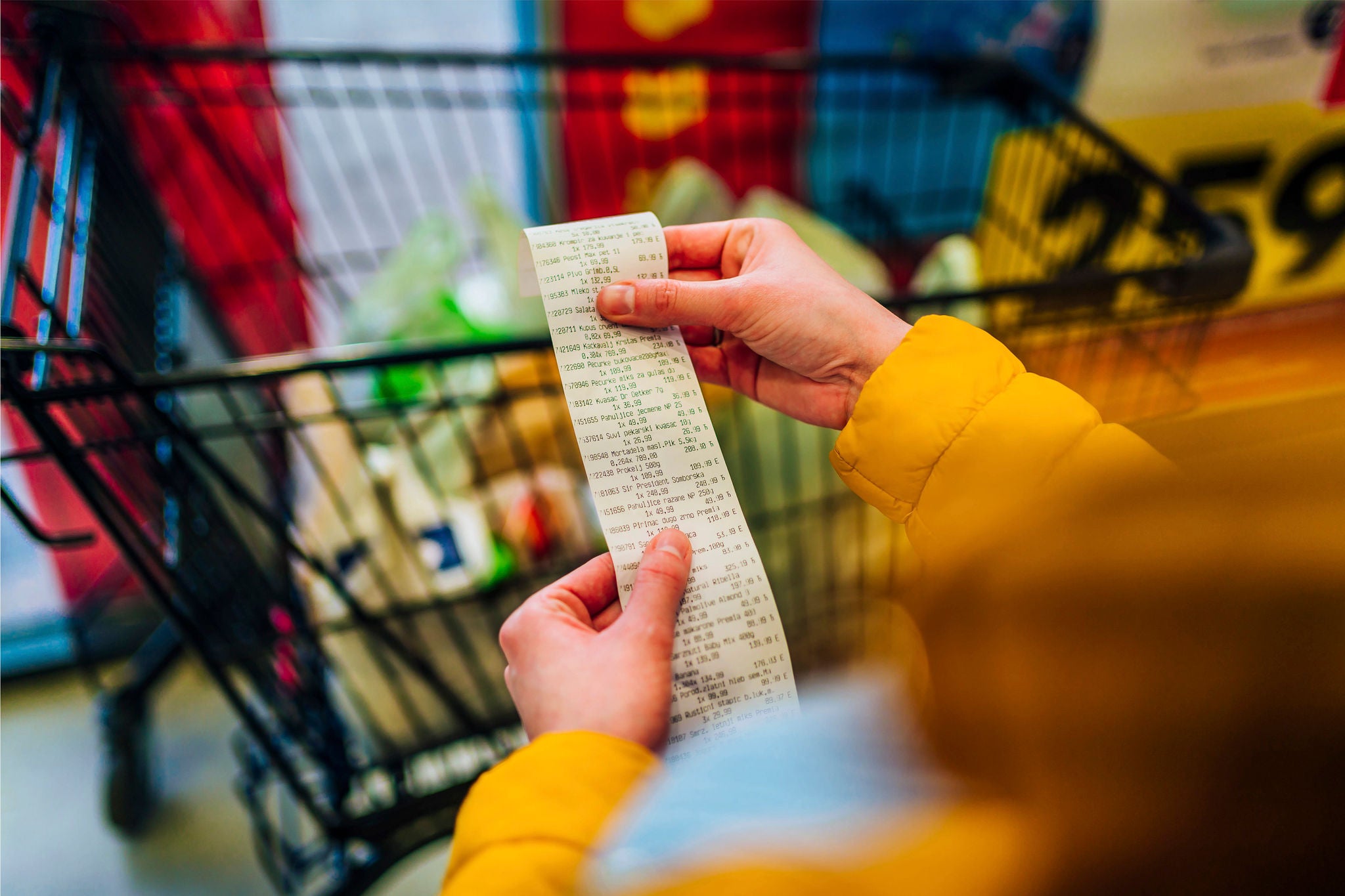
One of the clearest shifts this year is the rise of smart spending as the new norm. Thirty percent plan to trade down more this Christmas and over half (51%) expect to mix branded favourites with private label alternatives. Only 9% say they will prioritise quality at any cost.
This behaviour is most common among those aged 18 to 34 and 35 to 54, who are stretching their budgets carefully across categories. The 55 plus cohort remain more loyal to traditional brands, but even among this group, selective trading down is gaining ground.
Households are protecting premium spending for meaningful moments e.g. Christmas dinner or memorable gifts, and shifting to smarter alternatives for everyday or functional categories.
Private label sits at the centre of this trend. Many consumers enjoy the sense of achievement that comes with choosing an own label product that performs better than expected. Spending wisely has become its own subtle form of status. Sharing that a store brand dessert outperformed a premium version has become a quiet point of pride in many homes.
Gender plays a role too: women are more likely to curate carefully across ranges, while men show stronger loyalty to trusted brands in certain categories. But across all groups, the instinct toward smarter spending is now firmly embedded.
Recommendations
Build a private label range that feels aspirational, not compensatory. Trading down in Ireland is rarely only about saving money. It is about feeling clever, practical and in control. Consumers respond best to private label quality cues that are honest and understated. A private label range that quietly overperforms aligns perfectly with Irish Christmas culture where value and pride often sit side by side and this behaviour will persist into the new year as financial realism shapes everyday choices.

3
Chapter 3
Where and how shopping decisions happen
Despite the growth of digital convenience, the physical store remains at the heart of Christmas shopping. More than 70% of adults expect to do most of their Christmas shopping in store. For those aged 55 plus, the store offers reassurance, immediacy and the chance to see and assess products directly. Those aged 35 to 54 also lean heavily on stores for key seasonal purchases where confidence matters most. For many, in-store shopping is simply part of the quintessential Christmas experience, from comparing festive jumpers, to smelling a scented candle and seeing the season in real life.
Even digitally dominant adults aged 18 to 34 rely strongly on stores for inspiration and final decision making. They use digital tools earlier in their journey, but the store is where decisions crystallise.
The younger cohort is introducing a new behaviour into the Christmas retail cycle: 33% of adults aged 18 to 34 have used AI tools for gift ideas, budgeting, or product discovery. Women tend to use AI for planning and budgeting, while men use it more for comparing products and exploring alternatives. Rather than narrowing choices, AI helps people organise and refine their Christmas lists, it’s the digital equivalent of the handwritten gift list tucked inside an old Christmas TV Guide.
What’s striking is how quickly AI use is accelerating. Recent findings from Marketing Institute Ireland shows half of all Irish adults now use AI for personal or work purposes, up from just 38% six months ago. This rapid growth signals that AI’s influence will extend well beyond Christmas, shaping how consumers plan, shop, and make decisions throughout the year.
Those aged 55 plus remain far less likely to use AI, relying instead on clarity, trusted brands, personal service, and straightforward physical navigation. But as AI becomes mainstream, its role in helping consumers feel informed, organised, and in control is set to become a defining feature of the Irish retail experience—not just for the festive season, but into 2026 and beyond.

These principles will remain relevant well beyond Christmas as consumers expect consistency and confidence across channels throughout 2026.
Recommendations
Optimise stores for experience and make sure omni channel delivers on its promises.
Shoppers still see the store as central to the Christmas experience. They want to see products with their own eyes, especially for gifts and food. That means retailers should:
- Make store layouts intuitive, calm and easy to navigate
- Ensure strong signposting and real human help
- Align the digital journey with what shoppers encounter in store
- Help people move seamlessly from online planning to in store purchasing

4
Chapter 4
Price, trust and the new rules of retail credibility
Price still plays a central role in Christmas decision making, but it now sits alongside something deeper: trust. Consumers want value but they want it from retailers who feel consistent, transparent and dependable.
Those aged 55 plus place the highest emphasis on reliability and quality, with men in this group particularly loyal to trusted brands. Adults aged 18 to 34 remain the most price sensitive and are comfortable exploring alternatives. Women across all age groups place strong emphasis on clarity, transparency and consistent product quality.
A notable insight this year is the sharp rise in awareness of price movements linked to global pressures. Seven in ten adults say they have noticed price changes that they associate with trade disruption, tariffs or shifting supply conditions.
Most link these changes to groceries and household goods, categories where even small movements are quickly felt. Consumers accept that the world has become more volatile. However, they want straightforward information rather than technical detail, and they want reassurance that retailers are taking steps to manage cost pressures responsibly.

Behind the scenes, many businesses are already moving in this direction. Supply chains are being revisited. Product ranges are being simplified. Logistics routes are being shortened and diversified. Operational efficiency programmes are being accelerated. Each of these actions gives retailers more control over cost volatility and reduces reliance on long, fragile global networks.
When consumers understand that retailers are taking these types of steps, credibility increases, and price movements feel less arbitrary.
Recommendations
Build credibility through direct, transparent communication. Irish consumers want retailers to be upfront about cost pressures and clear about the steps being taken to protect value. Transparent communication strengthens trust and positions retailers as active stewards of stability in a market where global uncertainty is increasingly part of everyday shopping. This trust signal will matter even more as volatility continues into 2026.
5
Chapter 5
Practical priorities and financial realism shaping 2026
As Christmas fades, households across Ireland shift quickly into reset mode. The optimism of the season gives way to a focus on the year ahead. Some consumers do not expect their financial circumstances to improve in 2026. Just over one in three anticipate their standard of living will worsen, while about half believe it will remain the same. This sense is particularly evident among those aged 35 to 54 and those in lower income groups. It creates a financial backdrop where caution feels not only sensible but necessary.
This financial mindset directly shapes how people intend to start the new year. January has always carried a sense of renewal, but this year the focus is far more practical. Two priorities dominate: improving health and getting finances back in order after Christmas.
These intentions translate into clear retail signals. People are not looking for radical transformation or high spend commitments. They want straightforward ways to feel better and regain a sense of financial control.
That includes:
- Healthier everyday food choices
- Practical wellness products that feel achievable
- Nutritious, quick cook solutions that support busy routines
- Small, budget friendly upgrades that reinforce progress without financial strain
Recommendations
Make health and financial reset feel realistic and attainable. Predictable pricing, meaningful loyalty rewards and clear communication will be essential in early 2026. Retailers who position wellness and value as practical, grounded and easy to integrate into daily life will resonate most strongly with consumers who are entering the year with cautious expectations and a desire to rebuild stability.
Conclusion: A season of discipline, intention and opportunity
Christmas 2025 is defined by an Irish consumer who is thoughtful, savvy and determined to balance celebration with control. People are not pulling back from the season. They are simply navigating it with more deliberation. The rituals remain, but every choice is now shaped by purpose.
Value is no longer defined by low prices alone. It is defined by clarity, transparency, confidence and alignment. Retail winners will recognise that these behaviours are not seasonal, they will persist into the new year. Retailers who respond authentically and with purpose will not only win the festive season but will also enter 2026 with deeper loyalty, stronger credibility and a more resilient position in a market that rewards understanding the consumer mindset.
Summary
Irish shoppers plan a mindful Christmas, balancing tradition with control. 84% feel the same or worse off than last year, yet celebrations remain intentional. Smart spending leads: 30% will trade down, over half mix brands with private labels. In-store shopping dominates, while transparency and trust shape choices into 2026.