

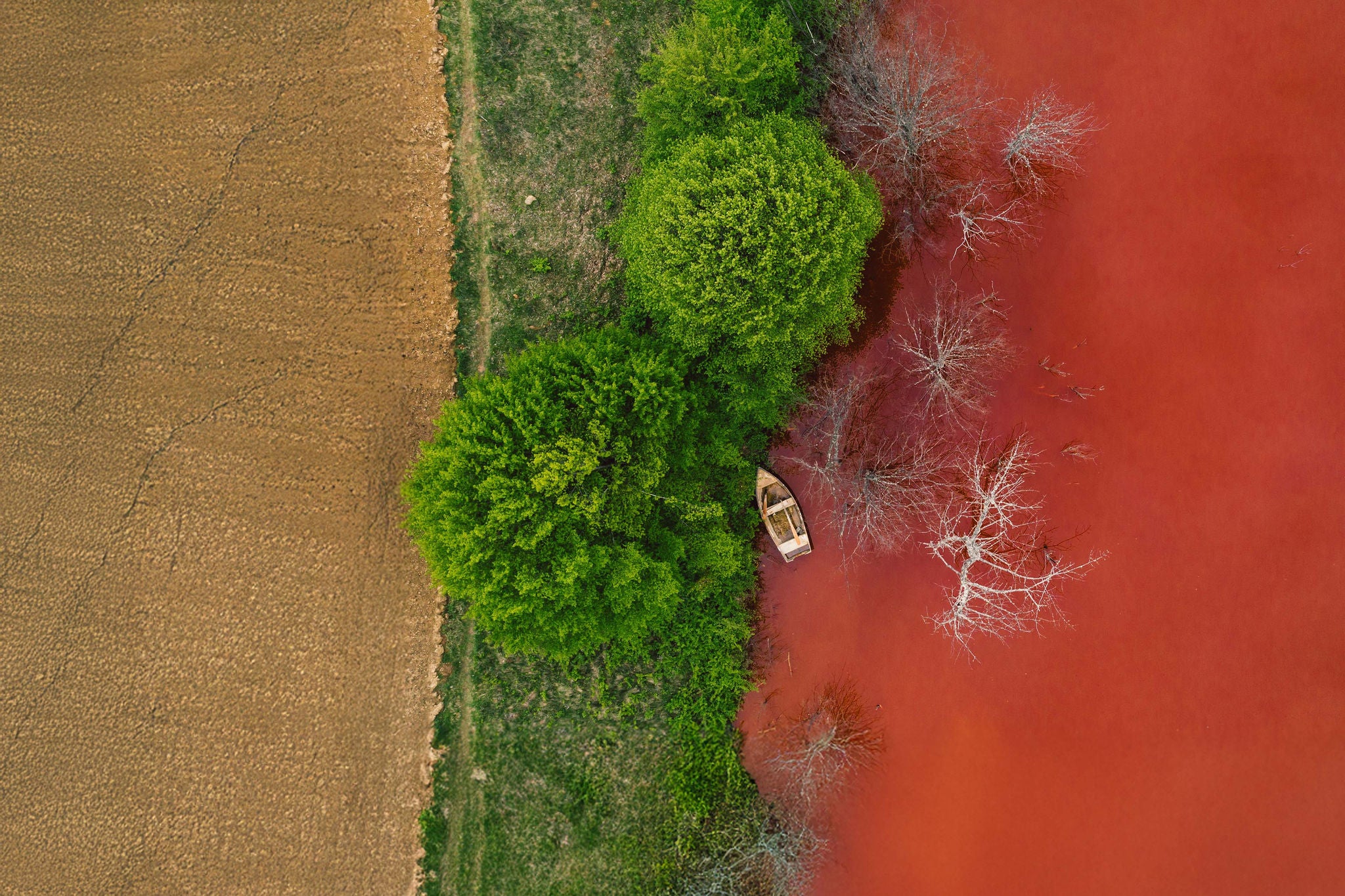



Drone view of contaminated, toxic water stream in Geamana, Romania

What if nature was your next growth strategy?

Nature is not just an environmental issue – it’s a source of innovation, resilience, and new value for business leaders who are ready to act.


In brief:

  • Every major business challenge – from inflation to AI to climate change – intersects with nature.
  • 93% of companies mention nature in disclosures, but just 26% align with TNFD.
  • Only 3% of companies have set goals aligned to a nature-positive ambition.
  • The next wave of growth will belong to companies that act now: aligning with nature-positive ambitions and robust reporting frameworks.

Every major geopolitical, economic, environmental and social challenge we face today intersects with nature in some way, from high food prices that fuel inflation, to deforestation accelerating climate change, to AI-driven data centres consuming vast volumes of water.


Almost every company says it cares about nature. But when it comes to reporting that matters – disclosing the risks, dependencies and financial impacts – most currently fall short.


The first EY Global Nature Action Barometer reveals a stark disconnect. Just 26% of companies are aligning their reporting with the Taskforce on Nature related Financial Disclosures (TNFD) framework, even though 93% mention nature somewhere in their public disclosures. Just 3% have set nature-positive goals.


Without decision useful information, boards, investors and regulators can’t price risk accurately or direct capital toward nature-positive action. And that action is urgent.


Why this matters for Australia

Nearly half (49%) of Australia’s GDP is moderately or highly dependent on nature. From agriculture and forestry to mining and tourism, our economic prosperity is inseparable from healthy ecosystems.


Globally, the signs are dire. One million species face extinction, 75% of land and 66% of oceans have been significantly altered by human activity, and wildlife populations have declined by 73% since 1970.


Climate change is compounding the damage, with extreme weather events disrupting ecosystems already under pressure from pollution, overfishing and land degradation.


Nature is not only a casualty of climate change; it’s also one of our best defences. Forests absorb around 2.6 billion tonnes of CO₂ annually. Coral reefs, mangroves and wetlands protect coastlines from floods and storm surges. Without urgent action to halt nature loss, the systems we rely on will begin to fail.


Regulatory momentum is moving in a clear direction. Australia has introduced mandatory climate related financial disclosures for large businesses and financial institutions. There are strong signals that mandatory nature reporting is likely will follow.

We need move away from our historical exploitative relationship with nature, toward a more symbiotic relationship, where we learn from nature and let nature teach us about its own regeneration. This must include recognising and elevating Indigenous Peoples as knowledge holders, whose stewardship and wisdom offer essential guidance for restoring balance and resilience.

So why aren’t more companies acting?

Despite growing awareness, disclosure of meaningful action on nature is still limited.


In Asia-Pacific, 94% of companies reference nature in their disclosures, yet only 25% fully align with TNFD, the globally recognised framework for material nature-related information. This is line with global figures.


This gap between awareness and action is particularly concerning for sectors with high exposure to nature loss, including agriculture, forestry, mining and tourism – all central to the Australian economy. Many companies still don’t know what good looks like, or how to define success beyond compliance.


Globally, the financial sector, a key lever for change, is lagging with an alignment score of just 23%. Without clear, decision-useful disclosures, trillions of dollars remain exposed to biodiversity risk.


Why TNFD alignment matters

TNFD is the current global consensus on what constitutes material information about nature-related risks and opportunities. Companies that do not disclose in line with TNFD risk failing to provide investors, boards and regulators with the information needed for effective decision-making. This can result in mispriced risk, missed opportunities, and reduced access to capital as market expectations shift.

Why some companies aren’t disclosing — yet

Only 13% of companies have published a standalone TNFD report or integrated TNFD content into their disclosures. That leaves most stakeholders without a clear picture of risk or opportunity.

This lack of transparency doesn’t necessarily indicate the absence of a plan. Some companies may be deliberately withholding information, wary of legal risks if they fail to meet their public commitments or concerned about revealing commercially sensitive strategies.

Yet, non-disclosure carries risks of its own. Without clear reporting, businesses may reduce their visibility to emerging risks, undermine their own resilience, weaken stakeholder trust and miss critical opportunities to evolve their business models in step with markets and regulation.

Nature as strategy

Nature isn’t just a compliance issue. With the right strategy it can be a competitive edge. EY analysis identifies eight ways that nature can unlock value:

  1. Innovation and business model transformation: From regenerative agriculture and circular packaging to reef restoration and urban greening, nature-positive models open new markets.
  2. Access to capital and new markets: Companies that take a proactive stance on biodiversity and ecosystem health are more attractive to investors seeking nature-aligned portfolios to manage their risks, protect their reputations and navigate evolving regulation.
  3. Cost savings and efficiency: Nature-positive practices, like sustainable land management and waste reduction, reduce operational costs. Savings can be funnelled into innovation and business model transformation.
  4. Regenerative practices: Restoring soil health, enhancing biodiversity and improving water cycles can boost long-term corporate resilience and sustainability while reducing costs and making better use of resources.
  5. Talent attraction and retention: Purpose-driven organisations are winning the talent race. A recent global survey from the IBM Institute shows 71% of employees want to work for environmentally responsible employers.
  6. Brand and reputation uplift: Analysis by market research firm Kantar found brands with strong environmental credentials grew 20% more over four years than those with weaker sustainability profiles.
  7. Partnerships and collaborations. Collaborating with local communities, Indigenous groups, universities, environmental organisations, government agencies and other industry peers shares resources, unlocks innovation and enhances credibility.
  8. Climate resilience. Protecting against physical climate risks, reducing adaptation costs and lowering emissions support sustainable livelihoods, empower local communities and safeguard Indigenous land rights.

The opportunity for leadership

When we developed the EY Global Nature Action Barometer, we did so to create a springboard for action, not just reflection. So where should Australian companies start?

The EY report recommends using the LEAP assessment framework to evaluate how your operations and value chain depend on land, water and biodiversity:

  • Locate your interface with nature
  • Evaluate your dependencies and impacts
  • Assess your risks and opportunities
  • Prepare to respond and report

Begin aligning with TNFD today, before regulation makes it compulsory. What counts isn’t a perfect report tomorrow, but the decision to start today.

And engage Indigenous knowledge. Oceania’s rich Indigenous heritage offers valuable insights and practical guidance for nature-positive strategies and stakeholder engagement. Embedding these perspectives builds trust, strengthens resilience and helps protect the natural systems we all depend on.

Summary

Our region is rich in biodiversity, home to half the world’s rainforests and mangroves and 70% of the planet’s Indigenous communities. Businesses that put nature at the centre of their strategy can unlock new value, attract investment and talent, and strengthen long-term resilience. The next wave of growth belongs to companies that act now – and grow with nature, not at its expense.

About this article

Related articles

How can reporting shape a nature-positive future?

The EY Global Nature Action Barometer suggests that companies have not yet developed sufficiently robust reporting on nature. Read why.

2035 climate target: Eight keys to achieve net zero

EY Net Zero Centre’s latest report shows most emissions cuts to 2035 can reduce costs. Learn why this target matters – and what business and government can do now to stay ahead.

What makes today’s climate leaders tomorrow’s business leaders?

The 2025 EY Global Climate Action Barometer highlights how proactive climate action can present a valuable strategic opportunity for companies. Read now.

Emma Herd + 1

How can the net zero transition create a nature-positive advantage?

Explore how Australia’s net zero goals could support a nature positive economy, biodiversity conservation, environmental protection and sustainability.