





EY refers to the global organization, and may refer to one or more, of the member firms of Ernst & Young Global Limited, each of which is a separate legal entity. Ernst & Young Global Limited, a UK company limited by guarantee, does not provide services to clients.
Recent Searches
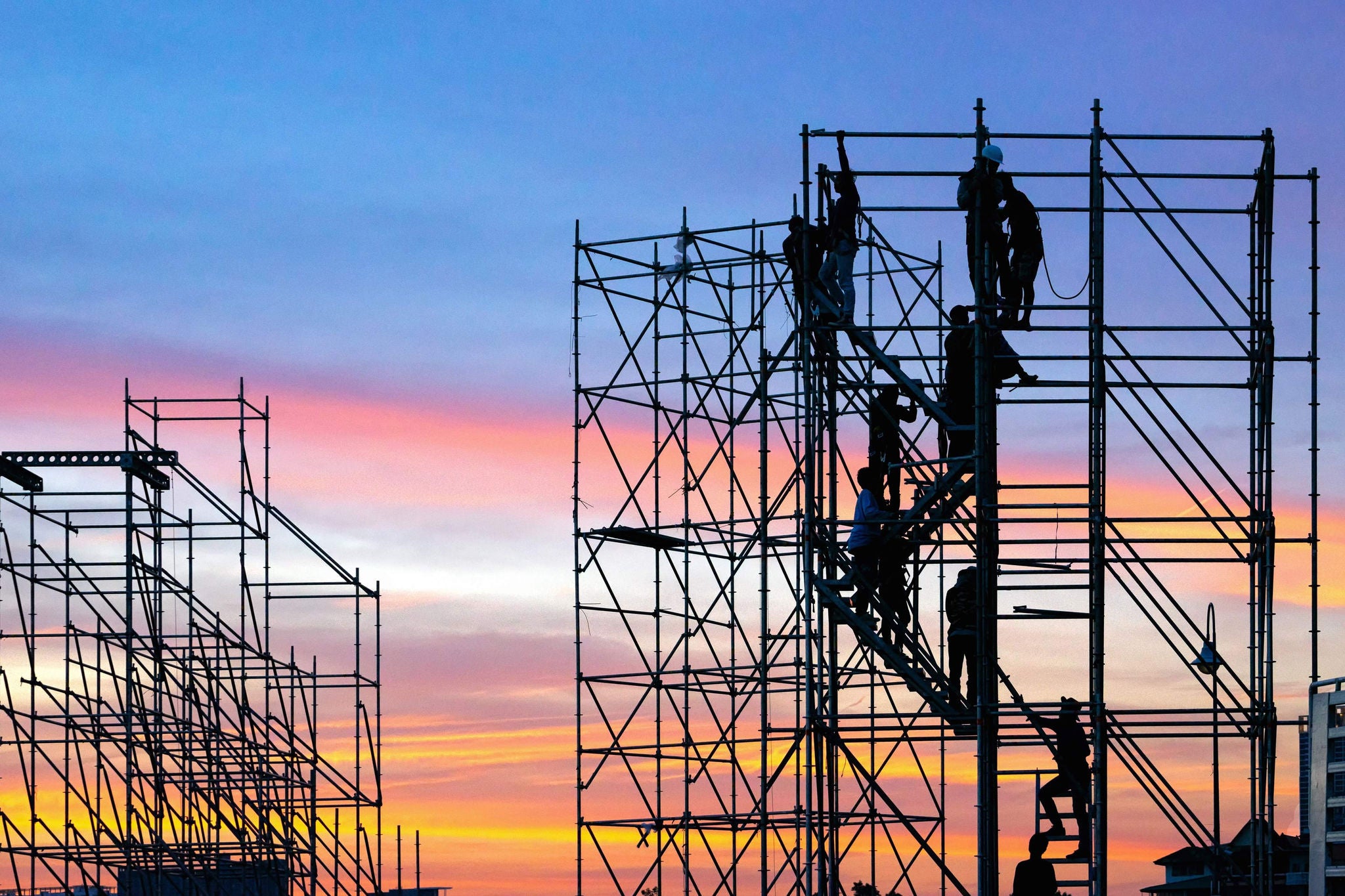
Explore Ireland's urgent need for streamlined decision-making and collaboration to build critical infrastructure, ensuring sustainable growth and improved living standards.
In brief
- The National Development Plan outlines a €275 billion investment in critical infrastructure, focusing on housing, energy, and transport by 2035.
- Streamlining decision-making and early stakeholder engagement are essential for accelerating project delivery and overcoming existing challenges.
Infrastructure for a Growing Nation: Fast-Tracking Ireland’s Foundations for Growth
The National Development Plan Review, published in July, outlined a €275 billion investment in Ireland’s infrastructure by 2035, with €100 billion for housing, energy, water and transport projects by 2030. The review was a welcomed announcement and demonstrates the commitment and ambition of the Irish government to invest in Ireland’s infrastructure to support in securing Ireland’s economic prosperity and improving the lives of Irish citizens.
The National Development Plan (NDP) and National Planning Framework were first published in 2017 and set out 10 National Strategic Objectives and Strategic Investment Priorities. While many of the projects announced in 2017 have progressed, many critical and large projects are still in planning phases. Since the initial publication, there have material challenges faced by the country: the COVID-19 pandemic, the Russia-Ukrainian War, and now a changing geopolitical environment.
The 2025 NDP Review takes account of these challenges and acknowledges the need for Ireland to expedite the delivery of critical infrastructure in order to protect Ireland’s economy against an uncertain global economic environment. The challenge now is clear: Ireland must move rapidly from planning to execution.
Streamlining Decision Making
Funding is no longer the issue. Ireland now has the financial firepower to invest. The real obstacle is how projects are managed and approved.
Delivering on the NDP will require a whole-of-government effort. Ireland has proven before in its Jobs Initiatives during the Global Financial Crisis and in its rapid COVID-19 response that it can mobilise quickly across government, agencies and industry when the stakes are high. Infrastructure delivery now demands the same urgency.
While safeguarding exchequer funding and investment is important, a more progressive approach to assurance is needed.
Early engagement with key decision-makers during the project planning phase, rather than waiting for late-stage reviews would allow issues to be resolved upfront and accelerate approval timelines. International examples, from Australia to Scandinavia, show that streamlined decision-making and upfront stakeholder engagement can significantly reduce project delays and cost overruns.
Talent Attraction and Skills Development
Ireland’s ability to deliver infrastructure at scale will hinge on talent. The pipeline of projects under the NDP should be marketed internationally, not only to attract world-class expertise but also to encourage Irish talent working abroad to return home. These projects, from MetroLink to renewable energy hubs, are “career-making” opportunities that can position Ireland as a global centre of excellence in project delivery.
At the same time, long-term investment in education and training programmes will be critical to build the workforce at home. The projects of the next decade will require diverse skillsets from advanced engineering to digital project management, that cannot be sourced internationally alone.
Government must also work closely with the private sector, who will play a central role in delivering these projects, to attract, develop and retain the skills needed out to 2035 and beyond. Public-private collaboration on apprenticeships, skills development programmes and leadership training will ensure that Ireland builds not just infrastructure, but also a sustainable workforce to deliver it.
Prioritisation of Critical Infrastructure
The urgency is most obvious in housing. ESRI estimates that Ireland needs around 80,000 additional construction and infrastructure workers to meet national housing and infrastructure goals, with many of them likely to come from abroad. That raises an immediate challenge: how do we provide homes for the very workers we need to build more homes?
But housing cannot be addressed in isolation. Enabling infrastructure such as electricity, water, waste and transport must be planned and prioritised in parallel. Housing projects will not succeed unless the grid, water systems and transport networks are upgraded to support them. These interdependencies need to be recognised and sequenced accordingly.
Grid upgrades, renewable capacity and security of supply are inseparable from Ireland’s broader infrastructure agenda and must be treated with the same urgency as housing.
Leveraging the Private Sector
The scale of Ireland’s ambitions cannot be met by the State alone. The private sector will be a critical partner in planning, financing and constructing infrastructure. Leveraging private sector expertise, innovation and efficiency is essential to deliver at pace and scale.
Public-private partnerships (PPPs), when designed effectively, can unlock both capital and know-how for projects of national importance. Alongside PPPs, new contracting models such as the New Engineering Contract (NEC) frameworks provide for fairer risk-sharing and drive collaboration between government and industry.
To succeed, the State must also invest in building the commercial and project management skills needed to manage these partnerships effectively. By combining public accountability with private-sector innovation, Ireland can accelerate delivery while maintaining value for money.
A National Conversation on Growth
Finally, Ireland needs a more open conversation about the shape of its future growth.
The national conversation needs to focus on the long-term benefits that investment in infrastructure brings to communities and future generations, whether that’s improved housing availability, cleaner energy, better transport, or new employment and training opportunities.
Summary
Ireland now has the funding, the demand and the opportunity to build. The path forward lies in streamlining approvals, so projects move faster from planning to delivery, aligning housing with the utilities and transport it depends on, securing energy reliability as a competitiveness issue, attracting experienced project leaders, reforming procurement, making better use of partnerships and embedding modern construction methods.
Related articles
Unlocking capital: Strategies for Ireland's entrepreneurial growth
Unlocking private capital in Ireland's entrepreneurial ecosystem is crucial for growth. Explore strategies to enhance investment opportunities.
Creating an economy where innovation thrives
Explore how Ireland can become Europe's innovation hub through strategic investments and policy reforms. A roadmap for a thriving economy.
Building Ireland’s Resilience: Securing our Future in a Volatile World
Explore Ireland's strategic imperative for resilience in energy, data, and services amid geopolitical shocks and evolving security threats.
Ireland’s R&D Tax Regime: A Make-or-Break Moment for Competitiveness
Explore how Ireland's R&D Tax Regime can drive innovation and competitiveness through strategic reforms and increased support for businesses.
Shaping the Future Beyond Budget 2026 with EY
Stay up to date with real-time insights and expert analysis to make informed decisions beyond Budget 2026 with confidence.