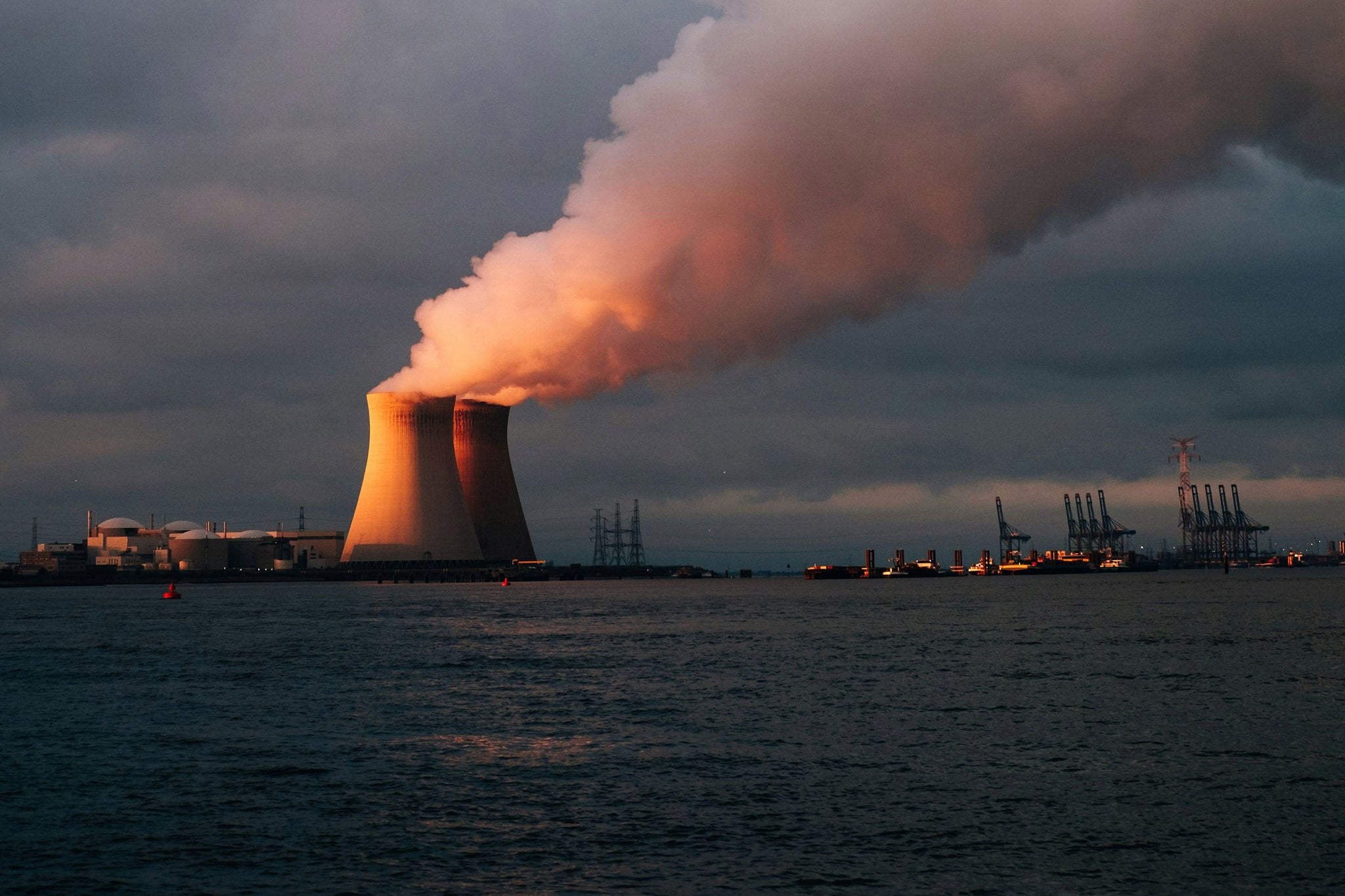
As countries accelerate their pathways to net‑zero emissions, nuclear energy is once again taking center stage as a reliable, low‑carbon baseload solution. With electricity demand expected to rise sharply and the intermittency of wind and solar stressing power systems, governments and energy players are rediscovering nuclear’s strategic value for both decarbonization and energy sovereignty.
EY-Parthenon’s new whitepaper estimates that US$3.6 trillion in global investment will be required between 2025 and 2050 to expand and modernize the nuclear value chain. Almost 90% of these needs relate to new reactor construction and life‑extension, while significant capital must also flow into upstream and downstream activities such as fuel fabrication, waste management and deep geological disposal.
However, despite strong policy signals and renewed interest from financial markets, private investment remains constrained. Nuclear projects face three structural obstacles. First, political and regulatory uncertainty, including inconsistent permitting regimes and shifting national energy strategies, weakens investor confidence. Second, construction risk continues to undermine project bankability: delays, cost overruns and first‑of‑a‑kind design challenges remain common, creating a financing environment in which only governments and large utilities are typically willing to assume full exposure. Third, revenue risk in liberalized markets limits predictability of long‑term cash flows, making it difficult to meet investors’ risk‑return expectations.
The whitepaper outlines how robust risk‑sharing frameworks can change this trajectory. Models such as regulated asset base (RAB) mechanisms, contracts for difference (CfDs) and long‑term power purchase agreements (PPAs) can stabilize revenues and protect against market volatility. Sovereign guarantees, export‑credit agency support and phased investment approaches can further mitigate construction and technology risks.
At the same time, private capital can play a crucial role - particularly in supply chain expansion for SMRs and advanced reactor technologies, where industrial capabilities must be rebuilt after decades of underinvestment.
By aligning incentives across public institutions, utilities, investors and vendors, the sector can restore confidence, accelerate deployment and ensure that nuclear energy fulfils its potential as a cornerstone of the global energy transition.