


EY refers to the global organization, and may refer to one or more, of the member firms of Ernst & Young Limited, each of which is a separate legal entity. Ernst & Young Limited is a Swiss company with registered seats in Switzerland providing services to clients in Switzerland.
Recent Searches

“During a flight, I encountered turbulence that had not been forecasted. In that moment, I realised that weather forecasting could be done better. Having this vision awarded with the EY Entrepreneur Of The Year Award is a special validation.
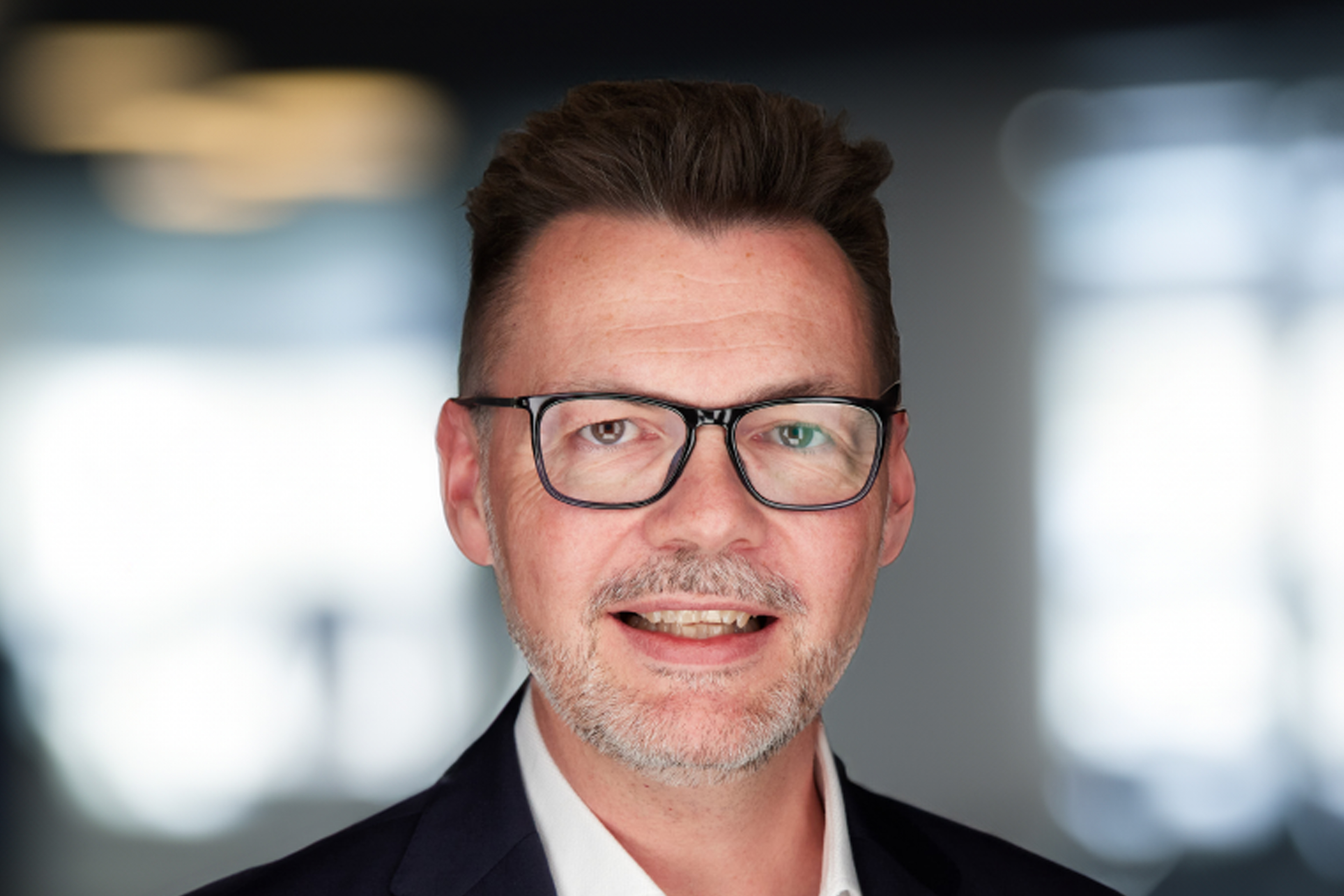
Martin Fengler
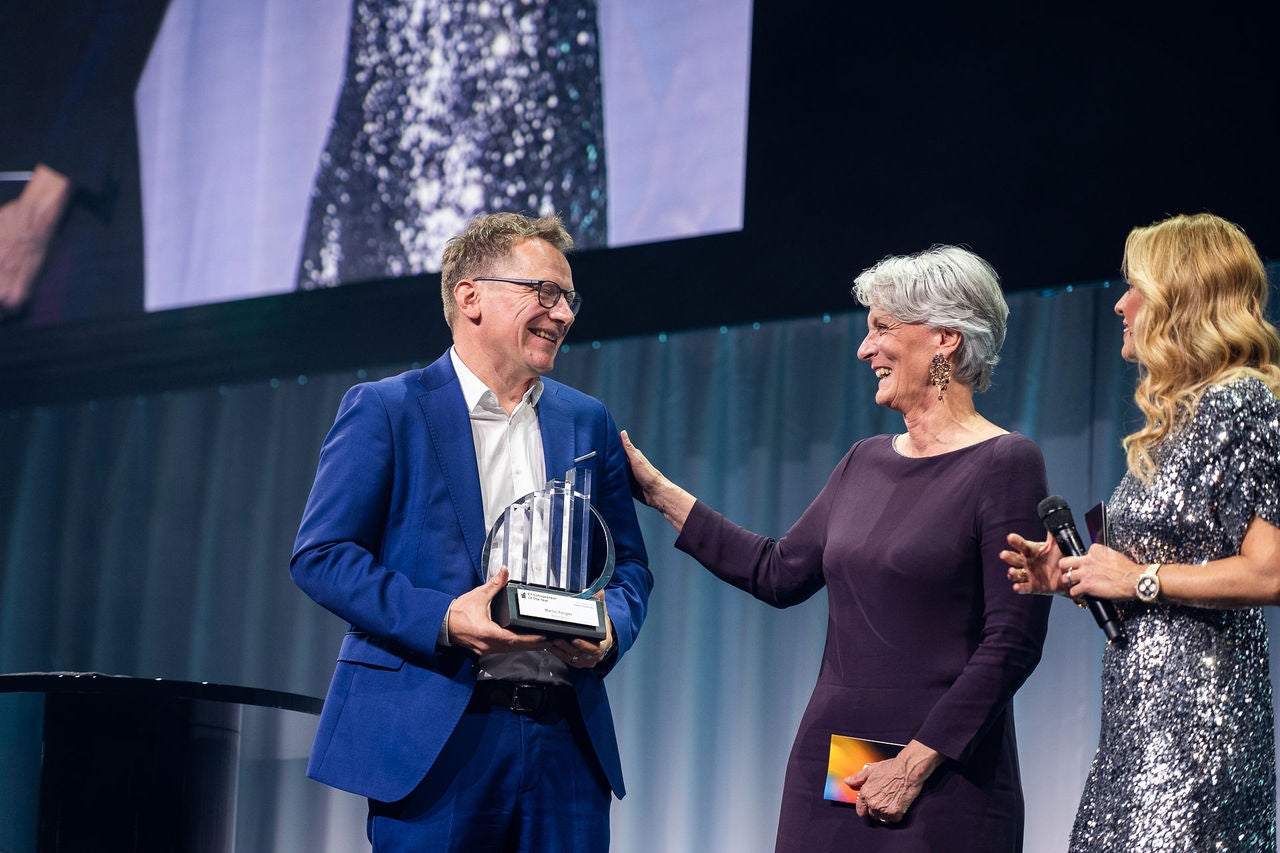
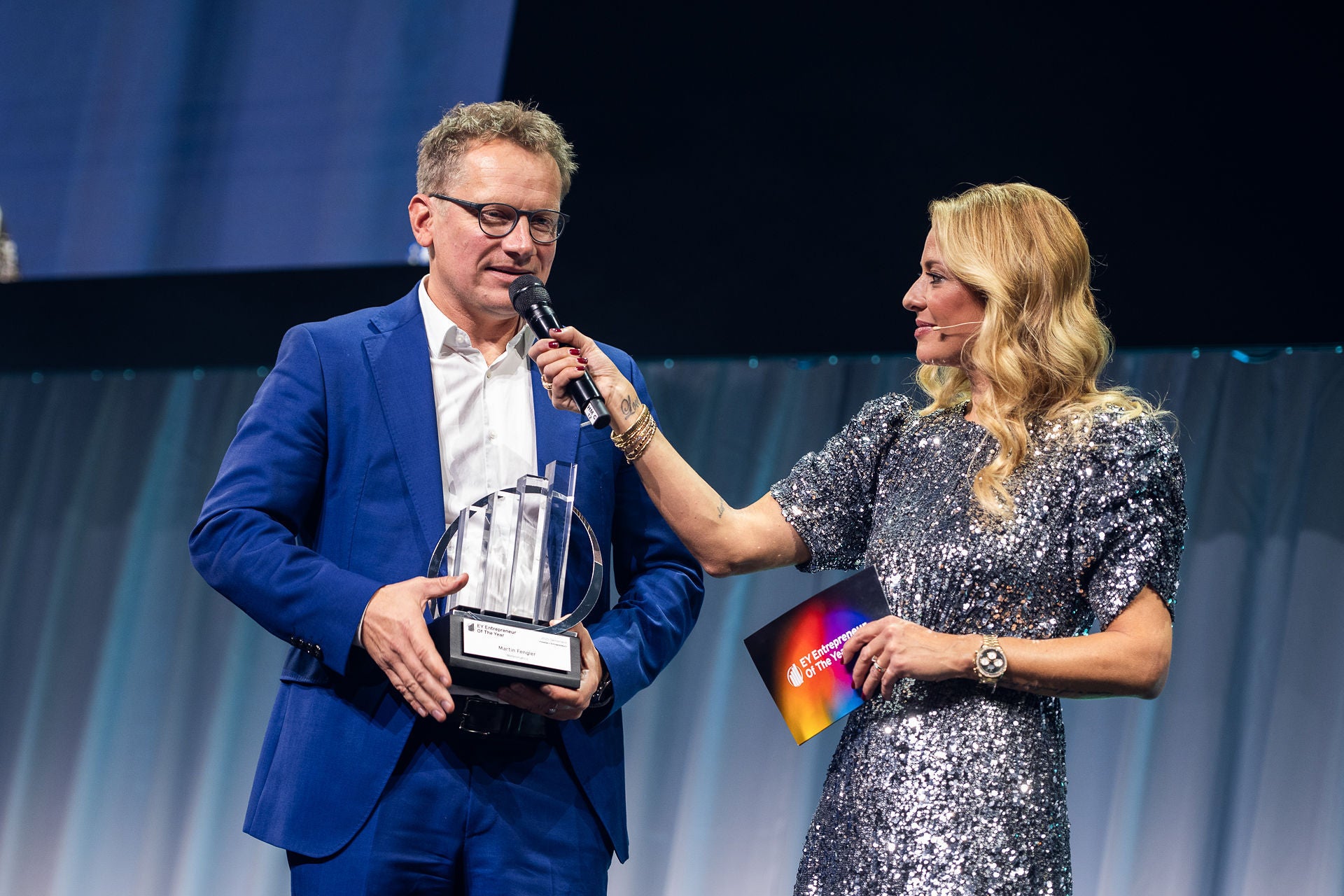
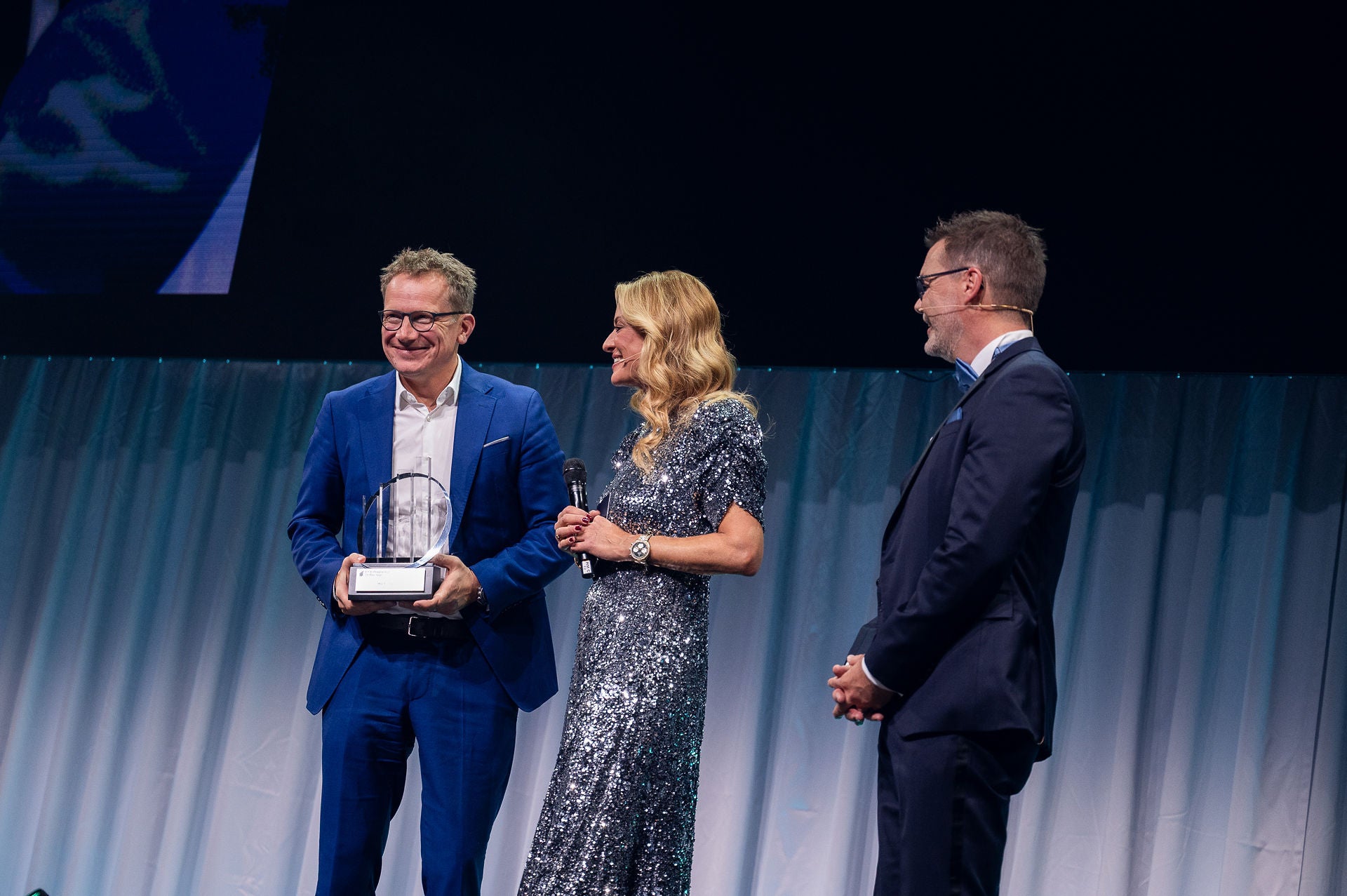
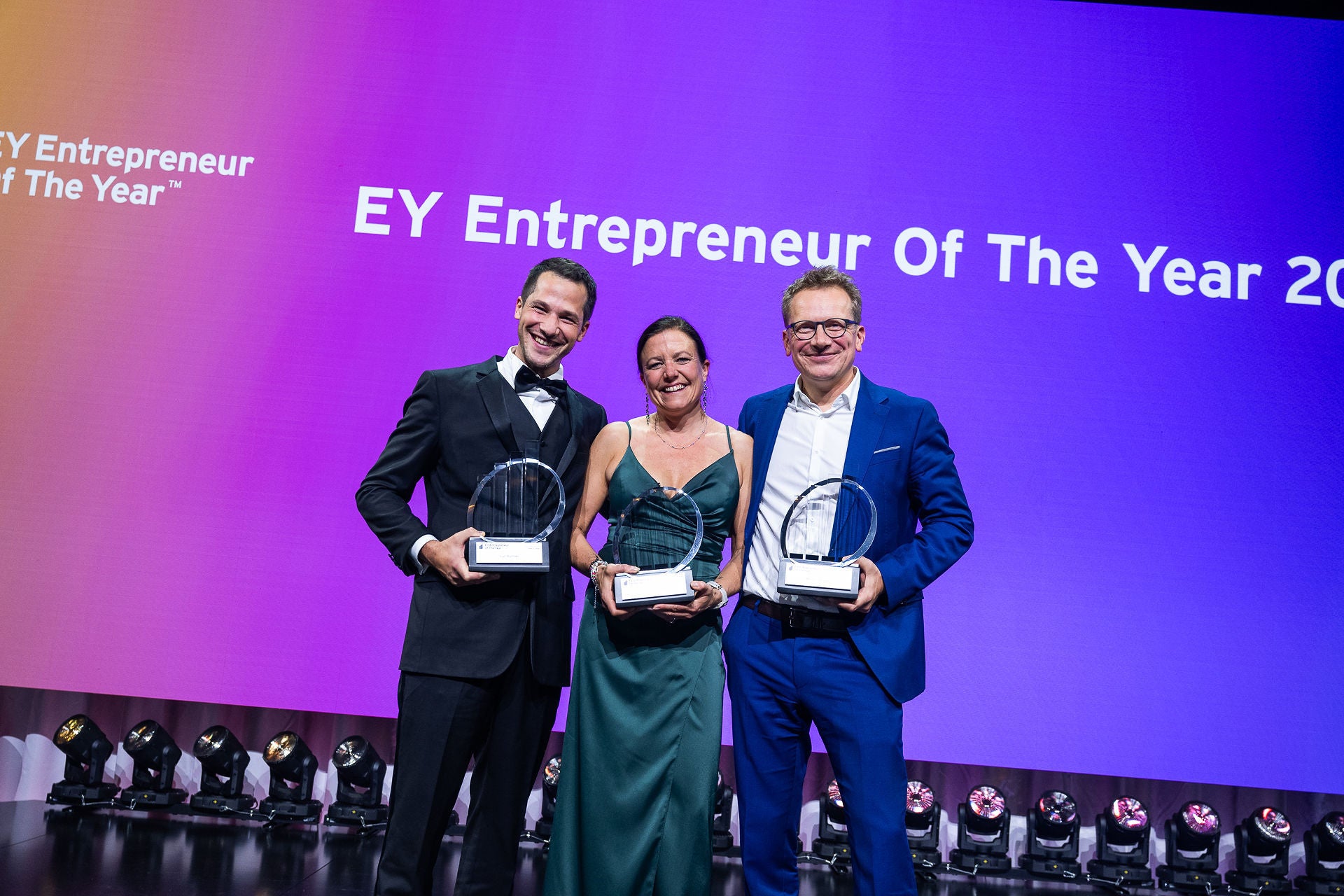
Martin Fengler is Founder and CEO of Meteomatics AG. Based in St. Gallen, the company has been developing innovative weather technologies for businesses worldwide since 2012. Through its Weather API, proprietary weather models and self-developed Meteodrones, Meteomatics enables more precise weather-based decision-making across industries ranging from energy supply to aviation. In 2025, Martin Fengler received the EY Entrepreneur Of The Year Award in the Visionary Entrepreneurs category for his vision of transforming scientific innovation into entrepreneurial success.
Martin Fengler discusses the personal moment that led to the founding of Meteomatics, his fascination with thunderstorms, and the challenge of turning scientific innovation into entrepreneurial success. He also shares what participation in EY Entrepreneur Of The Year has meant to him and his team.
How did the idea for Meteomatics come about? Was there a particular story or defining moment that sparked its creation?
The trigger was a very specific moment. During my flight training, I encountered turbulence that had not been predicted by the weather forecast. Although I landed safely, the experience made it clear to me just how inaccurate local forecasts can be. What made the situation unique was that I had already spent years working on numerical weather models and knew the science behind them in their detail. In that moment, theoretical knowledge and personal experience came together, and I realised that weather forecasting could be done better.
Shortly afterwards, in 2012, I founded Meteomatics in St. Gallen with the goal of making weather forecasts hyperlocal and significantly more accurate. Today, we support companies around the world in making weather-based decisions. Looking back, I am still fascinated that this personal experience grew into an internationally active company with more than 600 customers and employees from over 30 countries.
If you could meet ten-year-old Martin Fengler, would he be surprised that he would one day found a weather data company, or would he say, “I always knew it”?
I think he would be both surprised and not surprised. That it would one day become a weather data company is something he could never have imagined at the age of ten; after all, nobody even knew that term back then. However, the curiosity to understand how nature works and the enjoyment of mathematics and physics were already there at that age.
The fact that I would one day do something that involves numbers and nature does not surprise me. Only the specific form it took would have amazed the ten-year-old Martin.
Do you also use Meteomatics’ technologies and data in your private life, for example when planning holidays?
Yes, of course, and my family and friends sometimes smile about it. Before we go on holiday, hiking, or out on the water, I check our data. Instead of using a conventional weather app, I rely directly on our own models for the exact location where we will be. It is a nice side effect when your own product also makes everyday life a little better in your personal life.
Thunderstorms still fascinate me the most. It is remarkable how such immense and complex dynamics can emerge from just a few simple physical laws, and how difficult they remain to predict. For me, the true beauty of the atmosphere lies in this combination of clear order and unpredictability.
What advice would you give to founders who want to build a company from an idea or a personal observation?
Start with a problem that you truly understand and personally experience. A personal observation is an excellent starting point, but what truly matters is building technology, a business model, and a strong team around it over many years. That requires patience and the willingness to persevere, even when the market is not yet asking for it. It is also important to surround yourself with people who are better than you. A good idea only becomes an enterprise when many people contribute to building it.
What was more difficult for you: developing the technology or convincing customers and investors of a new idea?
Technology was the more familiar side for me. I come from a background in mathematics and weather modelling, so that was my home ground. What was more challenging in the beginning was convincing the market that more accurate, hyperlocal weather data has genuine economic value, and that a young company from St. Gallen could build world-class weather models. Inspiring people to believe in something that did not yet exist requires a great deal of persuasion and persistence.
Technology can be calculated. Trust has to be earned.
When you think back to your participation in EY Entrepreneur Of The Year, is there a particular moment, encounter or experience that still stands out in your memory today?
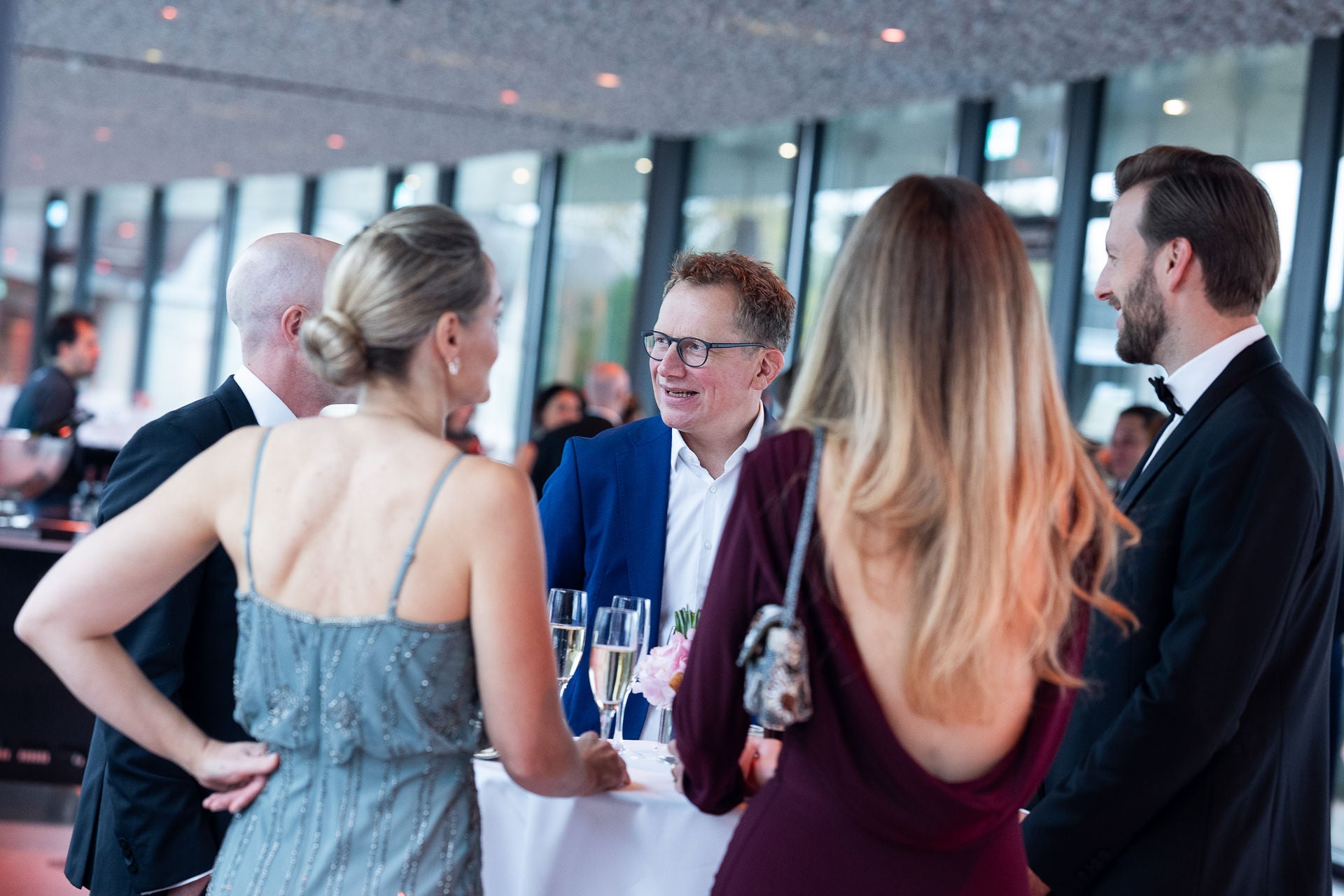
What stands out most in my memory is not the award ceremony itself, but the exchange with the other entrepreneurial personalities that evening. Among the finalists were so many different stories and personalities, all people who had built something with great passion. These encounters and the conversations surrounding the gala evening in Bern moved me more than the spotlight itself. In moments like these, you realise that you are part of a larger entrepreneurial community.
This recognition means a great deal to me. It demonstrates that science and entrepreneurship are not opposites. We have turned a scientific idea into a company with international impact. The fact that this very connection is being recognised is a wonderful validation. It belongs not only to me, but to the entire team that has been on this journey with me.
Was there a moment when you realised: “This is where participation in EY Entrepreneur Of The Year is really paying off”?
The value of such an award rarely becomes apparent in a single moment, but rather in the doors that become easier to open afterwards. I noticed that conversations with partners and customers take on a different quality when an independent jury recognizes your work in this way. It creates visibility and credibility, both of which help a company based in St. Gallen reach the world.
The most tangible benefit, however, is the network. Through EY Entrepreneur Of The Year, you become part of a community of exceptional entrepreneurial personalities from which real opportunities emerge. In our case, this has even led to new collaborations and opportunities for customer acquisition. An encounter on the sidelines can suddenly turn into a conversation about working together.
Participation also provides a valuable outside perspective on your own company. This shift in perspective is valuable regardless of the outcome. In addition, there is an exceptional network of people that accompanies you far beyond the evening itself.
If you had to write a weather forecast for the future of Meteomatics, what would it look like?
The long-term outlook for Meteomatics: continued sunshine with strong growth. A stable high-pressure environment of innovation and scientific curiosity will dominate conditions, providing excellent visibility far beyond the horizon. Occasional challenges may appear, but they will quickly turn into opportunities. The forecast remains highly promising for the foreseeable future, with no need to pack the umbrella.