


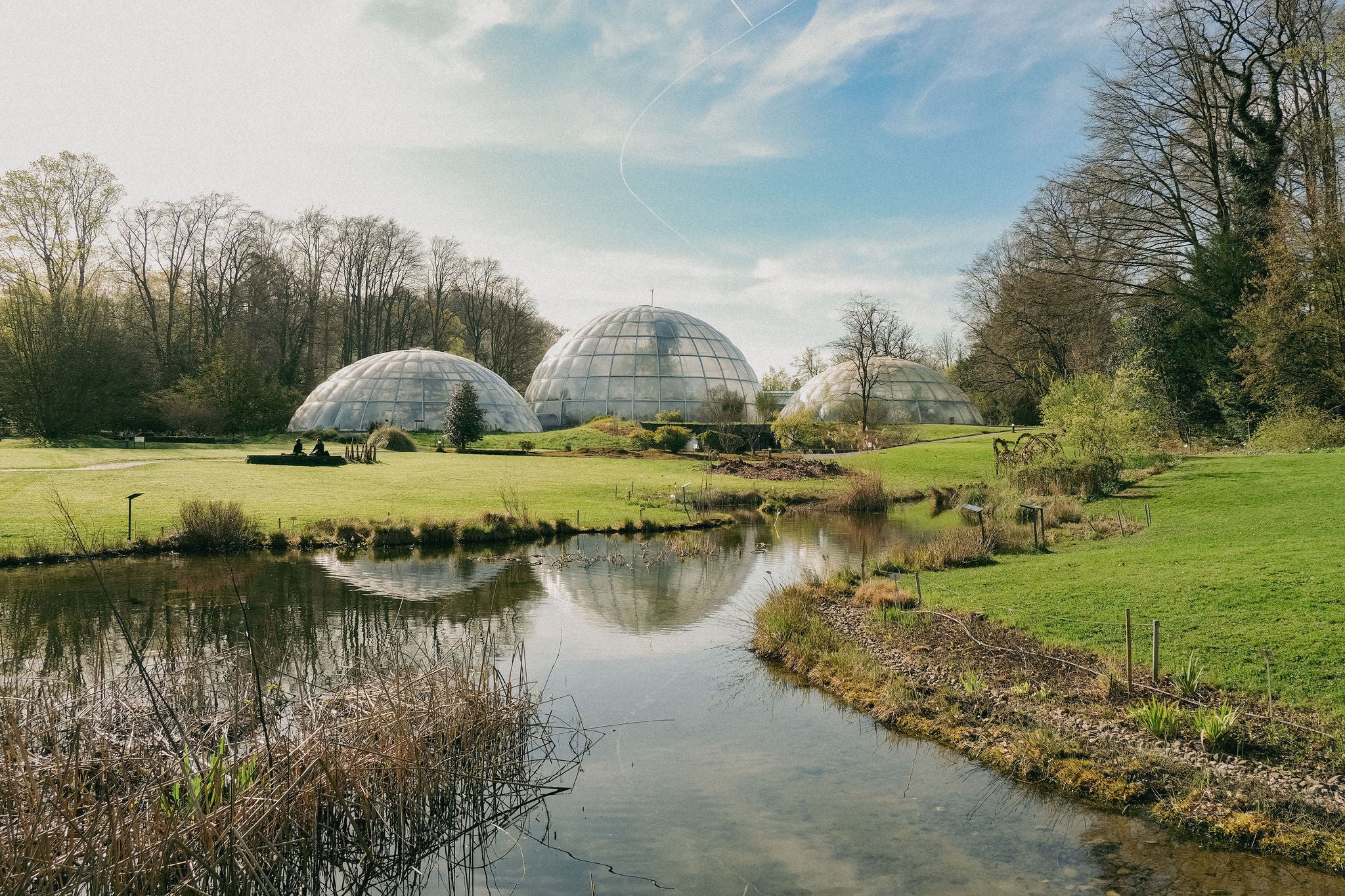
Botanischer Garten – Universität Zürich

Integrating Sustainability: Beyond compliance, towards unlocking value and resilience


Unlock the true value of sustainability—learn why sustainability integration is essential for your success.


In brief

  • Despite the short-term surge of skepticism, sustainability remains a critical priority for the long term.
  • Sustainability is a strategic imperative, not just a compliance task, that requires true integration into the daily operations and business objectives.
  • The Sustainability-integrated Operating Model Framework provides a structured way to assess the maturity of this key transformation as well as provide guidance towards a best practice.

In the last decade, the importance of sustainability integration in business has surged on the strategic priority list across the global business world. It is, however, clear that today, in 2025, we are amidst a perceived turning point where loud voices are questioning sustainable development, sustainable business practices, climate change and the relevance of social responsibility. Looking beyond this short-term surge of skepticism, sustainability remains a critical priority for the long term. Integrating sustainability into business strategy and core operations enables companies to unlock tangible business value, improving efficiency, reducing costs and strengthening resilience. By treating sustainability as a strategic capability, not just a compliance task, companies can align non-financial and financial data, automate processes and make smarter investment decisions. This integration supports growing customer demand, enhances product value (e.g., carbon footprint, circularity) and drives competitive advantage – shifting sustainability from a reporting obligation to a lever for long-term performance.1,2,3  

As social and environmental concerns escalate, supply chains are disrupted, regulatory burden mounts and, as a result, organizations are increasingly recognizing the need to adopt sustainable practices. Looking at the recent priorities of boards across Europe, we see sustainability integration moving up the agenda alongside the AI boom, which can be also harnessed to facilitate sustainability key transformation.4

Many companies know they have hidden internal barriers to sustainability efforts, yet they often lack a systematic assessment to describe them and a program to overcome them.

The strategic goals, risks and opportunities require targeted and well-integrated actions that flow seamlessly with the company’s culture and processes. It is a true shift in how business operates. At the core of this transformation lies the concept of a Sustainability-integrated Operating Model. An operating model is a blueprint for how an organization delivers value to its customers and stakeholders, encompassing structure, processes, technology and culture. Only by integrating sustainability into corporate operating models can organizations align their operational practices with their commitment to environmental and social responsibility, eventually driving long-term success.

The distinction between traditional operating models and Sustainability-integrated Operating Models is crucial for understanding how organizations can effectively integrate sustainability into their core practices. Here are some key differences:

  1. Short-term vs. Long-term View: Traditional operating models often prioritize short-term financial performance, focusing primarily on shareholder value. In contrast, Sustainability-integrated Operating Models adopt a long-term perspective that focuses on stakeholder alignment, including employees, customers, communities and the environment. This shift in focus allows organizations to create lasting value that benefits both business and society.

  2. Sustainability as an Add-on: In traditional models, sustainability is frequently viewed as an additional requirement or compliance obligation, rather than an integral part of the business strategy. This perception can lead to a fragmented approach, where sustainability initiatives are implemented in isolation. Conversely, Sustainability-integrated Operating Models embed sustainability into the core business strategy, ensuring that it is a fundamental consideration in all decision-making processes (incl. sustainable business strategy, sustainable supply chain, green finance initiatives, climate risk management, ESG compliance and reporting)

  3. Centralized Sustainability Teams: Traditional operating models often rely on a centralized sustainability team of subject matter experts (SMEs) to drive sustainability initiatives. This can create a siloed approach, where sustainability efforts are disconnected from other business functions. In contrast, Sustainability-integrated Operating Models promote a culture of shared responsibility, embedding sustainability across all departments and functions. This holistic approach fosters collaboration and ensures that sustainability is prioritized at every level of the organization.

Beyond these key mindset shifts, the integration generally faces six recurring challenges that explain why many sustainability efforts remain fragmented, focused on compliance gaps, underleveraged, or stuck at the pilot stage.

  1. Strategy-execution Gap 
    Sustainability often lacks integration into corporate strategy, leading to disconnection from investments and risk management. This weakens commitment to long-term goals.

  2. Insufficient Functional Integration 
    Key business functions struggle to operationalize sustainability, resulting in missed opportunities and limited execution.

  3. Inadequate Performance & Incentive Systems 
    Sustainability KPIs are often isolated in ESG reports, lacking integration into performance management, which reduces accountability and ownership.

  4. Siloed Stakeholder Engagement 
    Organizations often engage stakeholders in isolation, focusing on compliance rather than collaboration, leading to reputational risks.

  5. Fragmented Governance & Unclear Roles 
    Unclear governance structures create bottlenecks, with split responsibilities leading to delays and difficulty in balancing financial and environmental priorities.

  6. Gaps in Data, Systems & Capabilities 
    Immature data infrastructures and talent shortages hinder progress, resulting in fragmented and reactive sustainability efforts.

Overcoming these challenges requires more than incremental adjustments. It demands a fundamental rethinking of how sustainability is embedded across strategy, operations and organizational infrastructure – moving toward a mature Sustainability-integrated Operating Model. Based on primary research with multiple large companies, we have built a solid sustainability framework, gathered best practices and developed an interactive maturity assessment to inform a first exploration of the sustainability integration readiness. All this and more can be found in the SOM-Report available for download below.


Dive deeper: view our full SOM-Report

Discover how your company can transform its sustainability ambitions into real business value. Our latest report reveals critical insights on overcoming fragmented governance, clarifying roles, and integrating sustainability KPIs with financial metrics. Learn how embedding sustainability into your operating model can enhance resilience, drive innovation, and create long-term value.


Summary

In 2025, sustainability remains a critical long-term priority despite scepticism. The Sustainability-integrated Operating Model is as a pivotal framework for embedding sustainability into business strategies and daily operations. This approach not only enhances product value and competitive advantage but also transforms sustainability from a compliance task into a driver of business performance. Overcoming integration challenges requires a fundamental rethinking of strategy, operations, and organizational infrastructure.

Acknowledgment

We thank Katerina Zuber for her valuable contribution to this article.


Explore Sustainability services

Today’s sustainability challenges are complex and evolving.​ To address them we urgently need brave thinking that will drive action for a new economy - one where business, people and planet thrive.

Brazil town from sky

FAQs


Related articles


    About this article

    Authors

    Request for proposal (RFP) - exclusively for Switzerland

    |

    Submit your request now!