






EY refers to the global organization, and may refer to one or more, of the member firms of Ernst & Young Global Limited, each of which is a separate legal entity. Ernst & Young Global Limited, a UK company limited by guarantee, does not provide services to clients.
Recent Searches
Ireland continues to demonstrate resilience as an FDI destination, underpinned by sustained investor confidence and deepening R&D capability. Closing the infrastructure gap is the defining challenge for long-term competitiveness.
In brief
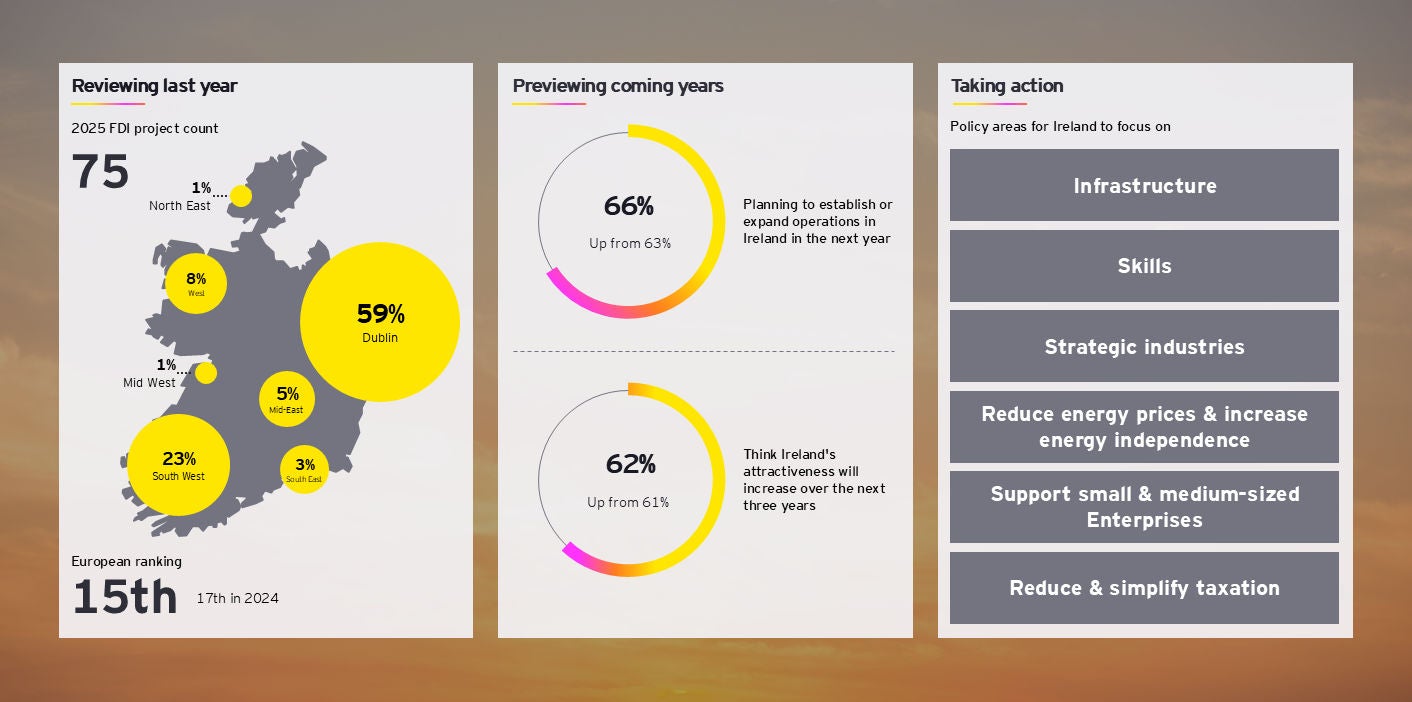
- Project pipeline remains healthy with 66% of investors surveyed intending to establish or expand operations in Ireland over the next 12 months.
- R&D at 25% of FDI in 2025, up from 12% in 2022. No other country has such a high proportion of R&D projects, and only five countries had more R&D projects than Ireland.
- Infrastructure constraints identified as key risk to future investment; energy and labour costs also highlighted.
Executive summary
EY Ireland Attractiveness Survey 2026
Foreign direct investment (FDI) into Europe declined in 2025, extending a three-year downturn and pushing activity to its lowest level in a decade. Ireland held its ground and the 75 projects secured in 2025 matched 2024 levels. This resilience is reflected in improving investor sentiment towards Ireland.
These are among the key findings of the 2025 EY European Investment Monitor, which tracks FDI projects that result in the creation of new facilities and jobs.
The findings for Europe are challenging. Across the 47 countries surveyed, FDI projects fell by 7% from 2024. While the volume of projects announced by US investors in Europe was unchanged year on year, it was still 38% lower than the 2019 peak.
Ireland fared solidly by comparison. Its share of the European FDI market increased slightly, moving up two places to 15th place in the European league table. It is worth noting, however, that Ireland ranked as high as 10th as recently as 2021.
Cross-border investment decision-making has never been as complex. Geopolitical tensions, inflation and slowing growth sit alongside rapid advances in AI, tax reform and evolving regulatory regimes. These interweaving forces are reshaping investment decisions and the relative attractiveness of individual countries.
To understand better how these factors are shaping investment decisions, we asked investors what drives location attractiveness, how Ireland is positioned as an investment destination, and how their intentions may evolve.
This report combines those perspectives with detailed project data to provide a rounded view of Ireland’s recent FDI performance and to suggest what the future may hold.
Sources of FDI
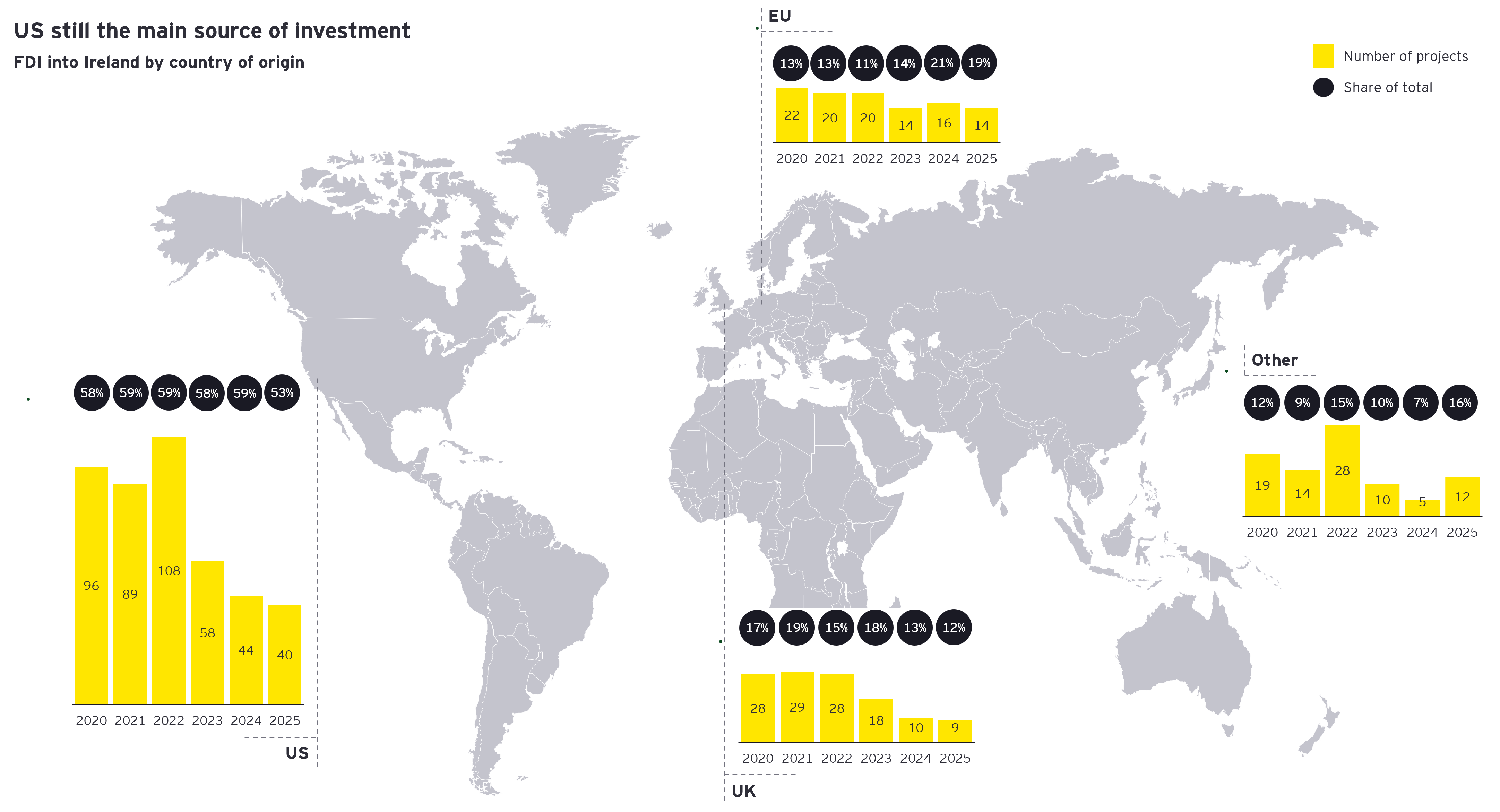
Historically, the US has been Ireland’s primary source of FDI, accounting for three out of every five projects. This proportion has remained remarkably stable and contributes to the depth and balance of the US–Ireland trading relationship. This relationship is firmly two-way, with Ireland ranking as the fifth largest source of FDI into the US.
However, a consequence of the continuing decline in US-originated investment into Europe is a more pronounced effect on Ireland’s project volumes than on other European countries.
Importantly, this trend predates the current US administration and points to a structural shift in investment patterns that merits close attention from Irish policymakers.
At its core is growing caution among US investors towards Europe, driven by weaker growth prospects, regulatory complexity, higher operating costs and policy fragmentation. These factors are compounded by trade tensions and tariff uncertainty as well as domestic US policies that actively encourage home market investment through subsidies and tax incentives.
Despite these longer-term dynamics, US investment into Europe stabilised in 2025, with project numbers unchanged from 2024. Ireland secured 4.2% of US originated projects in Europe, a share three times higher than its proportion of all European FDI projects.
Competition continues to intensify
Global competition for inward investment has never been as intense. Other countries have learnt from Ireland’s success and are now formidable competitors. The dimensions of competition range from industrial policy interventions (subsidies, grants, and tax incentives) through cost competitiveness, talent, and regulatory frameworks.
Against this backdrop, Ireland’s FDI proposition must remain clear and differentiated if it is to secure the next wave of investment in priority sectors and activities. The areas of strategic importance for Irish policymakers, including digitalisation and AI, semiconductors, sustainability and innovation, are also central to the investment strategies of competing locations.
The sectoral breakdown
Clustering is an established pattern in FDI. What attracts one company to a location will attract others in the same sector. Over time this creates clusters and strong local ecosystems of talent, regulatory know-how and mature supply chains. These act as powerful draws for new projects.
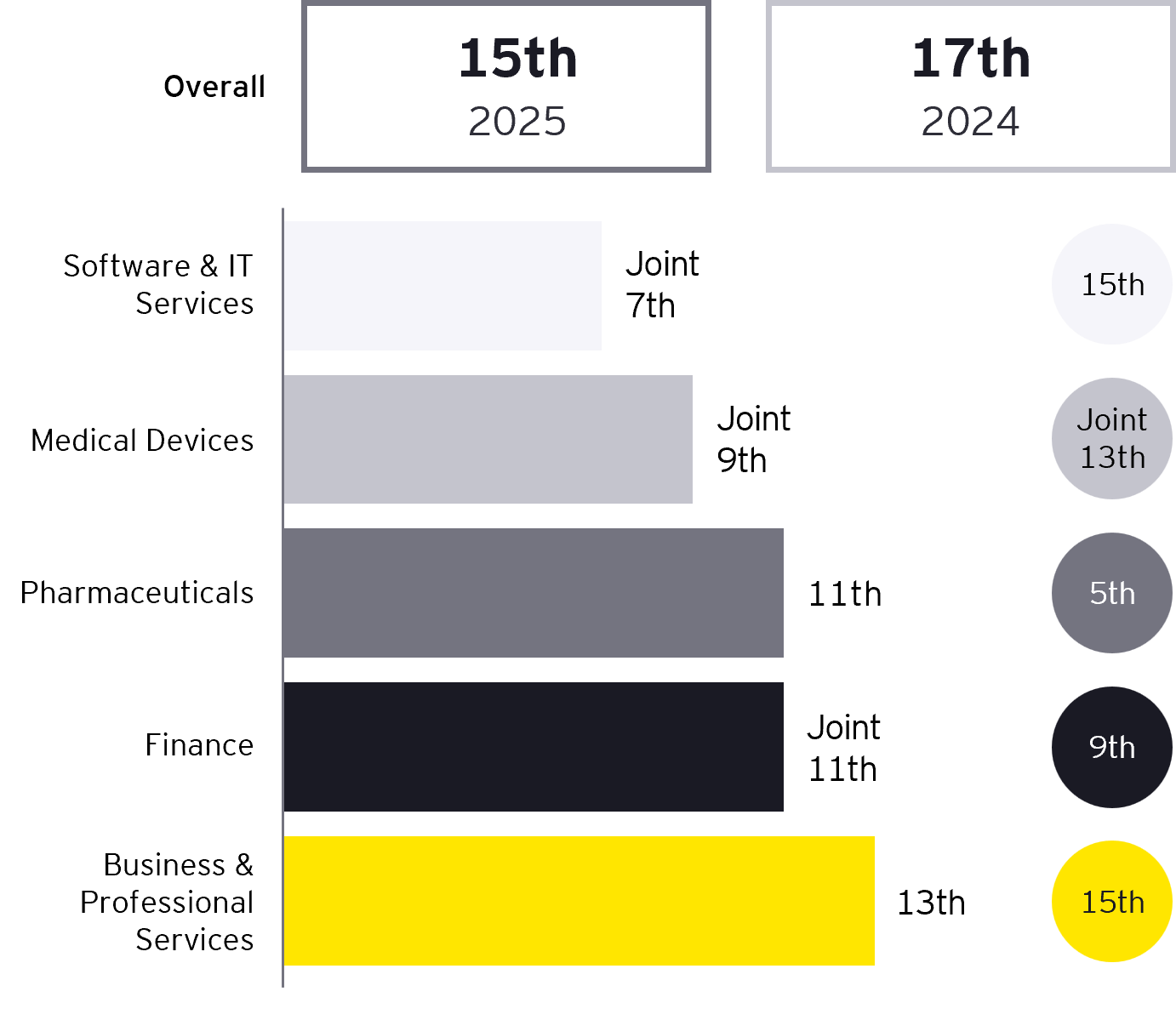
The latest data highlights the benefits of this dynamic for Ireland. Ireland’s European ranking is notably stronger in key sectors of focus than its overall position on the league table of projects.
Project type
The nature of investment projects is as important as the number when assessing FDI performance.
Research and development (R&D) projects accounted for 25% of Irish inbound investment in 2025, unchanged from 2024, and up from 12% of the Irish total in 2022. The profile of investment activity into the country has shifted markedly towards innovation.
This contrasts with the European picture. Across Europe, R&D projects declined by 30% in 2025 and represented only 7% of total FDI projects. No other country in Europe has such a high proportion of R&D projects as Ireland, and the country ranks sixth in the European league table of R&D project numbers in 2025.
This performance confirms Ireland as a leading knowledge economy, attracting innovation-driven investment. It reflects the strength and consistency of Ireland’s R&D environment, including a well-established, competitive and responsive R&D tax credit regime.
Sentiment – how global investors rate Ireland and Europe
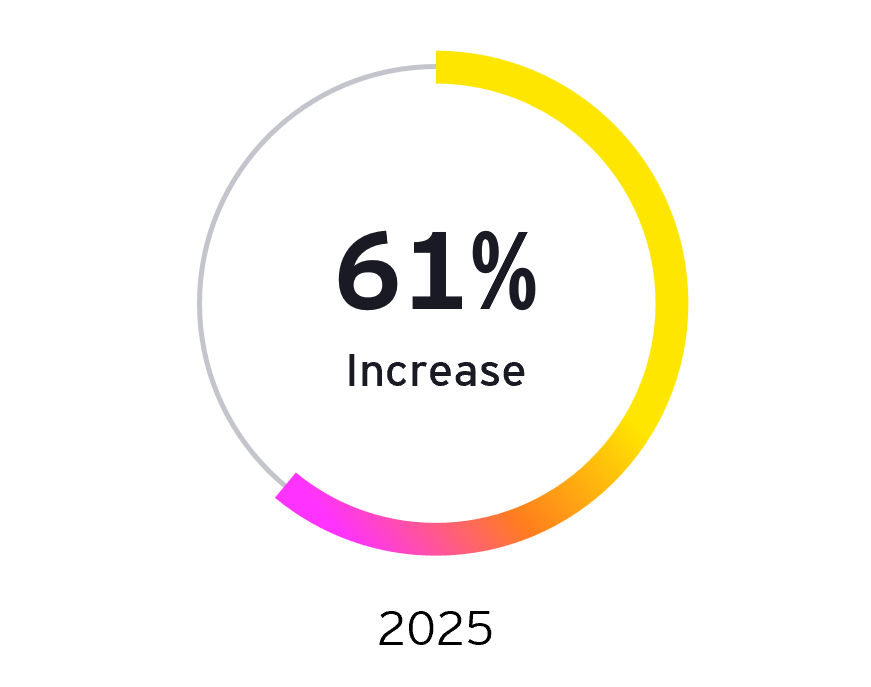
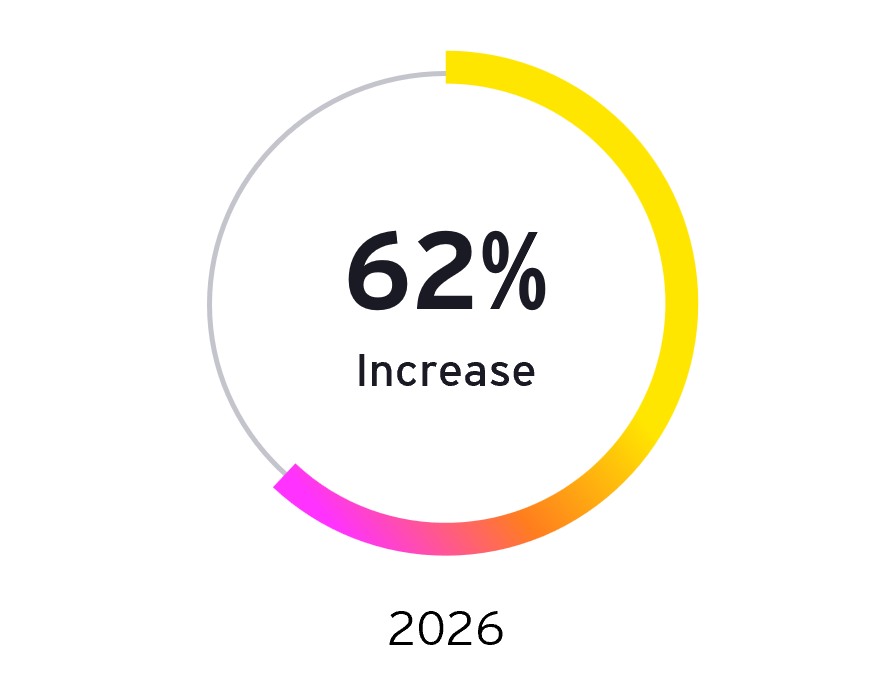
Perceptions of Ireland’s attractiveness as an investment location over the next three years are encouraging given the geopolitical and trade turmoil of the past 12 months. Just under two thirds of respondents (62%) expect it to improve, marginally higher than the 61% recorded in our 2025 survey. A similar share of respondents (60%) expressed confidence in Europe’s future attractiveness over the same period.
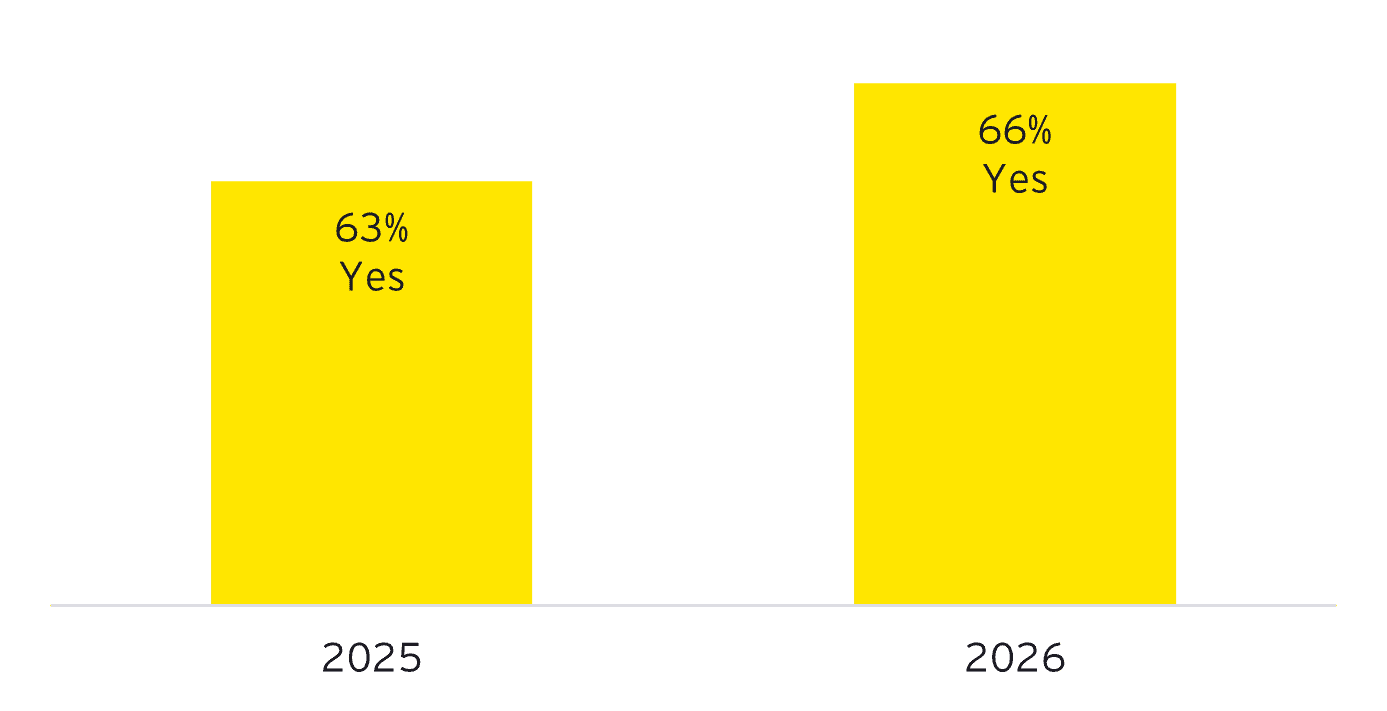
Two thirds of the investors surveyed (66%) plan to establish or expand operations in Ireland over the next 12 months. This compares favourably with expansion intentions across Europe as a whole (54%). The improving sentiment towards Ireland is evident in that it ranks in the top 10 of European countries which will be most attractive for FDI in 2026.
Implications for policymakers
Investors identified infrastructure quality as the single greatest risk to Ireland’s future attractiveness, followed closely by the cost of energy and labour. These findings underscore the importance of implementing long standing recommendations from the National Competitiveness and Productivity Council and other stakeholders.
Investors highlighted additional risks. These include the simplicity of administrative processes, tax competitiveness in areas like the availability of tax credits, and political stability. Ensuring that the country’s priorities and perspectives are clearly represented in Brussels remains important. Ireland’s upcoming Presidency of the Council of the European Union presents opportunities to shape those messages.
The broader picture
For Ireland, with a mature FDI base, the retention and continued development of existing investments is as important as the attraction of new projects. That reality is reflected in IDA Ireland’s five-year strategy for 2025 to 2029 “Adapt Intelligently: A Strategy for Sustainable Growth and Innovation.”
Sustaining the base requires more than maintaining the status quo. Irish-based operations need to demonstrate consistently their value creation. That demands ongoing transformation through digitalisation, upskilling and movement up the value chain.
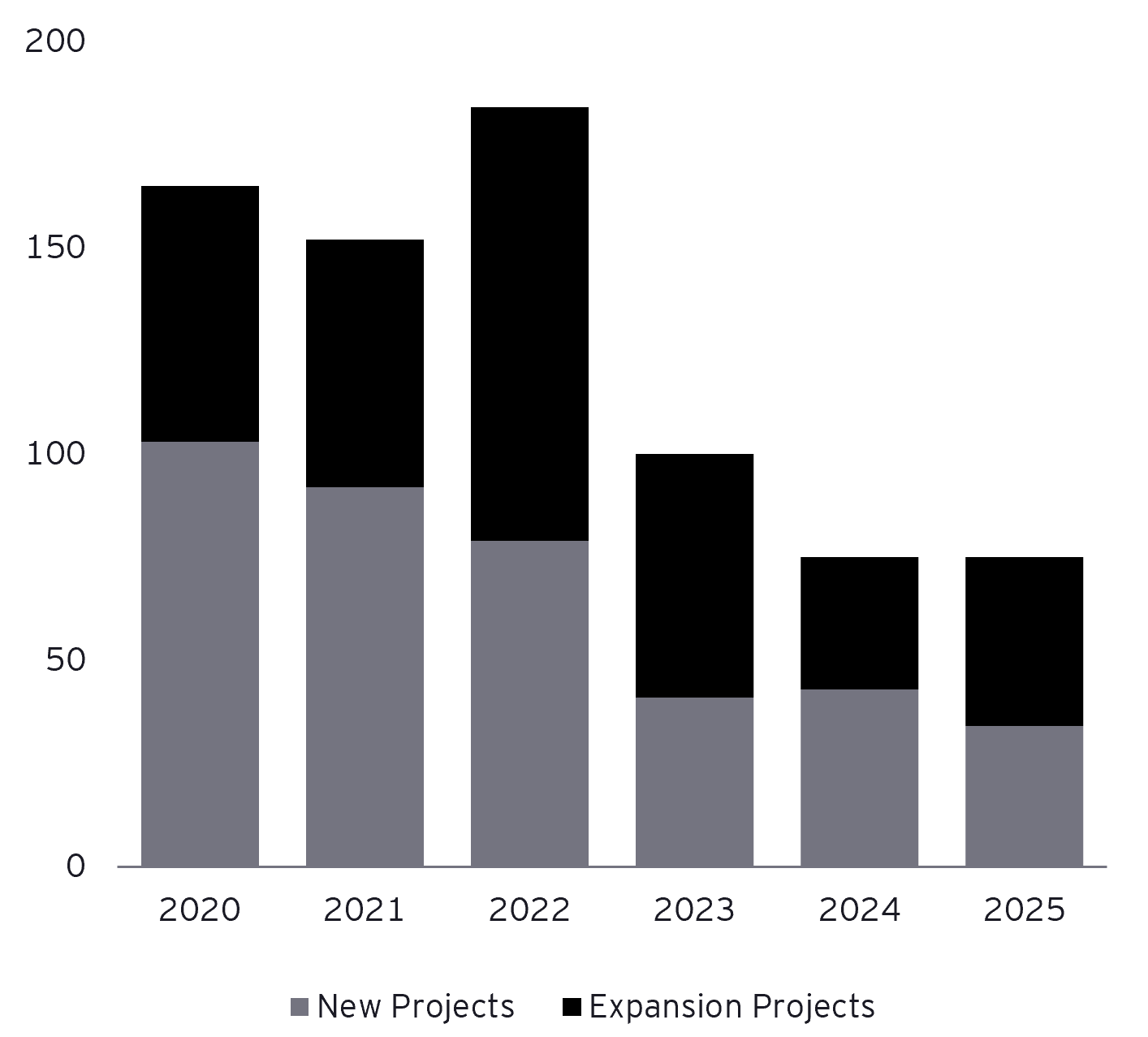
A healthy pipeline of new investors and greenfield projects remains critical to long-term resilience. In 2025, new investments accounted for 45% of total projects in Ireland compared with 57% in 2024. To support future growth, the aim should be to achieve a balanced mix between new and expansion projects.
A collaborative ecosystem delivering clarity of direction
One of Ireland’s strengths as an FDI destination is the close alignment between government, investment promotion agencies, business, academia, the research system and other stakeholders.
All sectors of strategic importance should be supported by clear national strategies such as that published by the government in February 2026 for digital and AI.1 This is also relevant for life sciences, another critically important sector for Irish FDI, where consultation on a new national strategy concluded in December 2025.
Investors value stability, coherence and clarity of policy direction. One of Ireland’s enduring advantages has been its ability to articulate a clear and credible long-term vision. Maintaining this clarity is essential in a world where geopolitical turbulence and trade disruptions place a premium on stability.
What this means for Ireland
The flow of new investment projects into Europe slowed in 2025, but not for Ireland. Investor sentiment towards Ireland strengthened over the past year. Strong performance in software and R&D highlight areas of competitive advantage as AI reshapes economies and society.
Investors are clear about the risks that could affect Ireland’s future attractiveness. Addressing those within national control, influencing outcomes at EU level and closely monitoring global risks will be critical. Future attractiveness requires timely delivery of the National Development Plan (NDP).2
A strong FDI sector supports the wider economy by giving indigenous Irish businesses access to talent, international customers and confidence to scale globally. Despite an overall decline of 16% in cross-border investment across Europe since 2022, FDI projects originating in Ireland have grown by 32% over the same period. This growth reflects the increasing international footprint and ambition of Irish-owned companies and their ability to compete on the global stage.
Challenges continue for Europe and Ireland
FDI numbers hold steady
Ireland attracted 75 FDI projects in 2025. The regional balance disimproved compared to 2024, with 41% of projects in locations outside of Dublin.
Ireland’s FDI performance
Number of projects
Software and R&D drive sector performance
Having endured a difficult few years, software and IT services reasserted itself as Ireland’s leading FDI sector during 2025. With 33 projects, the sector accounted for more than 40% of the year’s total with business services and finance following with 14 and nine, respectively. Importantly, R&D maintained its strong performance at 25% of all investments, well ahead of the rest of Europe at just 7%.
R&D as a percentage of total FDI projects
Expansions lead the way
There was a marked shift in the balance of projects during 2025 with new projects falling from 57% in 2024 to 45% in 2025.
Nature of investment into Ireland
Comparative performance improves
Ireland rose to 15th place in the European league table in 2025, up from 17th in 2024, but still below its 11th place ranking a year before that. Leading the way in the improvement during the year was software and IT services which moved into seventh place in the European league table.
Ireland’s European rank
Downward trajectory continues for Europe
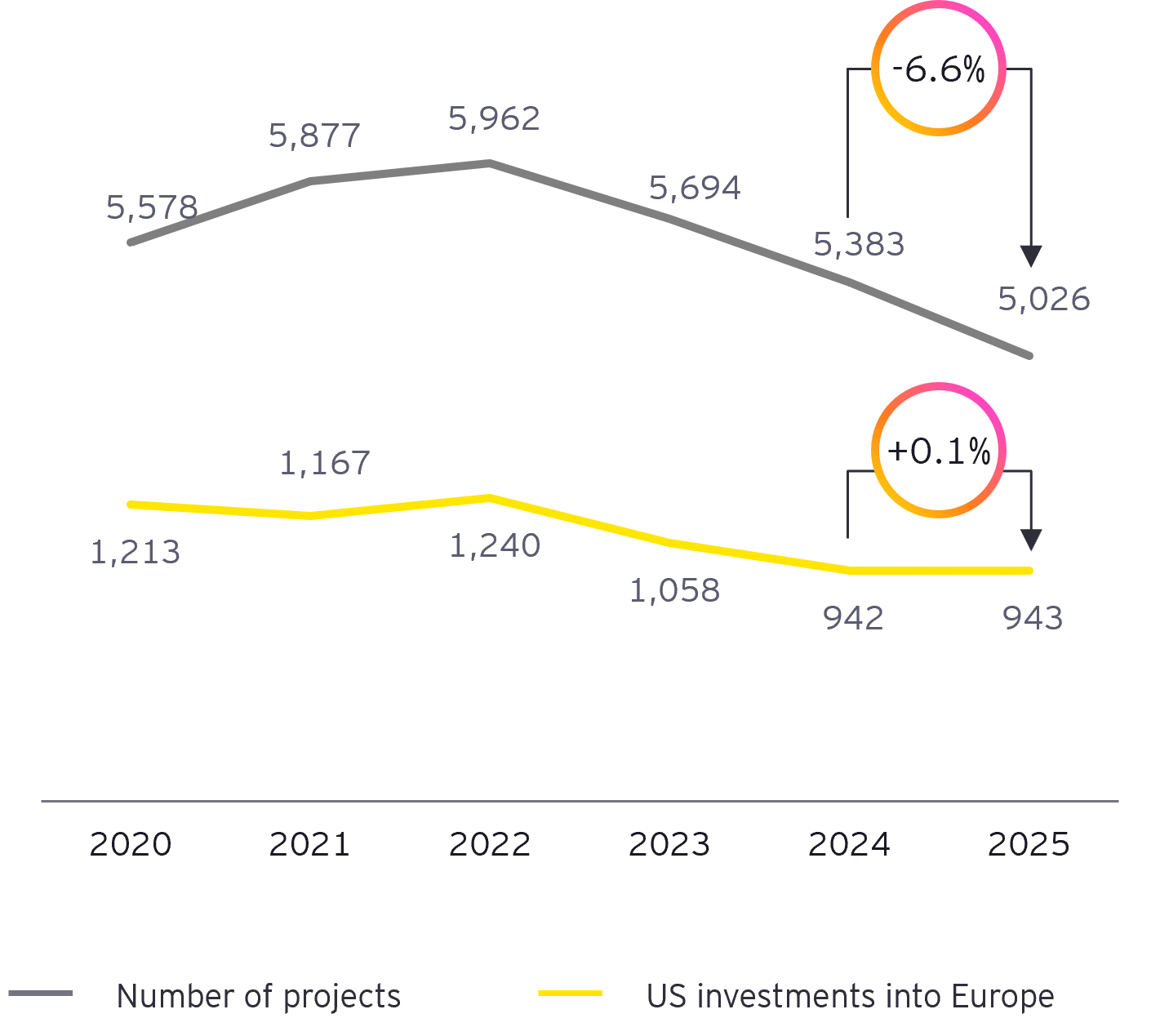
Inward investment into Europe continued to decline in 2025, extending the downturn and leaving activity 22% below its pre-pandemic level. The number of projects from US investors stabilised during the year but was still down 38% on the peak recorded in 2019.
Europe’s FDI performance
Adapting to changing investment environment
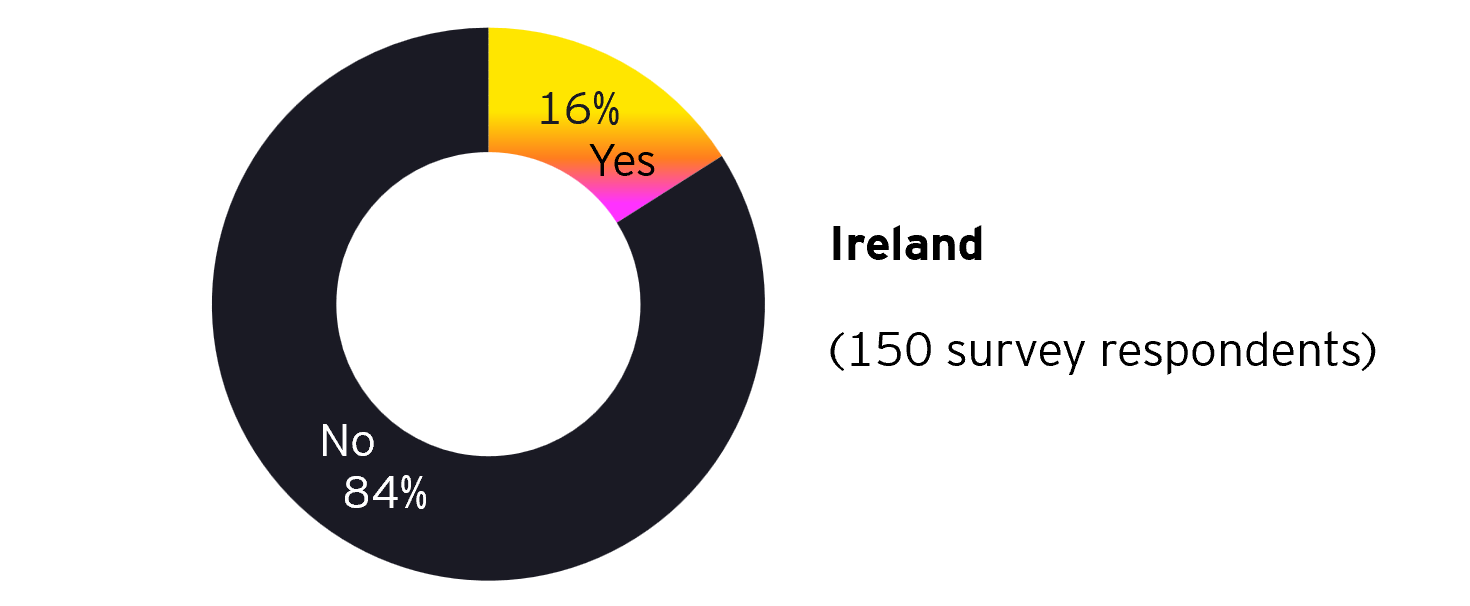
Heightening geopolitical tensions coupled with trade disruptions caused by new US tariffs and other economic uncertainties led to an increase in the number of organisations opting to postpone, cancel or scale back investment plans in Ireland. The number choosing to do so increased to 25% from 16% in 2024. The majority (59%) of these investments have been paused rather than cancelled.
Changes to investment plans
2026 – what to expect
66% of international investors are planning to establish new, or expand existing facilities in Ireland over the next 12 months. This is broadly in line with last year (63%). After a year of relative outperformance by Ireland compared to Europe in terms of project numbers, this continued positive sentiment warrants cautious optimism.
Investors’ view of Ireland and Europe’s evolving attractiveness over the next three years is virtually unchanged since last year. For Ireland, 62% expressed a positive view compared to 61% in 2024 while 60% said the same for Europe.
Does your company have plans to establish or expand operations in Ireland over the next year?
How do you expect Ireland’s attractiveness to evolve over the next three year?
Several factors are encouraging overseas companies to expand in Ireland. Access to new markets and customers highlights its strength as an EU headquarter location. Tax incentives, including the R&D tax credit, continue to support investment, especially for innovation projects. Efforts to optimise operations and supply chains are also key considerations.
Tax has long been a key component of Ireland’s competitive FDI proposition. However, with headline corporation tax rates equalising across the world there is a need to look at other aspects of the system. This includes ensuring that Ireland’s R&D tax credit regime remains class leading, and looking at other potential incentive opportunities. Personal taxation also comes into the equation as it is a driver of upward wage pressures.
Aileen Daly
EY Ireland Tax Partner
There are risks to these future investment plans. Ireland is seen as having comparative weaknesses in the quality of infrastructure, the cost of energy, and the cost of labour and other inputs. Notably, concern over infrastructure constraints was the sixth most cited headwind in our 2024 survey, but this year it tops the list.
What are the main risks affecting Ireland’s future attractiveness? (Rank up to 3)
Visible progress in delivery of all elements of the NDP and successful completion of the actions in the Accelerating Infrastructure Report and Action Plan in 2026, in the face of other spending demands on government, will be important to demonstrate credibility to investors.
Energy resilience is now central to investment decisions. For long-term investors, the availability of reliable, affordable and sustainable energy is critical. Ireland’s value proposition remains strong, but ongoing delivery of essential infrastructure and energy capacity are key to maintaining competitiveness. Otherwise, investment may shift to locations offering greater certainty and scale.
Sean Casey
EY UK&I Industrials & Energy Industry Leader
Widening the perspective, our research shows that of the three main trading blocs, the view of Europe’s future attractiveness trails both China (66%) and the United States (68%). It is essential that policymakers understand this global competitive landscape, characterised by volatility, protectionism, technological change, and geopolitical tensions.
Data from the United Nations Global Investment Trends Monitor tell us that the decline in FDI evident in Europe in 2025 was a global phenomenon. Higher structural costs in energy, labour and carbon are weighing on European competitiveness versus the United States and Asia. Policy supports elsewhere, such as US incentive programmes, are more aggressive than in Europe and are attracting global capital.
In the US, President Trump has pursued both deregulation and tax cuts alongside aggressive tariff-setting since taking office in early 2025. Notwithstanding uncertainty over policy direction, the US is leading on both current perception and forward momentum in the eyes of investors. This perception has direct implications for Ireland. More investors (39%) than not (31%) believe that industrial, trade and other policies undertaken by the United States will decrease Ireland’s future attractiveness.
Ireland’s strongest perceived advantages as an investment destination continue to be tax competitiveness, including the availability of tax credits, and the quality and availability of its workforce.
Continued enhancements to the R&D tax credit, including the 35% rate introduced in Budget 2026, are strengthening investor sentiment and project activity. Talent remains a defining element of Ireland’s appeal, with policy implications that span education pathways, lifelong learning and the work permit system.
Investors are clear that infrastructure is key to Ireland’s competitiveness. Investments in transport, energy, water and housing were identified by 42% of respondents as a top policy priority, a sharp increase from just 15% two years ago.
Where should Ireland concentrate its efforts in order to maintain its competitive position in the global economy?
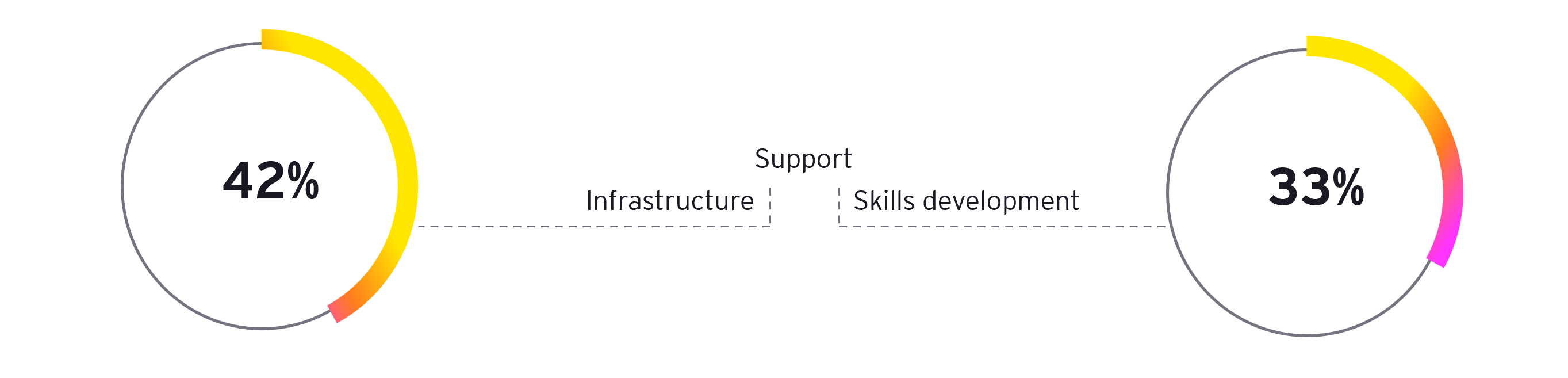
Infrastructure constraints weigh more heavily now on investment decisions than in the recent past.
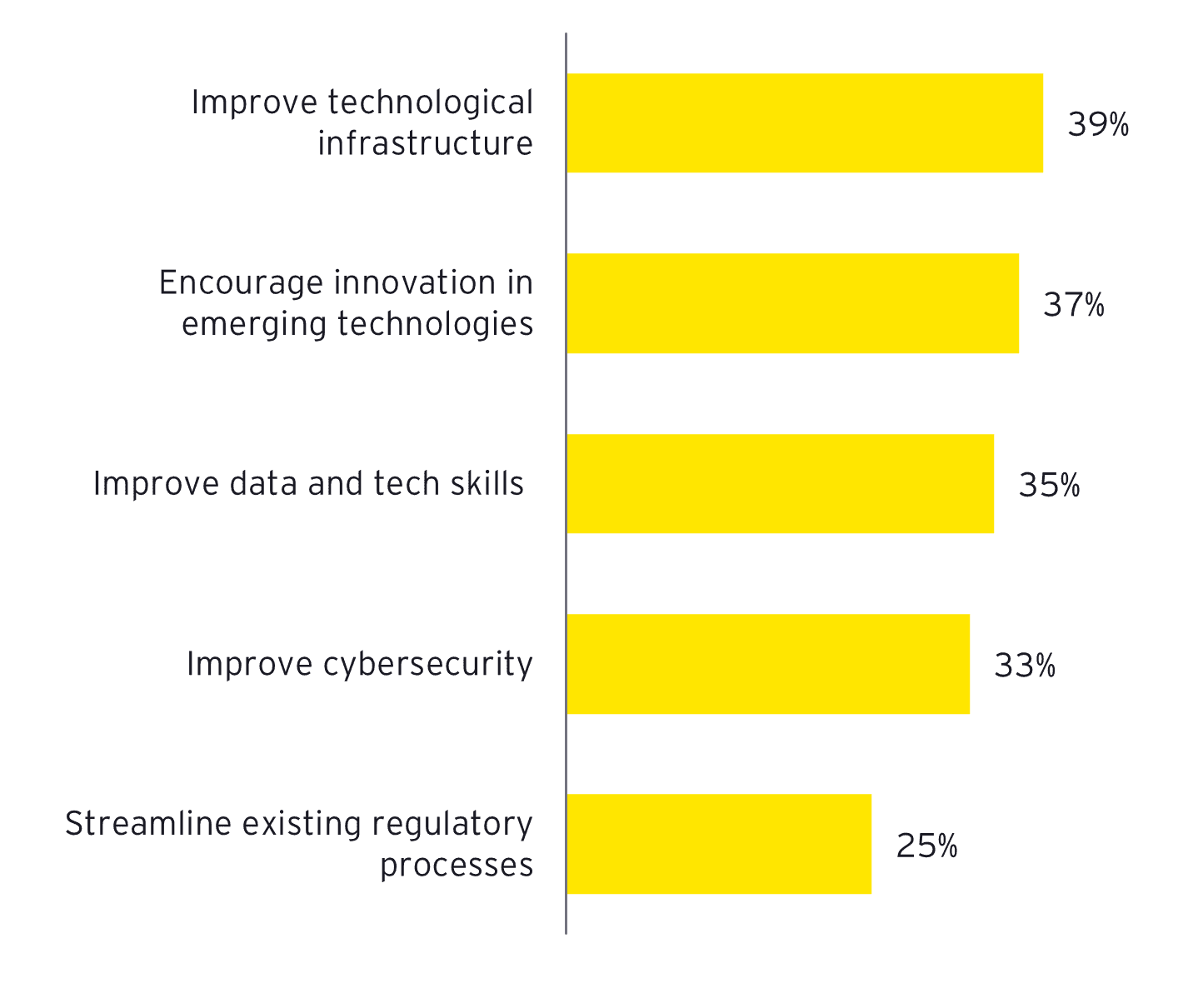
How should Ireland improve its digital competitiveness?
In the next wave of FDI, investors will look beyond tax, talent and market access. They will also ask whether a country can protect the digital systems on which society and business depend. Sovereign cyber resilience is about ensuring that critical data, infrastructure and services remain secure, recoverable, and trusted. For Ireland, this is a strategic opportunity to make resilient digital infrastructure a national advantage and a differentiator for long-term investment.
Puneet Kukreja
EY Ireland Resilient Nation Leader and Head of Cyber Markets
There is a continued need to invest in education and skills to support access to talent. Multinational companies already operating in Ireland rate the local workforce highly.
Compared to other countries, how does your workforce in Ireland perform with regard to the following entrepreneurial-related factors?
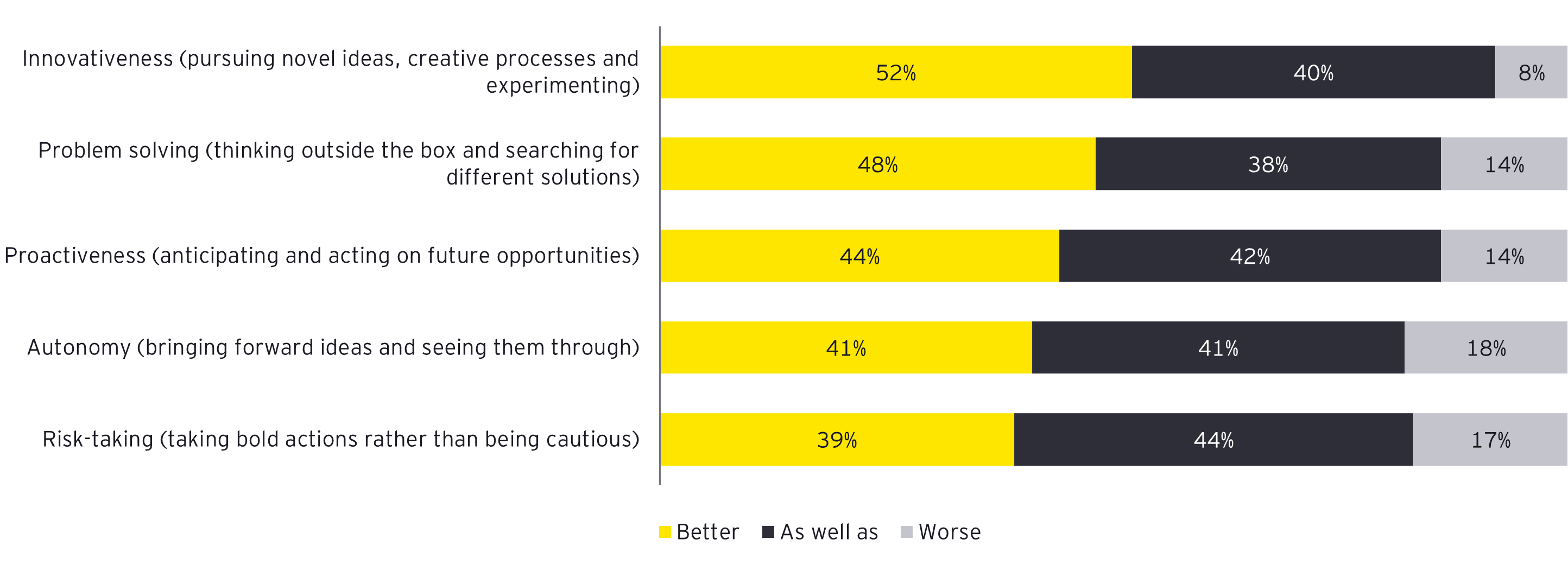
If Ireland is to sustain its talent competitiveness in the future, further investment in training and lifelong learning is a must, particularly in skills supporting the digital and green transitions.
Ireland’s strong performance in software and IT investment underlines the opportunity. Ireland’s share of European software and IT projects nearly tripled in 2025. Against the backdrop of rapid AI adoption, we asked investors to assess Ireland’s attractiveness for AI investment, innovation and deployment. Half of respondents view Ireland as more attractive than other locations, while a further quarter are neutral. Only one in four see Ireland as less attractive.
When we asked investors how Ireland could strengthen its position further as an AI destination, their responses were consistent with broader findings in this report: upgraded technology infrastructure, strengthening of the AI talent pool, support for AI startups and investment in AI research and development.
Spotlight
Geopolitics
Political stability remains a key pillar of Ireland’s investment appeal, ranked as its fourth most important competitive advantage. However, it is also emerging as a potential concern. 11% of investors cite it as a risk to future competitiveness, up from 5% last year. Meanwhile, perceived risks from geopolitical tensions and trade barriers have eased slightly. This reflects a degree of recalibration as recent policy changes, particularly in the US, have had a more limited impact than initially anticipated.
Geopolitical uncertainty is becoming a constant rather than a cyclical risk. For countries like Ireland, the opportunity lies in offering clarity, consistency and speed of response in an increasingly fragmented landscape. Investment will favour locations that can provide policy certainty, align quickly to shifting global dynamics and maintain a stable operating environment, even as external conditions remain volatile.
Simon MacAllister
Partner, Co-Head of Geopolitical Strategy EY Ireland
Digitalisation
The next phase of AI-led investment will be shaped by depth of capability and not just intent. Ireland has a strong base, but staying competitive will depend on how effectively we build advanced talent and embed AI across industries. Locations that can combine skills, infrastructure and execution will be best placed to attract and retain long-term investment.
Eoin O'Reilly
EY Ireland Partner, Head of AI & Data
R&D
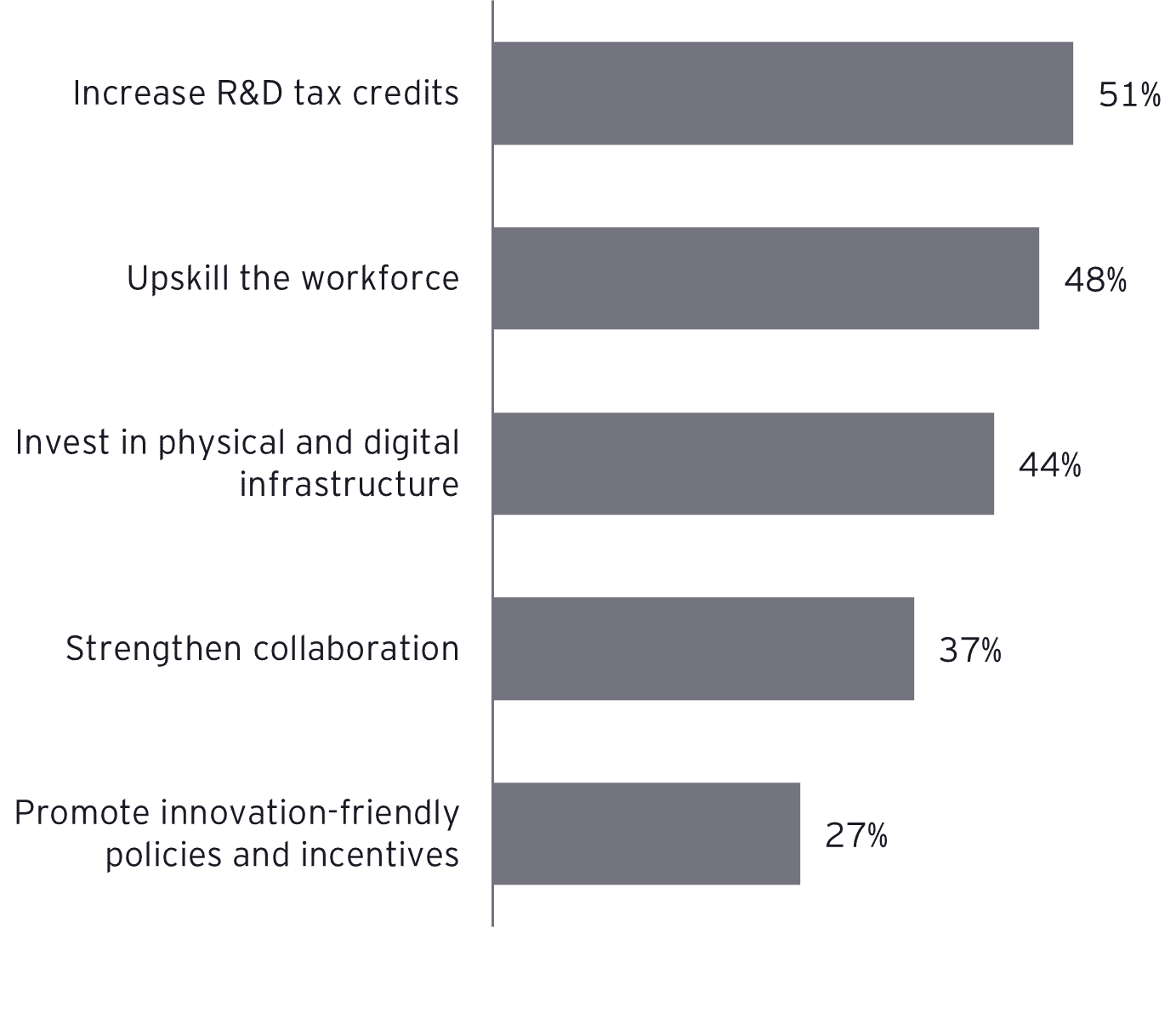
Almost one-third (31%) of organisations planning to invest in Ireland in the coming year intend to invest in R&D. A similar share of respondents identified investment in AI research and development as key to improving Ireland’s attractiveness. Sustaining this momentum will require continued competitiveness, with over half (51%) pointing to enhanced tax credits as a key lever in an increasingly competitive global environment.
R&D incentives are becoming a defining factor in attracting FDI, particularly as AI accelerates innovation. Ireland’s strong share of R&D projects signals real momentum. However, future success will depend on faster execution, deeper collaboration across the ecosystem and continued enhancement of our incentives. The countries that offer competitive incentives for investing in R&D, and connect research to real-world impact most effectively, will be better positioned to capture the next wave of investment.
Ian Collins
EY Ireland Tax Partner and Head of Innovation incentives
What would enable you to invest more in R&D in Ireland?


About the Survey/Methodology
EY’s Attractiveness Survey analyses Ireland’s appeal as an investment destination using a two-step approach:
- Our evaluation of FDI projects is based on the EY European Investment Monitor (EIM). This EY proprietary database enables us to track projects announced in 2025 across 47 countries, including Ireland.
- We explore investor sentiment via an online survey of international decision-makers. Field research for this was conducted by FT Longitude between 16 March and 27 March 2026 based on a representative panel of 150 respondents.

How EY can help
-
EY Economic Advisory will provide comprehensive economic services that help public and private sector clients navigate the road ahead. Find out more.
Read more