



EY refers to the global organization, and may refer to one or more, of the member firms of Ernst & Young Global Limited, each of which is a separate legal entity. Ernst & Young Global Limited, a UK company limited by guarantee, does not provide services to clients.
Recent Searches
The next phase of Ireland’s energy transition will be shaped by complex choices around growth, infrastructure and resilience.
In brief
- AI can accelerate renewable integration, strengthen grid resilience and improve forecasting, maintenance and network planning.
- Smart AI-powered energy tools can help households cut costs, manage energy use and play a more active role in the transition.
- Success with AI depends on prioritising high-impact use cases, backed by strong governance, clear strategy and regulatory awareness.
Ireland’s energy sector is entering a period of profound change. Ambitious climate targets, rising electricity demand, growing renewable generation and increasing pressure on existing infrastructure are reshaping how energy is produced, managed and consumed. Delivering the next phase of the energy transition will require smarter planning, more responsive operations and greater engagement from consumers.
We sat down with David Cashman, Business Consulting Director at EY Ireland, to discuss why AI is becoming increasingly important to Ireland’s energy transition, where it can create the greatest impact and what organisations should focus on to turn potential into practical outcomes.
Q: Why is the energy transition entering a critical phase in Ireland?
David Cashman (DC): Ireland has committed to some of the most ambitious climate and energy targets in Europe, including a goal of generating 80% of its electricity from renewable sources by 20301. Achieving this will require a significant expansion of renewable generation capacity, including onshore wind, solar and offshore wind projects.
At the same time, electricity demand is continuing to grow. The electrification of transport and heating, population growth and increasing digitalisation are placing additional demands on the electricity system. Infrastructure must evolve rapidly while maintaining reliability, resilience and affordability.
This creates a highly complex operating environment for energy companies, network operators and policymakers. Decisions need to be made faster, assets must work harder and growing volumes of data must be analysed and acted upon in real time.
Against this backdrop, digital technologies and AI are becoming essential tools for improving planning, optimising operations and supporting better decision-making across the energy ecosystem.
The policy environment is moving in the same direction. The EU Strategic Roadmap for Digitalisation and AI in the Energy Sector2 highlights the important role that digital technologies can play in delivering a secure, sustainable and competitive energy system.
Q: How can AI and digital solutions help accelerate the energy transition?
DC: While AI represents a growing source of electricity demand, it is also one of the most powerful tools available to help modernise and transform the energy system.
AI can accelerate progress across some of the sector’s biggest challenges. This includes infrastructure planning, grid management, system flexibility and operational efficiency. It can also support core energy transition objectives such as resilience, decarbonisation, affordability, decentralisation and improved customer outcomes.
One area where AI can make an immediate impact is in planning and infrastructure delivery. Connecting renewable projects to the grid and securing planning approvals can often be lengthy and resource-intensive processes. AI tools can help prepare documentation, analyse technical requirements and automate elements of assessment and review. This can help to improve efficiency and reduce delays.
As renewable generation continues to grow, AI can also help operators manage increasing system complexity. Advanced analytics and machine learning can support faster decision-making, improve forecasting accuracy and enable more effective balancing of electricity supply and demand.
Ultimately, AI provides organisations with the ability to respond more intelligently to changing conditions and make better use of existing infrastructure and resources.
Q: Where can AI create the greatest value across the energy ecosystem?
DC: While AI can support broad energy transition objectives, some of the most immediate value is emerging in a number of practical use cases across renewable energy operations, network planning and asset management.
For renewable energy operators, AI can improve forecasting for wind and solar generation, helping system operators schedule resources more effectively and maintain grid stability. More accurate forecasting becomes increasingly valuable as larger volumes of renewable generation are integrated into the electricity system.
AI can also support predictive maintenance by identifying potential equipment issues before they result in failures or unplanned downtime. This can improve asset performance, reduce costs and extend infrastructure lifecycles.
Beyond individual assets, AI can strengthen network planning and investment decision-making. Advanced modelling capabilities can help organisations better understand future demand patterns, assess infrastructure requirements and plan for long-term system development.
International examples are already demonstrating the potential. In Great Britain, the National Energy System Operator (NESO) partnered with Open Climate Fix to improve solar forecasting using machine learning, weather data and satellite imagery. The initiative has improved visibility across the system while delivering significant operational savings.
Q: What are the key priorities for accelerating AI adoption across the energy sector?
DC: Organisations seeking to deploy AI successfully need to focus on two priorities.
First, use AI to drive efficiency: AI can improve how energy is generated, stored, transmitted and consumed. Organisations should identify areas where automation, advanced analytics and intelligent decision-making can simplify processes, reduce costs and improve performance.
However, with a growing number of digital and AI solutions available, the challenge is often deciding where to focus. Success depends on aligning technology investments with strategic priorities and operational needs to ensure efforts are directed towards areas that can deliver the greatest impact.
Second, align AI adoption with business strategy, governance and regulation: The most successful AI initiatives begin with a clearly defined challenge or opportunity. Organisations should identify the problem they are trying to solve and then determine whether AI or digital technologies can help deliver measurable value.
At the same time, leaders must remain aware of the evolving regulatory environment. The adoption of AI and digital technologies is increasingly influenced by legislation and policy developments at both Irish and European levels. Organisations should actively monitor these changes to understand their obligations and identify new opportunities as they emerge.
Those that combine strong governance, regulatory awareness and a clear business case will be best positioned to unlock long-term value from AI.
Q: How can AI help consumers play a more active role in the energy transition?
DC: One of the most exciting aspects of AI is its potential to bring consumers closer to the energy transition.
As technologies such as rooftop solar panels, electric vehicles, battery storage and heat pumps become more common, households are increasingly becoming active participants in the energy system rather than simply consumers of electricity.
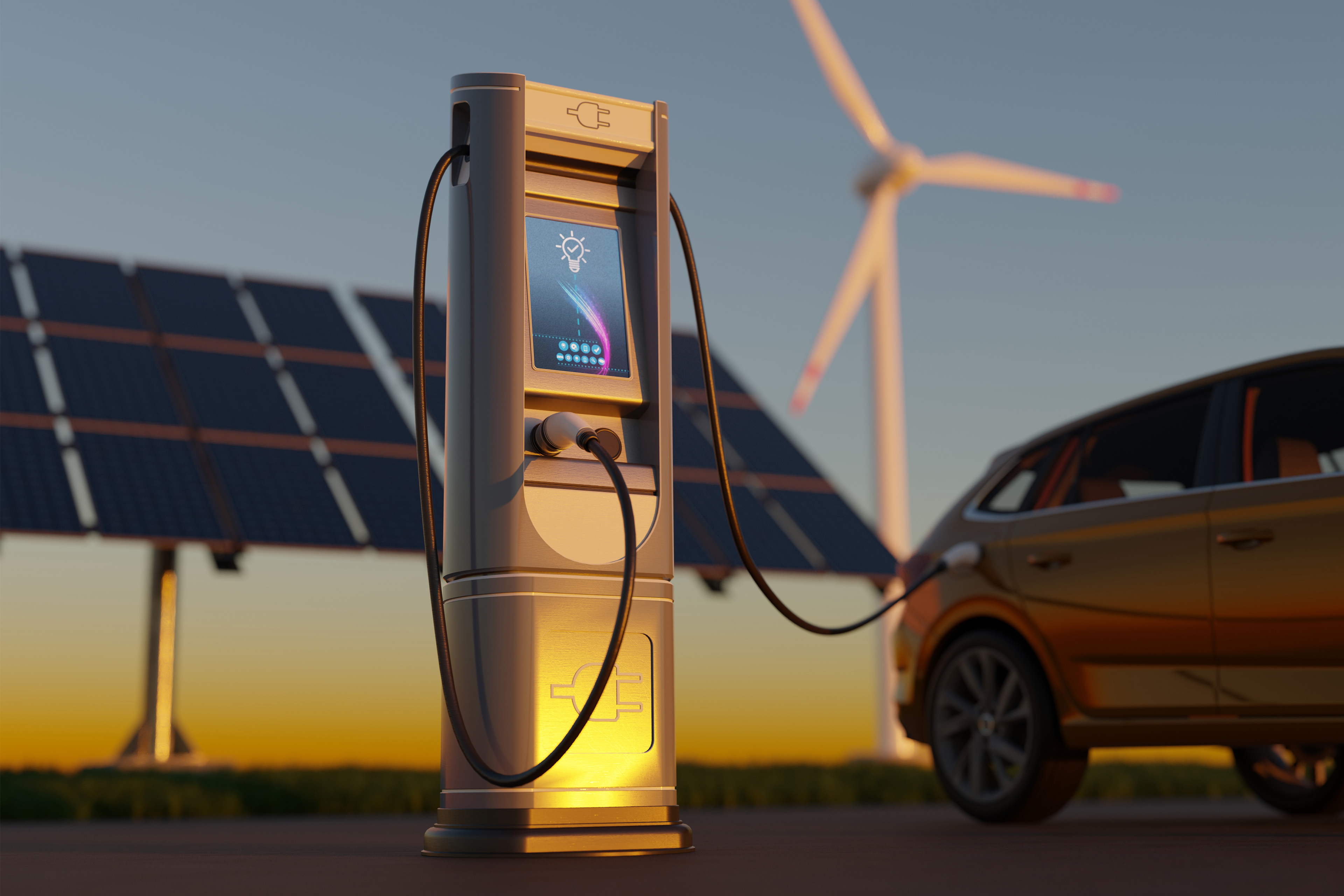
AI-powered home energy management systems can help households optimise how and when they use energy. For example, AI can automatically schedule EV charging, heat pumps or battery storage based on electricity prices, renewable energy availability or household consumption patterns.
This can lower energy bills, reduce pressure on the grid during peak periods and make better use of renewable generation.
Over time, these technologies could help create a more decentralised and flexible electricity system in which households play a greater role in generating, storing and managing energy. This increased participation has the potential to strengthen grid resilience and maximise the value of renewable energy across the network.
Summary
Digital and AI technologies are rapidly moving from promising innovations to essential tools for delivering Ireland’s energy transition. Their ability to improve planning, optimise operations and support more informed decision-making will be critical to achieving the country’s energy and climate ambitions. They can accelerate the deployment of clean energy infrastructure, improve grid performance and streamline how energy is generated, distributed and consumed. They also have the potential to transform consumers from passive energy users into active participants by equipping households and businesses with the information needed to manage consumption, reduce costs and support a more flexible energy system.

Related articles
Why AI is key to transforming Ireland’s utility infrastructure delivery
AI affords an opportunity to go further and faster than before, enabling a step change in how critical national infrastructure – across water, electricity and gas – is delivered. Find out how.
How smart charging and V2G solutions can drive Ireland’s renewable future
The energy system in Ireland is undergoing a fundamental transformation driven by decarbonisation. Find out how.