
EY refers to the global organization, and may refer to one or more, of the member firms of Ernst & Young Global Limited, each of which is a separate legal entity. Ernst & Young Global Limited, a UK company limited by guarantee, does not provide services to clients.
Recent Searches

Global IPO proceeds tripled in the first half of 2026 despite fewer listings, as investors concentrated capital behind larger transactions, AI-related opportunities and companies with strong growth narratives.
In brief
- Global IPO proceeds more than tripled to US$186.8bn in H1 2026 despite a 12% decline in listing volumes.
- Investor appetite remains strongest for larger, well-prepared companies, with AI continuing to shape capital allocation decisions.
- Improving market conditions and healthy IPO pipelines are supporting renewed momentum across global capital markets
After several years of subdued activity, global IPO markets have staged a significant recovery. According to the latest EY Global IPO Trends Report, companies raised US$186.8 billion through 483 IPOs during the first half of 2026, compared with US$62.1 billion raised through 546 IPOs during the same period last year.
While the number of listings fell by 12%, proceeds increased by more than 200%, reflecting a shift in investor behaviour. Rather than backing a larger volume of smaller issuers, investors are increasingly concentrating capital behind larger, well-prepared companies with compelling growth stories and clear pathways to value creation.
Momentum accelerated further during the second quarter, with global IPO proceeds reaching US$144.8 billion, more than four times the amount raised during Q2 2025.
The result is one of the strongest periods for IPO capital raising in recent years and a signal that confidence is beginning to return to public markets.
- Global
- Americas
- Asia-Pacific
- EMEIA
One of the defining features of the first half of 2026 has been the resurgence of larger transactions.
In the United States alone, multiple IPOs raised more than US$1 billion each, including the largest ever IPO in SpaceX. These mega-deals accounted for a significant proportion of global proceeds and helped transform overall market performance despite lower listing volumes.
The strength of these transactions suggests that investors remain selective, but are willing to commit significant capital to companies with strong fundamentals, proven business models and credible growth strategies.
For companies considering a future public listing, the message is clear: preparation, scale and a compelling equity story matter more than ever.
AI continues to shape investor demand
Artificial intelligence remains one of the most powerful themes influencing capital allocation decisions.
Investor interest extends beyond AI-focused businesses themselves to the broader ecosystem required to support AI adoption and growth. This includes sectors such as semiconductors, data centres, robotics, advanced manufacturing, digital infrastructure and other technology-enabled industries.
AI continues to play an increasingly important role in shaping investor demand, not only for AI-focused businesses themselves but also for the wider ecosystem supporting their growth, including data centres, semiconductors, robotics, advanced manufacturing and critical infrastructure.
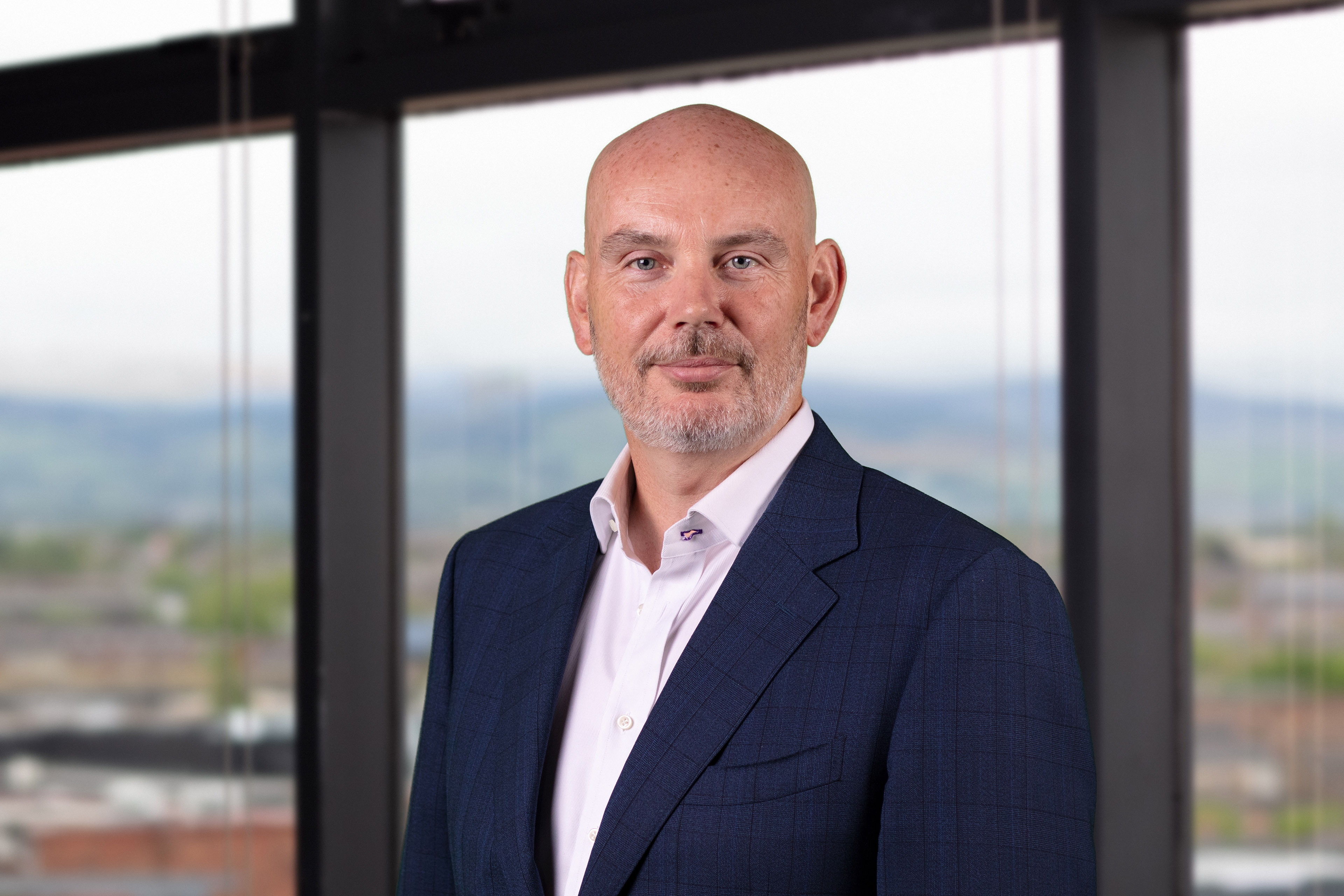
Siobhán Donlevy
EY Ireland Strategy & Transactions, Corporate Finance Partner
This trend was particularly evident across Asia-Pacific markets, where investor demand remained strong for companies operating in technology-enabled sectors and AI infrastructure.
Resilience across regions despite uncertainty
While the Americas delivered the strongest growth in proceeds during the first half of the year, with capital raised increasing from US$17.2bn to US$130.3bn year-on-year, activity remained resilient across other major regions despite continued geopolitical and macroeconomic uncertainty. EMEIA recorded 174 IPOs raising US$16.3bn, broadly in line with 2025 levels, while Asia-Pacific generated US$40.2bn in proceeds, almost 40% higher than the same period last year.
The ability of IPO markets to remain active against a backdrop of geopolitical tensions, inflation concerns and ongoing market volatility points to a broader improvement in investor sentiment.
What is particularly striking about the first half of 2026 is that proceeds have increased significantly even as listing volumes declined, highlighting investors’ willingness to back larger, well-prepared companies with strong growth stories. Importantly, this recovery appears to be broader than previous periods of renewed market optimism, with activity being supported across multiple sectors and regions.
Sponsor-backed companies return to public markets
Improving market conditions are also creating opportunities for venture capital and private equity-backed businesses.
Following an extended period where exits were constrained by market uncertainty, stronger IPO performance and growing investor appetite are making public markets a more attractive route to realise value.
As a result, sponsor-backed IPOs are expected to become an increasingly important component of issuance activity over the coming quarters, helping to support a healthy pipeline of future transactions.
This trend could also have implications beyond IPO markets, helping to unlock wider M&A activity and increasing capital flows across the broader growth ecosystem.
What does this mean for Ireland?
For Ireland, the recovery in IPO markets is a timely reminder of the role public capital can play in helping ambitious businesses scale. As policymakers seek to foster the next generation of large indigenous companies, access to diverse sources of growth funding will be critical.
A public listing can provide companies with the capital needed to expand internationally, invest in innovation and strengthen their competitive position, while also reducing reliance on traditional funding sources. Improving market conditions, coupled with a growing pipeline of larger global listings, may help renew confidence in public markets as a viable route to long-term growth.
At a European level, initiatives such as the EU's Savings and Investments Union could further improve access to capital by strengthening the connection between savings and productive investment opportunities, helping growth companies access funding at scale.
As Ireland looks to scale and build the next generation of large indigenous companies, access to growth capital and the financial independence that can come with a public listing should remain an important consideration.
Looking ahead
The outlook for global IPO markets remains positive, supported by healthy pipelines across the Americas, EMEIA and Asia-Pacific.
While geopolitical developments and market volatility continue to present risks, investor appetite for AI-related opportunities, improving aftermarket performance and a pipeline of anticipated mega-IPOs are expected to support activity through the remainder of 2026.
Much attention will now focus on the next wave of large US listings. Their performance will serve as an important barometer of market confidence and could help determine whether the current recovery broadens further.
For companies considering a future IPO, the opportunity is improving. However, investors remain highly selective and preparation remains paramount. The businesses best positioned to succeed will be those that can demonstrate resilience, clear strategic direction and a compelling growth story in an increasingly competitive market for capital.
Read the full EY Global IPO Trends Report here

Previous Global IPO reports
Summary
Global IPO markets have rebounded strongly, with investor capital increasingly concentrated in larger transactions, AI-related opportunities and companies with clear growth potential.
Related articles
How do CEOs reimagine enterprises for a future that keeps rewriting itself?
EY-Parthenon CEO Outlook 2026 explores how leaders use AI, transformation and portfolio strategy to navigate uncertainty and drive sustainable growth.
How private boards unlock value by elevating risk management
Private boards can unlock value by elevating risk management. Learn more.