




Water services

As councils work through their obligations under the Local Water Done Well framework, the focus is shifting from policy to practical implementation. Establishing an effective water entity whether a Council-Controlled Organisation (CCO) or a new division within the existing council represents a crucial step in fulfilling the new regulatory, financial, and operational expectations. However, this initiative entails considerable complexity. Key considerations include governance and financial structures, workforce transition, community accountability, and regulatory compliance, all of which require careful planning and execution.

Reporting & Analytics for Day 1

EY teams have built tailored 'ready-to-go' solutions designed for the water sector to accelerate the delivery of AI, reporting and analytics required for Day 1 operations. The accelerators deliver significant savings in both time and cost and reduce delivery risk. These accelerators include:

  • An out of the box modern cloud data platform to support sophisticated AI and analytics.
  • Water data models for Asset Management, Customer & Billing, Finance and Projects
  • 35 dashboards and reports designed by and for the Water Sector to support Day 1 operations.

Smart water metering

Smart metering technology gives new water entities real-time visibility of water use, network performance, and customer consumption patterns. It supports operational efficiency, regulatory compliance, and informed decision-making, while helping communities use water more sustainably, allowing for meaningful, evidence-based deferral of investments.

Broader uptake of smart water metering will also support different tariff structures and enable options for pricing mechanisms for a targeted revenue stream.

Winding up residual water service functions

When a council transfers its water services to a CCO, it may also need to adjust, or wind-up residual council functions associated with water. This ensures a clean separation of responsibilities, finances, and assets. EY teams can help at all stages, including functional and structural design of impacted teams and detailed balance sheet assessments and supporting analysis of councils’ post-transition financial positions.

How EY can help

Strategy & business case

  • Financial modelling and business case development
  • Future operating model

Technology, data and reporting

  • Technology capability assessment, future roadmap & plannin
  • Data Migration Strategy and Planning
  • Data Migration Delivery
  • Data as a Managed Service

Commercial, transaction and financial

  • Transaction execution
  • Funding and finance
  • Tax & accounting

Security

  • Cyber strategy & maturity
  • Operational technology & SCADA security
  • Identity and access management
  • Security operations and incident response
  • Critical infrastructure and regulatory alignment
  • Cyber transformation

People, workforce and change

  • Workforce planning & change management
  • Organisational design
  • Creating better outcomes for customers

Regulatory, compliance and transition

  • Operational regulation compliance
  • Economic regulation compliance 

Case studies

EY globally has a long-standing history of working in the utilities sector and has developed a world class water services capability landscape WUMMA. (Water Utilities Maturity Model and Architecture)

Within New Zealand, we were deeply involved in water reform until it was repealed, and we have continued to build on our strong relationships and credentials in the sector.

Water Reform – Data Migration Planning & Delivery
 

The better the question (the problem):

EY teams supported the transition of water services across 69 entities by migrating assets, contracts, financials and people data. We set up cross‑functional teams and built secure, customised portals to ensure high‑quality, auditable data transfer. Our methodology included the creation of domain specific data standards and automated migration pipelines, reducing manual effort and providing consistency across councils.
 

The better the answer (how we helped):

The approach was designed to reduce risk amid tight timeframes, variable data quality, and significant programme complexity. This was underpinned by the EY team’s deep experience with water sector transformation and large‑scale M&A integration programmes. It also aligned datasets across multi‑council groupings and supported highly engaged participation from councils.

A key innovation was the development of an Asset Data Quality Profiling tool, enabling transparent, repeatable assessment of data readiness and quality.
 

The better the world works (result/impact):

  • Rapid mobilisation of skilled, cross‑functional teams.
  • High levels of council engagement and strong data availability.
  • Sensible alignment of datasets for multi‑council entities.
  • Improved asset data quality and visibility through automated tools.
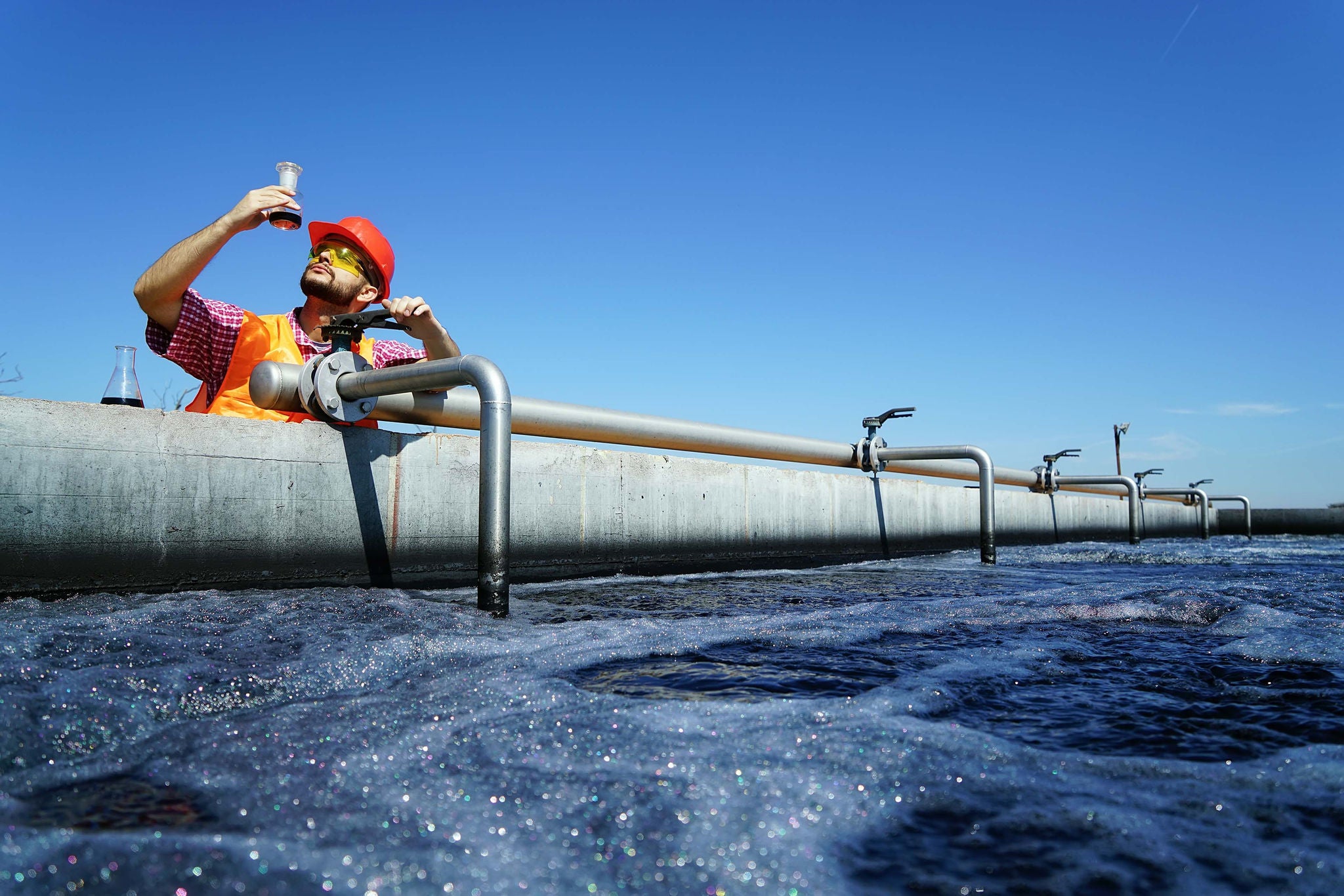
ey-worker-conducting-water-quality-testing-at-an-industrial-water-treatment-facility

Water service provider– Data & Analytics Transformation
 

The better the question (the problem):

A water service provider faced a range of operational and customer service challenges driven by increasing expectations, ageing systems, and the need to better leverage people, processes, data, and technology. To address these issues, they launched a Strategic Transformation Programme (STP) focused on enabling new digital, cognitive, and smart technologies. The programme aimed to enhance customer experience, optimise asset management, and lift operational efficiency and productivity.
 

The better the answer (how we helped):

EY teams designed and delivered a cloud‑hosted Data and Analytics platform (“the Data Hub”) and led key components of the organisation’s data migration and data quality uplift work. The Data Hub supports organisation -wide reporting and analytics, creating a future -fit foundation for data driven operations.

Work included architecture and design of the cloud platform, data engineering services to migrate and remediate legacy datasets, support for STP‑related data migration, and establishing core data governance, quality, and security frameworks.
 

The better the world works (result/impact):

  • A modern, cloud‑based data platform supporting strategic management, reporting, analytics, and IoT.
  • Faster, more intelligent decision‑making across customer, asset, and operational domains.
  • Reliable, quality assured data ready for migration into operational systems.
  • New advanced analytics and machine learning capability enabling real‑time monitoring, network fault resolution, IoT‑based asset risk identification, and revenue assurance.
  • A future ready platform enabling Watercare to continue enhancing its cloud‑based services using Agile delivery and prioritised feature development.
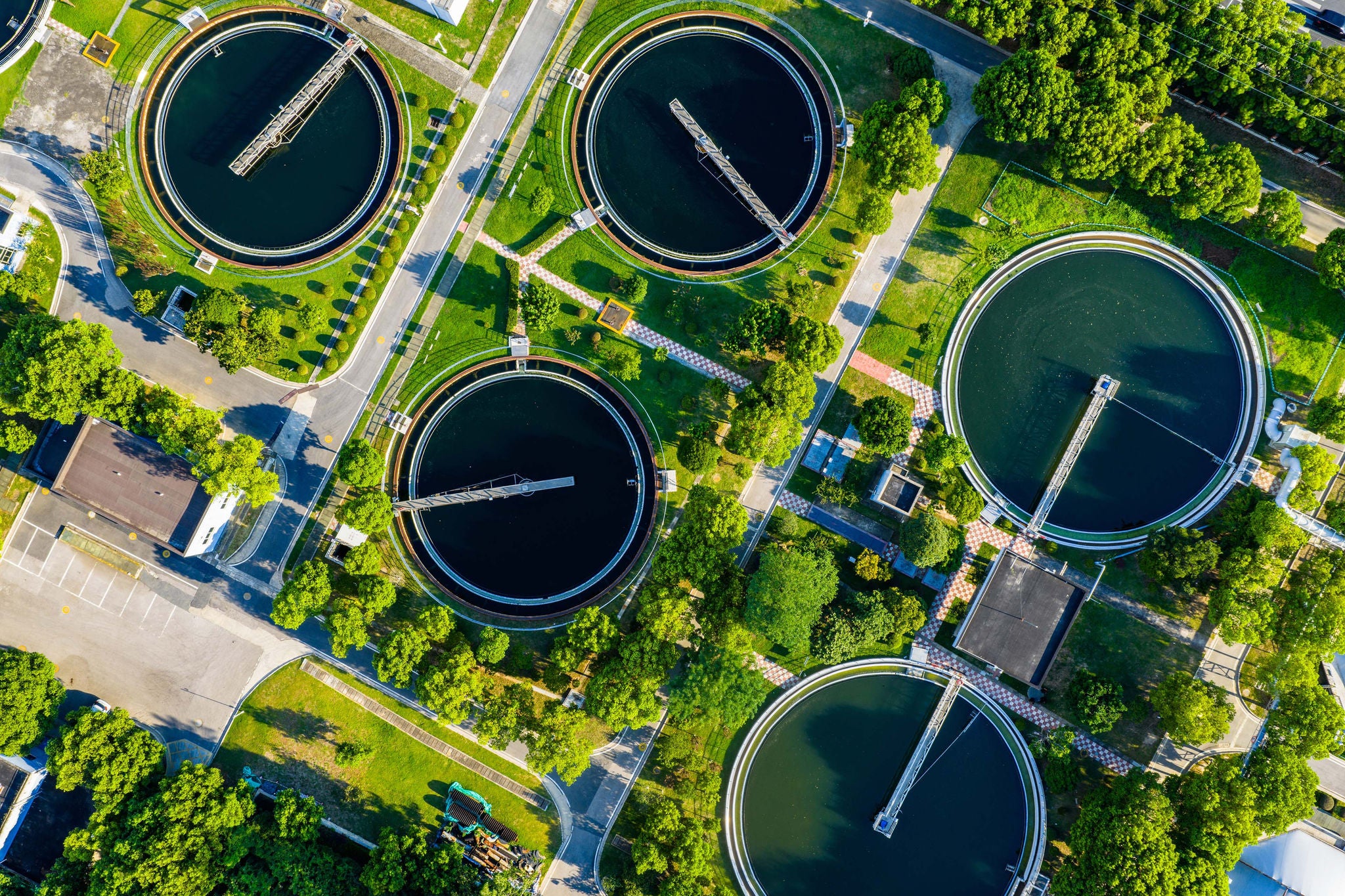
ey-water-splashing-inside-a-circular-container

Operating Model – Water Sector Operating Model Design
 

The better the question (the problem):

EY teams supported a government department and the National Transition Unit (NTU) to develop the future state Operating Blueprint and Digital Operating Model (DOM). This work established how the entities would operate from Day One, including roles, governance, and service delivery functions.
 

The better the answer (how we helped):

Building on the Blueprint, EY teams developed a digital operating model that defined required digital capabilities, sourcing strategies, and alignment with sector‑wide ICT, analytics, and regulatory enablers. Engagement with iwi/Māori representatives, councils, and programme leadership ensured the models were practical, consistent, and reform aligned.

The DOM mapped digital capabilities to organisational roles and service expectations, creating a cohesive, scalable framework for long‑term operational and digital transformation.
 

The better the world works (result/impact):

  • Operating Blueprint defining entity and system operating models.
  • Clear design requirements aligned with the reform agenda.
  • Analysis of operating model options and implications for Water Services Entities (WSE) functions.
  • Stakeholder engagement artefacts supporting coordinated decision making.
  • A unified organisational and digital framework enabling consistent implementation.
Engineers inspecting industrial piping and equipment at a processing facility

Cost Modelling – Cohesive Cost Modelling, Business Case and Asset Data Integration
 

The better the question (the problem):

EY supported a government agency by providing commercial, financial, and business‑case expertise to guide the water reform transition. This included commercial advice, financial modelling, and tools to help councils assess the impacts of transferring water assets.
 

The better the answer (how we helped):

EY teams developed three Treasury‑compliant digital business cases and created a Power BI dashboard to provide clear visibility of local financial impacts. The team also consolidated council data submissions and supported National Transition Unit (NTU) planning through workforce, budget, and regulatory analysis, alongside delivering a Regulatory Impact Assessment and peer review of debt‑settlement approaches to aid negotiations with councils. This work enabled clear, evidence‑based decision‑making in a rapidly evolving reform environment.
 

The better the world works (result/impact):

  • Three approved Treasury Better Business Cases.
  • Consolidated Request for Information (RFI) dataset and Local Authority Dashboard.
  • Treasury‑compliant Regulatory Impact Assessment.
  • Budget‑option modelling and forecasting tools.
  • Strong analytical support enabling confident reform decisions.
ey-rainwater-splashing-on-the-surface-of-a-circular-water-container

Who we work with

EY New Zealand works with leading technology, strategy and engineering firms to deliver innovative solutions that leverage data analytics and advanced technology to help drive efficiency, improve resource allocation, and foster community engagement in water stewardship initiatives. Together, we can create a comprehensive approach that addresses the challenges of water management while promoting sustainability and resilience in local communities. 

Contact us
Like what you’ve seen? Get in touch to learn more.