Irish CEOs are reshaping strategies for resilience, focusing on localisation and transformation to thrive in a volatile environment.


In brief

  • Localisation is now a long-term strategy: 77% of Irish CEOs are prioritising production and sourcing closer to home for greater control and resilience.
  • Resilience under pressure: Despite inflation, energy volatility, and regulatory complexity, 78% of CEOs are optimistic about managing input costs. However, confidence in talent has declined from 55% to just 35%.
  • Transformation with intent: 58% plan to accelerate transformation this year, with CEOs prioritising automation, simplification, and sustainability.
  • Purpose-driven: 98% of Irish CEOs intend to pursue transactions in the next 12 months, including joint ventures, M&A and divestments, but the focus is firmly on building capabilities, technology, supply chains and new markets, not just chasing scale.

Introduction

Investment with intent

Irish CEOs are prioritising value creation. Rather than a wholesale reinvention, CEOs are sharpening their business models and structures in response to inflation, geopolitical tension and regulatory uncertainty. These pressures are acting as catalysts for change, driving leaders to rethink supply chains, capital allocation and investment priorities. EY Ireland’s latest CEO Outlook sends a clear message: leaders are focused on building businesses that last, resilient, high-performing, and ready for what’s next.

Six in ten CEOs are projecting optimism in profitability over the next year, and sentiment in relation to revenue is also positive. This contrast reveals a leadership mindset that is concerned about external risks but confident in their ability to deliver results.

When it comes to geopolitical uncertainty, 57% of global CEOs expect it to last beyond a year, while a slightly lower 42% of Irish CEOs share this expectation, indicating a growing confidence in their ability to navigate volatility.

Irish CEOs are focusing transformation on targeted actions that build resilience. Their priorities are clear: secure critical supply chains, allocate capital where it delivers long-term value, and double down on technology that boosts performance. Those who act decisively and move at pace will turn volatility into competitive edge.

Localisation and Regionalisation

Cost pressures and Resilience

Portfolio and Transactions


M&A Strategy and Deal Types

Investment Geography

CEO Sentiment

Aerial view of a winding road in a lush green valley.
1

Chapter 1

Localisation and Regionalisation

Closer to home and built to last

This latest survey highlights how Irish CEOs are changing how they run their businesses. Most are now producing closer to where goods are sold, in many cases, that means within Ireland or across nearby European markets. They are building regional supply chains and mitigating their global exposure. This is long-term planning in action.

Seven in ten CEOs have placed regionalisation at the core of their strategy, across operations, supply chains, research, and technology.

Globally, nearly three-quarters of CEOs have already localised part of their production or supply chains, signalling that regionalisation is no longer a short-term fix but a long-term restructuring of global business models. Irish CEOs’ push for regionalisation is aligned to this global shift.

Ireland is well positioned to benefit from this regionalisation opportunity, with CEOs stating that this is only possible because the basics are in place. Most point to strong access to capital, a stable regulatory environment, and solid infrastructure as the enablers.


Close-up of a 3D topographic map with glowing orange lines.
2

Chapter 2

Cost pressures and Resilience

Confidence climbs, but costs and complexity weigh heavy

Inflation continues to dominate the agenda as Irish CEOs face a complex mix of financial and operational pressures. However, in September, 78% of our survey participants cited input costs as a source of optimism up from 48% in May. Against, this, the cost of energy remains a cost driver, with 50% of leaders saying this is directly affecting operational performance. While some companies are managing to pass these costs on to customers, only some say they can do so without impacting demand. Margin pressure is intensifying, particularly in sectors with limited pricing flexibility.

Regulatory complexity is compounding the challenge. Over 40% of CEOs say ESG compliance is slowing decision-making, and about a third say confusing regulations are making it harder to navigate changes. These pressures are forcing leaders to reassess cost structures, investment timelines, and the pace of innovation.

Cybersecurity risk is also rising on the agenda. Viewed as a compliance issue, many CEOs also see it as an obstacle to innovation, limiting their ability to roll out new digital solutions with confidence. Alongside cost and talent, it continues to present a significant challenge for transformation.


Talent constraints are also impacting resilience. CEO confidence in attracting and retaining skilled workers has declined, with just 35% now somewhat optimistic, down from 55% earlier this year. The drop is most pronounced in sectors with high demand for digital and technical skills. In response, leaders are adjusting hiring strategies, investing in workforce development, and expanding partnerships with universities and training providers. Despite these efforts, talent challenges continue to impact the pace of transformation and limit growth potential.

The cost equation has changed. Leaders can’t simply pass inflation through to customers; they’re forced to rethink structures, redesign processes, and double down on talent strategies to stay competitive.

Winding mountain road illuminated by vehicle light trails at night.
3

Chapter 3

Portfolio and Transactions

Transformation Is Targeted, Disciplined, and Performance-Driven

Irish CEOs are making deliberate moves to reshape their businesses. Nearly 60% plan to increase investment in portfolio transformation this year, up from 48% in May. The focus is on improving performance, simplifying operations, and building long-term value. Automation is a key priority, with many leaders focussing on process efficiency and cost reduction. AI adoption is also high on the agenda as conversations with multinationals and PLCs point to AI as a major boardroom focus, not a side note.

Funding strategies remain disciplined. Just under six in ten CEOs say they plan to rely on organic growth through higher revenue or better margins to finance transformation. Around 20% are raising capital from shareholders, while others are turning to debt or divesting non-core assets. CEOs are endeavouring to maintain investment momentum without overextending.

Improving financial performance is the top driver behind portfolio change. One in three CEOs cite financial results as the main reason for rethinking their business mix. Others are responding to competitive pressure, preparing for industry changes, or streamlining to focus on core capabilities.

The survey also highlights longer-term motivators: some CEOs are reshaping portfolios to address sustainability priorities, others to reduce organisational complexity, and a notable share are responding to the impact of technology reshaping their industries. There is no doubt that transformation is now anticipatory and not reactionary.

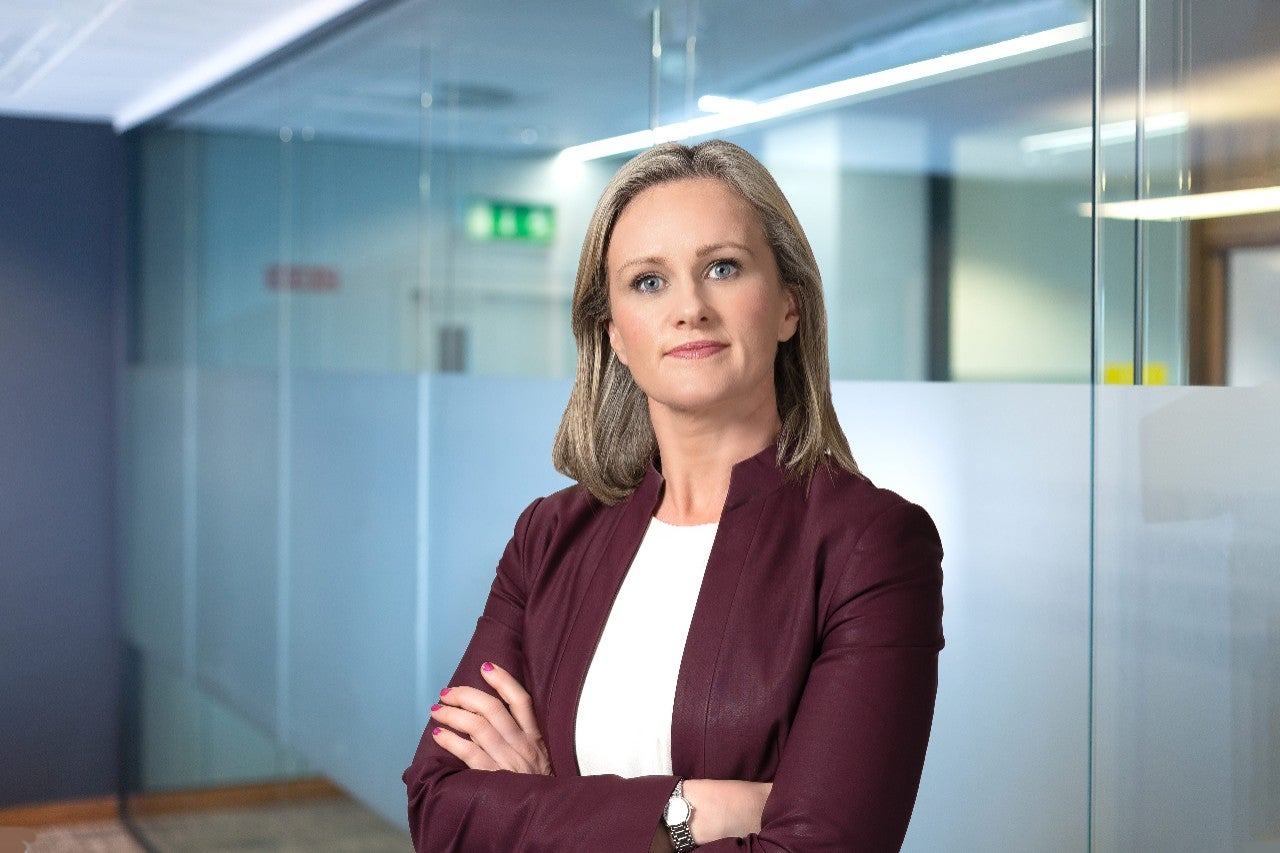
"Nearly six in ten Irish CEOs are increasing investment in portfolio transformation — but success won’t come from chasing scale. It requires discipline: divesting what no longer creates value, simplifying operations, and sharpening core capabilities. CEOs need to be decisive in embedding automation and AI where they drive measurable performance, not just experimentation. Transformation is about targeted moves that deliver results today and lock in long-term advantage."

Helena O'Dwyer


Winding road through a misty valley at dusk with headlights.
4

Chapter 4

M&A Strategy and Deal Types

Deals focused on practical gains and long-term impact

Deal activity is on the rise, with nearly all Irish CEOs planning to pursue transactions such as M&A, divestments or partnerships in the coming year. Many are targeting companies that offer something practical such as new technology, skilled talent, or access to markets they haven’t yet reached.

Innovation is a strong motivator. About 38% say they are acquiring to bring fresh ideas into their business. Others are focused on improving how they deliver products or connect with customers. These deals are less about making headlines and more about delivering tangible business value.

The breakdown shows a preference for acquiring complementary businesses and suppliers to strengthen the value chain, alongside targeted plays for technology, IP, and new market entry. Large-scale acquisitions are less common, signalling that CEOs are prioritising capability-building over scale.

Do you expect to actively pursue any of the following transaction initiatives over the next 12 months?
[The respondents were asked to select multiple responses]


The global survey paints a similar picture: alliances and JVs are gaining traction in sectors from life sciences to clean energy, offering a faster, lower-risk path to innovation than large scale acquisitions. Irish CEOs’ appetite for M&A is clearly aligned with this global pivot toward capability-building and complementary partnerships.

Joint ventures are part of the mix. CEOs see value in teaming up to share risk and build capability without taking on the full cost of an acquisition. These partnerships often focus on digital tools, supply chain upgrades, and better customer experiences.

With nearly every Irish CEO signalling intent to pursue deals in the year ahead, M&A is no longer about chasing scale, rather honing capabilities. The priorities are clear: technology, supply chain strength, and market access. Our advice for CEOs is clear: structure deals with discipline, focus on integration from day one, and use partnerships and joint ventures to share risk while accelerating transformation.
Winding path in a foggy forest with glowing orange light.
5

Chapter 5

Investment Geography

The smart money’s already here

Ireland is the top investment destination among the Irish CEOs surveyed. Out of the respondents, 19 ranked Ireland in their top three priorities for capital allocation over the next 12 months. The United States came second with 13 mentions, followed by the United Kingdom with 12.

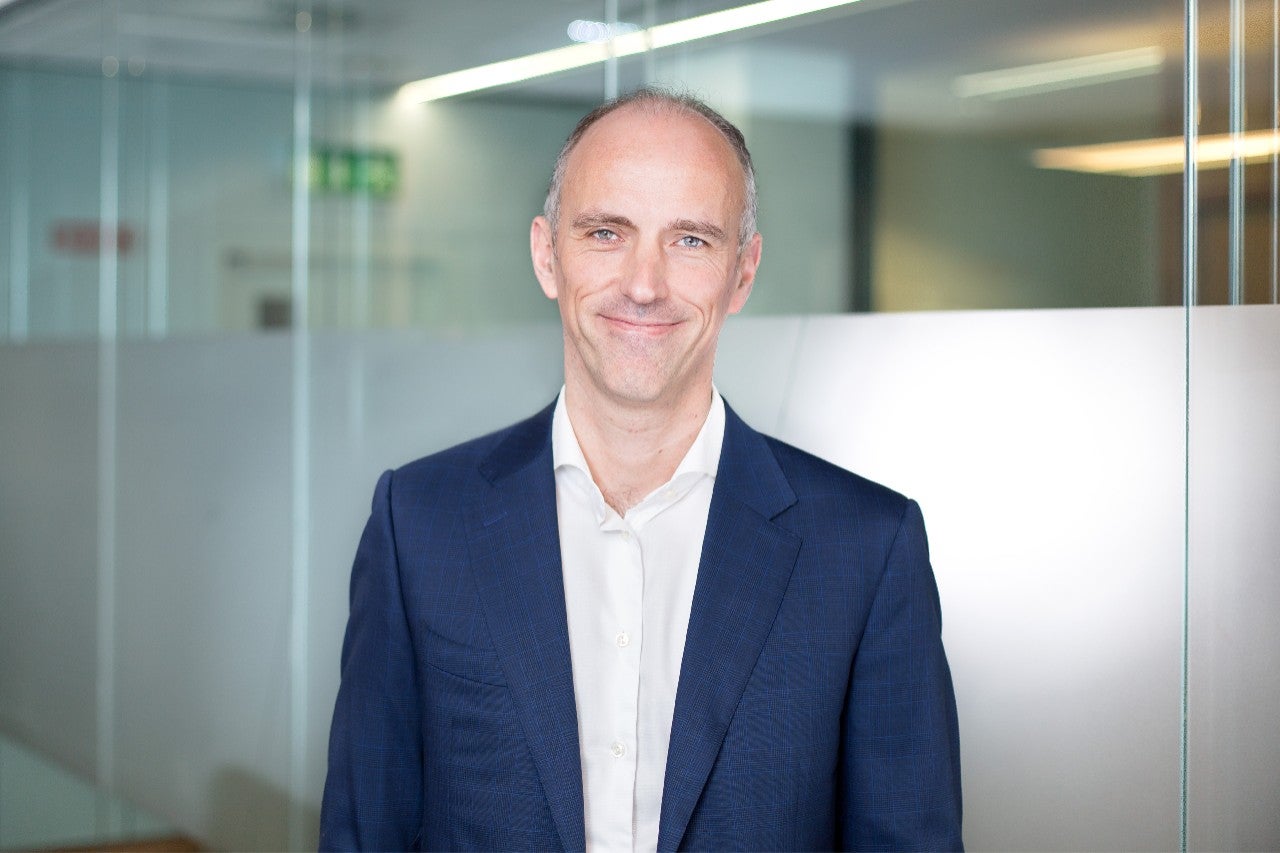
"Ireland has demonstrated remarkable resilience as a location for continued capital investment given the unprecedented level of geopolitical uncertainty companies are facing. CEOs see it as a stable, skilled, and connected hub, highlighting Ireland as a safe base from which to navigate global uncertainty. This presents a significant opportunity for Ireland to play a key role in the next wave of innovation with a renewed focus on competitiveness, investment in its digital infrastructure along with the right incentive landscape and collaboration with academia."

A photographic portrait of Aidan Meagher

This marks a departure from earlier surveys. Ireland’s appeal is growing, especially for companies focused on supply chain resilience, talent access, and regional market reach. CEOs see it as a stable base for operations and a strong location for technology and infrastructure investment.


Serene lake at dawn surrounded by misty hills and trees.
6

Chapter 6

CEO Sentiment

Confidence holds, but complexity is a constant

Despite increasing complexity, confidence in business performance is holding steady. Optimism around profitability has climbed from 40% to 60%. Sentiment around the broader economy is more cautious and tariffs are still on the radar, with 30% of CEOs agreeing that higher tariffs are expected to weaken their financial performance.

With 30% of Irish CEOs already bracing for tariffs to dent performance, the smart move is to act before shocks land. The data shows leaders are already planning to reconfigure supply chains, double down on automation, and adjust pricing models. CEOs can no longer treat tariffs as a one-off risk; they need to recognise that they will continue to be a key feature of ongoing geopolitical volatility and build flexibility within their operating models.

The survey also asked how CEOs would respond if new tariffs emerged. The most common answers were reconfiguring supply chains, investing in efficiency or automation, and adjusting pricing models, practical levers that keep businesses agile in a volatile trade environment.

How CEOs would respond if new tariffs emerged ?

  • Reconfiguring supply chains
  • Investing in efficiency or automation
  • Adjusting pricing models

AI is another divisive topic. The survey results clearly frame it as “caution and ambition”. But outside of the survey, our recent conversations with CEOs, especially in the multinational space, suggest AI is rapidly moving to the core of transformation strategies.

Climate risk is acknowledged but few CEOs are translating concern into board-level action. Just under half of respondents agree that environmental issues are being underplayed in boardrooms.

These responses point to a leadership mindset that is steady under pressure, acutely aware of challenges and focussed on building resilient businesses for the long term.

Finally.

There is a quiet confidence running through this year’s responses. Irish CEOs are staying focused and staying the course. The plans they are putting in place now reflect a deeper understanding of how to build businesses that last.

The CEOs we surveyed are not interested in passing trends and they are not reacting to market noise.

For private companies, that often means leaning on Ireland as a stable hub for talent and innovation. For multinationals, it means embedding Ireland within a regional strategy. Either way, the foundations are in place. What comes next will require disciplined execution and the ability to remain agile in response to structural pressures and geopolitical uncertainty.


Summary

Irish CEOs are strategically focusing on localisation, resilience, and transformation to navigate economic challenges. With a strong emphasis on M&A and automation, they aim to build long-term value and adaptability in their businesses.

EY-Parthenon Strategy Consulting

EY-Parthenon provides strategic advice and customised solutions to help organisations unlock growth, improve profitability and long-term value.

EY-Parthenon

Related content

Economic Eye, Autumn Forecast 2025

Economic Eye forecast provides an all-island economic review and commentary for the Republic of Ireland and Northern Ireland.

EY.ai

Artificial Intelligence - The Future Won't Wait

    Turn Insight Into Action

    |

    Build resilience with EY-Parthenon’s strategic expertise