



EY refers to the global organization, and may refer to one or more, of the member firms of Ernst & Young Global Limited, each of which is a separate legal entity. Ernst & Young Global Limited, a UK company limited by guarantee, does not provide services to clients.
How EY can help
-
The EY Americas Metals and Mining Center of Excellence offers companies access to cutting-edge services and innovation-led solutions.
Read more
Battery electric vehicles (BEVs) are no longer a fringe technology in Canada’s mining sector. But the way we talk about them often misses the point. The most important question isn’t whether BEVs can haul and load. It’s whether mine sites can absorb a new set of constraints —power, ventilation, dust compliance, charging logistics, maintenance models and workforce readiness — without trading away reliability.
A recent EY Canada mine electrification benchmarking snapshot reflects this shift: companies were evenly distributed across the assess, plan and deploy stages of their electrification journey, suggesting this has become a practical operational topic rather than a distant ambition.
What’s driving electrification (and what isn’t)
One of the most revealing benchmarking findings is what operators aren’t chasing. When asked why they prioritized specific equipment, tonnage wasn’t selected at all (0%). Instead, respondents pointed to diesel consumption reduction (57%) and emissions / diesel particulate matter reduction (43%) as the primary rationale for electrification priorities. That should reframe the discussion: for many Canadian operators, electrification is fundamentally a risk and exposure strategy — reducing diesel dependency, improving underground environments and meeting sustainability expectations — rather than a pure productivity play.
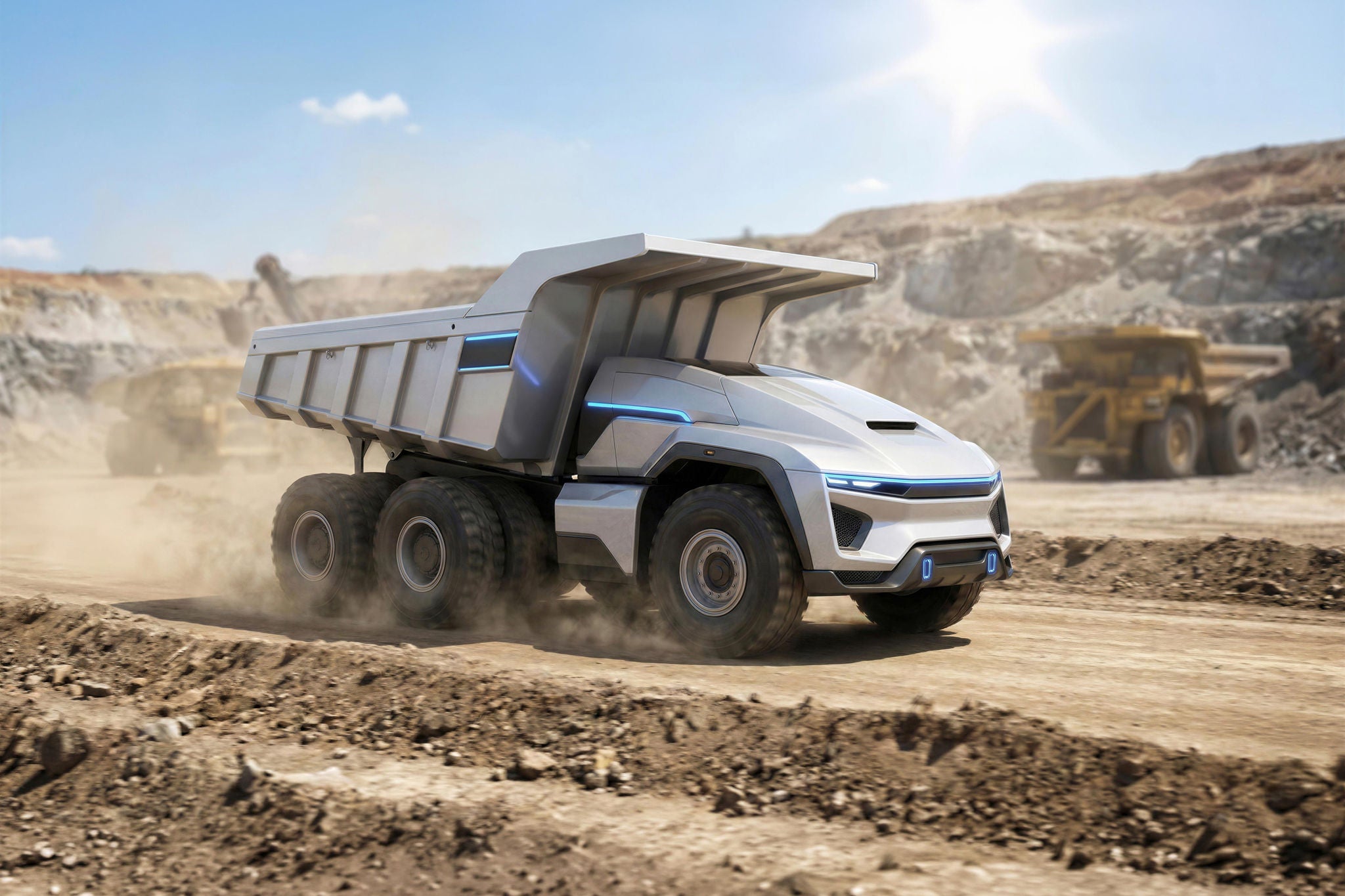
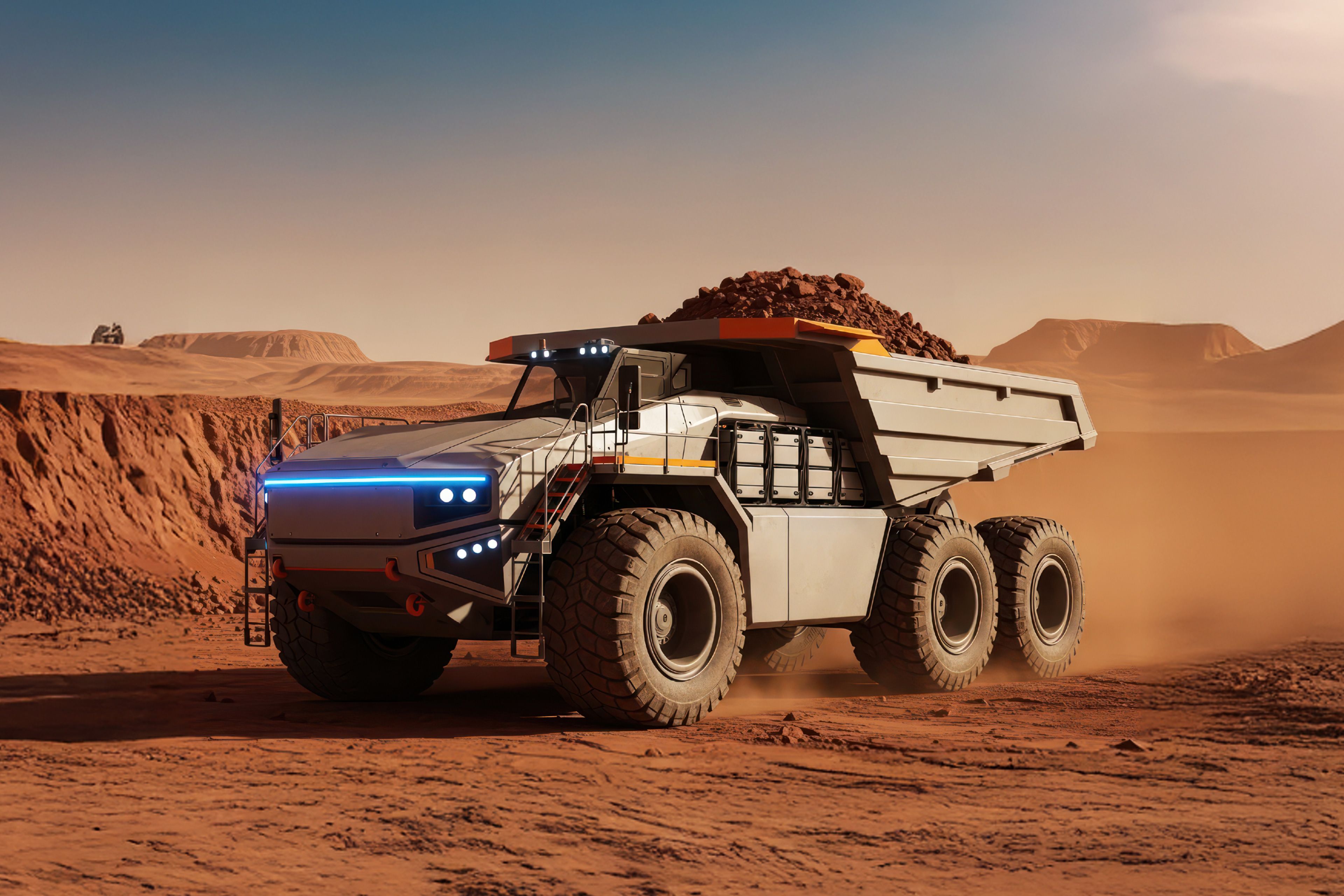
This also helps explain why haul trucks sit at the top of respondents’ electrification priority list (50%), ahead of loaders (25%) and drills (13%). Haulage is where diesel use is most visible and where emissions reductions can be most material, especially at scale. But it’s also where electrification becomes most system dependent: the “vehicle decision” quickly turns into a “site power and operating model decision.” Our benchmarking results reinforce this reality in another way: only 40% of respondents report having an official electrification program; 40% do not and 20% are still developing one. In other words, ambition is rising faster than governance and execution discipline.