


EY refers to the global organization, and may refer to one or more, of the member firms of Ernst & Young Limited, each of which is a separate legal entity. Ernst & Young Limited is a Swiss company with registered seats in Switzerland providing services to clients in Switzerland.
Recent Searches
Trending
-
How Swiss firms should prepare for post-quantum cryptography
05 Aug 2026 Cybersecurity -
New Swiss AML and Transparency framework: how it impacts businesses, company owners and advisers
27 Jul 2026 Financial services -
Global IPO highlights in Q2 2026 and insights for future IPO candidates
08 Jul 2026 IPO
“A mindset shift toward more growth and ambition would be good for Switzerland
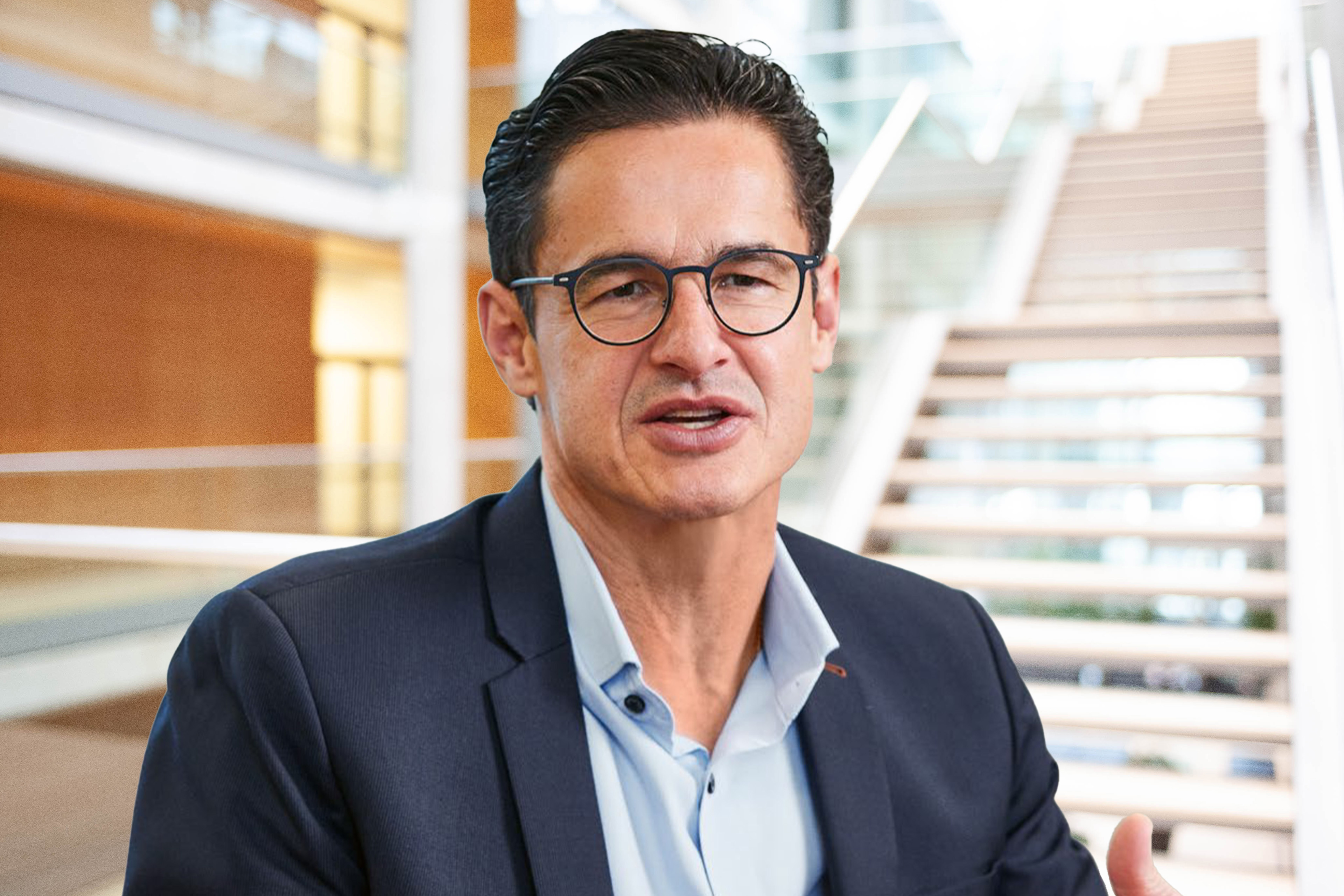
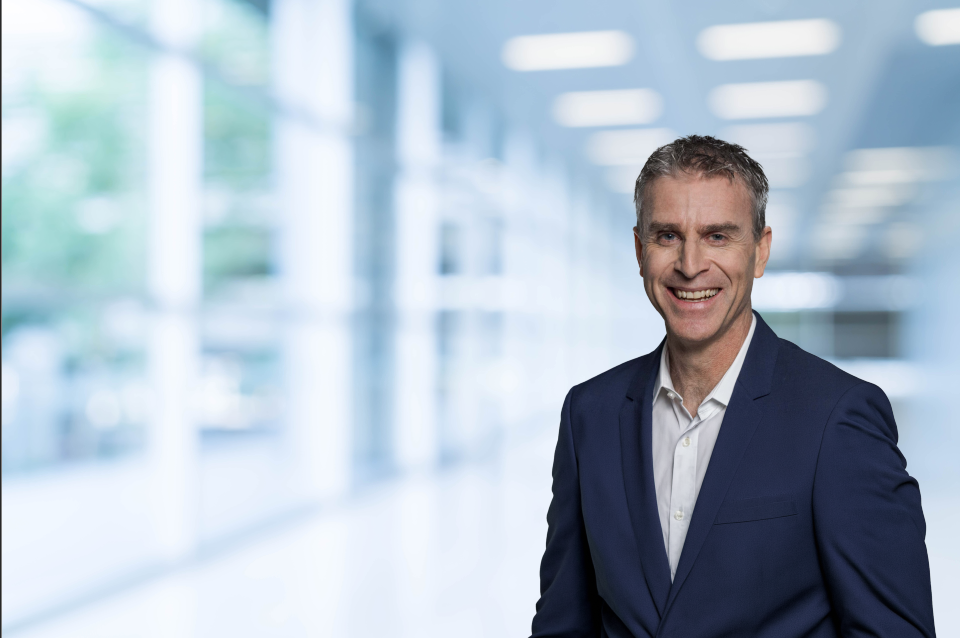
Daniel Bossard
Daniel Bossard is Chief Executive Officer of Bossard Group, a leading global provider of product solutions and services in industrial fastening and assembly technology. He studied Business Administration at the University of St. Gallen, where he also completed his doctorate, and began his career as a consultant at Accenture. Mr. Bossard joined the family business in the early 2000s, initially building its e-commerce platform and intranet, before serving as Managing Director of Bossard Denmark. He later led the Group’s global Sales and Marketing function and, from 2009, was CEO of the Northern and Eastern Europe regions and a member of the Group Executive Committee before stepping up as Group CEO in 2019.
Daniel Bossard, CEO of Bossard Group, takes inspiration from the company’s history, shares his leadership perspective and explains why he is looking to the future with confidence despite mounting global challenges.
The Bossard Group has a long history, enjoying market success and growing as a family business since 1831. What’s the secret of your success?
Let me share an anecdote about our founder, Franz Kaspar, who was born in 1760. When he was 29, he rode to Paris, fought as a mercenary against the king during the French Revolution, returned, married the daughter of the local governor, ran a silk trading business for 40 years, and in 1831 – at the age of 71 – decided to switch from silk to the iron goods trade.
What does this tell us? You should constantly question whether you’re still on the right path. This mindset has become part of our DNA, and we reflect continuously on where we’re headed. We’ve also always prioritized innovation with a focus on creating value for our customers. At the same time, we take a long-term view and are not distracted by short-term turbulence.
That last point can be easier said than done. Is your company facing an unprecedented level of disruption right now?
From a geopolitical perspective, I would say no. Since 1831, we have experienced several wars, including the First and Second World Wars, which were certainly more severe. Even if my team and I weren’t directly affected, I’m sure our predecessors faced significant challenges that were no less demanding than the ones we’re dealing with today.
From a technological perspective, however, I would say yes. Of course, at the time, the industrial revolution must also have been overwhelming for people. But what is happening now, the speed at which AI is developing and the possibilities it offers, is unparalleled. As a society, we’ve never seen anything like this before.
We need to regulate less and be bolder about promoting innovation.
What are your own AI priorities?
It’s very important to me that we see artificial intelligence as augmented intelligence. It is a tool for people, not a replacement, although that may be an effect at some point, as certain roles are phased out when people leave.
Within a company, AI must not be seen as a job killer but as something that helps us handle tedious administrative tasks more efficiently and frees up time for customers and employees.
Our AI initiatives are currently focusing on document processing, for example, order intake or customer drawings. These can be automatically read by the system, checked against stock availability, compared with previously delivered items, priced and bundled into a quotation that is sent directly to the customer. Document processing is a key topic for us and is now being scaled and rolled out globally. For the customer experience, this means much faster responses – minutes rather than weeks.
Speed is a defining feature of our times. Does it affect how you think about the future?
It’s not just speed. Predictability has also decreased. Analysts and investors want to know twelve months in advance exactly how things will turn out, but that has become increasingly difficult. We have largely stopped issuing forecasts because it’s impossible to predict what will happen tomorrow, let alone twelve months down the line. Markets closing, disrupted supply routes and new tariffs are now par for the course and demand flexibility.
A mindset shift toward more growth and ambition would be good for Switzerland.
Talking of disrupted supply routes, does closed air space or the recent blockage of the Strait of Hormuz cause you problems? If so, how do you deal with these?
We’re indirectly affected through higher freight costs but we’ve not had problems obtaining goods so far. Thanks to our global presence, we can absorb shifts and shocks quite well.
We do have to pass price hikes on to customers to some extent, and this is not always well received. If you go to a major customer and say you need to increase prices by 25% on several million in revenue, it’s natural that they might choose to explore alternatives. In many cases, there aren’t any feasible options, however, and we usually manage to reach an agreement with the customer, especially amid a lack of local capacity.
On this point, we observe a trend toward deglobalization and regionalization. I don’t believe globalization is dead, though. While I absolutely understand the need for basic supply security, it’s not efficient for every country to do everything itself, and I’m sure others will realize this too in time.
If you were in a position to change one thing in Switzerland’s business environment, what would it be?
I wouldn’t be able to pin it down to one thing. People often say Asia and the US innovate, while Europe and Switzerland regulate. We need to regulate less and be bolder about promoting innovation. These two aspects are key to regaining momentum in my view.
I’m frankly somewhat concerned about where Europe is heading in the regulatory space. There are constantly new rules and regulations and it’s a challenge to navigate these as a company.
Red tape can also make countries sluggish. Just look at energy as an example. The whole world is being forced to rethink energy strategies amid geopolitical tensions and climate concerns. Meanwhile, China is building around 30 nuclear power plants, and approval processes are relatively straightforward. I’m not saying nuclear power is necessarily the best solution, but we have to wait decades just to obtain approval, let alone build anything. With our slow processes, there’s a real risk that we’ll be overtaken by the East and that is a major challenge.
I observe this “we’re doing fine” attitude in Switzerland as well as a stronger focus on work-life balance. When I look at Asia, I see a very different dynamic – people who really want to achieve something. A mindset shift toward more growth and ambition would be good for Switzerland. I would encourage all young people in our country to work in a growth environment at least once, or to go and study or learn somewhere else, to experience this dynamic firsthand.
I sleep soundly, because I believe in our business model.
Let’s end on a personal note. What’s your approach to leadership? What keeps you awake at night? And what gives you confidence that everything will turn out alright in the end?
As a CEO today, you simply cannot control everything. You don’t know everything that happens globally every day, and you can’t make every decision yourself. You need a framework – a strategy and guiding principles – that guide people to act independently. Hierarchy and complex decision-making pathways take time, and customers don’t want to wait for that. I believe collaboration will become even more important in the future at the local and global level. That means less command-and-control and more delegation to the front line.
I sleep soundly, because I believe in our business model. There is high demand for our products and many industries still rely on fastening and joining technologies. We are globally positioned and can shift geographically if something doesn’t work in one market. For example, when tariffs on India were suddenly raised to 50%, a global electronics group told us they wanted to stop production in India and move it elsewhere. Since we are present in so many countries, we were able to accommodate this change and keep this major customer happy.
Ultimately, I’m an optimist by nature. I always believe there are more opportunities than risks, and that every crisis also brings new opportunities.
Featured articles and interviews
Gabriele Mazzini, Lead author of the EU Artificial Intelligence Act
Gabriele Mazzini is a research associate at MIT Media Lab, an interdisciplinary creative playground rooted squarely in academic rigor, and a sought-after speaker, lecturer and advisor on AI governance and regulation across the world.
Julia Wetter-Studinka, Head of Regional Sales Switzerland at SWISS
Julia Wetter-Studinka is Head of Regional Sales Switzerland at Lufthansa Group and a SWISS employee. She joined the Lufthansa Group in 2018, initially as a project manager in distribution and commercial negotiations with Global Distribution Systems.
Andrea Carcano, Co-founder and Chief Product Officer of Nozomi Networks
Andrea Carcano, co-founder and Chief Product Officer of Nozomi Networks, reflects on lessons learned from the global IT outage in July 2024, discusses why the conditions are ripe for generative AI and explains why he is looking to the future with confidence.
Monika Zihlmann, Global Digital Commercial Platforms
Monika Zihlmann, Vice President Global Digital Commercial Platforms at Smith+Nephew, discusses the trends and pressures shaping the medtech industry and explains why now is the time to embrace a multi-channel customer engagement model.
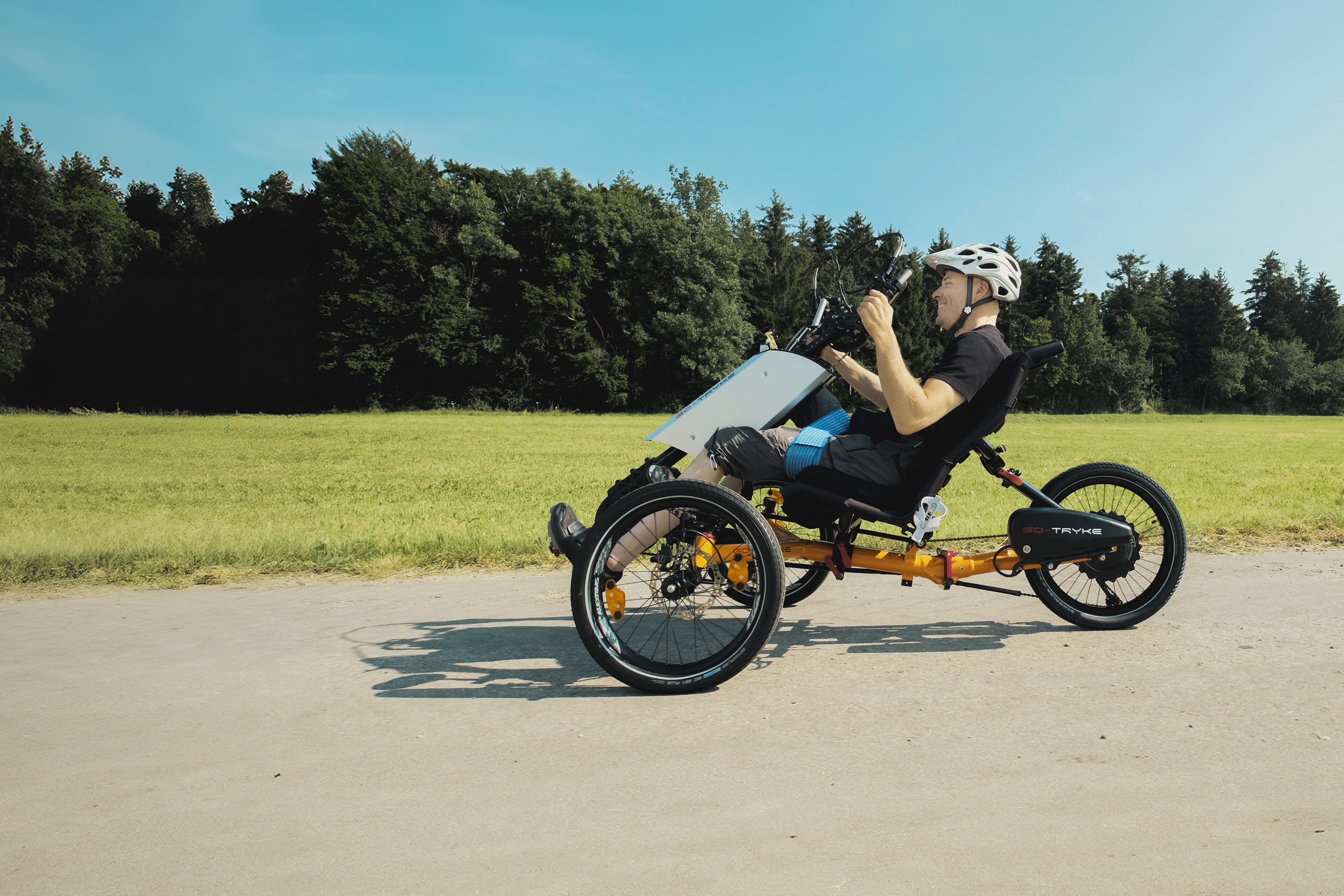
Sebastian Tobler, Co-founder and CEO of GBY SA
Sebastian Tobler is co-founder and CEO of GBY SA, which has developed a new approach for the rehabilitation of people with reduced mobility. An automotive engineer by training and trade, Sebastian Tobler’s life took a new direction when a bike accident left him paralysed. Alongside his entrepreneurial activities, he heads the SCI-Mobility Lab as Professor at the Bern University of Applied Sciences.
Patrick Pruniaux, Chairman & CEO of Sowind Group
Patrick Pruniaux has a background in business administration and began his career in the watch industry at TAG Heuer. Always fascinated by innovation, he joined Apple in 2014 and oversaw the launch of the Apple Watch. Following a move to Kering in 2017, he managed the Ulysse Nardin and Girard-Perregaux watch brands. In 2022, Patrick Pruniaux spearheaded the historic management buyout and now serves as CEO of these two brands within Sowind Group.
Serra Bicak is Senior Vice President Reckitt Africa Middle East at Reckitt Hygiene. She has lived and worked in eight different countries for various roles during her career in fast-moving consumer goods. Serra Bicak is passionate about diversity, equity and inclusion (DE&I) and leads Reckitt Hygiene’s gender balance program.
Judith Häberli, CGO and co-founder of Urban Connect as well as EY Entrepreneur Of The Year™ 2023 Switzerland winner in the category "Emerging Entrepreneur", shares her motivation for starting a corporate mobility platform and explains why real change only happens when companies work together.
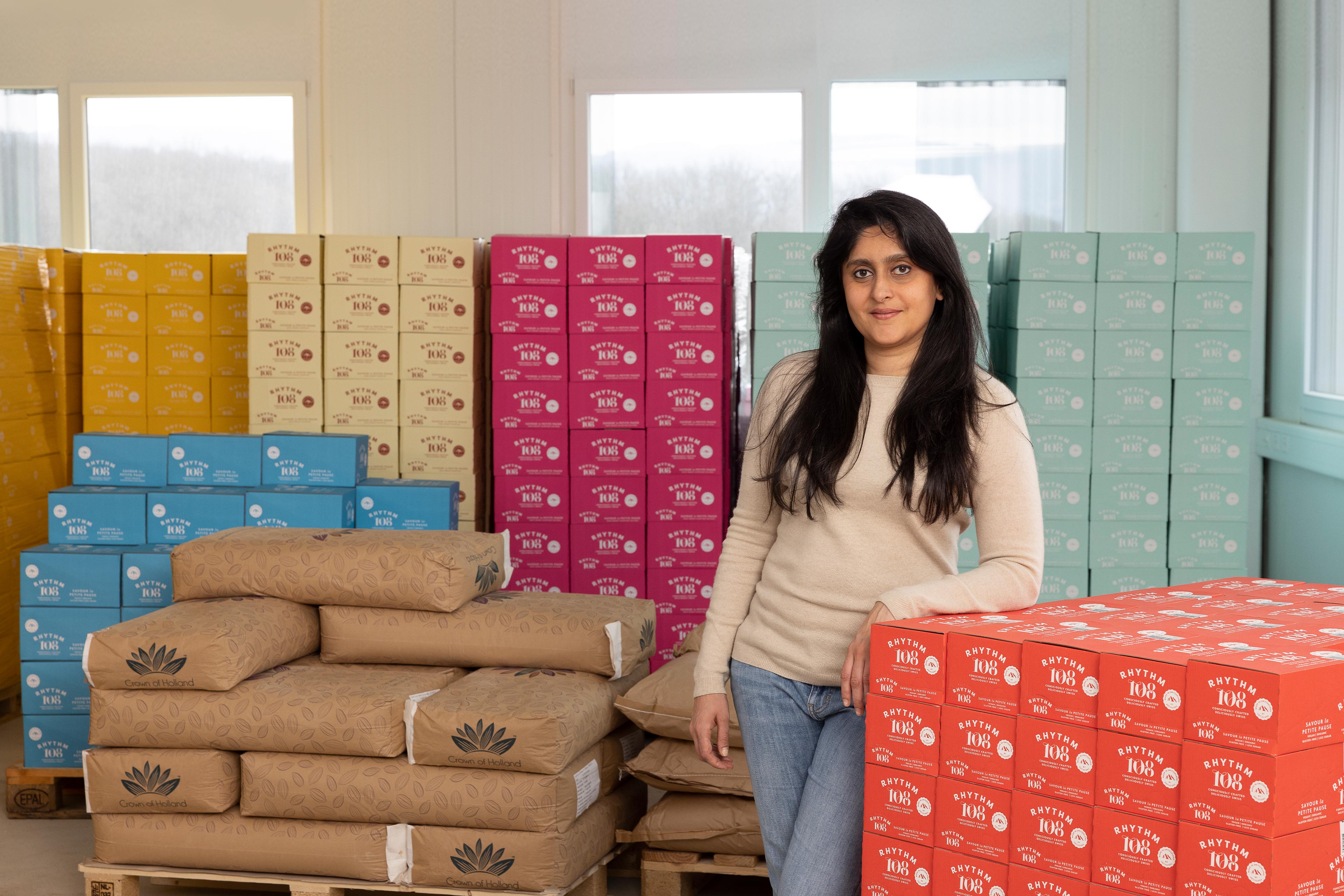
Siddhi Mehta, founder and CEO of Rhythm 108, talked to us about sustainability, craftmanship – and how her company combines heritage and innovation to take the Swiss chocolate tradition into the future.
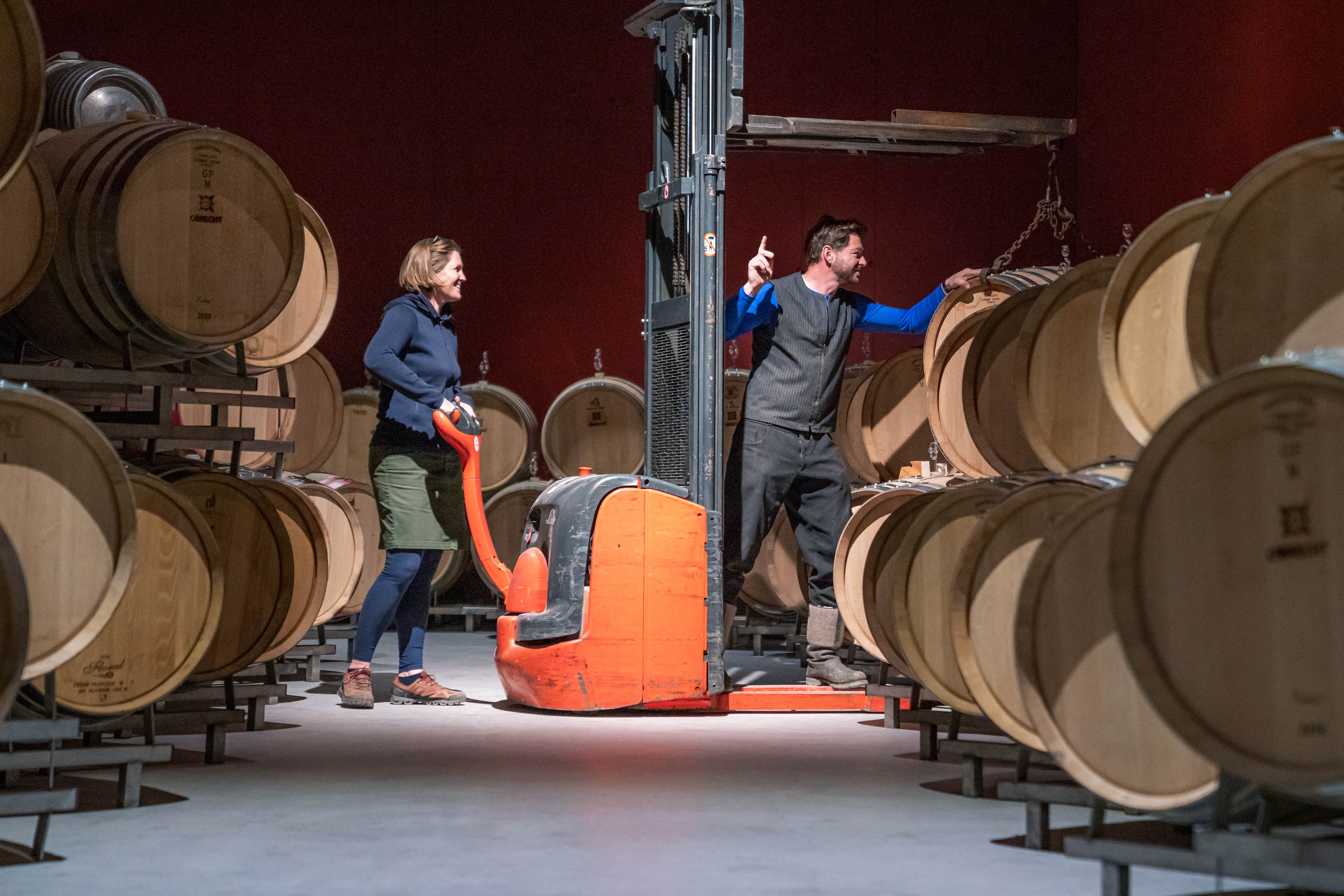
Francisca Obrecht, Weingut Obrecht
Peter Rupp grew up in Sargans, Switzerland, around 20km south of the Hilti headquarters in Liechtenstein. He studied Economics in St. Gallen, then took a post-graduate degree in Engineering in Winterthur.
Peter Rupp grew up in Sargans, Switzerland, around 20km south of the Hilti headquarters in Liechtenstein. He studied Economics in St. Gallen, then took a post-graduate degree in Engineering in Winterthur.
Originally from Naples where she grew up and studied physics, Luciana Vaccaro moved to Switzerland in 1996 to complete a PhD in microengineering at EPFL. She held various positions in research and education at the universities of Neuchâtel and Lausanne before heading the Grant Office at EPFL. In 2013 she took the reins of HES-SO as rector. Last October, Luciana Vaccaro was elected president of the umbrella organization swissuniversities and started in her new position on 1 February.
Christoph Jenny is one of the four co-founders of the start-up Planted and a member of the Executive Board.
Thomas Fürer has served ABB for 22 years, including 14 years in his current role as Group Head of Tax. A Certified Swiss Fiduciary Expert and Certified Swiss Tax Expert, he takes a keen interest in technology and digitalization in the tax function and beyond.