



EY refers to the global organization, and may refer to one or more, of the member firms of Ernst & Young Limited, each of which is a separate legal entity. Ernst & Young Limited is a Swiss company with registered seats in Switzerland providing services to clients in Switzerland.
Recent Searches
Trending
-
How Swiss firms should prepare for post-quantum cryptography
05 Aug 2026 Cybersecurity -
New Swiss AML and Transparency framework: how it impacts businesses, company owners and advisers
27 Jul 2026 Financial services -
Global IPO highlights in Q2 2026 and insights for future IPO candidates
08 Jul 2026 IPO
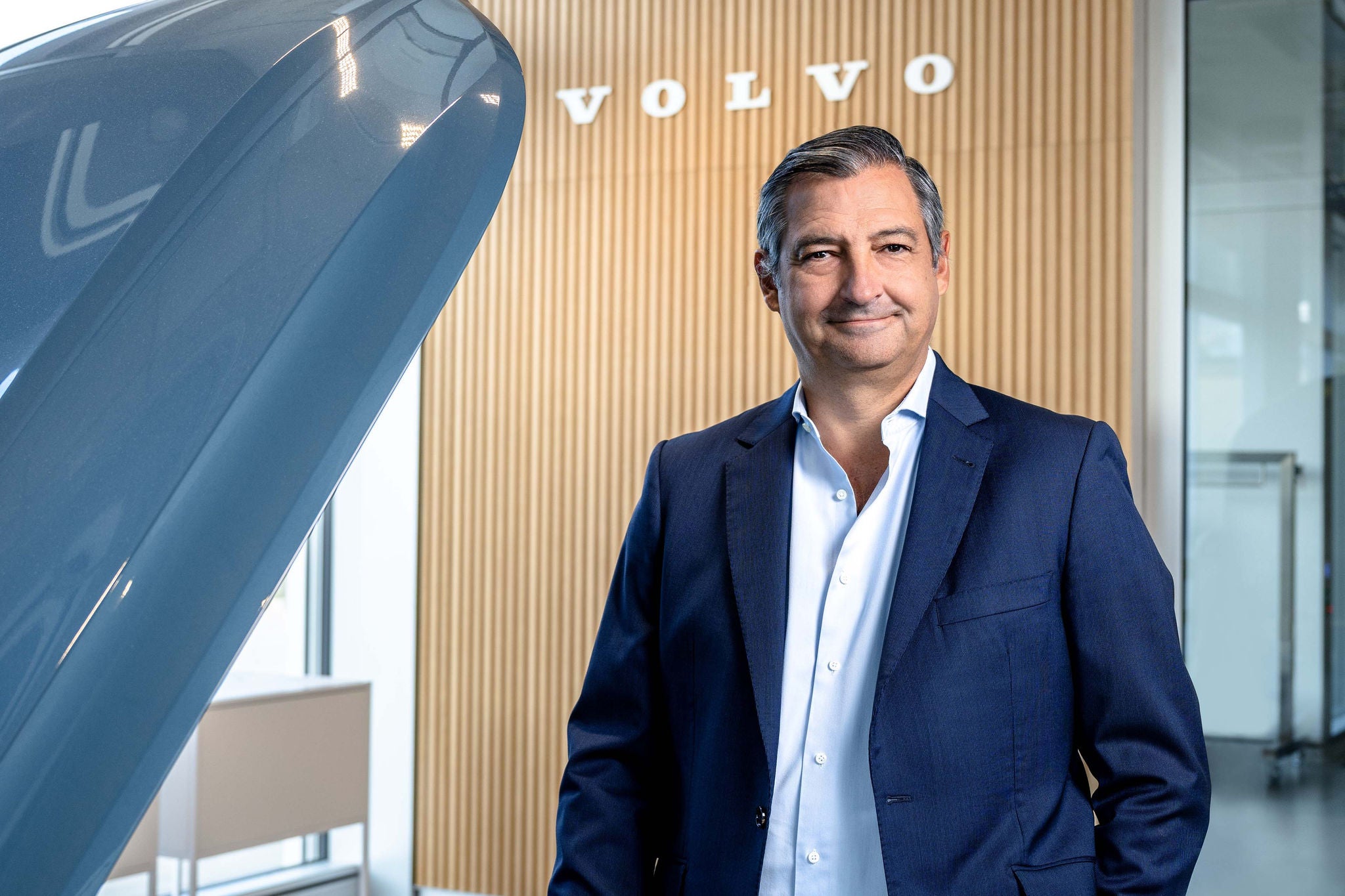
“Our motivation is to protect people - not just the passengers, but also pedestrians and everybody else around us.
Jesus Fernandez de Mesa
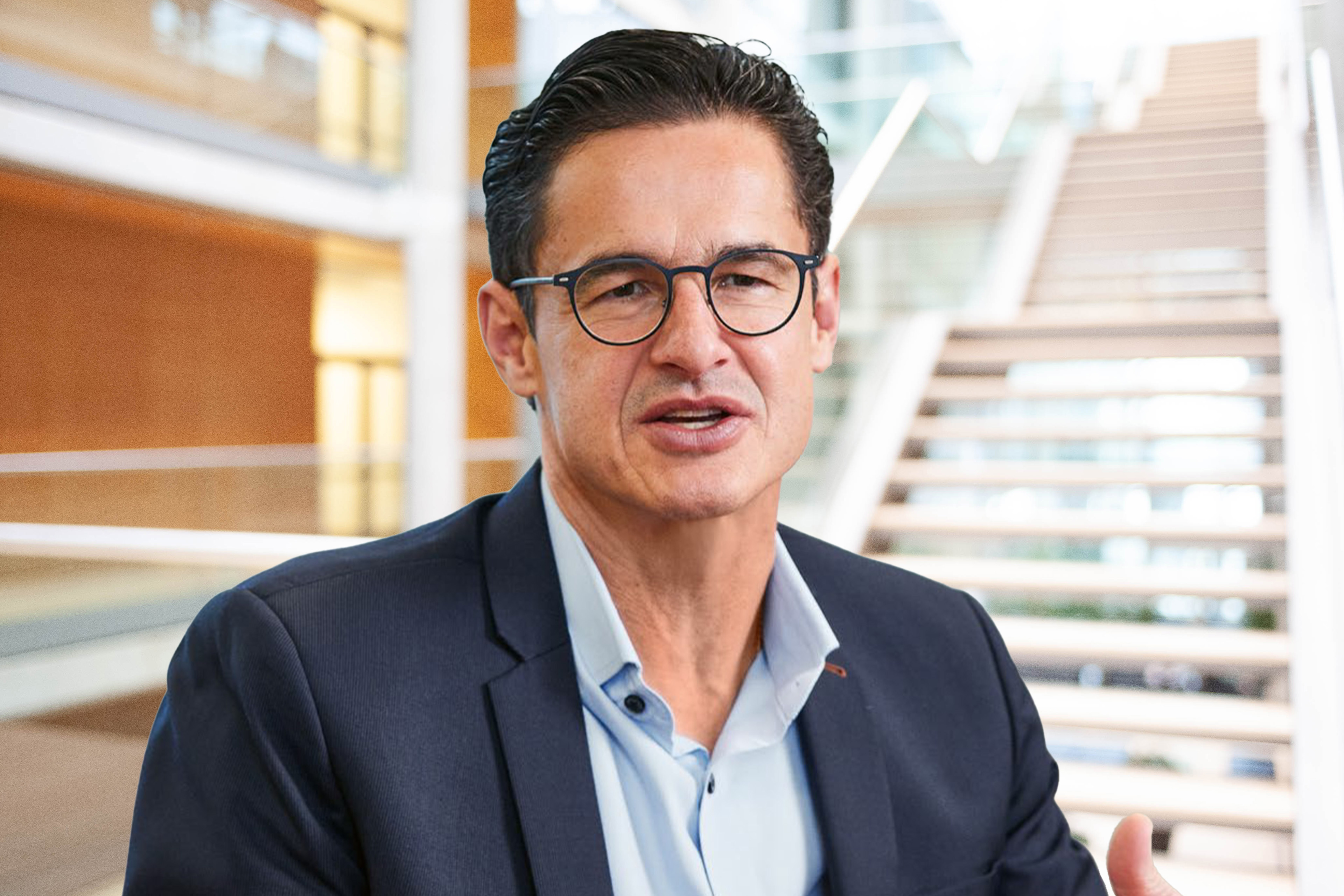
Jesus Fernandez de Mesa, is the Managing Director of Volvo Cars Switzerland, one of the world’s most respected automotive brands. In a recent long-form interview, Thomas Sucic, Brand, Marketing and Communications Leader at EY Switzerland sat down with Jesus to discuss Volvo’s identity, technology transformation, customer-centricity and the future of mobility.
Jesus Fernandez de Mesa, Managing Director of Volvo Cars Switzerland, explains Volvo’s purpose is fundamentally about taking care of people. For Volvo, safety is not merely a product feature but a company philosophy rooted in the founders’ vision. Jesus explains how Volvo continues to prioritize human well-being through vehicle design, accident research and continuous innovation over the past 100 years.
Most people would say that Volvo stands synonymously for safety. What does “safety” mean to you?
That’s a very good question. Because yes, we are associated with safety, but we need to explain what safety is: It’s taking care of people. And you take care of people in many different ways. Mostly through innovation; over 50 years ago e.g., we invented the three-point seat belt. Today we keep developing details around that still. Leveraging real-time data from the car’s advanced interior and exterior sensors, the system can customise protection by adjusting to the current situation and the unique personal profile of drivers and passengers, such as their height, weight, body shape and seating position.
A century ago, when the company was created, the two founders said that it’s people who drive cars. So, our job is to take care of people. For example, a larger occupant in a severe crash will receive a higher belt load setting to help reduce the risk of head injury, while a smaller occupant in a milder crash will receive a lower belt load setting to reduce the risk of rib fractures. That’s a high-cost approach, but it saves a lot of lives. And we can be proud of that. It’s at the core of who we are.
Innovation guided by values
Jesus argues that Volvo’s people-first values permeate the entire company including its innovation strategy. While Volvo has changed dramatically over the past decades, its core mission remains unchanged. Innovation such as electrification, advanced computing architectures, sensors and AI are extensions of Volvo’s longstanding commitment to protecting people and the environment. At Volvo, technology is not seen as an end in itself, but as a tool to improve safety and quality of life.
Many automotive brands are being strongly disrupted and need to adapt to the challenging environment. How is this affecting Volvo?
At the end of the day, if you follow the history of the company, you’ll see the same pattern. It’s all about people. Fast-forward to today and you will see that we were among the first to commit to going electric and adopting an electrified architecture. Our motivation is again to protect people – not just the passengers, but also pedestrians and everybody else around us. So the new technology we are bringing to the car is also aligned with this ambition, the founders’ vision and users’ expectations.
Perhaps you are aware that we have a unit in the company dedicated to assessing real-life accidents. If somebody is injured in an accident in Sweden, we take the car to the factory to evaluate the damage. So we don’t just design cars to comply with specific regulations, which are based on fixed accident parameters such as a 50 km collision, because every accident is different. This philosophy is really in our DNA.
What about Sustainability?
Our transition to electric mobility is viewed as a responsibility to both society and the environment. For us, electrification is a long-term strategic commitment rather than a response to market pressure or regulation. Our ambition to become carbon neutral by 2040 and to further increase our use of recycled materials in new vehicle models is key to us. For example, the new EX60 has a recycling quota of 27%. That’s huge.
Technological edge through partnership
A cornerstone of Volvo’s technology strategy is its collaboration with leading technology companies. Rather than viewing technology as a competitive race alone, Volvo seeks partnerships that accelerate innovation while remaining true to its safety-first philosophy. AI-powered services, advanced computing capabilities and real-time data processing are enabling a new generation of vehicles that act as intelligent assistants – helping drivers with navigation, scheduling, communication and everyday tasks.
At the same time, these technologies strengthen Volvo’s primary objective: protecting people. The vehicle’s ability to interpret its surroundings, anticipate hazards and respond in real time significantly enhances both active and passive safety.
Software is becoming a key differentiator. What are you doing to strengthen your position in the market?
If we want to be best in class, we need to partner with the best. Technology is moving at an incredible speed. By working with Google and Nvidia, for instance, we are able to bring AI into our cars in a meaningful way. The computing power we have today allows us to process enormous amounts of data – not only from inside the vehicle but also from everything happening around it. That helps us keep people at the center by protecting those inside the car as well as everyone around it.
Keeping humans at the center with AI
While AI, automation and robotics are transforming both vehicle technology and manufacturing, Jesus is clear that they should augment – not replace – human capabilities. Robots already perform many repetitive manufacturing tasks, but human judgement, creativity and responsibility remain indispensable. In his view, the real opportunity lies in allowing employees to contribute more intellectual value rather than simply increasing automation for its own sake.
Similarly, AI should support decision-making without replacing human accountability. Technology may become increasingly capable, but responsibility ultimately remains with people.
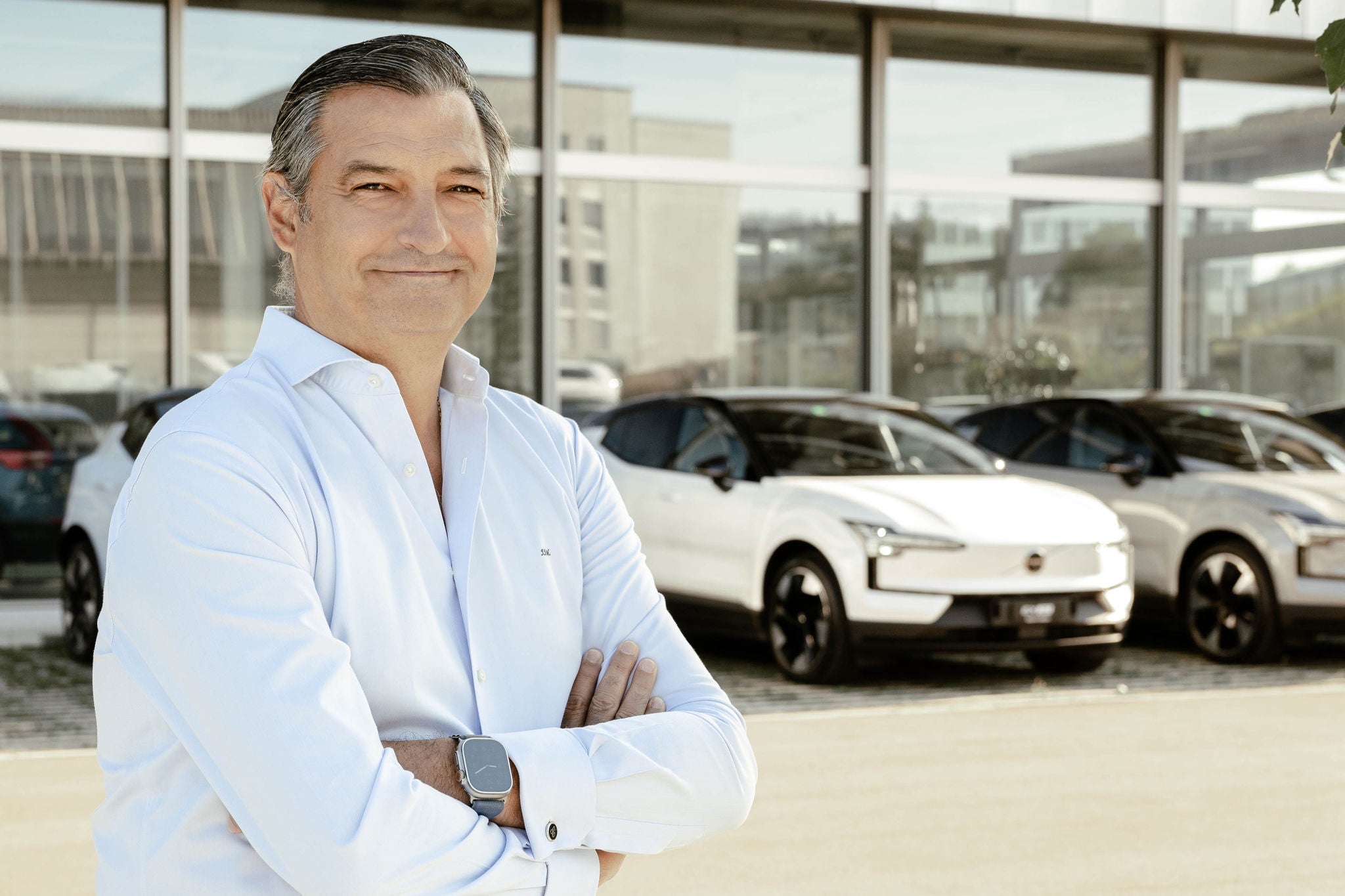
What do you envision to gain with automation and AI?
Automation is already happening, and it helps us become more efficient. But robots do not replace people – they complement them. What really matters is how we use the intellectual capacity of our teams. AI can help us do a better job, but we cannot simply hand over responsibility. The human being still has a role to play.
Competing in a changing market
As a Swedish brand with Chinese ownership, Volvo occupies a unique position in today’s rapidly evolving automotive landscape. Jesus views this as a strategic advantage rather than a contradiction. Access to one of the world’s most advanced technology ecosystems enables Volvo to innovate faster while maintaining its Scandinavian identity and uncompromising safety standards.
Furthermore, Jesus sees competition from emerging Chinese manufacturers as a positive force that encourages continuous innovation across the industry.
Chinese brands are entering the European market at pace also in Switzerland. Does this shift the competitive landscape for Volvo more positively or negatively?
The automotive industry is going through one of the biggest transformations in its history. Being part of an ecosystem that moves so quickly makes us even more competitive. Competition is good – it forces us to become smarter, to keep investing and to make sure we have the right products at the right time.
The future customer experience
For Jesus, one of the industry’s biggest challenges lies not in vehicle technology but in the customer journey. While today’s cars have evolved dramatically, the purchasing process has remained remarkably similar for decades. Volvo therefore aims to create a seamless experience across digital and physical touchpoints, allowing customers to engage with the brand however they choose.
Central to this transformation is listening more carefully to customers – particularly younger generations whose expectations are reshaping the market.
Many in the automotive industry are rethinking how they sell cars to the customers. How is this evolving at Volvo?
If I compare buying my first car twenty or thirty years ago with buying one today, the process is surprisingly similar. Meanwhile, everything else in our lives has changed dramatically. We need to be much more humble as an industry. We have to listen to customers and build the business around how they want to interact with us.
The future of automotive retail
Although digital sales channels will continue to grow, Jesus does not believe they will replace Volvo’s retail partners. Purchasing a vehicle remains one of the largest investments many consumers will ever make, and trust continues to play a decisive role. The future, therefore, lies in combining excellent digital experiences with knowledgeable local partners. And real relationships.
Buying a car is still probably the second biggest purchase most people make after buying a house. Customers still want trust. They want somebody they can talk to. Our job is not to choose between online and dealerships – it’s to be excellent in both and let the customer decide how they want to buy.
Building the organization of tomorrow
Within Volvo Cars Switzerland, three priorities guide the organization: operational excellence, strong professional partnerships and an outstanding customer experience. The carmaker uses technology to improve processes and increase efficiency, but not at the expense of people. Instead, it aims to empower employees by allowing them to focus on higher-value activities while continuously strengthening customer relationships.
How do you make sure you not only protect but reinvent what Volvo Cars stands for?
We want to deliver the best customer experience through professional partners, supported by excellence in everything we do. Technology helps us improve processes, but it’s not about reducing people. It’s about allowing our teams to use more of their knowledge and capabilities while staying even closer to our customers.
The company has also made customer feedback a strategic priority by assigning responsibility for customer experience to a dedicated member of the management team. Insights gathered through direct customer interactions and dedicated focus groups are embedded in decision-making across the organisation.
The Swiss market
Jesus believes Volvo’s brand values are particularly well aligned with the Swiss market. Swiss consumers value quality, technology and sustainability without unnecessary extravagance – characteristics that closely mirror Volvo’s own identity. Switzerland’s strong adoption of electric vehicles, achieved largely without government subsidies, reinforces this natural fit.
How do you see the market in Switzerland?
Our customers tend to be educated, value technology and don’t feel the need to show off. Those characteristics fit with our brand remarkably well. Swiss customers choose electrification because they believe in it, not because of government incentives. That aligns perfectly with our own core values.
Looking ahead: technology with a human purpose
Throughout the interview, Jesus returns to one idea: technology changes, values endure. Whether discussing AI, electrification, sustainability or customer experience, the measure of success remains the same – does it improve people’s lives?
What’s your promise to your customers?
We have to listen to our customers. If customers have a problem, I’m happy to speak with them personally. And the new cars that will soon enter the market will be something our customers need to experience themselves to truly understand the shift that is coming.
As mobility enters a new era, Volvo Cars ambition is not simply to build smarter cars. It is to continue building smart mobility around the people who drive the vehicles – just as its founders envisioned a century ago.
Featured articles and interviews
Gabriele Mazzini, Lead author of the EU Artificial Intelligence Act
Gabriele Mazzini is a research associate at MIT Media Lab, an interdisciplinary creative playground rooted squarely in academic rigor, and a sought-after speaker, lecturer and advisor on AI governance and regulation across the world.
Julia Wetter-Studinka, Head of Regional Sales Switzerland at SWISS
Julia Wetter-Studinka is Head of Regional Sales Switzerland at Lufthansa Group and a SWISS employee. She joined the Lufthansa Group in 2018, initially as a project manager in distribution and commercial negotiations with Global Distribution Systems.
Andrea Carcano, Co-founder and Chief Product Officer of Nozomi Networks
Andrea Carcano, co-founder and Chief Product Officer of Nozomi Networks, reflects on lessons learned from the global IT outage in July 2024, discusses why the conditions are ripe for generative AI and explains why he is looking to the future with confidence.
Monika Zihlmann, Global Digital Commercial Platforms
Monika Zihlmann, Vice President Global Digital Commercial Platforms at Smith+Nephew, discusses the trends and pressures shaping the medtech industry and explains why now is the time to embrace a multi-channel customer engagement model.
Sebastian Tobler, Co-founder and CEO of GBY SA
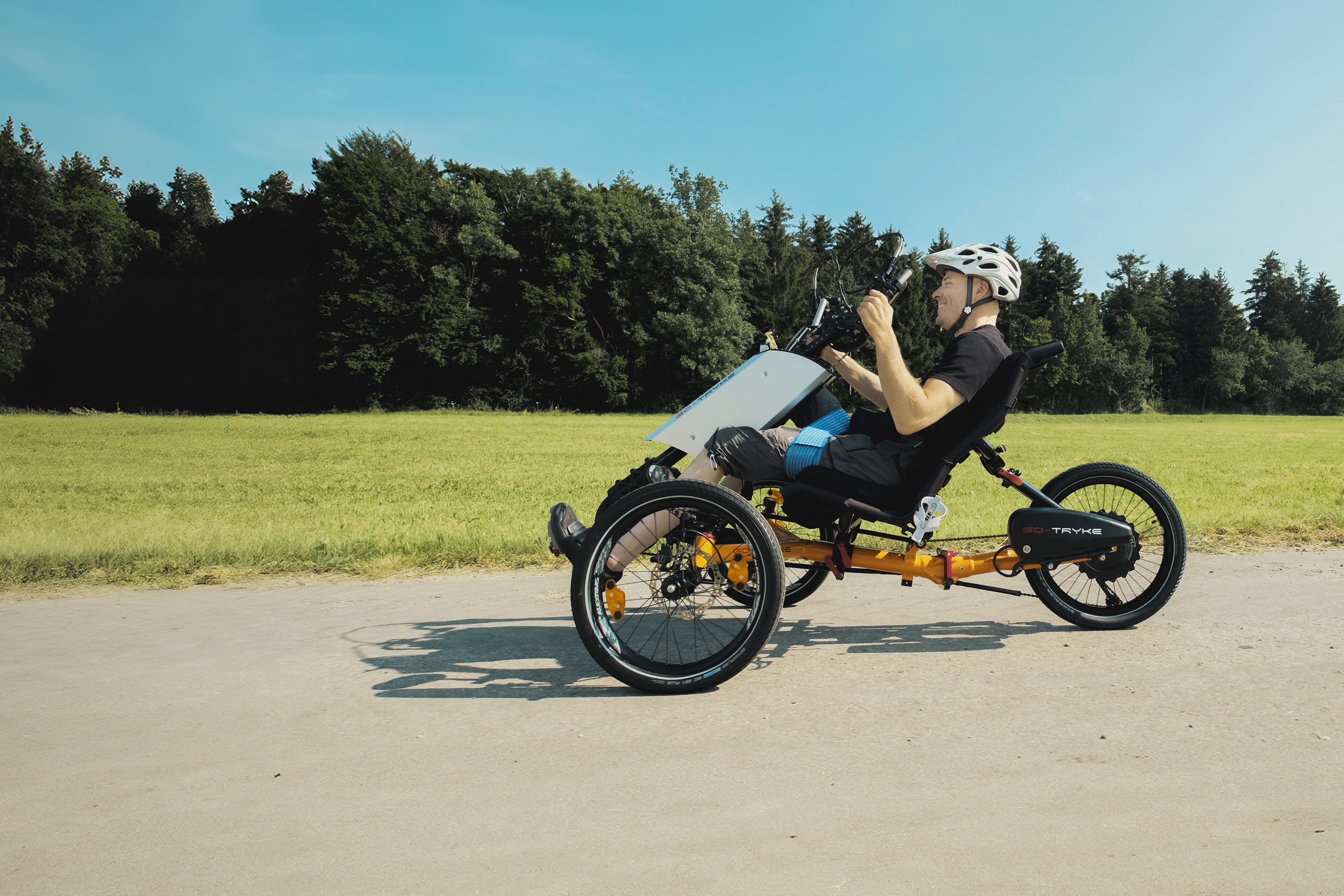
Sebastian Tobler is co-founder and CEO of GBY SA, which has developed a new approach for the rehabilitation of people with reduced mobility. An automotive engineer by training and trade, Sebastian Tobler’s life took a new direction when a bike accident left him paralysed. Alongside his entrepreneurial activities, he heads the SCI-Mobility Lab as Professor at the Bern University of Applied Sciences.
Patrick Pruniaux, Chairman & CEO of Sowind Group
Patrick Pruniaux has a background in business administration and began his career in the watch industry at TAG Heuer. Always fascinated by innovation, he joined Apple in 2014 and oversaw the launch of the Apple Watch. Following a move to Kering in 2017, he managed the Ulysse Nardin and Girard-Perregaux watch brands. In 2022, Patrick Pruniaux spearheaded the historic management buyout and now serves as CEO of these two brands within Sowind Group.
Serra Bicak is Senior Vice President Reckitt Africa Middle East at Reckitt Hygiene. She has lived and worked in eight different countries for various roles during her career in fast-moving consumer goods. Serra Bicak is passionate about diversity, equity and inclusion (DE&I) and leads Reckitt Hygiene’s gender balance program.
Judith Häberli, CGO and co-founder of Urban Connect as well as EY Entrepreneur Of The Year™ 2023 Switzerland winner in the category "Emerging Entrepreneur", shares her motivation for starting a corporate mobility platform and explains why real change only happens when companies work together.
Siddhi Mehta, founder and CEO of Rhythm 108, talked to us about sustainability, craftmanship – and how her company combines heritage and innovation to take the Swiss chocolate tradition into the future.
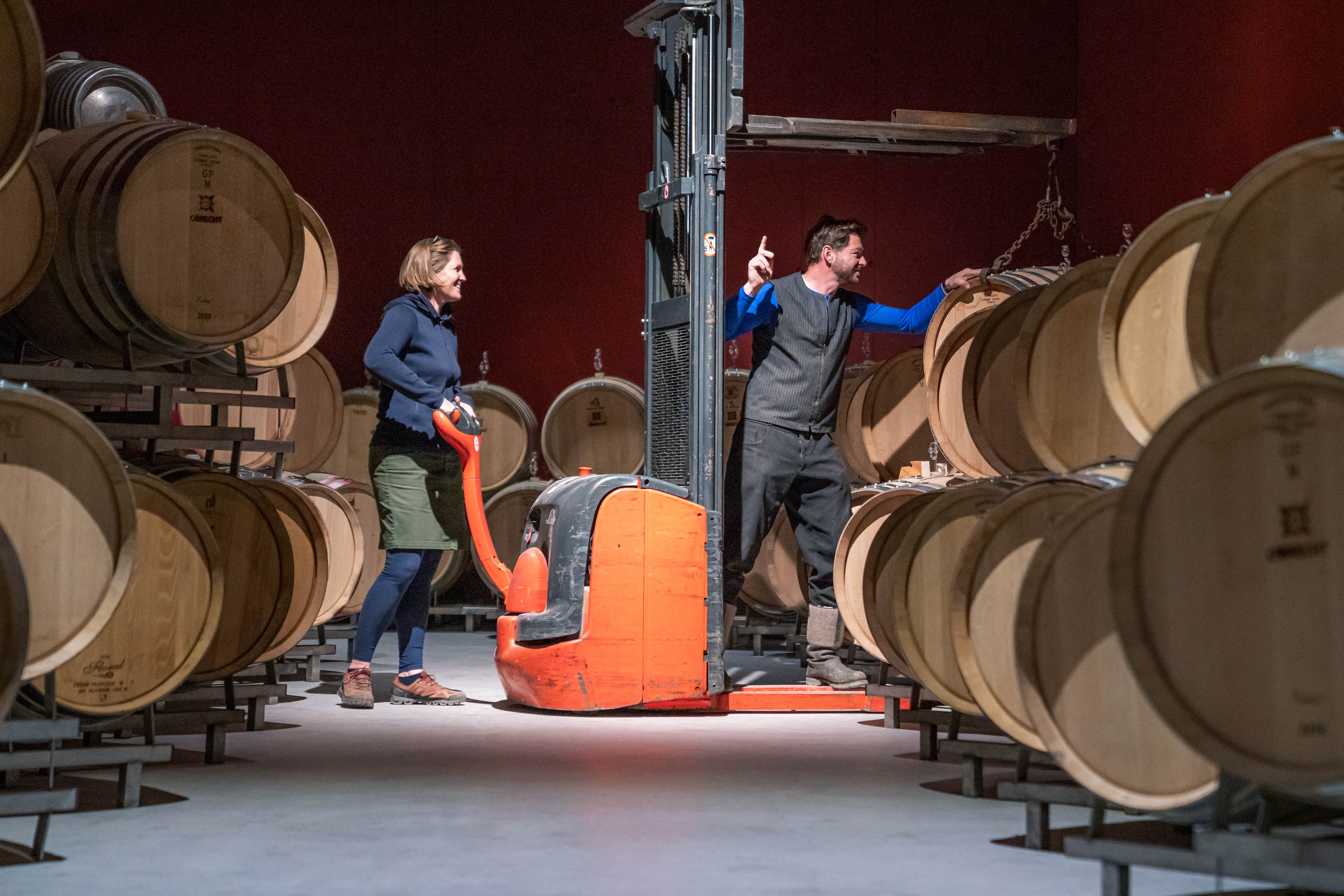
Francisca Obrecht, Weingut Obrecht
Peter Rupp grew up in Sargans, Switzerland, around 20km south of the Hilti headquarters in Liechtenstein. He studied Economics in St. Gallen, then took a post-graduate degree in Engineering in Winterthur.
Peter Rupp grew up in Sargans, Switzerland, around 20km south of the Hilti headquarters in Liechtenstein. He studied Economics in St. Gallen, then took a post-graduate degree in Engineering in Winterthur.
Originally from Naples where she grew up and studied physics, Luciana Vaccaro moved to Switzerland in 1996 to complete a PhD in microengineering at EPFL. She held various positions in research and education at the universities of Neuchâtel and Lausanne before heading the Grant Office at EPFL. In 2013 she took the reins of HES-SO as rector. Last October, Luciana Vaccaro was elected president of the umbrella organization swissuniversities and started in her new position on 1 February.
Christoph Jenny is one of the four co-founders of the start-up Planted and a member of the Executive Board.
Thomas Fürer has served ABB for 22 years, including 14 years in his current role as Group Head of Tax. A Certified Swiss Fiduciary Expert and Certified Swiss Tax Expert, he takes a keen interest in technology and digitalization in the tax function and beyond.