




EY refers to the global organization, and may refer to one or more, of the member firms of Ernst & Young Limited, each of which is a separate legal entity. Ernst & Young Limited is a Swiss company with registered seats in Switzerland providing services to clients in Switzerland.
Recent Searches
“At the end of the day, it’s people we treat – AI alone will not solve everything
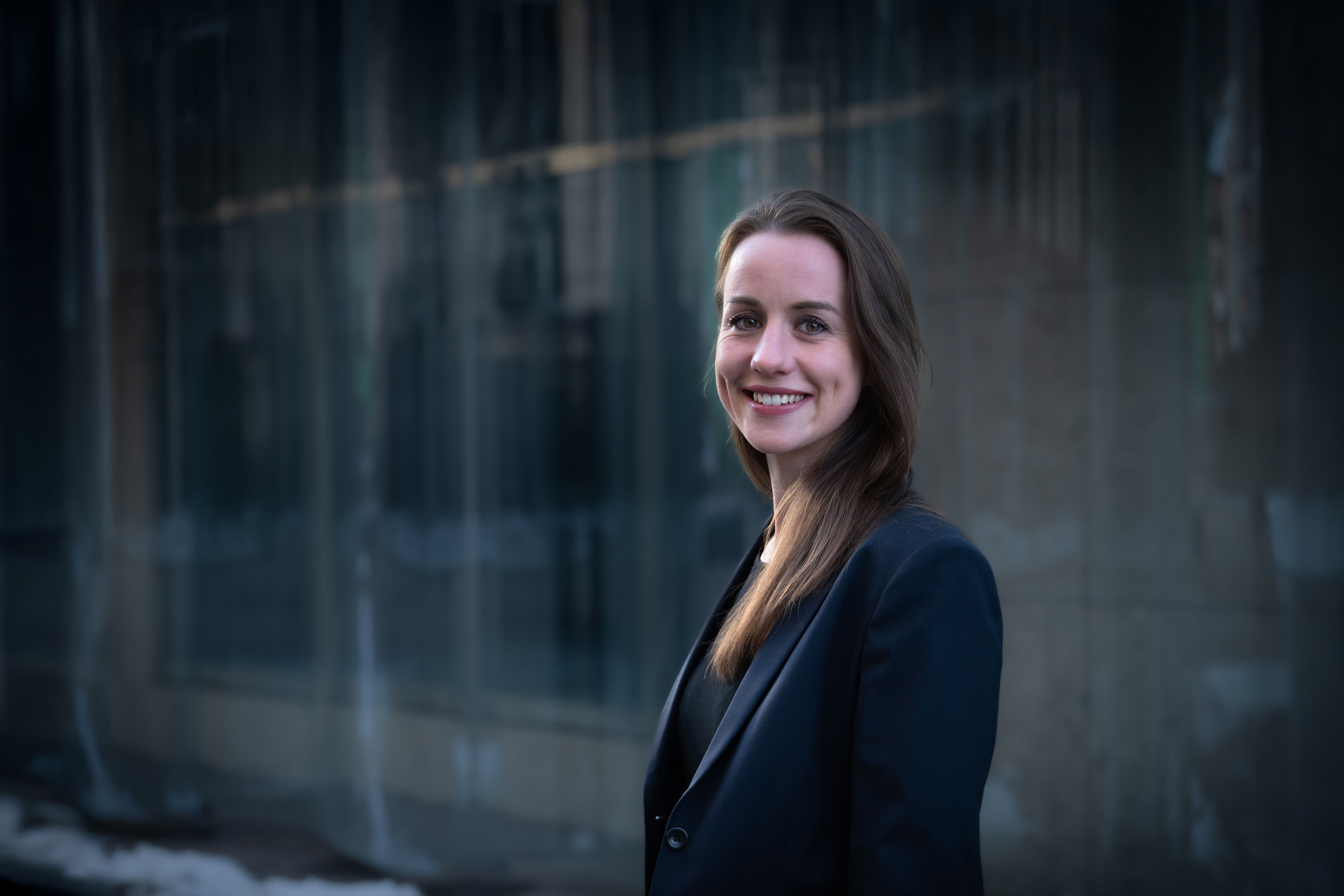
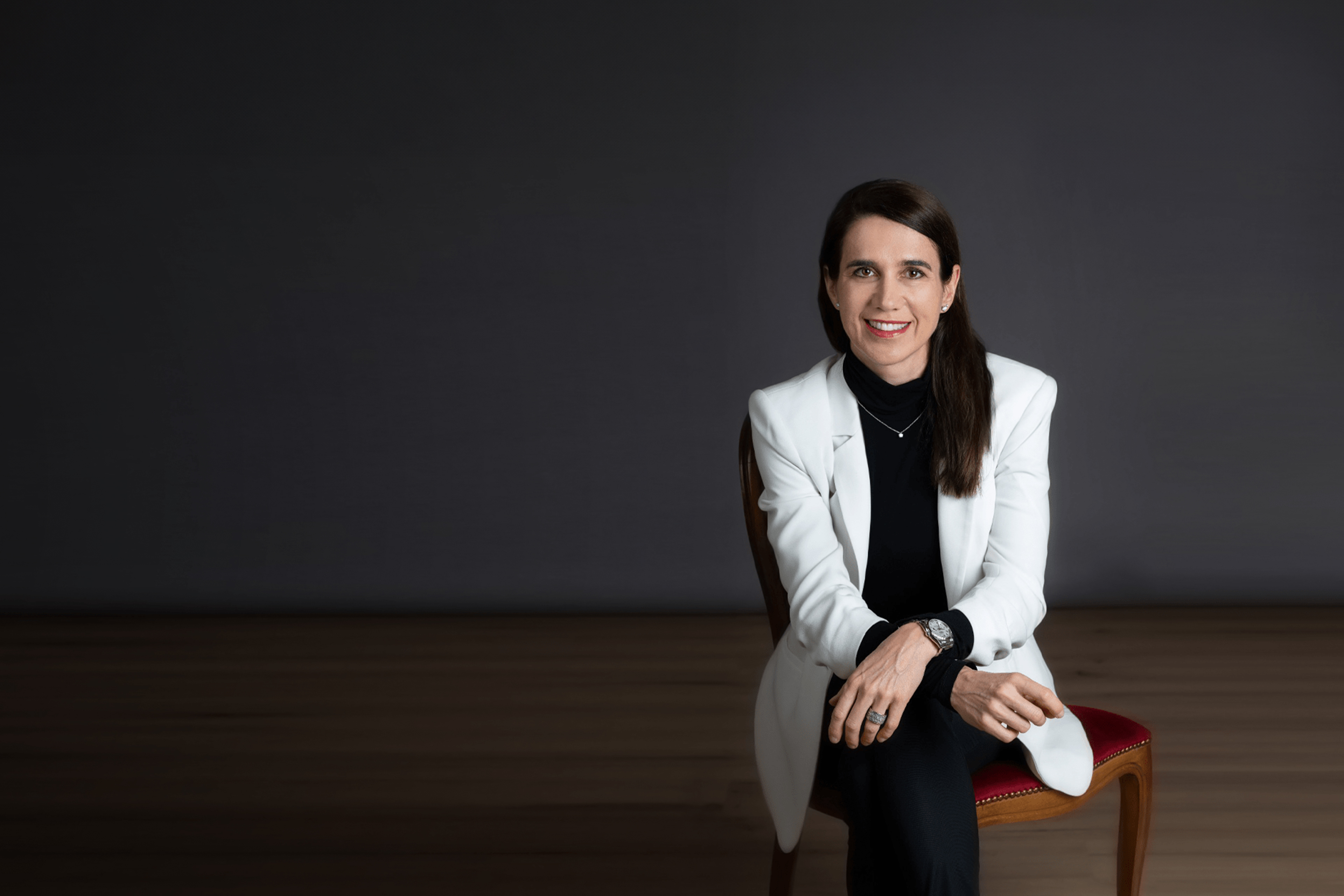
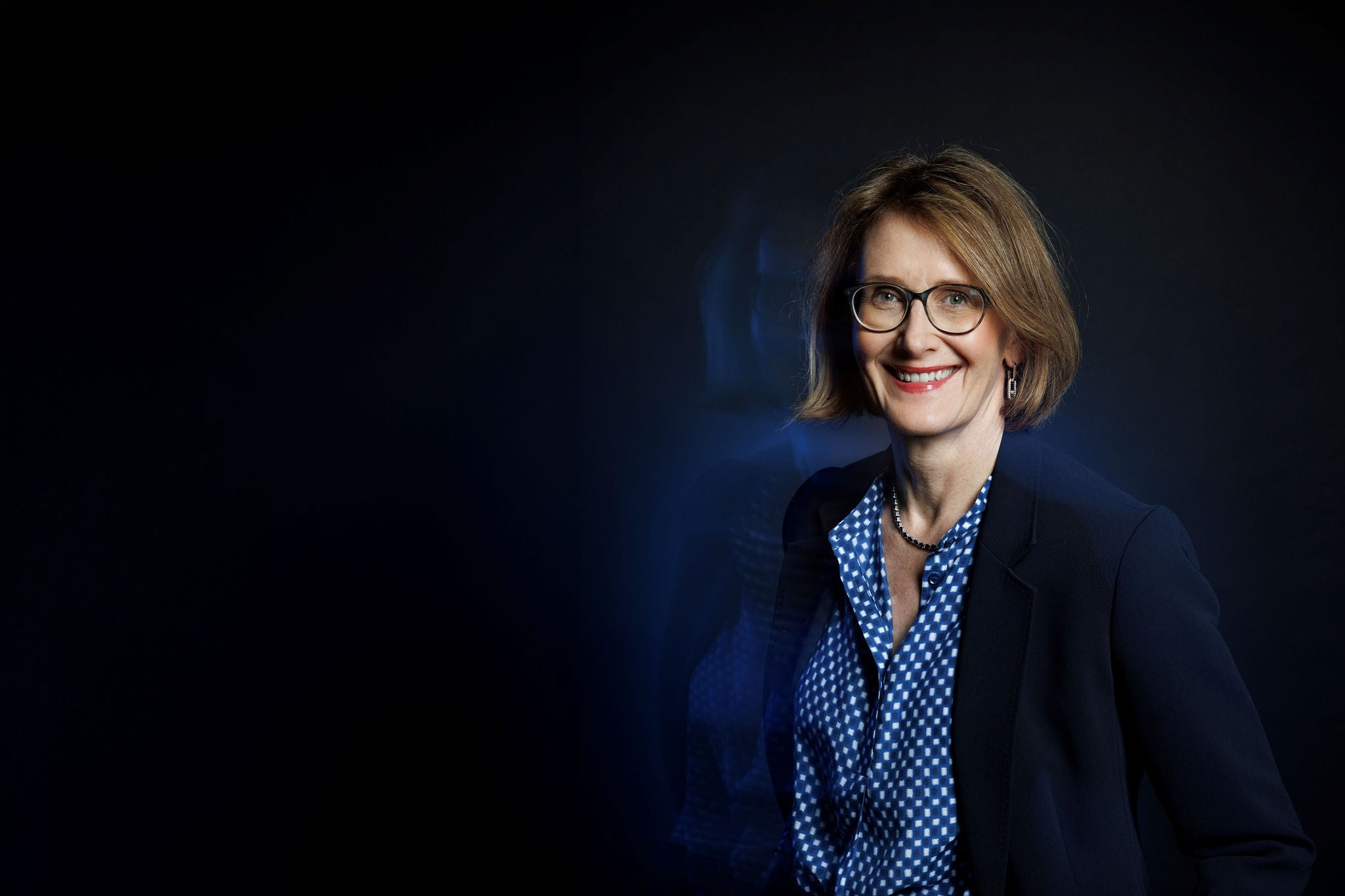
Katharina Gasser
Katharina Gasser is General Manager of Roche Pharma (Switzerland) Ltd, a role she has held since September 2022. A trained physician, she began her career in internal medicine and geriatrics before moving into the pharmaceutical industry, where she has held senior leadership roles across clinical development, regulatory affairs, commercialization and strategy. Alongside her role at Roche, she serves as President of the Zug Chamber of Commerce.
Katharina Gasser, General Manager of Roche Pharma (Switzerland) Ltd, imagines how AI will reshape healthcare, highlights the importance of innovation and explains why she is so passionate about health policy.
Roche was founded in Basel by Fritz Hoffmann in 1896. How important are your company’s Swiss roots?
Switzerland is our home. Basel has been our headquarters from the outset. This location remains extremely important to us, and we’ve invested consistently in research and development as well as production. We recently opened the Institute of Human Biology, which is tackling research questions of the future with new approaches, such as combining organoids grown in petri dishes with data science. Indeed, we invest 3.5 billion francs every year in research and development in this country. This is 14 million francs each working day.
This investment underscores our commitment to Switzerland as our base. But the location also needs to serve us well and continue to offer good framework conditions. We need skilled workers, so freedom of movement for people is extremely important, as is legal certainty. Switzerland has excellent universities, enabling lively collaboration between academics and researchers from our companies, and this is very important for innovation.
While I’m a huge supporter of Switzerland, I believe it’s important not to rest on our laurels, especially given the current geopolitical situation.
This lack of access is difficult to reconcile with Switzerland’s position as a global innovation leader.
Is geopolitical uncertainty something you think about a lot?
I try not to let every unexpected incident dominate my thoughts, but I do follow developments, of course.
US President Donald Trump has pointed to a global imbalance regarding drug pricing. If looked from that perspective, we must admit that adjusted for GDP per capita, Switzerland is in the lowest third in terms of spending compared to other developed countries. The US spends much more and objects to paying for the majority of medical innovation that is globally used.
Beyond these recent developments, we’ve been highlighting for many years the inadequacy of reimbursement for innovative products in Switzerland. Today, we are only ranked 7th in Europe in terms of access to new medicines – just ahead of Bulgaria. Germany is much faster, offering access to around twice the number of innovative products we can provide to patients in Switzerland.
This lack of access is difficult to reconcile with Switzerland’s position as a global innovation leader. We lead in patents per capita and have produced numerous Nobel laureates, yet when it comes to healthcare – a fundamental good – we are falling behind.
Against this background, I have serious concerns about the planned revision of the Health Insurance Ordinance. Some elements are hostile to innovation – that’s bad news for Roche, the life science industry here, but also for all of us as potential patients in Switzerland. I’m committed to making sure our voice is heard so that the law supports ongoing innovation and access to novel therapies.
Data and digitalization are at the heart of a much-needed revolution around the true value of innovation.
How are technological advances reshaping healthcare?
I believe that digitalization is key to tackling the challenges that lie ahead in healthcare. On the one hand, we’re sitting on a treasure trove of dormant data. Every patient journey generates invaluable insights, but this potential remains locked as long as the data exists in fragmented, analogue silos. On the other hand, imagine the efficiency to be gained by not having to repeat health histories to every provider and by being able to consolidate imaging and laboratory analyses.
Beyond this, data and digitalization are at the heart of a much-needed revolution around the true value of innovation. By leveraging data and technology, we won’t just know the number of services provided or medications administered. We’ll be able to capture the benefit of every intervention – surgical, pharmaceutical or other. At scale, this data helps us understand whether a therapy delivers on expectations, needs to be adjusted or is only helpful to a specific patient population. I believe this is where we should be heading: transitioning from a volume-based model to one that prioritizes patient outcomes and measurable value.
Data is also at the heart of synergies between pharma and diagnostics, an important topic for Roche. Which synergies are already being used today, and how do you think they will be used in the future?
Roche is here for every step of the health journey: prevention, diagnosis, treatment, and hopefully cure. This makes us unique in the pharma space. We cover therapeutic areas from the earliest diagnosis or prevention, through to treatment, therapies and follow-up. We apply this end-to-end approach in several therapeutic areas, including oncology, cardiovascular and metabolic disease as well as neurology.
AI naturally plays a huge role here – for example in neurology, where I think we’ll learn a great deal in the coming years about degenerative diseases of the brain, such as Alzheimer’s. I think AI will help us enormously as a tool in the laboratory and then through diagnostics, data processing and along the patient pathway during therapy. At the end of the day, it’s people we treat – AI alone will not solve everything. Interpretation and validation remain vital, and these steps are carried out by teams of enthusiastic, optimistic and energetic researchers.
How can we ensure that AI is used to its full potential, but also that patient data is handled securely?
There is still some way to go when it comes to digitalizing data in Switzerland. There have been some pilots, but as a country we’re behind many locations that are already using AI in everyday practice. This is a major disadvantage for Switzerland, not just in terms of potential outcomes but because research goes where data is available.
Whether AI-driven or not, it is vital that data protection regulations and legal frameworks prevent the misuse of data. Personal information—and health data in particular—is a sensitive asset that must be handled with the utmost care. Companies like ours are well-equipped to meet this responsibility, drawing on a proven track record of managing data in clinical trials.
We all need a purpose—why we work, how we work and what we do.
In this period of rapid technological transformation, skilled tech employees are in high demand. Why do you think tech specialists choose Roche over tech companies?
We all need a purpose—why we work, how we work and what we do. Data scientists and tech experts find that clarity of purpose at Roche. We call it ‘Doing now what patients need next’. Here, they contribute to developing innovative medicines, diagnostics and therapies that truly change lives.
The sense of fulfillment our employees find at Roche offers a meaningful alternative to roles focused on optimizing click rates or driving the consumption of non-essential goods.
Today’s young professionals are looking for more than just a job; they are seeking a career defined by purpose and meaningful contribution.
At Roche, I’m honestly very proud of the impact we have. It’s incredibly rewarding to know that my work helps ensure innovative medicines actually reach patients here in Switzerland. That’s a very tangible purpose that drives me.
My role at the Zug Chamber of Commerce adds another layer to that. It’s a chance to look beyond our own sector and engage with the broader community—from local craftsmen to international SMEs. I’ve become a very convinced advocate for the Bilaterals III because, at the end of the day, our success depends on stable relations with Europe. For me, that also means fighting for programs like Horizon; we need to make sure our young researchers in Switzerland keep their seat at the table and stay connected to European funding and innovation. It’s about keeping the whole region competitive, not just one industry.
What would you like your legacy to be when you eventually hand over leadership of Roche Pharma Switzerland?
Ultimately, I’d like to be remembered as someone who fought hard to get innovative therapies to Swiss patients as quickly as possible. That, and ensuring Switzerland remains a powerhouse for research and production in life sciences—not just because it’s good for the industry and the Swiss economy, but because innovation is our future.
On a more personal level, I really hope the people I’ve worked with look back and feel that their time here was truly worth it. We spend so much of our lives at work, so it’s incredibly important to me that we create an environment where people can actually have fun, experiment and grow. I’d love for my legacy to be a culture where everyone feels they didn’t just ‘work’, but truly moved the needle and had a fulfilling journey along the way.
Featured articles and interviews
Gabriele Mazzini, Lead author of the EU Artificial Intelligence Act
Gabriele Mazzini is a research associate at MIT Media Lab, an interdisciplinary creative playground rooted squarely in academic rigor, and a sought-after speaker, lecturer and advisor on AI governance and regulation across the world.
Julia Wetter-Studinka, Head of Regional Sales Switzerland at SWISS
Julia Wetter-Studinka is Head of Regional Sales Switzerland at Lufthansa Group and a SWISS employee. She joined the Lufthansa Group in 2018, initially as a project manager in distribution and commercial negotiations with Global Distribution Systems.
Andrea Carcano, Co-founder and Chief Product Officer of Nozomi Networks
Andrea Carcano, co-founder and Chief Product Officer of Nozomi Networks, reflects on lessons learned from the global IT outage in July 2024, discusses why the conditions are ripe for generative AI and explains why he is looking to the future with confidence.
Monika Zihlmann, Global Digital Commercial Platforms
Monika Zihlmann, Vice President Global Digital Commercial Platforms at Smith+Nephew, discusses the trends and pressures shaping the medtech industry and explains why now is the time to embrace a multi-channel customer engagement model.
Sebastian Tobler, Co-founder and CEO of GBY SA
Sebastian Tobler is co-founder and CEO of GBY SA, which has developed a new approach for the rehabilitation of people with reduced mobility. An automotive engineer by training and trade, Sebastian Tobler’s life took a new direction when a bike accident left him paralysed. Alongside his entrepreneurial activities, he heads the SCI-Mobility Lab as Professor at the Bern University of Applied Sciences.
Patrick Pruniaux, Chairman & CEO of Sowind Group
Patrick Pruniaux has a background in business administration and began his career in the watch industry at TAG Heuer. Always fascinated by innovation, he joined Apple in 2014 and oversaw the launch of the Apple Watch. Following a move to Kering in 2017, he managed the Ulysse Nardin and Girard-Perregaux watch brands. In 2022, Patrick Pruniaux spearheaded the historic management buyout and now serves as CEO of these two brands within Sowind Group.
Serra Bicak is Senior Vice President Reckitt Africa Middle East at Reckitt Hygiene. She has lived and worked in eight different countries for various roles during her career in fast-moving consumer goods. Serra Bicak is passionate about diversity, equity and inclusion (DE&I) and leads Reckitt Hygiene’s gender balance program.
Judith Häberli, CGO and co-founder of Urban Connect as well as EY Entrepreneur Of The Year™ 2023 Switzerland winner in the category "Emerging Entrepreneur", shares her motivation for starting a corporate mobility platform and explains why real change only happens when companies work together.
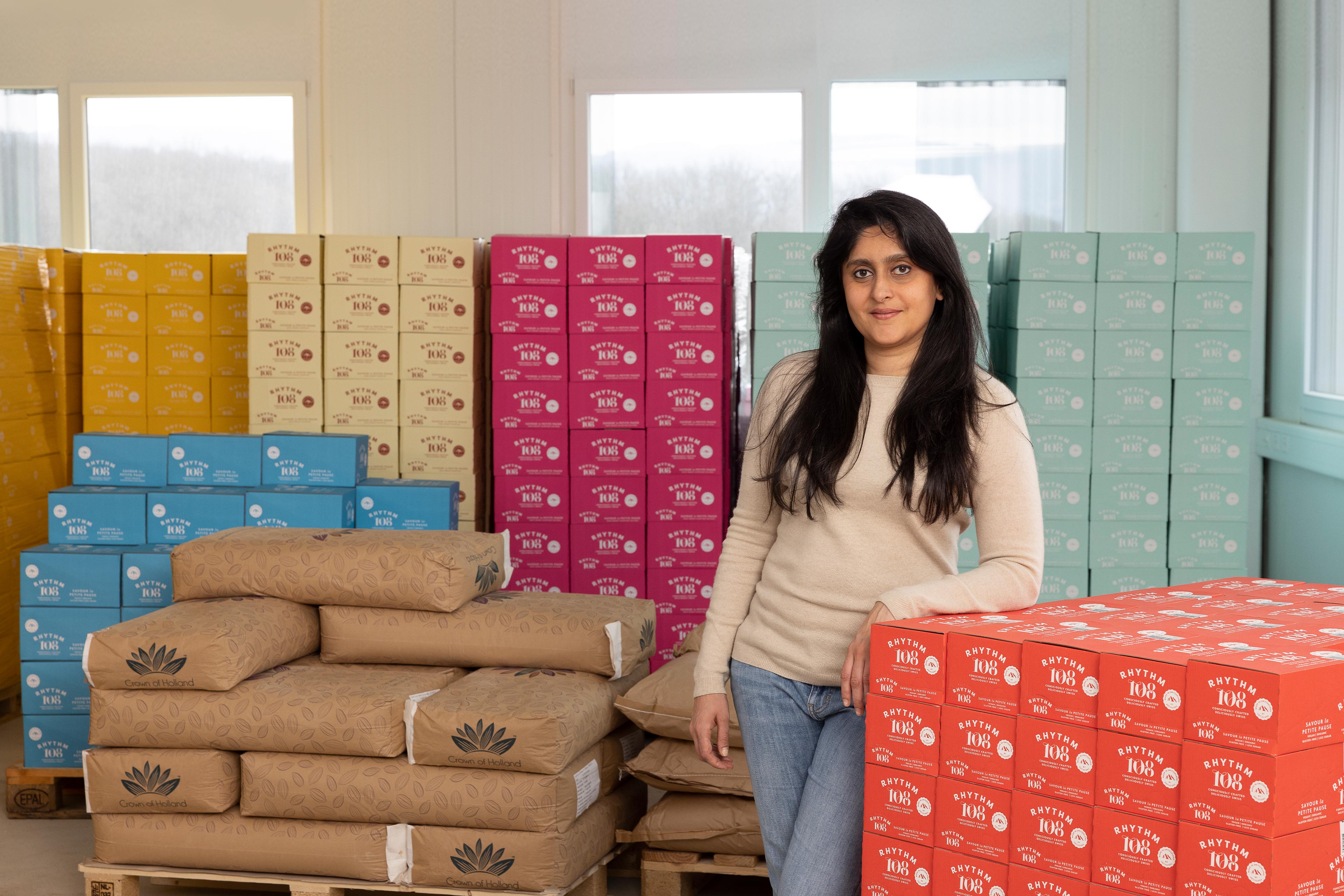
Siddhi Mehta, founder and CEO of Rhythm 108, talked to us about sustainability, craftmanship – and how her company combines heritage and innovation to take the Swiss chocolate tradition into the future.
Francisca Obrecht, Weingut Obrecht
Peter Rupp grew up in Sargans, Switzerland, around 20km south of the Hilti headquarters in Liechtenstein. He studied Economics in St. Gallen, then took a post-graduate degree in Engineering in Winterthur.
Peter Rupp grew up in Sargans, Switzerland, around 20km south of the Hilti headquarters in Liechtenstein. He studied Economics in St. Gallen, then took a post-graduate degree in Engineering in Winterthur.
Originally from Naples where she grew up and studied physics, Luciana Vaccaro moved to Switzerland in 1996 to complete a PhD in microengineering at EPFL. She held various positions in research and education at the universities of Neuchâtel and Lausanne before heading the Grant Office at EPFL. In 2013 she took the reins of HES-SO as rector. Last October, Luciana Vaccaro was elected president of the umbrella organization swissuniversities and started in her new position on 1 February.
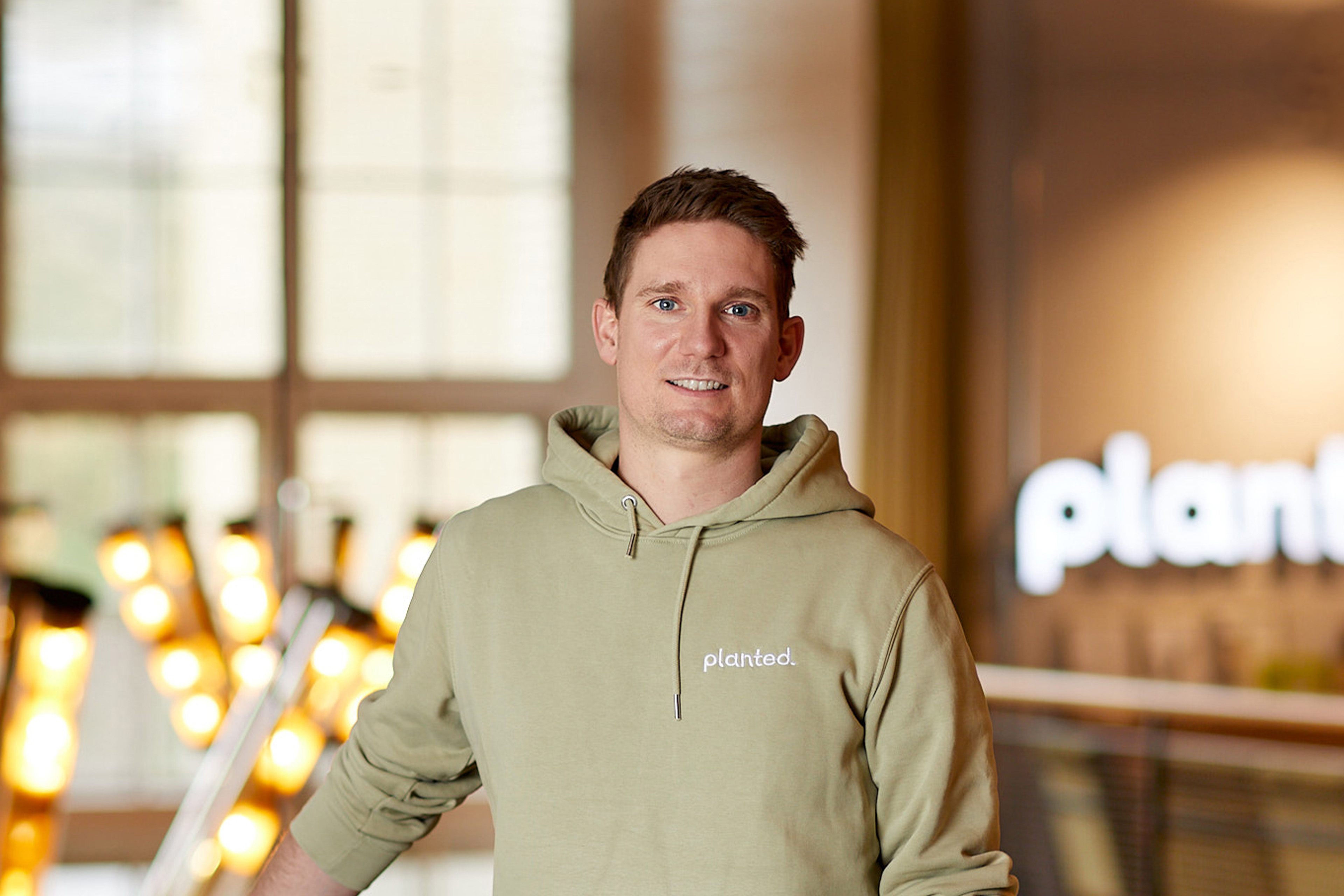
Christoph Jenny is one of the four co-founders of the start-up Planted and a member of the Executive Board.
Thomas Fürer has served ABB for 22 years, including 14 years in his current role as Group Head of Tax. A Certified Swiss Fiduciary Expert and Certified Swiss Tax Expert, he takes a keen interest in technology and digitalization in the tax function and beyond.