



EY refers to the global organization, and may refer to one or more, of the member firms of Ernst & Young Limited, each of which is a separate legal entity. Ernst & Young Limited is a Swiss company with registered seats in Switzerland providing services to clients in Switzerland.
Recent Searches
Trending
-
How Swiss firms should prepare for post-quantum cryptography
05 Aug 2026 Cybersecurity -
New Swiss AML and Transparency framework: how it impacts businesses, company owners and advisers
27 Jul 2026 Financial services -
Global IPO highlights in Q2 2026 and insights for future IPO candidates
08 Jul 2026 IPO
“The women are not simply part of a program. They are employees.
Marktlücke
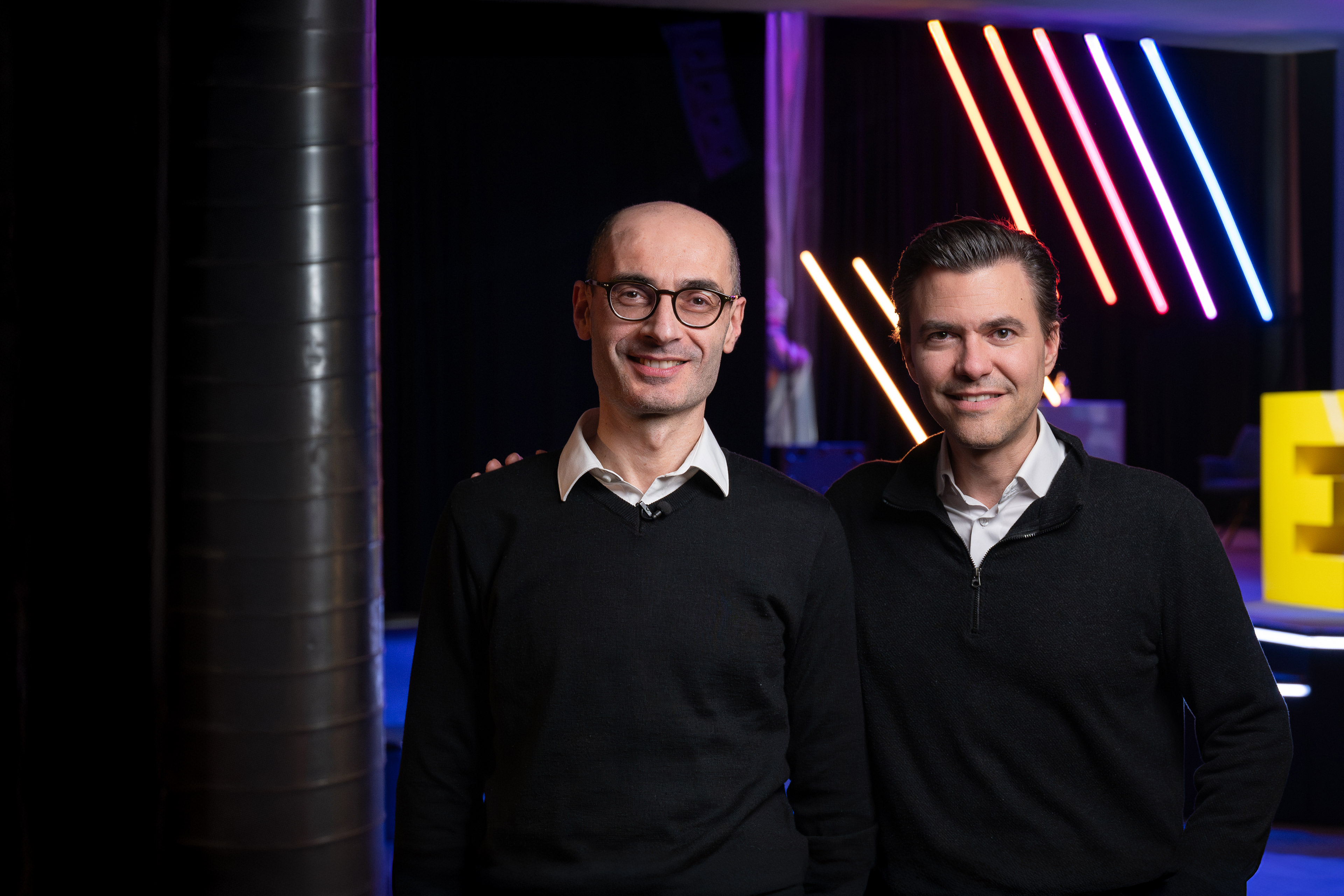
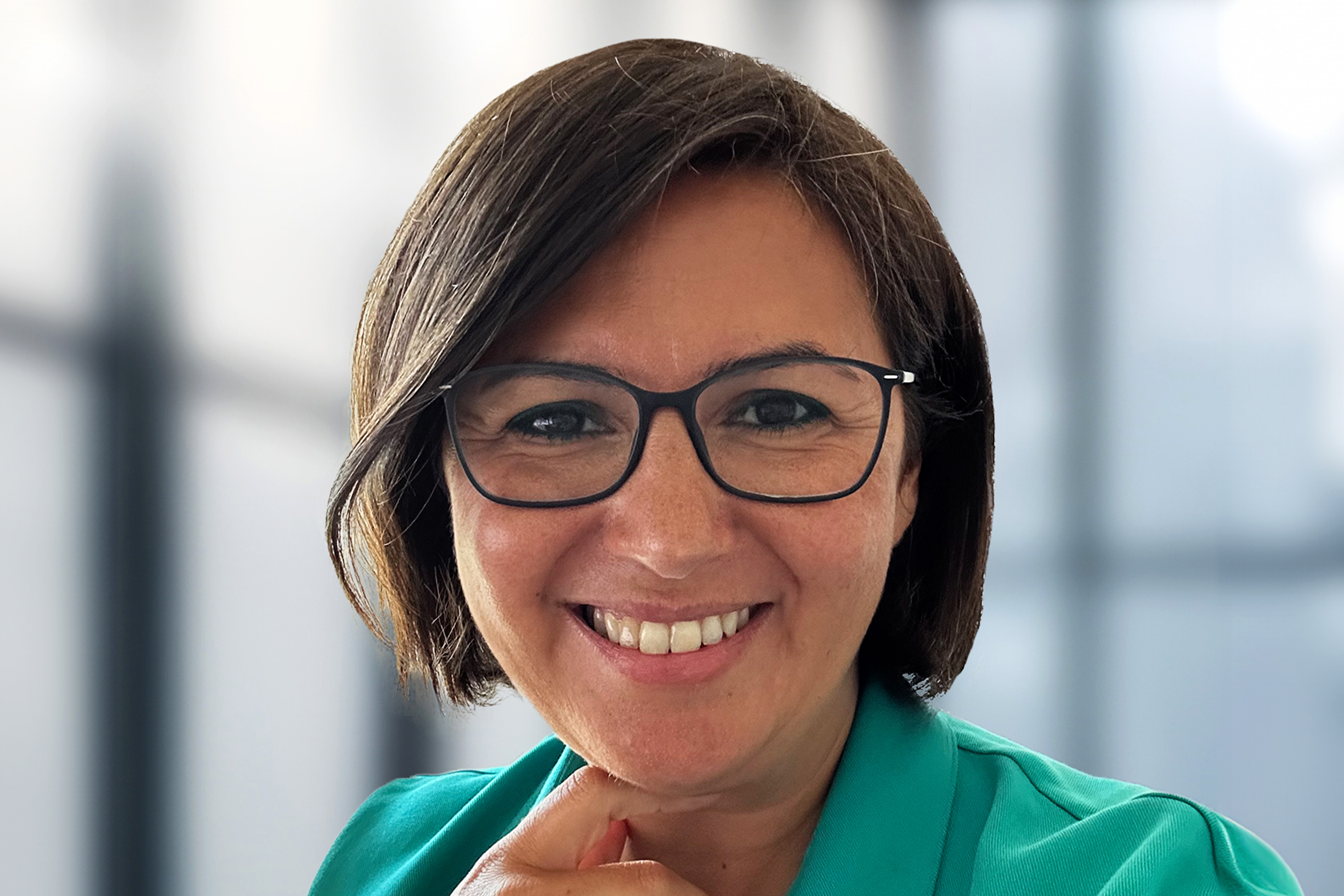
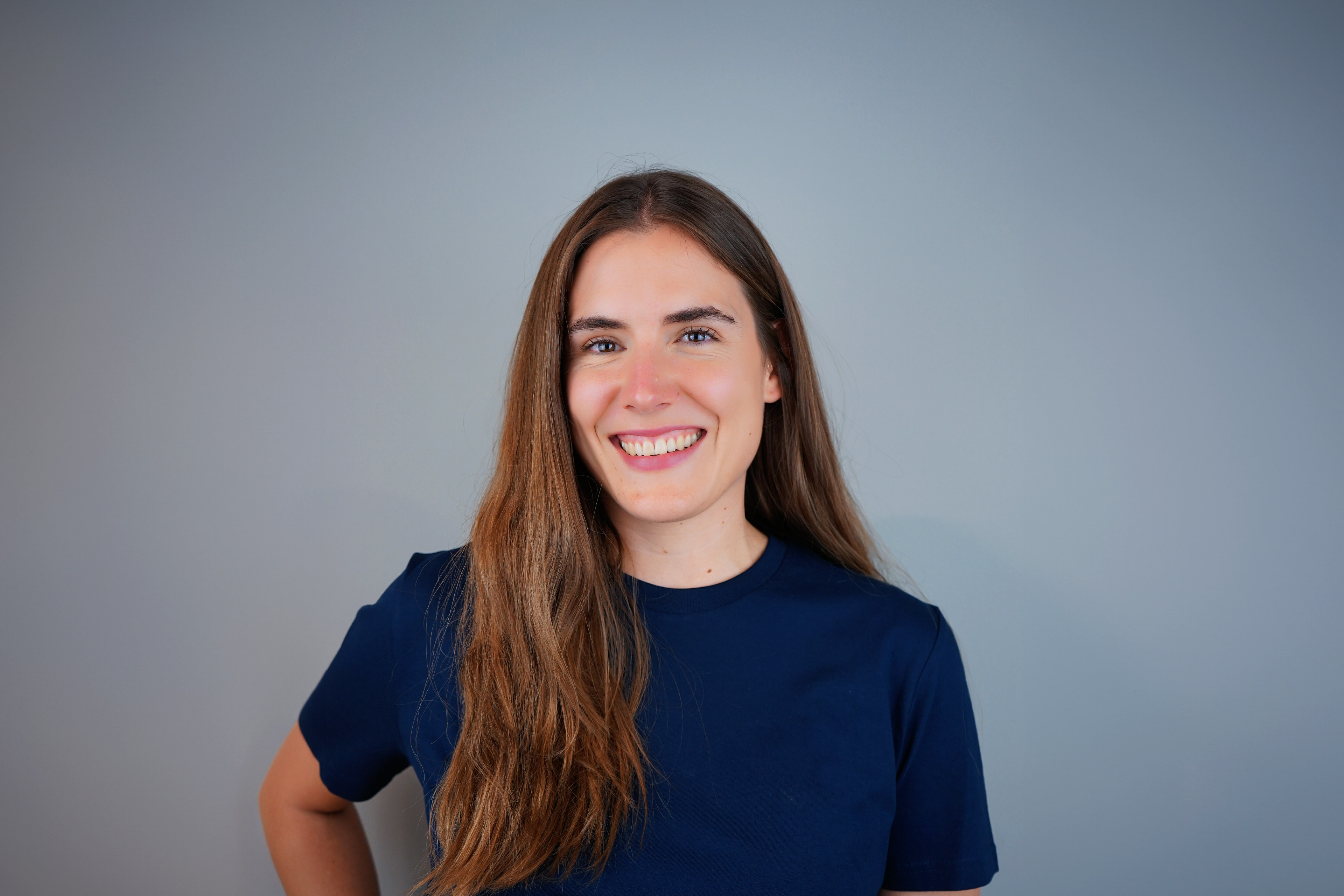
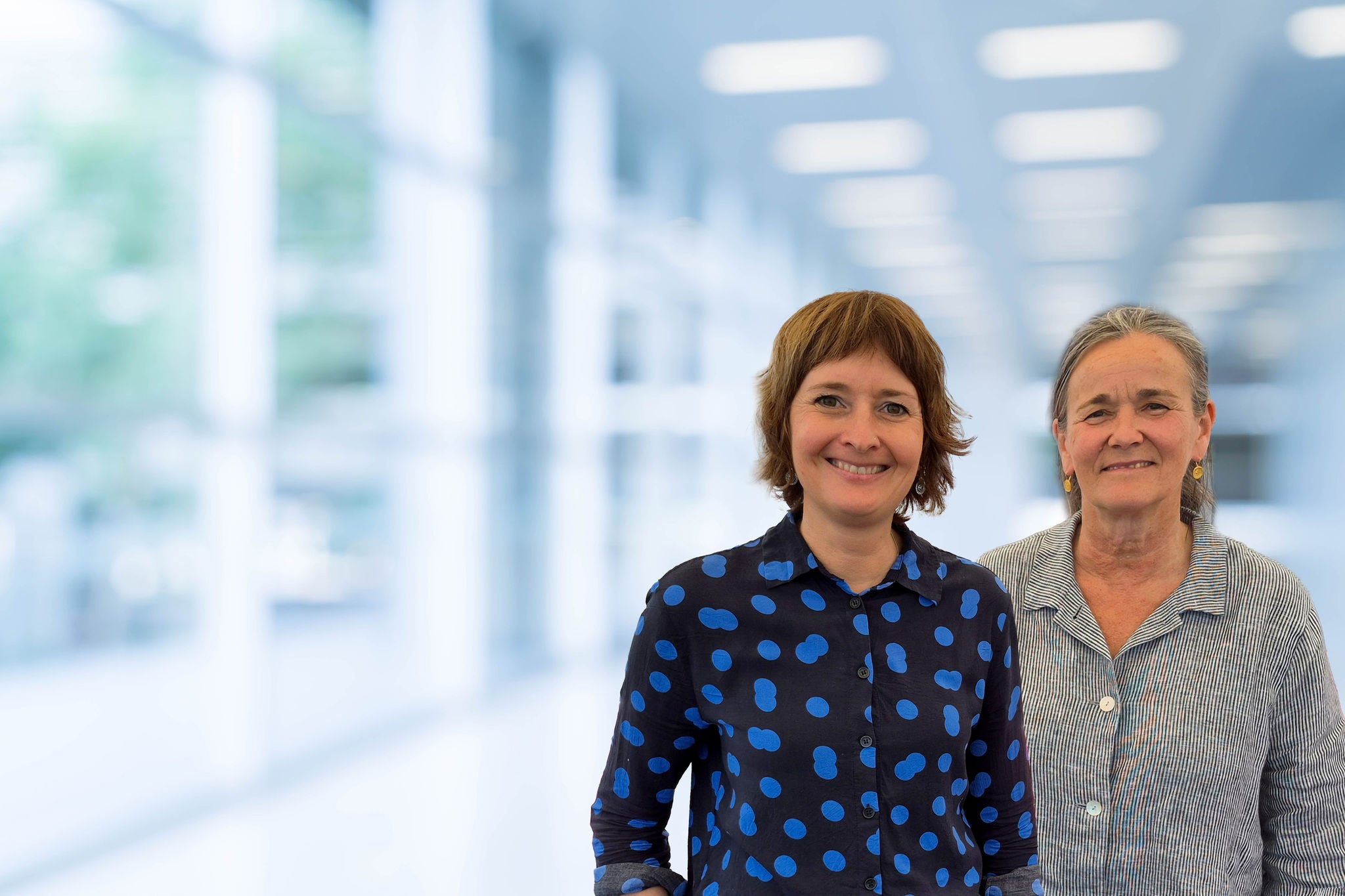
Marktlücke is a social enterprise in Zurich that combines a shop, bistro, restaurant and workshop. It supports women who are out of work, many of them with a migration background, in building self-confidence, developing practical skills and preparing for entry into the Swiss labor market. Managing Director Barbara Meier (on the left) and Deputy Managing Director and founder, Christina Dalbert (on the right) talk about the vision of Marktlücke, their entrepreneurial approach and the power of real opportunities for women.
Marktlücke creates a professional environment in which women can gain work experience, strengthen their self-confidence and take first steps toward independence. In this interview, Marktlücke’s managing directors Barbara Meier and Christina Dalbert explain why real customers, high-quality products and targeted support are central to their model.
Why does Marktlücke work exclusively with women?
Christina: I had previously led an integration program for women. When this offer no longer existed in the city of Zurich, it was clear to me that there was an urgent need to create a dedicated program for women again. The challenges are different when someone wants to enter the labor market, has children and must organize family life at the same time. My experience has shown that many of these women are very willing to integrate. Many are migrants who want to contribute to this society. This is also very important for their children. At the same time, they often lack opportunities and support that would help them later live independently in Switzerland.
Was there a moment when you knew: This is what I want to make possible?
Barbara: I was able to take over Marktlücke last summer. The handover was a longer, shared process. Before that, I knew Marktlücke as a customer. I had the feeling that I would fit very well with Marktlücke. This is also related to my family history.
My great-grandmother raised my grandmother alone — at a time when children of single mothers were often taken away. I only knew her briefly, but she must have been a very strong woman. She worked, was financially supported by her aunt and still managed everything on her own. Today, at Marktlücke, I see many women with similar stories. That is why I felt that this role was made for me. It connects with my own past and with the strength of women that already existed in Switzerland back then.
Marktlücke offers a lot: shop, bistro, restaurant, concerts, workshop and development programs. What is the common thread that connects everything?
Christina: Everything is a means to an end. The purpose is to support and empower unemployed women so that they can become independent again.
Do the women find a job after their time at Marktlücke?
Barbara: It varies greatly. On average, they stay with us for about a year. What is encouraging is that we are often able to place women in small part-time jobs. This demonstrates that it is possible to start somewhere. Later, when children are older or life circumstances change, working hours can perhaps be increased. Getting a foot in the door of the labor market is therefore very valuable.
There are also women who take a different path afterward — for example an internship or further training. Others initially return home because the step into the labor market is not yet possible.
Christina: For us, it is important that the women find a place within our diverse offering where they can strengthen their self-esteem. Even if this does not immediately lead to a job, they gain more independence and courage to actively shape their lives. They learn to recognize their own needs alongside those of their husband, their children or other family members and to reorganize family life. This can later be an important step toward entering the labor market.
How important is contact with real customers outside of a protected environment?
Barbara: That is exactly what defines Marktlücke: real customers, a real company in the labor market and real customer contact. Women can practice language and communication and learn to find solutions — for example, how to sell a dessert to a customer. Especially in the shop, they realize that selling products is important because the company depends on it. Many participants develop a wonderful energy: they track how much has been sold, set daily goals and motivate each other to approach customers.
They are not simply in an employment program where it does not matter what they do. They are employees. This greatly strengthens their self-esteem and their self-confidence. They realize: what I do counts. I contribute to success.
What are your bestsellers?
Barbara: We have many upcycling products. At the moment, wet bags are particularly popular. These are beautiful bags in which you can store wet swimwear without getting other items wet. They are currently produced in the workshop and sell very well.
Do you offer childcare?
Christina: This question comes up again and again: why don’t we have a daycare facility? Of course, that would be practical. But our goal is to guide women toward independence. That is why it is important that they learn to organize themselves in their neighborhood and use the existing infrastructure where they live. This also helps them later in an external work environment. We employ social advisors who support the women and help them build the environment they need.
It is important to us that people do not immediately think: this is an employment integration program.
You sell to real customers. How do you balance your social mission with professional standards?
Barbara: It is about producing products that can compete in the market — not products that are only bought because they come from a social project. This can be demanding. Our quality standards are high because we sell the products to real customers. We also take on many commissioned projects.
Christina: It is a balancing act. The participants also work in the restaurant or at evening events. Many guests know that we provide opportunities to women who are not yet fully trained. Nevertheless, we ensure that the women working at the front are ready for their role and can handle it well. It is important to us that people do not immediately think: this is an employment integration program. First, they should experience a good restaurant or a beautiful shop. Later, they are welcome to realize that there is also a social mission behind it — in the best sense.
What support do you need to remain successful in the long term?
Barbara: We are always happy to receive orders from companies that do not want to produce as cheaply as possible abroad but consciously decide to support an organization like ours. It may cost a bit more, but it is handmade, Swiss-made or more precisely: Zurich-made.
Christina: We have already produced for various companies, for example laptop bags or a lunch bag that can be used as a gift for employees. We often develop these products together with customers in the workshop. We ask ourselves: what fits this company? This is how new ideas emerge.
Barbara: We are just as grateful for companies that offer internships or other entry opportunities. Instead of advertising a position directly, it can make sense to give a woman from our environment a chance. Many may not yet have all the certificates but bring enormous abilities. They often organize an entire family and have skills that are very valuable in everyday work. Given the shortage of skilled workers, the economy depends on motivated women.
We see this motivation every day: the women come to work with great joy.
Christina: And ideally, a generous donor!
Looking ahead: where do you see Marktlücke in five years?
Barbara: My goal is clear: we want to reach even more women and give them this opportunity. When you see what it triggers in each individual — how grateful and happy they are when they find their place in the labor market and become more independent — that is our greatest reward. I hope that many more women will be able to develop, grow and take the step into the labor market with us. That is the main goal.
Featured articles and interviews
Gabriele Mazzini, Lead author of the EU Artificial Intelligence Act
Gabriele Mazzini is a research associate at MIT Media Lab, an interdisciplinary creative playground rooted squarely in academic rigor, and a sought-after speaker, lecturer and advisor on AI governance and regulation across the world.
Julia Wetter-Studinka, Head of Regional Sales Switzerland at SWISS
Julia Wetter-Studinka is Head of Regional Sales Switzerland at Lufthansa Group and a SWISS employee. She joined the Lufthansa Group in 2018, initially as a project manager in distribution and commercial negotiations with Global Distribution Systems.
Andrea Carcano, Co-founder and Chief Product Officer of Nozomi Networks
Andrea Carcano, co-founder and Chief Product Officer of Nozomi Networks, reflects on lessons learned from the global IT outage in July 2024, discusses why the conditions are ripe for generative AI and explains why he is looking to the future with confidence.
Monika Zihlmann, Global Digital Commercial Platforms
Monika Zihlmann, Vice President Global Digital Commercial Platforms at Smith+Nephew, discusses the trends and pressures shaping the medtech industry and explains why now is the time to embrace a multi-channel customer engagement model.
Sebastian Tobler, Co-founder and CEO of GBY SA
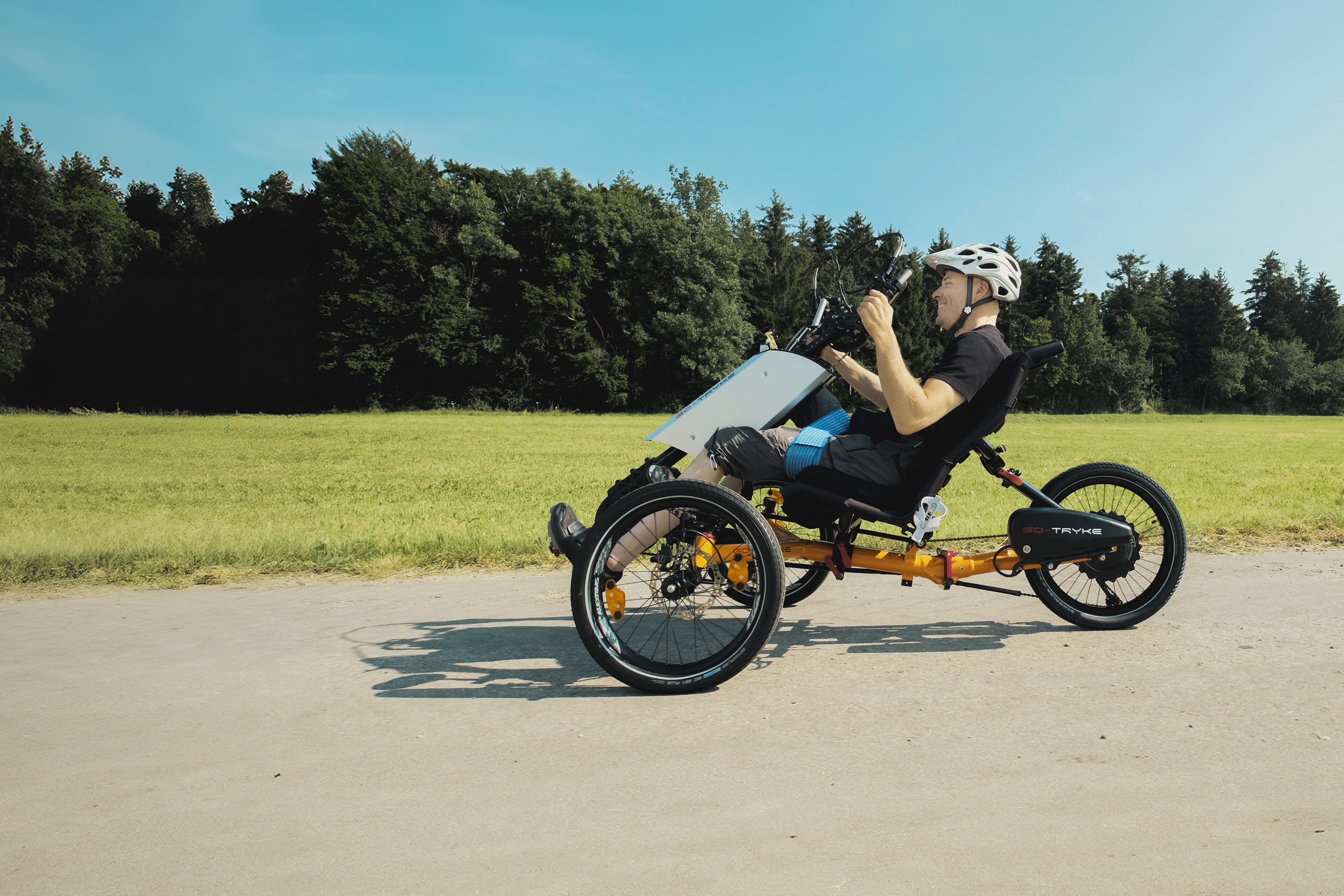
Sebastian Tobler is co-founder and CEO of GBY SA, which has developed a new approach for the rehabilitation of people with reduced mobility. An automotive engineer by training and trade, Sebastian Tobler’s life took a new direction when a bike accident left him paralysed. Alongside his entrepreneurial activities, he heads the SCI-Mobility Lab as Professor at the Bern University of Applied Sciences.
Patrick Pruniaux, Chairman & CEO of Sowind Group
Patrick Pruniaux has a background in business administration and began his career in the watch industry at TAG Heuer. Always fascinated by innovation, he joined Apple in 2014 and oversaw the launch of the Apple Watch. Following a move to Kering in 2017, he managed the Ulysse Nardin and Girard-Perregaux watch brands. In 2022, Patrick Pruniaux spearheaded the historic management buyout and now serves as CEO of these two brands within Sowind Group.
Serra Bicak is Senior Vice President Reckitt Africa Middle East at Reckitt Hygiene. She has lived and worked in eight different countries for various roles during her career in fast-moving consumer goods. Serra Bicak is passionate about diversity, equity and inclusion (DE&I) and leads Reckitt Hygiene’s gender balance program.
Judith Häberli, CGO and co-founder of Urban Connect as well as EY Entrepreneur Of The Year™ 2023 Switzerland winner in the category "Emerging Entrepreneur", shares her motivation for starting a corporate mobility platform and explains why real change only happens when companies work together.
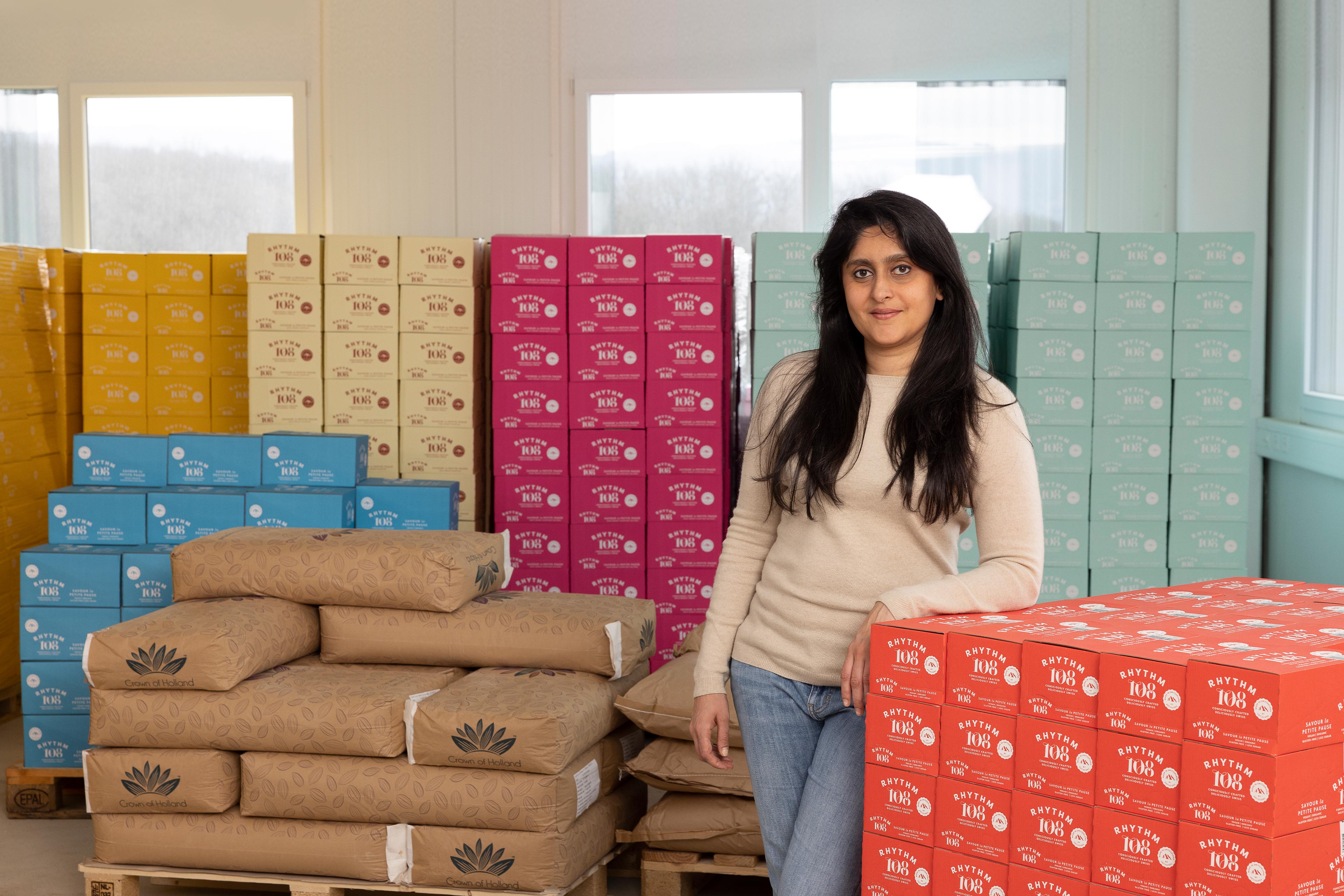
Siddhi Mehta, founder and CEO of Rhythm 108, talked to us about sustainability, craftmanship – and how her company combines heritage and innovation to take the Swiss chocolate tradition into the future.
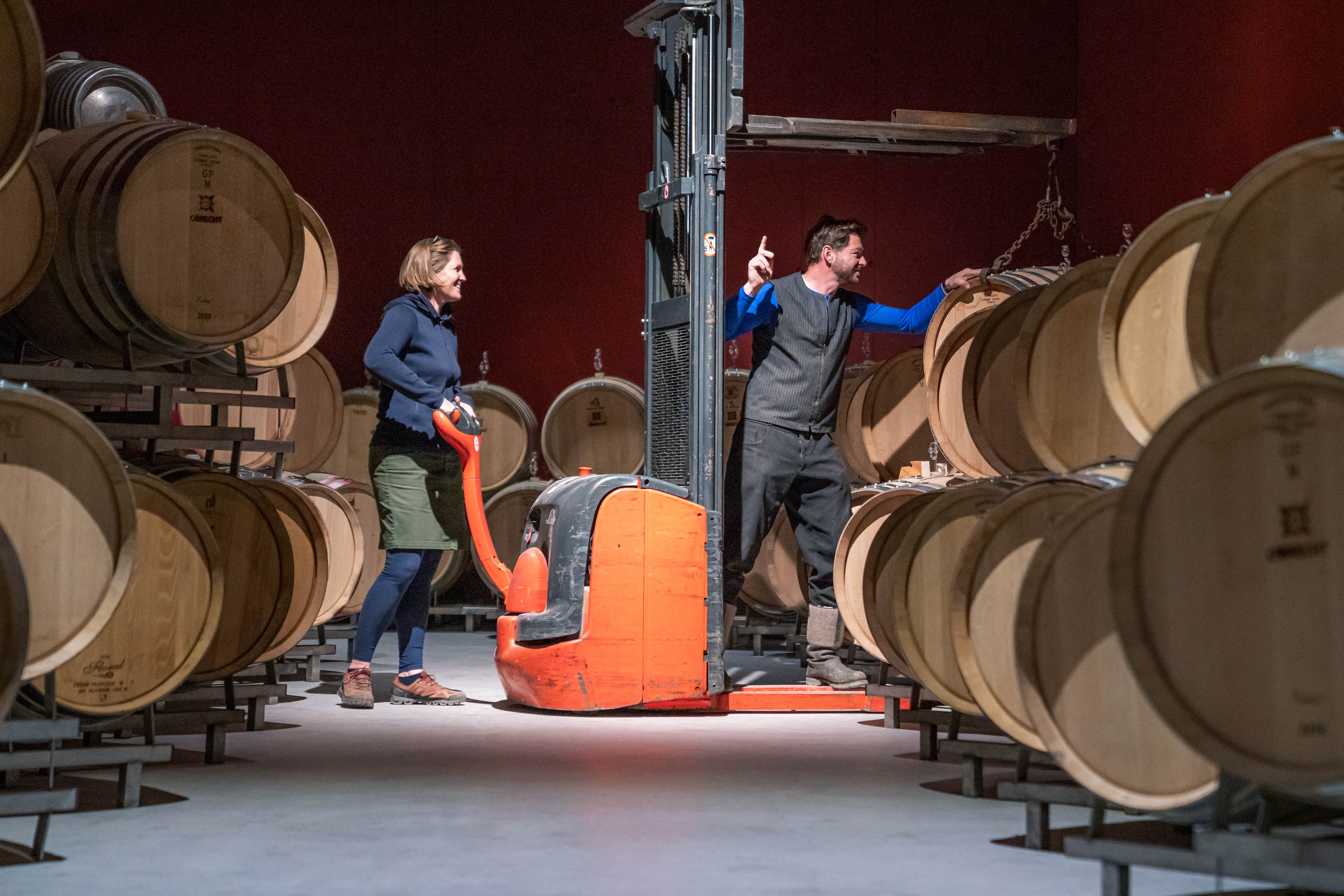
Francisca Obrecht, Weingut Obrecht
Peter Rupp grew up in Sargans, Switzerland, around 20km south of the Hilti headquarters in Liechtenstein. He studied Economics in St. Gallen, then took a post-graduate degree in Engineering in Winterthur.
Peter Rupp grew up in Sargans, Switzerland, around 20km south of the Hilti headquarters in Liechtenstein. He studied Economics in St. Gallen, then took a post-graduate degree in Engineering in Winterthur.
Originally from Naples where she grew up and studied physics, Luciana Vaccaro moved to Switzerland in 1996 to complete a PhD in microengineering at EPFL. She held various positions in research and education at the universities of Neuchâtel and Lausanne before heading the Grant Office at EPFL. In 2013 she took the reins of HES-SO as rector. Last October, Luciana Vaccaro was elected president of the umbrella organization swissuniversities and started in her new position on 1 February.
Christoph Jenny is one of the four co-founders of the start-up Planted and a member of the Executive Board.
Thomas Fürer has served ABB for 22 years, including 14 years in his current role as Group Head of Tax. A Certified Swiss Fiduciary Expert and Certified Swiss Tax Expert, he takes a keen interest in technology and digitalization in the tax function and beyond.