


EY refers to the global organization, and may refer to one or more, of the member firms of Ernst & Young Limited, each of which is a separate legal entity. Ernst & Young Limited is a Swiss company with registered seats in Switzerland providing services to clients in Switzerland.
Recent Searches
Trending
-
How Swiss firms should prepare for post-quantum cryptography
05 Aug 2026 Cybersecurity -
New Swiss AML and Transparency framework: how it impacts businesses, company owners and advisers
27 Jul 2026 Financial services -
Global IPO highlights in Q2 2026 and insights for future IPO candidates
08 Jul 2026 IPO
“AI can improve processes, but the personal element remains essential
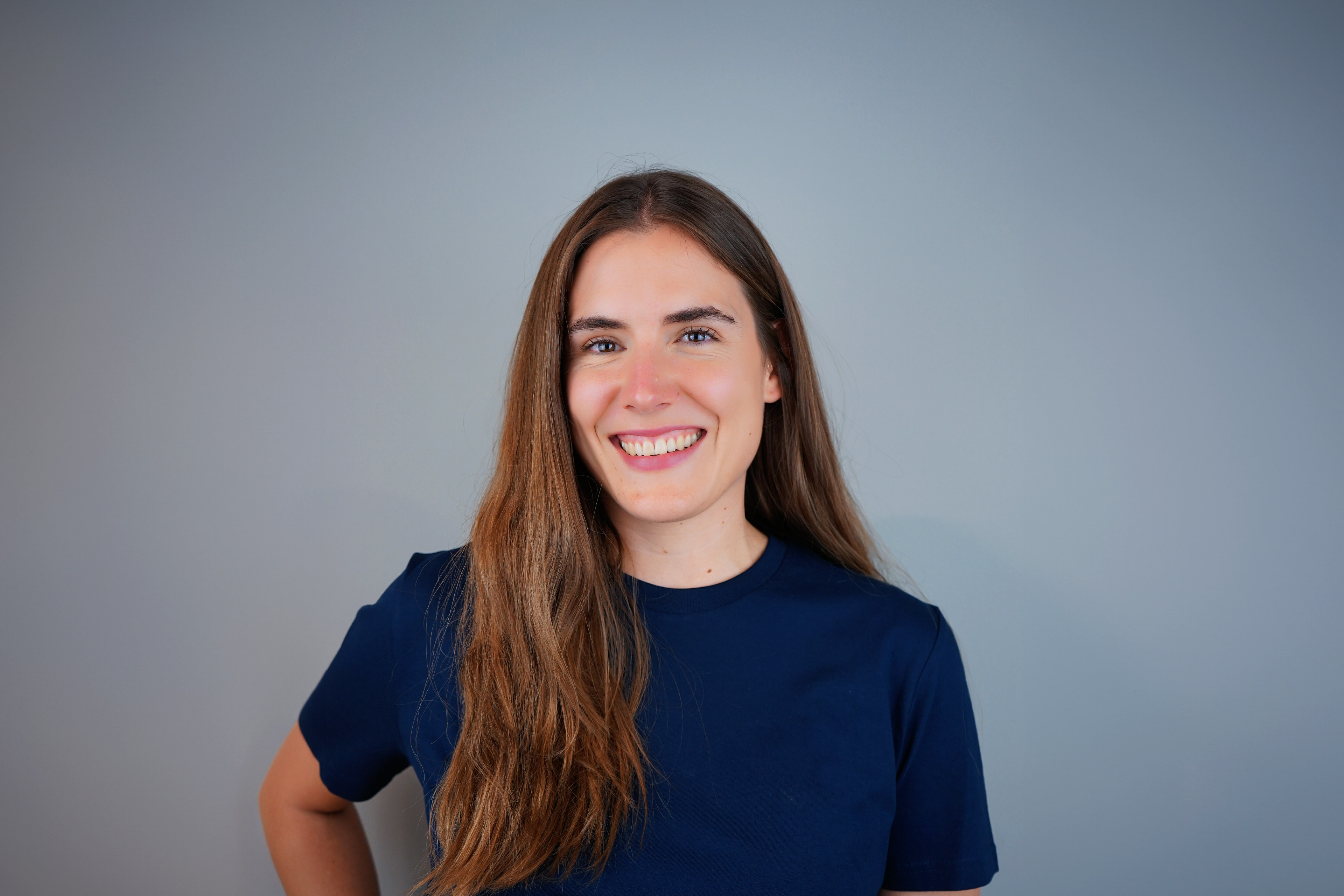
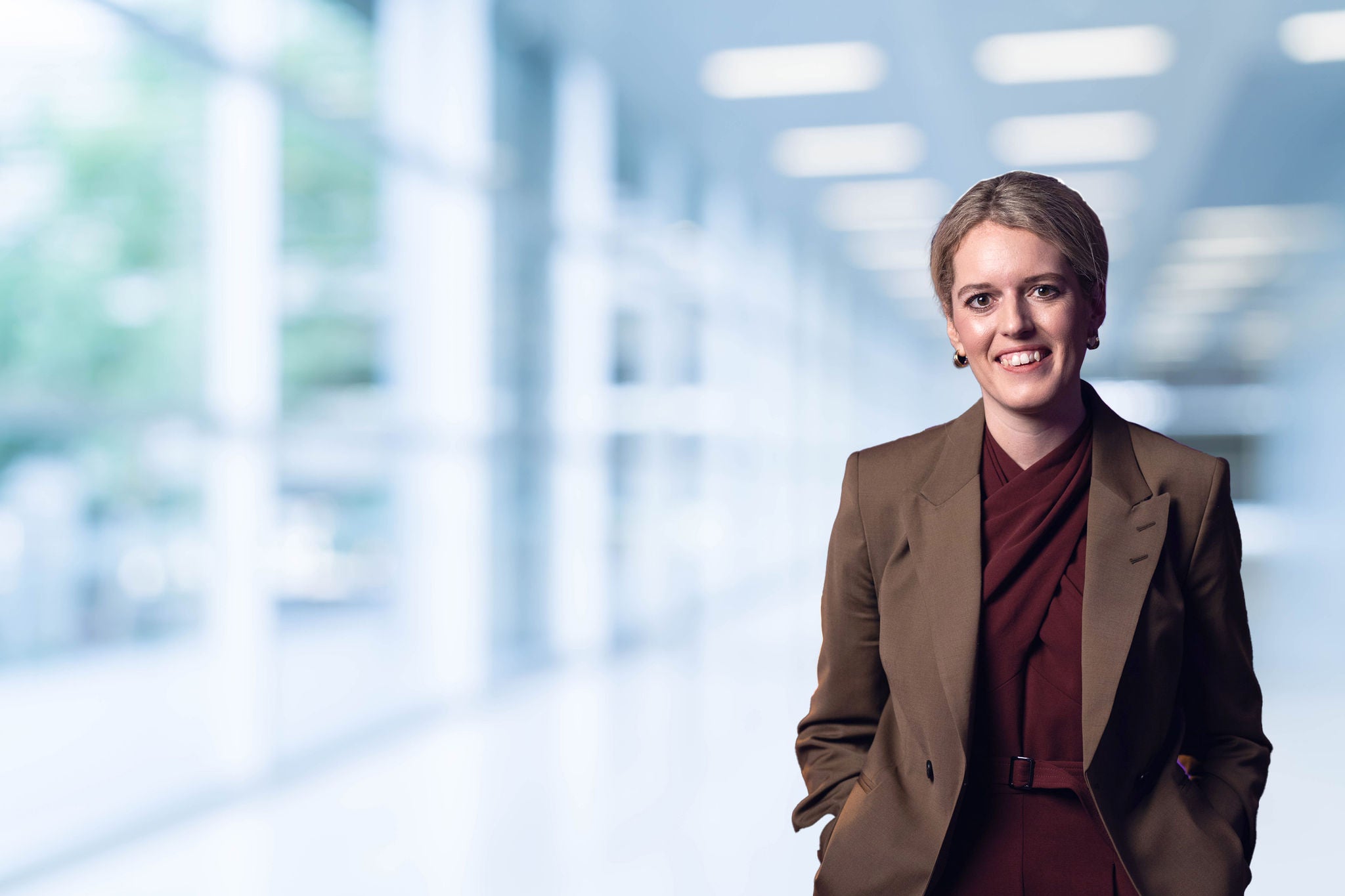
Alexia Cambon
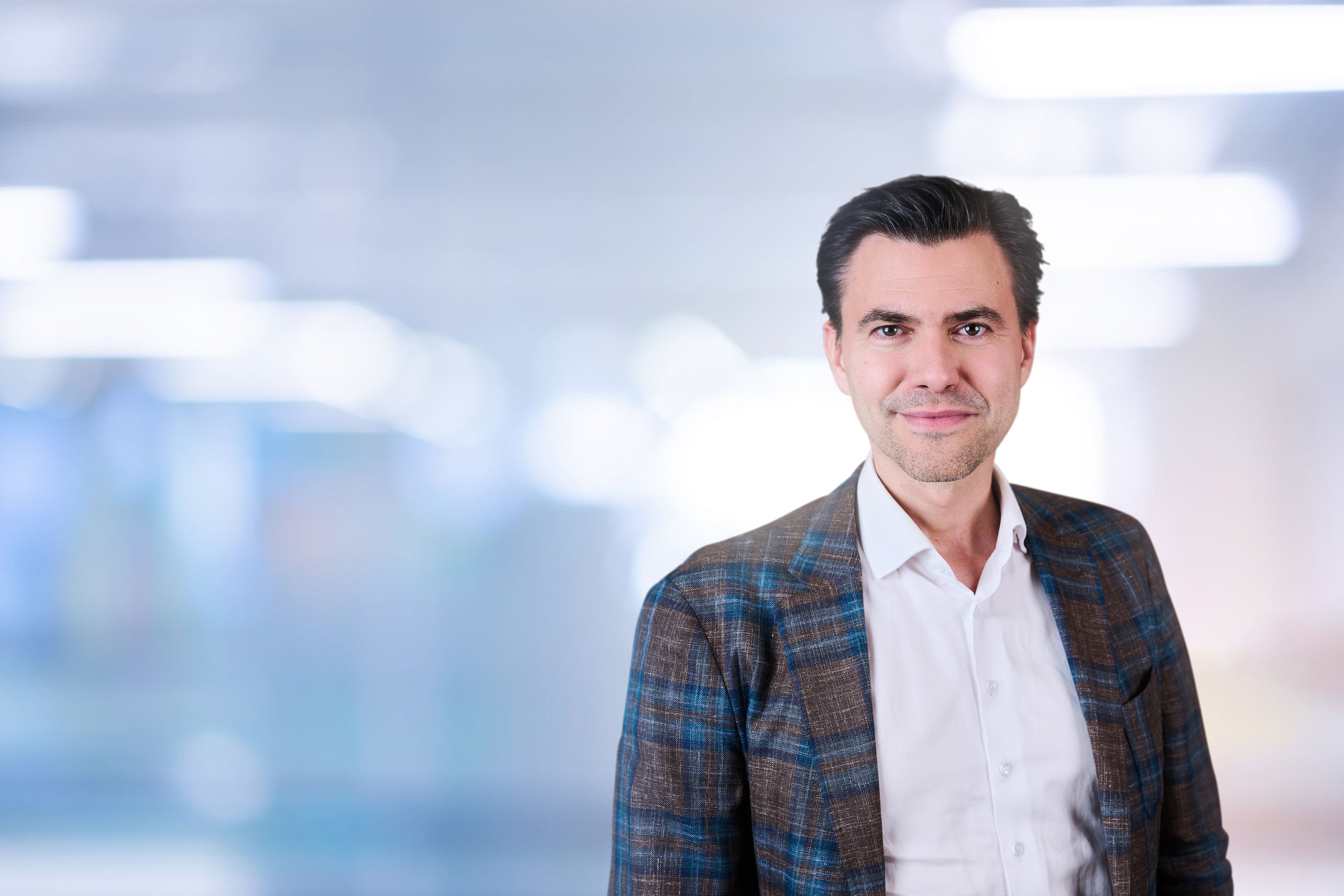
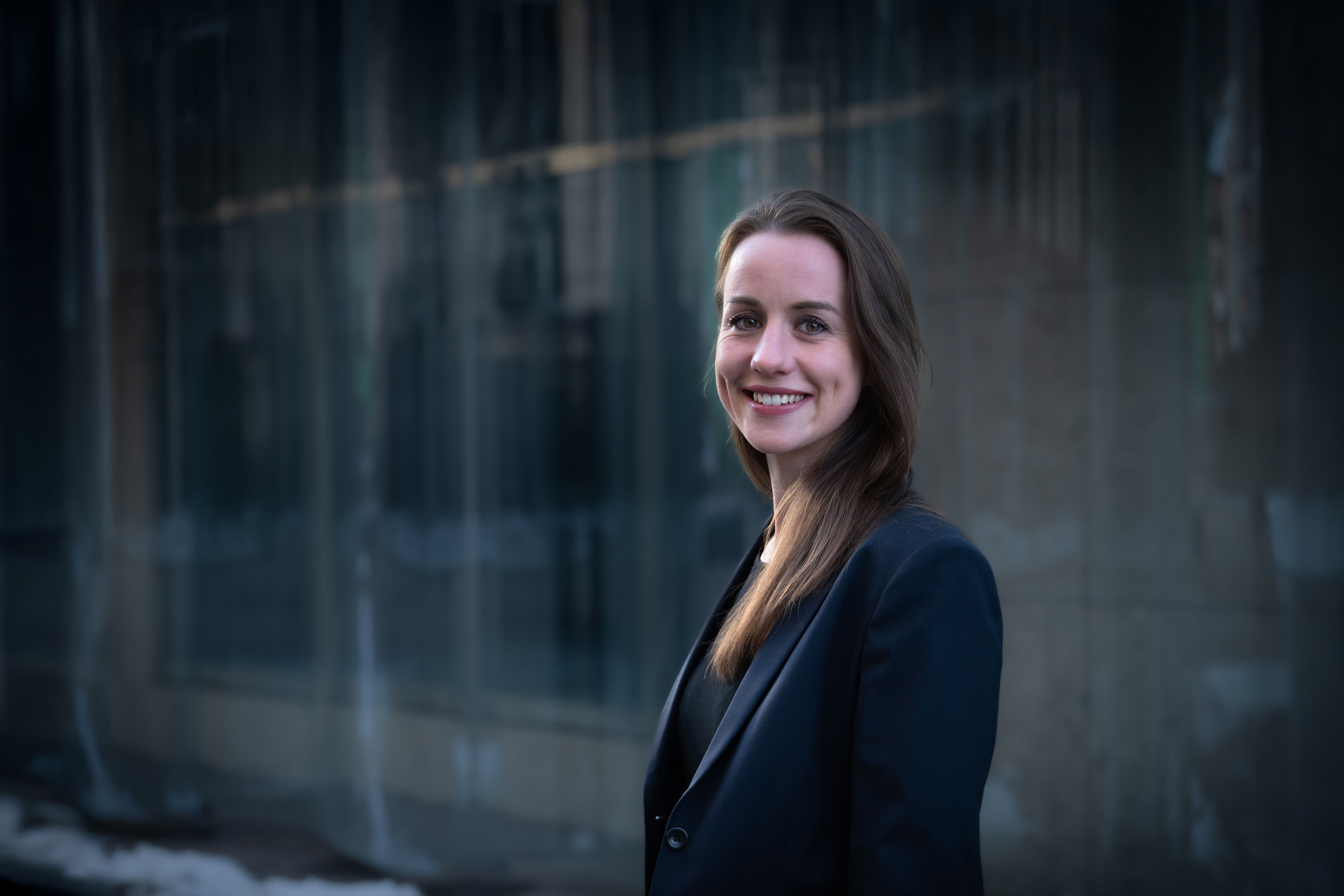
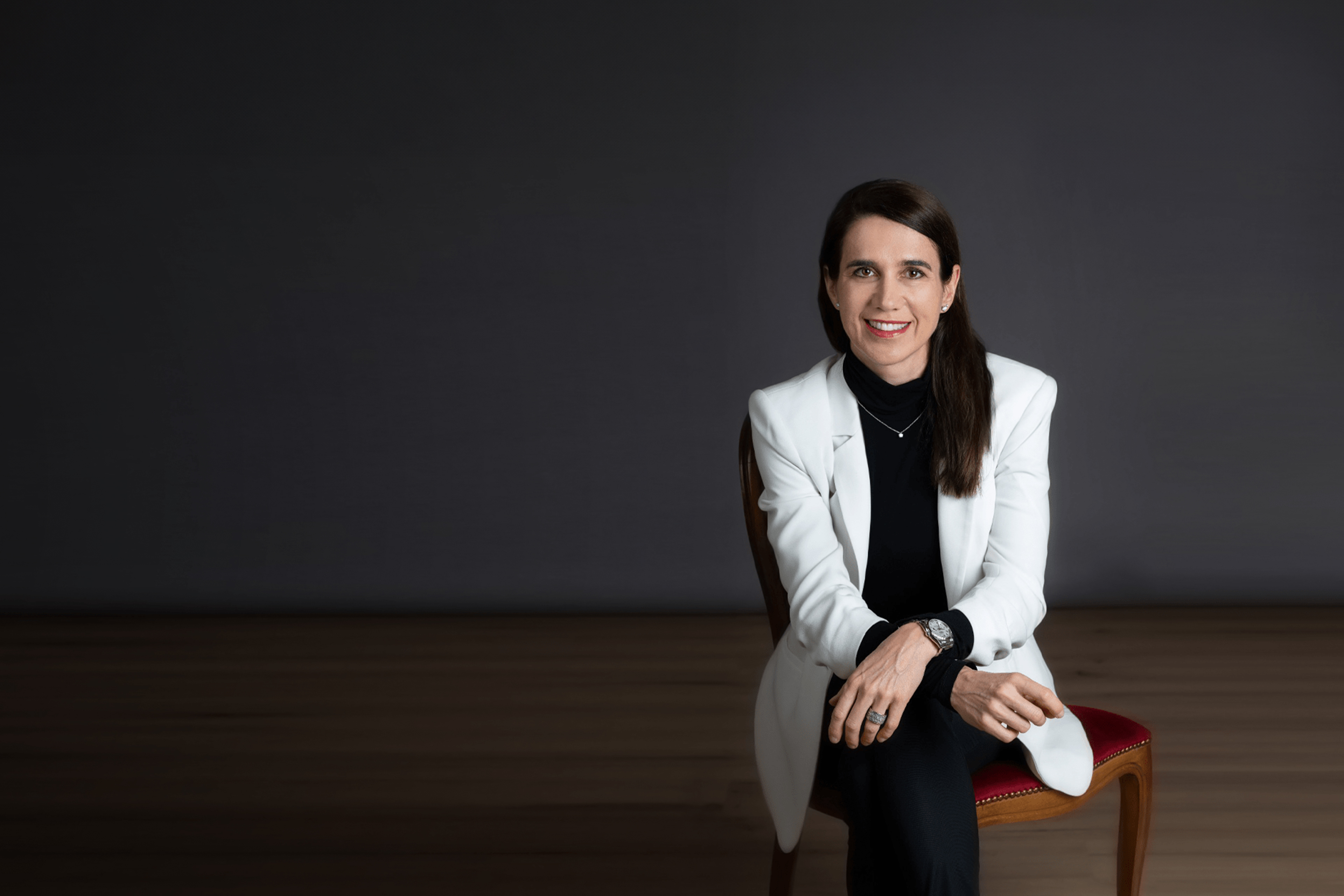
Alexia Cambon is a Director in Microsoft’s Office of Applied Research, where she leads global research on AI, the future of work and human-AI collaboration. Her work focuses on translating rigorous scientific insights into clear, compelling narratives that help organizations understand how AI is reshaping productivity, culture and teamwork. She was a guest speaker at the EY National AI Conference 2026 in Zurich.
Alexia Cambon, Director in Microsoft’s Office of Applied Research, discusses how AI is reshaping productivity, emphasizes the importance of humans and calls for a mindset shift toward a more iterative AI interaction mode.
You lead research in Microsoft’s Office of Applied Research. What are your main insights?
Our current research focuses largely on how AI will move from being used mainly by individuals on a small scale to enhancing collaboration as a tool for teams. We want to understand what collaborative AI will look like. We observe that many companies are stuck in a personal productivity mindset rather than really trying to drive adoption. With our work, we’re exploring how to break this frontier and bridge the gap between individual productivity gains and collective performance.
What’s one breakthrough from your work that really shaped your perspective?
One thing that surprised me was how important on-site experimentation is. We did a six-week adoption study internally at Microsoft where we tested out different interventions to try to understand what drives use of Microsoft Copilot. As part of this, we offered a full day of learning at our office. We saw that people were much more comfortable about testing and sometimes failing when they were surrounded by their peers. The takeaway for us is that there is great value in bringing people together in person to experiment and learn as we navigate this new hybrid world.
Another key finding of this study was the importance of leading by example. When leaders consistently model their usage, talk about AI and explain how they’re using it, people follow. That was a big “aha” moment for us.
Does this always play out in practice? Your research also shows that employees sometimes adapt faster than their leaders.
I think what we’re probably seeing is the fact that this is a level playing field. This is a brand-new technology, and it’s the first time in history that technology talks back. And that means that leaders and employees are on an equal footing. So, what’s going to determine who’s going to upskill quicker? I think it’s going to be about curiosity, motivation to learn, time and capacity. Leaders are often at a disadvantage on the last two points, as they are under immense pressure and juggling other high-stakes priorities. Some of what we’re seeing is almost certainly employees giving themselves permission to really evolve their own job design.
What work do we fundamentally need and want to be done only by humans?
What practical steps can enterprises take in the next quarter to turn AI pilots into organization-wide adoption?
I would focus first on leadership role modeling. For example, make sure you send out leadership communications regularly.
Second, make sure you have a safe space on site for people to gather, experiment and get comfortable with failure.
The third step is to encourage a mindset shift. We’re used to command-based technology: you enter an instruction, the technology obeys and the interaction is over. But that’s not how AI works at all – it’s a conversation-based technology. People need to understand that going back and forth, providing context and giving multiple prompts is a good thing. The goal should not be to minimize interaction as much as possible, it should be to have a really in-depth conversation. This is a key mindset shift that needs to happen but will probably take time for people to embrace.
Make sure you have a safe space on site for people to gather, experiment and get comfortable with failure.
From your perspective, what will be the most impactful AI trend for businesses in the coming year?
Organizational design! I traveled in a self-driving car for the first time about a year ago, and it was a surreal experience. There was no human in the driver’s seat. But there was a steering wheel, a windscreen, forward-facing seats, just like a regular vehicle. It struck me that the entire car was designed around optimizing the experience for the driver. In a world in which the car can drive itself, we should rethink the design. We can apply this analogy to organizational design as well.
Now that we have access to non-human intelligence in addition to human intelligence, how can we redesign how the organization works? It’s very important to emphasize that this shouldn’t be a substitutional framework. It shouldn’t be one AI agent in, one human out. It should very much be about two types of intelligence working together and redesigning the organization to make that a reality.
If today were day one in the history of work, how would you design work?
I love this question and it’s one I like to ask audiences at events. It really forces you to strip yourself of all assumptions about how work gets done. Think about describing what work is like today to someone from the 1950s – they’d think you were crazy! For example, we get interrupted by digital notifications every two minutes on average. For a 1950s worker, that would be like your boss jumping into your office every two minutes. If you were to tell a 1950s worker that you regularly attend meetings with 60 or more people, they would consider that insane and would struggle to understand the logistics of it. This is just a small example to remind us to question whether it’s really necessary to work this way.
If this was the first day of work and there were no constructs – no meetings, no e-mail, no tools, no office – what would I do? I would look at AI as a non-human intelligence that can complement human intelligence and design the organization from scratch around that.
In a world of work that embraces hybrid intelligence and new team structures, which human skills will be most critical?
I think we need to start with a few key questions. First, what economically valuable work do we fundamentally need humans to do? In my eyes, that’s everything to do with building, managing and measuring AI agents. In this new world, every individual will essentially be an agent boss.
The second question is what work would we prefer humans to do? These are all the tasks agents could possibly do, but where we have a preference for human interaction. For me, that’s everything to do with human-to-human connection. I would not send an agent to talk to my most senior customer, for example – I would want to signal that they matter so much that I am spending scarce human time on them
Finally, what work do we choose to have humans to do? This is very much a moral imperative. It’s about consciously deciding to have these tasks stay with humans for the good of humanity. This work is everything to do with high-stakes decision-making, anything that has a major impact on people’s lives. You probably don’t want an agent to have the major decision-making powers here.
We must take care to build in the values that are right for us as humans.
What ethical guardrails and design principles ensure that AI enhances rather than replaces the human connection that makes work meaningful?
In my work, I say AI should not be a “human avoidance machine.” What I mean is that we should aim to create a world in which AI helps humans work together better, not one in which humans work more effectively alone. I believe that starts with really embracing the fundamental differences between AI and humans, including all the AI qualities that humans don’t and should not have.
One fundamental ethical consideration is the fact that humans are sentient beings. We feel, taste, touch, smell; and we experience the world through all our senses. We also carry a high degree of risk in our day-to-day lives, and that is what drives a lot of our decision-making – the risk of losing my job, of hurting someone, of hurting myself. But AI can’t lose its job. AI can’t feel pain. And that, in essence, means that what drives AI’s reasoning and decision-making is fundamentally different – it is a completely separate feedback loop it operates on.
As we are developing these tools and designing this technology, we must take care to build in the values that are right for us as humans.
Are you optimistic for the future?
I’m optimistic at this moment in time because now is the small window in which we have the power and responsibility to shape the trajectory of work. Events like the EY National AI Conference 2026 in Zurich inspire and encourage me. It’s wonderful to see people really coming together and discussing what our future trajectory looks like. I experience these discussions as smart and progressive and grounded in deep empathy. I hope very much that we’ll continue along this human-centric path.
Featured articles and interviews
Gabriele Mazzini, Lead author of the EU Artificial Intelligence Act
Gabriele Mazzini is a research associate at MIT Media Lab, an interdisciplinary creative playground rooted squarely in academic rigor, and a sought-after speaker, lecturer and advisor on AI governance and regulation across the world.
Julia Wetter-Studinka, Head of Regional Sales Switzerland at SWISS
Julia Wetter-Studinka is Head of Regional Sales Switzerland at Lufthansa Group and a SWISS employee. She joined the Lufthansa Group in 2018, initially as a project manager in distribution and commercial negotiations with Global Distribution Systems.
Andrea Carcano, Co-founder and Chief Product Officer of Nozomi Networks
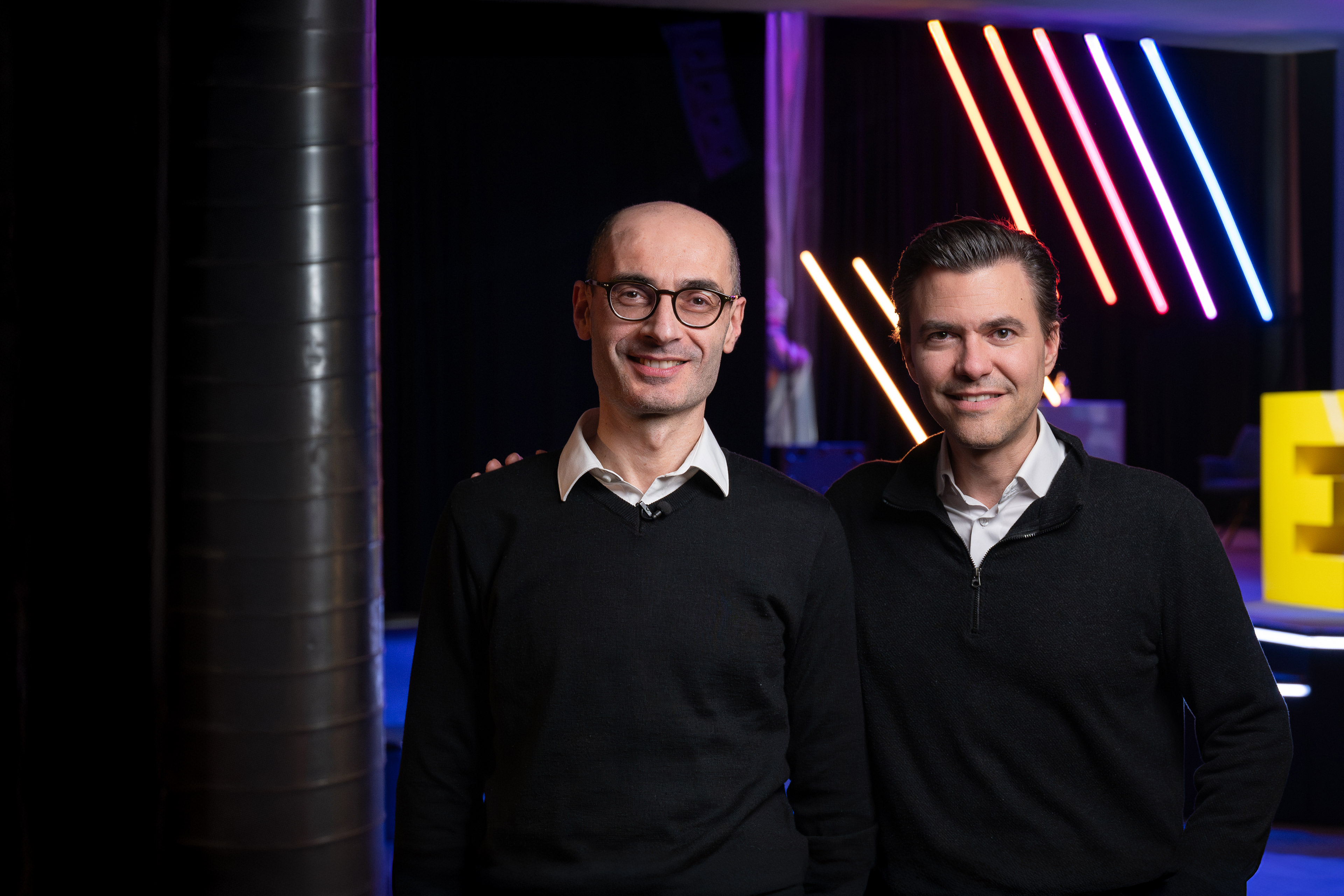
Andrea Carcano, co-founder and Chief Product Officer of Nozomi Networks, reflects on lessons learned from the global IT outage in July 2024, discusses why the conditions are ripe for generative AI and explains why he is looking to the future with confidence.
Monika Zihlmann, Global Digital Commercial Platforms
Monika Zihlmann, Vice President Global Digital Commercial Platforms at Smith+Nephew, discusses the trends and pressures shaping the medtech industry and explains why now is the time to embrace a multi-channel customer engagement model.
Sebastian Tobler, Co-founder and CEO of GBY SA
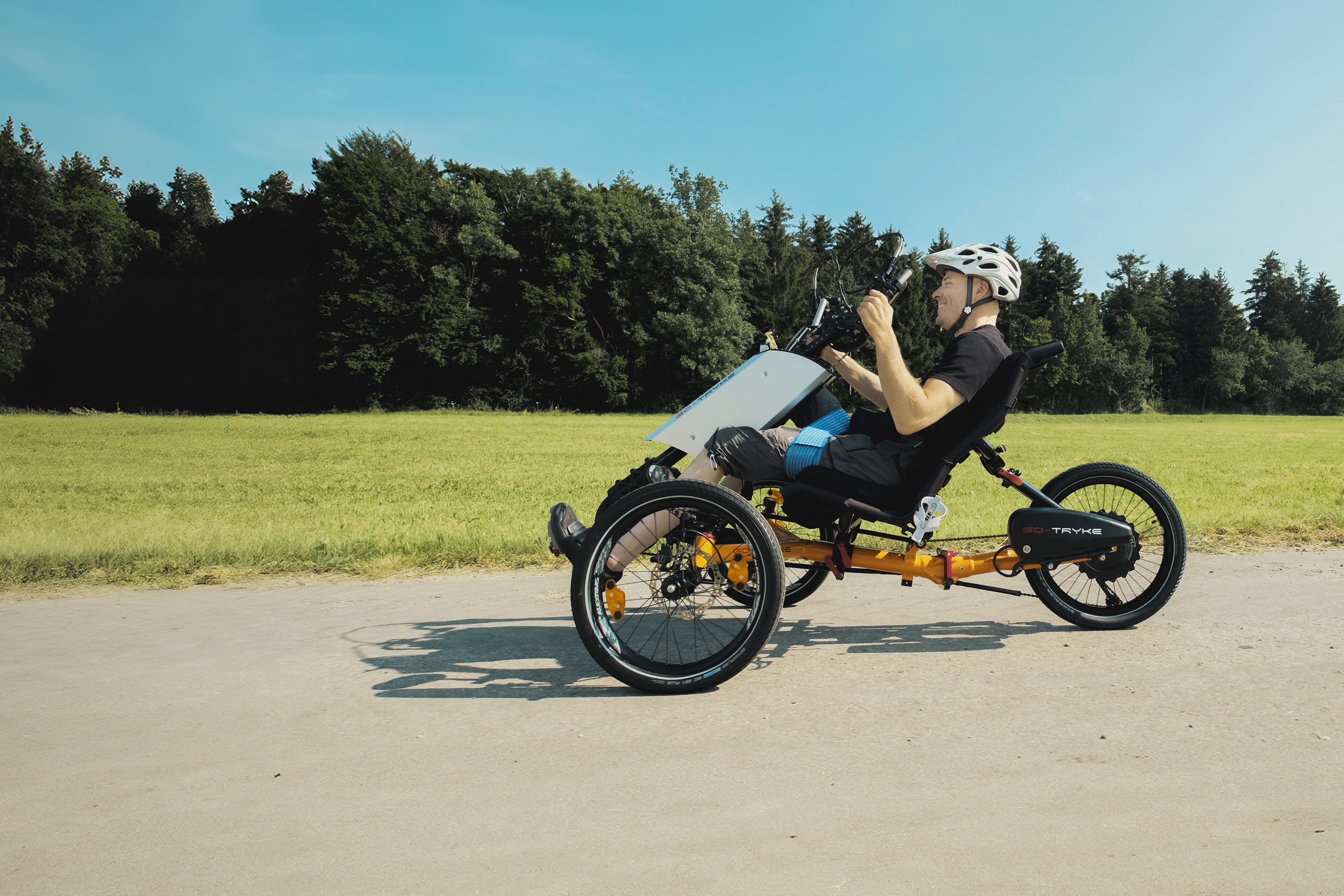
Sebastian Tobler is co-founder and CEO of GBY SA, which has developed a new approach for the rehabilitation of people with reduced mobility. An automotive engineer by training and trade, Sebastian Tobler’s life took a new direction when a bike accident left him paralysed. Alongside his entrepreneurial activities, he heads the SCI-Mobility Lab as Professor at the Bern University of Applied Sciences.
Patrick Pruniaux, Chairman & CEO of Sowind Group
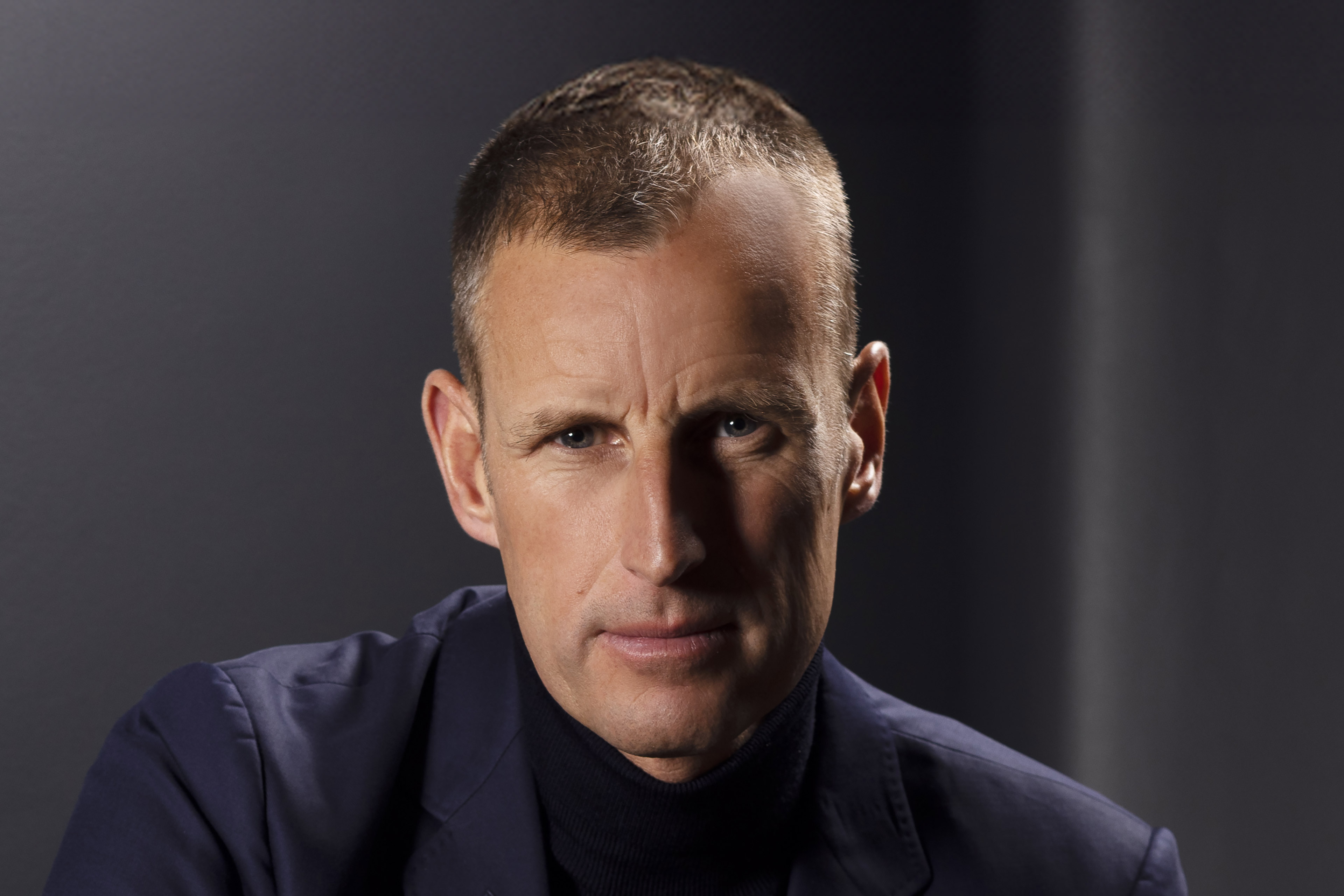
Patrick Pruniaux has a background in business administration and began his career in the watch industry at TAG Heuer. Always fascinated by innovation, he joined Apple in 2014 and oversaw the launch of the Apple Watch. Following a move to Kering in 2017, he managed the Ulysse Nardin and Girard-Perregaux watch brands. In 2022, Patrick Pruniaux spearheaded the historic management buyout and now serves as CEO of these two brands within Sowind Group.
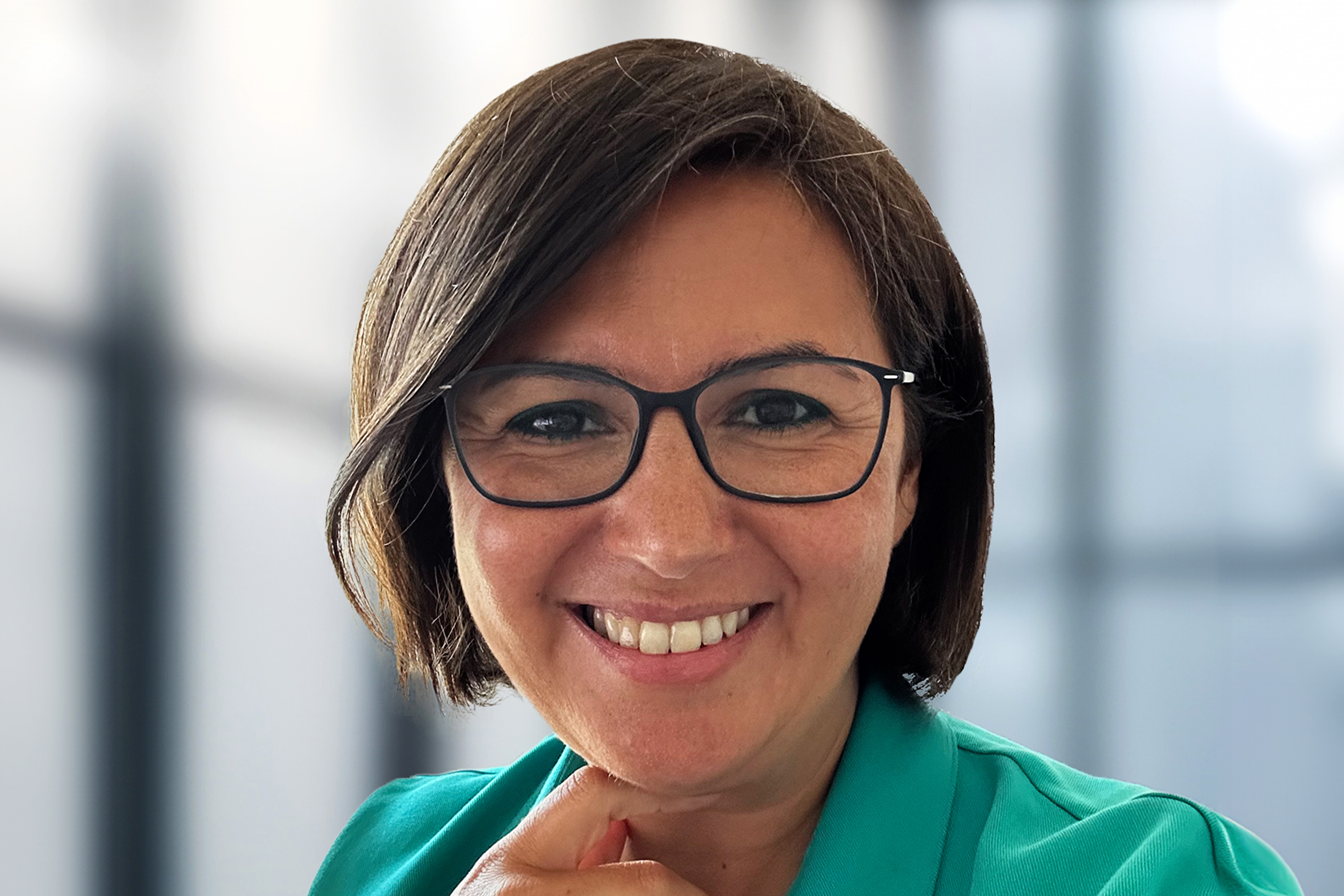
Serra Bicak is Senior Vice President Reckitt Africa Middle East at Reckitt Hygiene. She has lived and worked in eight different countries for various roles during her career in fast-moving consumer goods. Serra Bicak is passionate about diversity, equity and inclusion (DE&I) and leads Reckitt Hygiene’s gender balance program.
Judith Häberli, CGO and co-founder of Urban Connect as well as EY Entrepreneur Of The Year™ 2023 Switzerland winner in the category "Emerging Entrepreneur", shares her motivation for starting a corporate mobility platform and explains why real change only happens when companies work together.
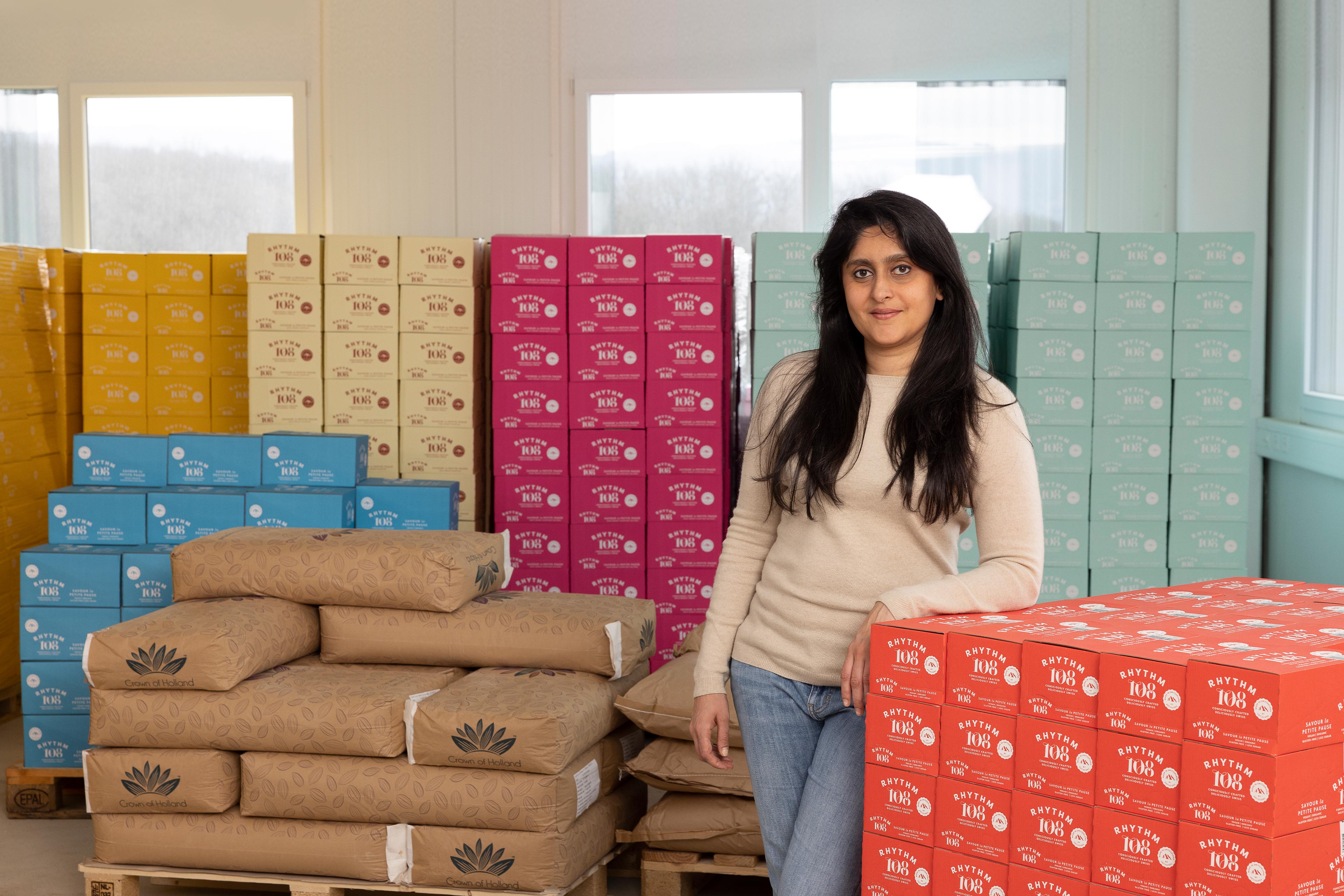
Siddhi Mehta, founder and CEO of Rhythm 108, talked to us about sustainability, craftmanship – and how her company combines heritage and innovation to take the Swiss chocolate tradition into the future.
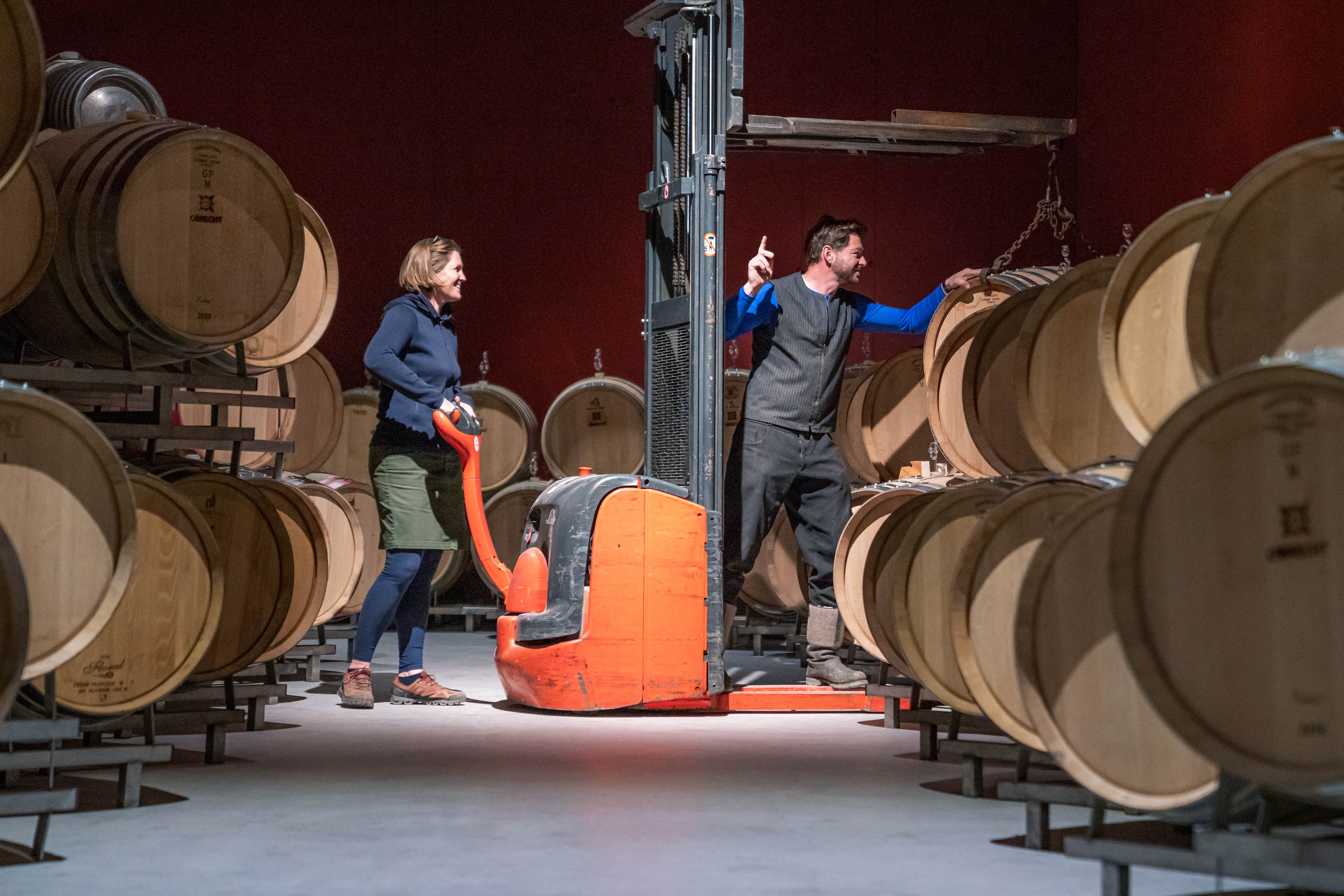
Francisca Obrecht, Weingut Obrecht
Peter Rupp grew up in Sargans, Switzerland, around 20km south of the Hilti headquarters in Liechtenstein. He studied Economics in St. Gallen, then took a post-graduate degree in Engineering in Winterthur.
Peter Rupp grew up in Sargans, Switzerland, around 20km south of the Hilti headquarters in Liechtenstein. He studied Economics in St. Gallen, then took a post-graduate degree in Engineering in Winterthur.
Originally from Naples where she grew up and studied physics, Luciana Vaccaro moved to Switzerland in 1996 to complete a PhD in microengineering at EPFL. She held various positions in research and education at the universities of Neuchâtel and Lausanne before heading the Grant Office at EPFL. In 2013 she took the reins of HES-SO as rector. Last October, Luciana Vaccaro was elected president of the umbrella organization swissuniversities and started in her new position on 1 February.
Christoph Jenny is one of the four co-founders of the start-up Planted and a member of the Executive Board.
Thomas Fürer has served ABB for 22 years, including 14 years in his current role as Group Head of Tax. A Certified Swiss Fiduciary Expert and Certified Swiss Tax Expert, he takes a keen interest in technology and digitalization in the tax function and beyond.