


EY refers to the global organization, and may refer to one or more, of the member firms of Ernst & Young Limited, each of which is a separate legal entity. Ernst & Young Limited is a Swiss company with registered seats in Switzerland providing services to clients in Switzerland.
Recent Searches
Trending
-
How Swiss firms should prepare for post-quantum cryptography
05 Aug 2026 Cybersecurity -
New Swiss AML and Transparency framework: how it impacts businesses, company owners and advisers
27 Jul 2026 Financial services -
Global IPO highlights in Q2 2026 and insights for future IPO candidates
08 Jul 2026 IPO
“AI can improve processes, but the personal element remains essential
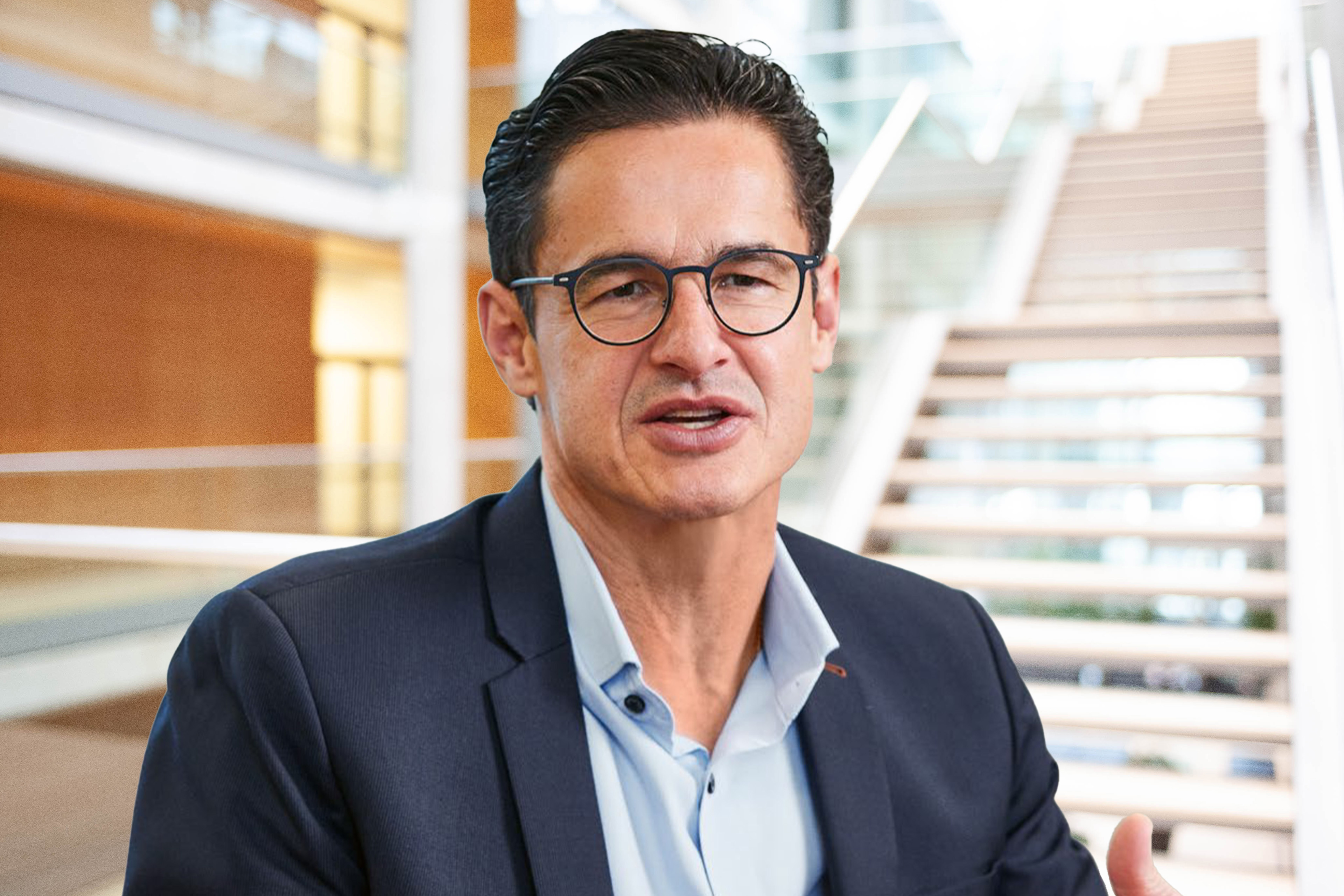
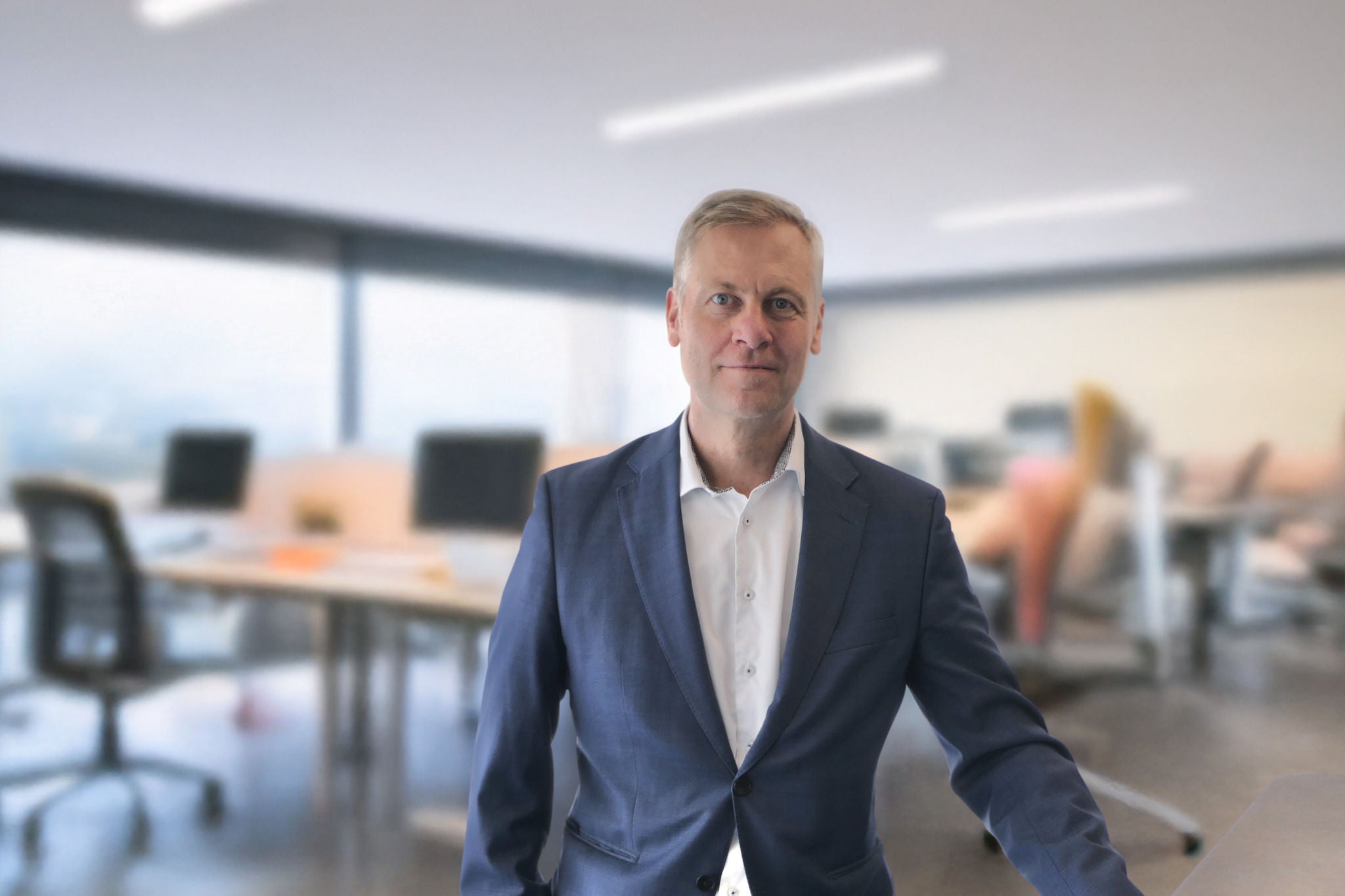
Carsten Mooren
Carsten Mooren is Managing Director of Ford Switzerland – his latest senior management role in a career spanning more than 30 years at Ford Werke GmbH. With expertise in finance and controlling, his previous positions have included Head of Marketing and Sales Controlling Europe and Head of Controlling Engineering and Investments for Europe, the Middle East and Africa.
Carsten Mooren, Managing Director of Ford Switzerland, explains how Ford is shaping the future of e-mobility, what makes the Swiss market unique – and why a personal touch matters more than ever in this AI era.
Could you provide an overview of Ford’s operations in Switzerland and how they align with the company’s global strategy?
Founded by Henry Ford in the USA, Ford has been around since 1903. While rooted as a traditional American company with a long global manufacturing and sales history, Ford has proudly produced vehicles specifically adapted for European needs right here in Europe for over 100 years, serving markets worldwide, which naturally includes Switzerland. We’ve been officially represented here as a National Sales Company since 1958 and, prior to that, through importers.
Our global strategy, though, applies to all markets. Electrification is a key focus, and our commercial vehicle business, Ford Pro, is also a strategic priority. Ford Pro is not just about vehicle sales, but also about comprehensive services, connectivity and other solutions.
Customers in Switzerland have high expectations, especially when it comes to quality, and are very tech-savvy. Topography also influences market demand, with four-wheel drive particularly popular for both passenger and commercial vehicles. So even though products are not developed specifically for Switzerland only, we do select and introduce them based on local needs and prospects.
Customers in Switzerland have high expectations, especially when it comes to quality, and are very tech-savvy.
With rising tensions and growing skepticism toward American brands – as seen with Tesla – how will Ford Switzerland navigate these challenges?
We haven’t observed any issues in Switzerland in terms of negative sentiment toward American brands. At Ford, we’re proud of our heritage, but we’ve always had global roots. We have a long history in Europe, for example with our Cologne plant. Last year we invested two billion euros in production for new models such as the Capri and Explorer for the European market.
Ford has always invested locally and is deeply rooted in many societies, including Switzerland, through our dealer network. We’re building on this to secure lasting trust, loyalty and market strength in this era of complex technologies.
Our strength lies in our direct relationship with customers and our interaction focus remains on people.
Henry Ford’s assembly line transformed the industry. Are we seeing a similar shift with AI, and how do you see it reshaping manufacturing and customer interactions at Ford?
Ford takes AI very seriously, develops its own AI solutions, and, as a company that embraces technology, we remain open to innovation as a way to remain competitive in the long term. AI is becoming increasingly important in the field of software solutions, not only in the cars themselves, but also in providing customer support and innovative services. In the commercial vehicle business, for example, AI can help with optimal route planning, reminding customers of updates and suggesting maintenance times. It is crucial that everything is done objectively, transparently and in accordance with compliance and data protection guidelines. Customers should always decide for themselves which data is used. Will salespeople or mechanics be replaced? At Ford, our strength lies in our direct relationship with customers and our interaction focus remains on people. AI can improve processes and take on tasks that it does better, but the personal element remains essential.
With the shift to electric vehicles, have major manufacturers missed the moment to lead? What bold steps is Ford Switzerland taking to catch up and redefine the market over the next five years?
I don’t think you can define the perfect time to enter the e-mobility market. Ford is a leader in the commercial vehicle sector. We’re actively shaping the industry with a wide range of electric and hybrid vehicles, particularly in the one-ton and two-ton segments, including parcel and delivery vehicles. We’re absolutely setting standards in these areas, offering both traditional and electric options to best serve the market.
Ford’s transition to electric came somewhat later for passenger cars, at a time when Tesla was considered the pioneer. Nevertheless, we decided early on to focus uncompromisingly on electric mobility and we’re steadily investing in electric vehicles.
In Switzerland, we’re not just catching up – we’re actively redefining the market. We offer a complete electric range – from B class vehicles to the Puma Gen-E, Mustang Mach-E, Explorer and Capri – while gasoline and plug-in hybrids remain available. This allows us to gently accommodate customers who are not yet ready to make the switch to electric mobility.
Our strategy seeks to establish electric mobility in the long term, as the way forward is inevitable – because of climate targets and the clear technological advantages. Besides the sustainability benefits, electric vehicles are also cheaper to maintain.
On the subject of sustainability: what initiatives are currently in place in Switzerland to reduce the environmental impact of your operations and products?
Ford in Switzerland is committed to environmentally friendly mobility while supporting customers’ personal choice. We continue to offer personal mobility as a complement to public transportation and have established a broad range of electric vehicles in the passenger car segment. In the commercial vehicle segment, we’re co-creating the new normal, with electric mobility, services and connectivity designed to help optimize routes and reduce the environmental footprint.
We also consider the entire value chain: where do products come from, how are resources used, and how can vehicles be recycled at the end of their life? At our Cologne site, for example, we’re committed to carbon-neutral, European-centric production.
Our dealers also contribute to sustainability, for example through solar panels, charging stations and local carbon-neutral measures. Our customers increasingly appreciate this – many consciously choose vehicles such as the all-electric Ford Explorer because they are produced locally with climate-friendly approaches.
As cities evolve, what role do you see will Ford play in the future of urban mobility, particularly in terms of shared mobility solutions and reducing congestion?
Ford sees its role in urban mobility as being largely about technological solutions to reduce emissions and improve mobility efficiency. An increasingly electric fleet helps to cut urban emissions – provided that the electricity is produced sustainably. It’s also important that mobility concepts are not viewed in isolation: connectivity, route planning and congestion avoidance demand collaboration with the public sector and social dialogue.
New challenges are emerging, particularly in the area of last-mile delivery. Many customers are having goods delivered these days, instead of driving into towns or cities themselves. To support delivery drivers, Ford is developing solutions such as optimized fleet planning, efficient route planning and digital services that ensure seamless mobility. Ford Pro Services ensures that vehicles for commercial customers are always ready for use, without delays or breakdowns.
These are some of the approaches we’re taking to reduce emissions, but also to increase comfort, efficiency and quality of urban life. We believe that being open to tech and integrated mobility concepts will ensure that vehicles are used optimally and alternative modes of transportation integrated in a way that benefits everyone.
I’m on my fourth electric car and can’t imagine returning to combustion engines.
Amid the climate crisis, do automakers like Ford have a moral duty to lead in sustainability, and how is Ford Switzerland positioning itself?
Sustainability is naturally in our interest. We too want to protect the planet and contribute to a society worth living in. Large, traditional companies that are deeply rooted in society and employ a lot of people have a responsibility to develop solutions that make the planet a better place. Ford isn’t an NGO, we have to be profitable. But that doesn’t mean we can’t offer innovative solutions that benefit both the climate and society. Leaders in this area enjoy a positive image; those who lag miss out on opportunities.
We invest in products that are developed over many years and remain on the road for a long time, so it’s important to us that everyone pulls together and conditions remain stable in the long term. Our “Grow to Green” sustainability initiative describes the entire value chain and shows how Ford intends to achieve climate neutrality by 2035.
In the commercial vehicle sector in particular, we’re helping to persuade customers that electric vehicles make sense from both an economic and environmental perspective. Some users have reservations – inadequate battery range or a lack of charging stations – and we work to overcome these. For example, we’ve provided E-Transit vehicles free of charge to various customers, including charitable organizations. Drivers see for themselves just how many miles they manage in a day and that charging isn’t an issue at all. I’ve personally experienced the advantages of e-mobility myself – from driving pleasure to comfort. I’m on my fourth electric car and can’t imagine returning to combustion engines.
Featured articles and interviews
Gabriele Mazzini, Lead author of the EU Artificial Intelligence Act
Gabriele Mazzini is a research associate at MIT Media Lab, an interdisciplinary creative playground rooted squarely in academic rigor, and a sought-after speaker, lecturer and advisor on AI governance and regulation across the world.
Julia Wetter-Studinka, Head of Regional Sales Switzerland at SWISS
Julia Wetter-Studinka is Head of Regional Sales Switzerland at Lufthansa Group and a SWISS employee. She joined the Lufthansa Group in 2018, initially as a project manager in distribution and commercial negotiations with Global Distribution Systems.
Andrea Carcano, Co-founder and Chief Product Officer of Nozomi Networks
Andrea Carcano, co-founder and Chief Product Officer of Nozomi Networks, reflects on lessons learned from the global IT outage in July 2024, discusses why the conditions are ripe for generative AI and explains why he is looking to the future with confidence.
Monika Zihlmann, Global Digital Commercial Platforms
Monika Zihlmann, Vice President Global Digital Commercial Platforms at Smith+Nephew, discusses the trends and pressures shaping the medtech industry and explains why now is the time to embrace a multi-channel customer engagement model.
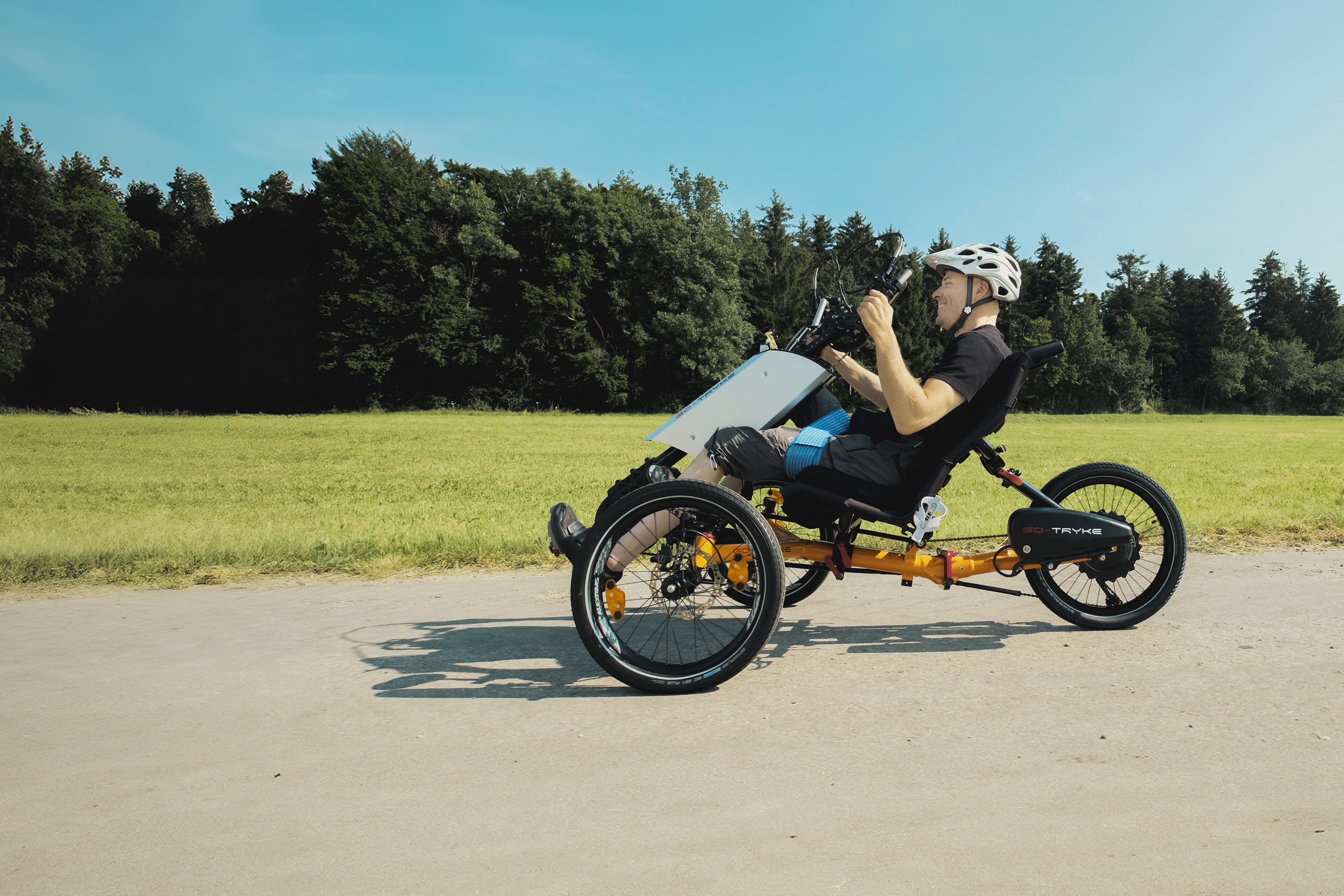
Sebastian Tobler, Co-founder and CEO of GBY SA
Sebastian Tobler is co-founder and CEO of GBY SA, which has developed a new approach for the rehabilitation of people with reduced mobility. An automotive engineer by training and trade, Sebastian Tobler’s life took a new direction when a bike accident left him paralysed. Alongside his entrepreneurial activities, he heads the SCI-Mobility Lab as Professor at the Bern University of Applied Sciences.
Patrick Pruniaux, Chairman & CEO of Sowind Group
Patrick Pruniaux has a background in business administration and began his career in the watch industry at TAG Heuer. Always fascinated by innovation, he joined Apple in 2014 and oversaw the launch of the Apple Watch. Following a move to Kering in 2017, he managed the Ulysse Nardin and Girard-Perregaux watch brands. In 2022, Patrick Pruniaux spearheaded the historic management buyout and now serves as CEO of these two brands within Sowind Group.
Serra Bicak is Senior Vice President Reckitt Africa Middle East at Reckitt Hygiene. She has lived and worked in eight different countries for various roles during her career in fast-moving consumer goods. Serra Bicak is passionate about diversity, equity and inclusion (DE&I) and leads Reckitt Hygiene’s gender balance program.
Judith Häberli, CGO and co-founder of Urban Connect as well as EY Entrepreneur Of The Year™ 2023 Switzerland winner in the category "Emerging Entrepreneur", shares her motivation for starting a corporate mobility platform and explains why real change only happens when companies work together.
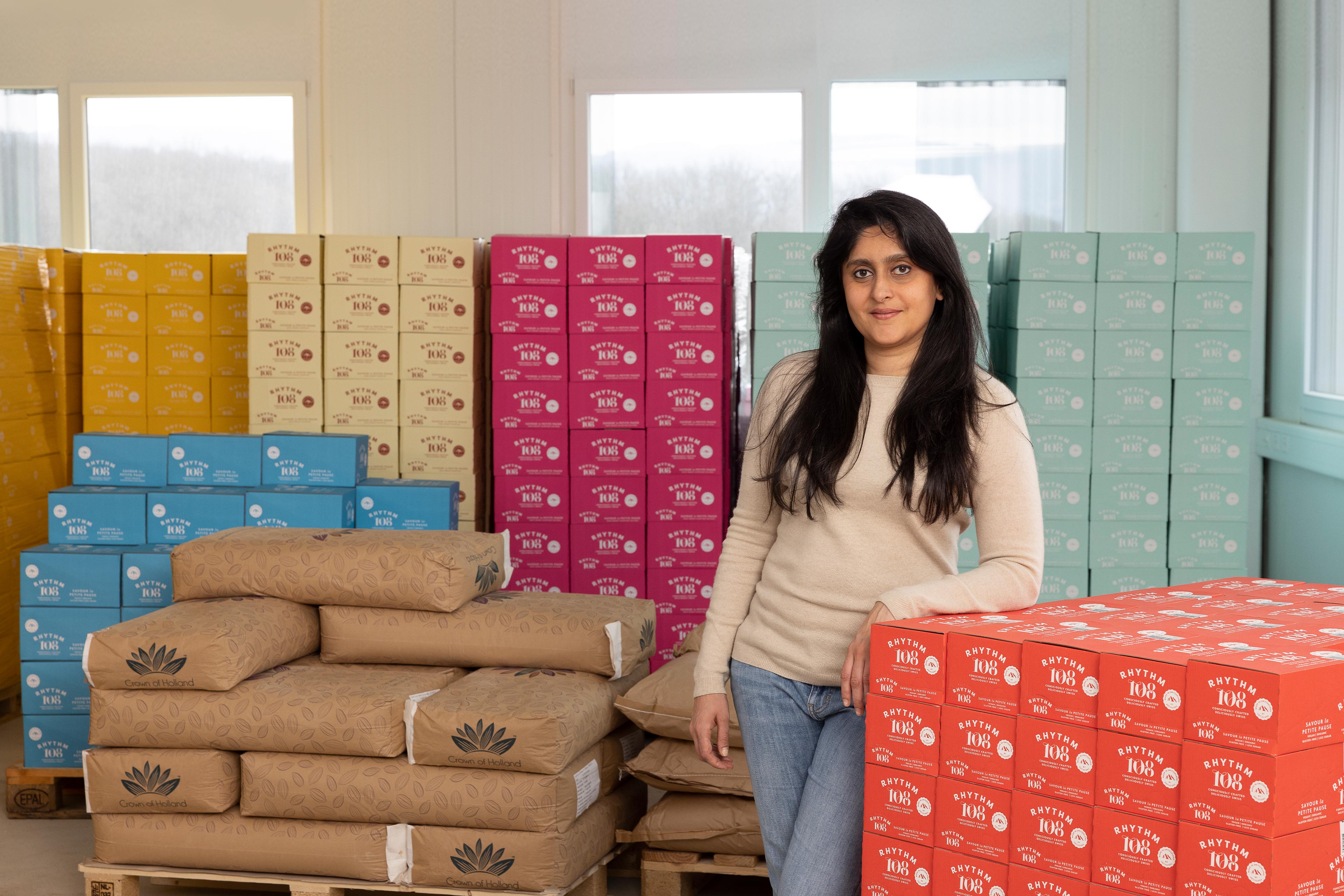
Siddhi Mehta, founder and CEO of Rhythm 108, talked to us about sustainability, craftmanship – and how her company combines heritage and innovation to take the Swiss chocolate tradition into the future.
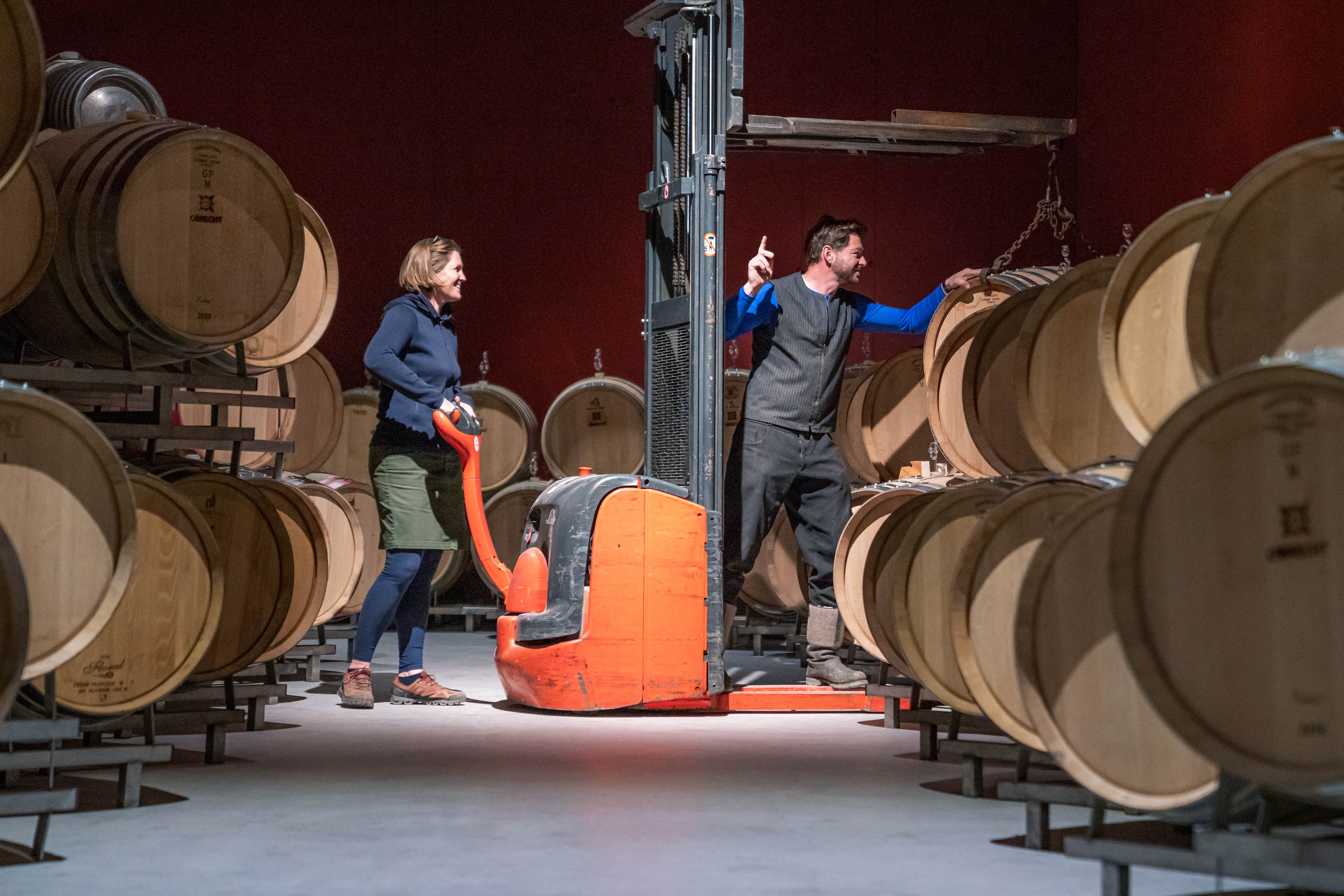
Francisca Obrecht, Weingut Obrecht
Peter Rupp grew up in Sargans, Switzerland, around 20km south of the Hilti headquarters in Liechtenstein. He studied Economics in St. Gallen, then took a post-graduate degree in Engineering in Winterthur.
Peter Rupp grew up in Sargans, Switzerland, around 20km south of the Hilti headquarters in Liechtenstein. He studied Economics in St. Gallen, then took a post-graduate degree in Engineering in Winterthur.
Originally from Naples where she grew up and studied physics, Luciana Vaccaro moved to Switzerland in 1996 to complete a PhD in microengineering at EPFL. She held various positions in research and education at the universities of Neuchâtel and Lausanne before heading the Grant Office at EPFL. In 2013 she took the reins of HES-SO as rector. Last October, Luciana Vaccaro was elected president of the umbrella organization swissuniversities and started in her new position on 1 February.
Christoph Jenny is one of the four co-founders of the start-up Planted and a member of the Executive Board.
Thomas Fürer has served ABB for 22 years, including 14 years in his current role as Group Head of Tax. A Certified Swiss Fiduciary Expert and Certified Swiss Tax Expert, he takes a keen interest in technology and digitalization in the tax function and beyond.