Historic Zürich city center with famous Grossmünster Church, Limmat river and Zürich lake. Zürich is the largest city in Switzerland

Interview with Bruno Kurz, Swiss Finance & Property Funds AG


Between investment pressure and supply constraints: How SFPF is aligning capital and products in the current market environment.


In brief

  • Strong capital inflows are meeting limited supply, increasing pressure on selection, pricing discipline and product quality.
  • Investors are becoming more selective and are increasingly differentiating between investment vehicles, strategies and risk profiles.
  • Regulation, financing, and existing asset repositioning are increasingly shaping market mechanics and investment decisions.

The Swiss real estate market finds itself within a complex environment characterized by abundant capital supply, increasing regulation, and structural supply shortage. While investors continue to demonstrate strong confidence in the market, requirements relating to allocation, product design, and risk management have risen. In April, we spoke with Bruno Kurz, CEO of Swiss Finance & Property Funds AG (SFPF), about developments over the past twelve months, the differentiation of indirect real estate investment vehicles and the strategic room for maneuver available to a multi-product provider in an increasingly demanding environment.

Lake Lucerne and Alps mountains by Weggis, Switzerland
1

Chapter 1

Market environment and review of the last 12 months

Strategic positioning assessment: Strong capital inflows are meeting limited supply and intensifying selection pressure in the Swiss real estate market.

If you look back over the past twelve months, which expectations regarding the market, interest rates and capital have materialized, and which have not? What conclusions do you draw from this?

In retrospect, it is possible to state that many of our fundamental expectations have materialized, though not to the extent we originally anticipated. We had assumed that the market environment would deteriorate, particularly in light of interest rate developments and the ubiquitous uncertainty in capital markets. Accordingly, we expected conditions that would support our business.

Over the past year, institutional investment vehicles recorded capital inflows of more than CHF 9 billion. For comparison, during the peak period around 2021, inflows stood at approximately CHF 6 billion, which was already considered exceptionally high at the time. The fact that this level has been significantly exceeded clearly demonstrates the continued confidence investors place in the Swiss real estate market.

However, this development is double-edged. On the one hand, the availability of substantial capital is positive for the industry and for us as a provider. On the other hand, every additional franc also increases the pressure on the acquisition side. In fact, this capital must be invested in a market where supply is not expanding at the same pace.

Based on this, we have been highly disciplined in avoiding any dilution of our products. Over the past year, we conducted in-depth assessments of approximately CHF 3 billion in transaction volume and ultimately invested just over CHF 1 billion – across both existing properties and projects. This illustrates how selectively we are now required to proceed. It is clear to us that the expectations regarding quality standards have remained constant or even increased, despite significantly higher market pressure compared to the past.

Listed real estate vehicles have corrected more sharply in recent weeks and months than other asset classes. How do you explain this increased volatility?

A differentiated view is essential. NAV-based products – particularly investment foundations – exhibit a pronounced safe-haven character during volatile market phases. Particularly traditional pension funds appreciate this stability and deliberately invest in vehicles that are not evaluated daily during periods of uncertainty. Accordingly, we continue to see growth in this segment.

The situation differs for listed investments. Liquidity plays a major role there. Daily tradability means that market sentiment, portfolio reallocations and external events are reflected much more directly in pricing. In addition, it is important to remember that valuations at the end of last year were, in some cases, very ambitious. Historically, the yield spread between ten-year government bonds and real estate fund yields has been on average around 2.5%. Currently, this spread is narrower, indicating that certain premiums had simply been exhausted.

For real estate equities, an additional factor is their classification by investors. Some allocate them within equities, others within real estate. In an environment where traditional industrial sectors and other equities are more affected by geopolitical uncertainties, this can lead to further reallocation. Therefore, the higher volatility observed in listed real estate investments reflects liquidity and market mechanics rather than fundamental weakness.


Zurich, Switzerland Old Town Skyline Over the Limmat River
2

Chapter 2

Differentiation of investment vehicles & SFPF product logic

Investor interests and specific offerings: Broader product ranges enable targeted responses to increasing requirements and differentiated investor strategies.

What differences between listed and unlisted funds, real estate companies, investment foundations, and club deals are particularly evident in the current market environment, and how are investor preferences evolving?

The differences between investment vehicles have always existed but are now much more acknowledged. NAV-based products provide many investors with guidance, stability and a clear benchmarking framework. This is particularly attractive for investors with a defensive risk profile in volatile times.

At the same time, we also observe a group of investors actively seeking differentiation. These investors do not want to rely solely on broad indices but instead aim to create targeted exposures – whether through specific use types, structures or alternative risk-return profiles. We have systematically expanded our product range over the years to address this spectrum of needs.

Today, we offer a listed real estate company, several listed funds, one unlisted fund, two investment groups as well as various mandates and club deal structures. In our view, this range is a key success factor that enables us to serve very diverse interests of investors.

How are your own products positioned within this environment?

A good example is our retail fund, which deliberately differs from a typical commercial fund in the Swiss market. The fund invests specifically in properties that provide essential goods – such as large grocery retailers, drugstore chains and comparable uses. This underlying proved exceptionally resilient during the COVID-19 period, as the basic supply functions largely independently of economic conditions. The attractiveness of the retail fund is confirmed by a growing number of investors.

Another noteworthy product is the L-QIF we launched, which addresses a structural issue in the Swiss residential market. Between 80% and 85% of building land in Switzerland is already developed, consisting largely of aging existing properties requiring refurbishment, vertical expansion and densification. The L-QIF allows us to acquire such assets, redevelop them, and divest them after completion. This approach is deliberately not a traditional buy-and-hold model but a continuous investment and realization cycle. Our investor pool consists of qualified investors who aim to contribute to the modernization of the building stock.

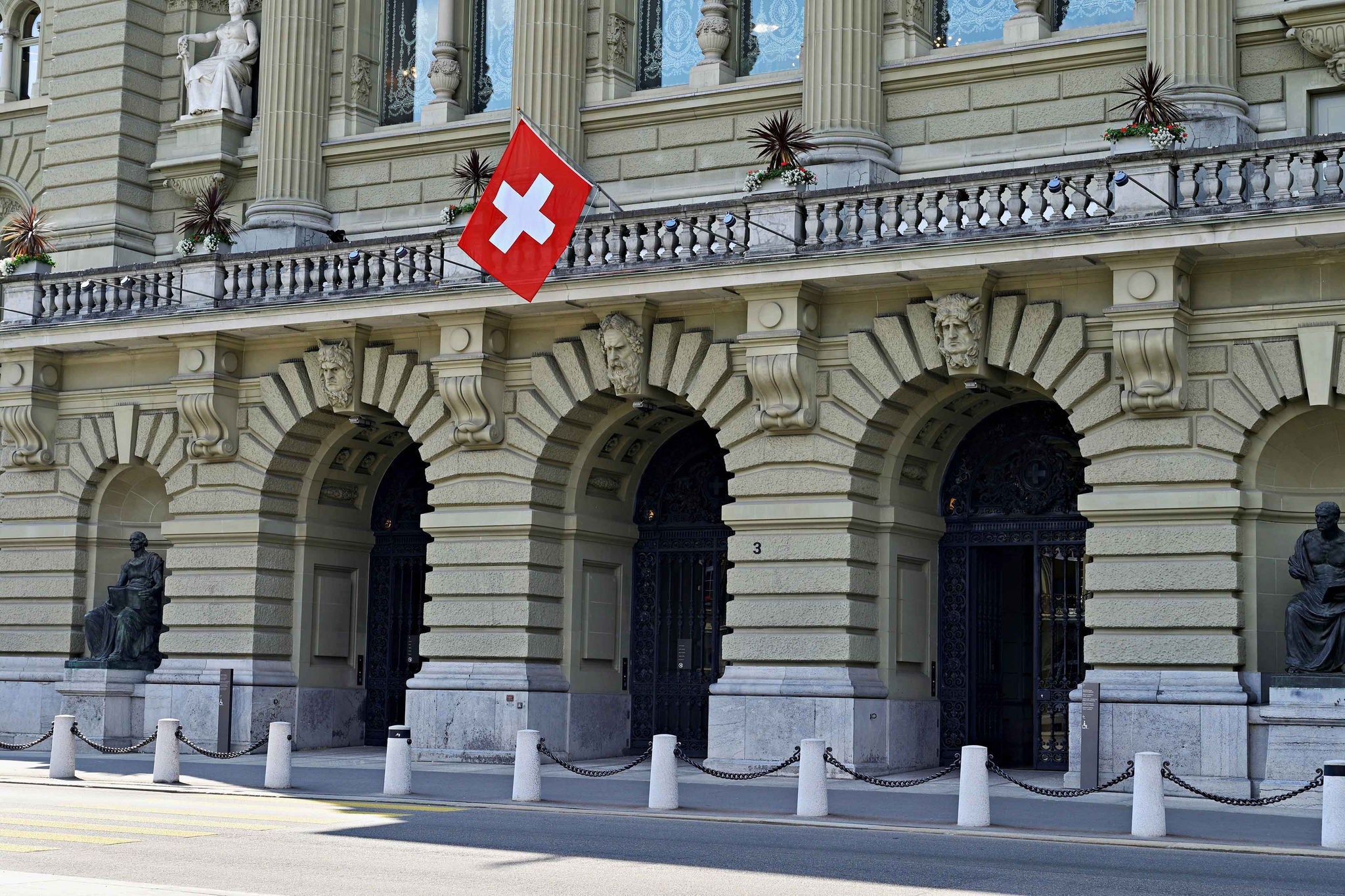
Entrance portal to the parliament building
3

Chapter 3

Regulation, market mechanics & deal structures

What worked in the past – what works today? - Regulatory intervention, financing requirements, and delays are increasingly shaping the realization of real estate projects.

How do tightening framework conditions such as tenant protection, financing requirements and longer approval processes affect your deal structuring today?

Regulatory conditions have become significantly more influential than just a few years ago. Particularly in the residential segment, we observe increasing politicization of this topic. Issues such as tenant protection initiatives, stricter construction and usage regulations and increasingly lengthy approval processes significantly complicate projects.

Building within existing structures is now far more complex than greenfield development. In several projects around Zurich, we have experienced delays averaging one year or more. Additionally, we increasingly observe conflicting requirements from different authorities, without a clear mechanism to prioritize them. While this may be understandable from a democratic perspective, it leads in practice to considerable delays and uncertainties.

From a return perspective, we have so far been able to partially compensate for these delays through flexibility in project structuring. Nevertheless, the situation remains unsatisfactory from a macroeconomic standpoint as housing supply – where it is most urgently needed – is becoming increasingly difficult to deliver.

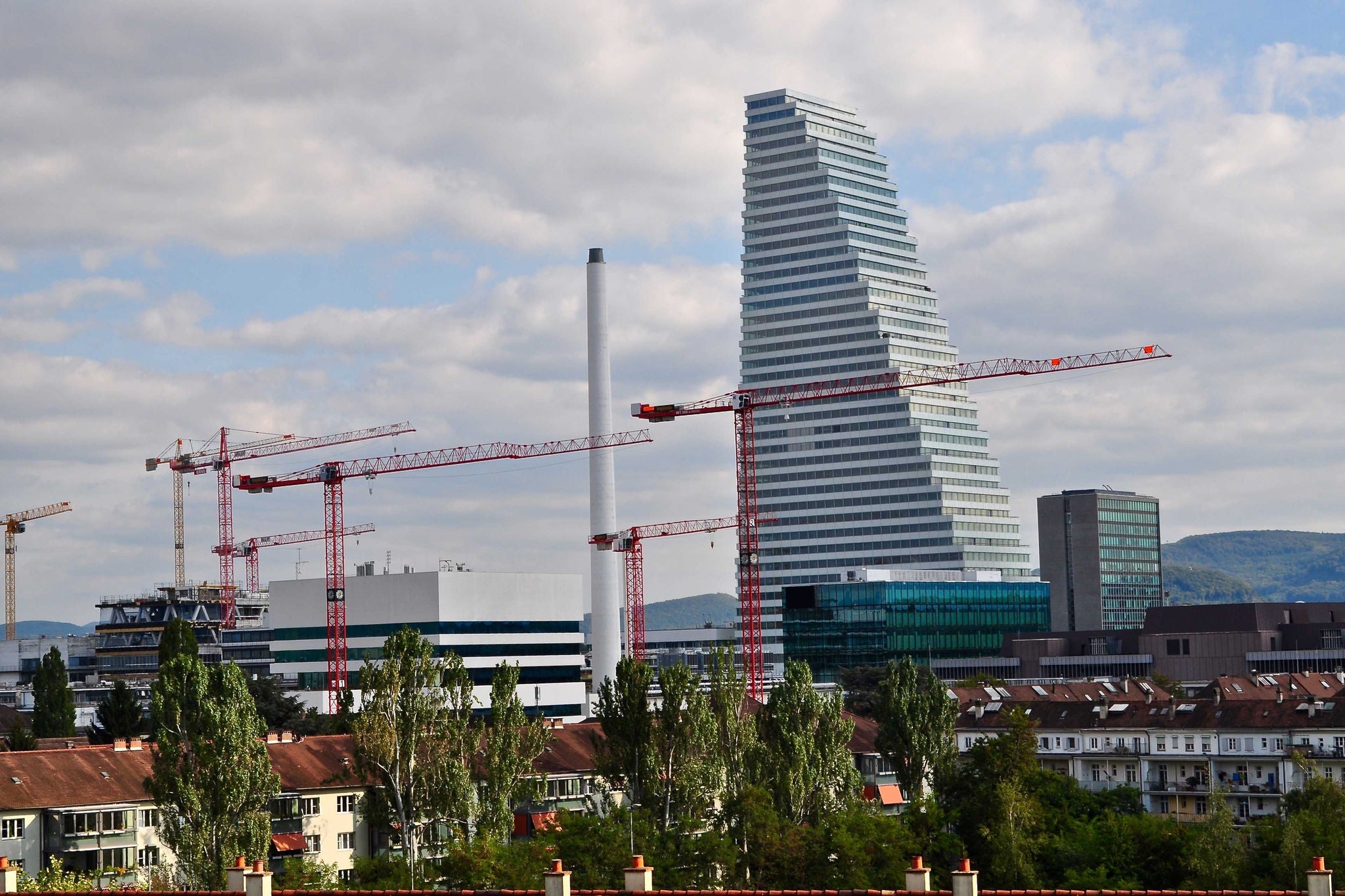
Hausdächer in Basel mit Baukranen, Hochhäuser und Roche Tower
4

Chapter 4

SFPF multi-product offering – strategic flexibility

Flexibility as a competitive advantage: The multi-product strategy strengthens selectivity, flexibility and the targeted placement of transactions.

How do you apply your multi-product structure in the day-to-day investment process, particularly in the selection and allocation of transactions?

The key advantage emerges when investment opportunities enter the market. Around 85% of our opportunities now come through structured bidding processes. Internally, we replicate these processes by having the responsible product or portfolio managers compete against it based on their respective investment profiles. The vehicle with the best strategic fit and highest willingness to pay is granted internal exclusivity to pursue the deal.

While operationally demanding, this approach ensures that investments are not driven by capital pressure but are allocated where they make the most sense on a risk-adjusted basis. At the same time, our multi-product structure enables us to respond very flexibly to market changes and to place opportunities precisely where they best fit within the respective product profile.

Have there been situations where this product diversity enabled you to execute deals that would not have been possible in a single-vehicle organization?

Yes, such situations do occur. Particularly for more complex opportunities – such as portfolios with highly diverse use types or development characteristics – our product flexibility is a clear advantage. In a single-vehicle structure, such opportunities would either have to be declined or forced into a suboptimal strategic fit.

Thanks to our structure, we can act in a highly differentiated manner. In some cases, an opportunity is even split across multiple products or further developed before determining the appropriate long-term "owner". While this increases internal complexity, it clearly enhances quality and long-term performance.


Zurich University
5

Chapter 5

Capital flows & investor behavior

Institutional versus private investors: Capital remains available, but investors are becoming more selective and are placing greater attention on structure, risk and transparency.

How have capital flows and risk appetite evolved among institutional and private investors?

Our investor base is clearly institutional, and this has not fundamentally changed in recent years. Pension funds remain the dominant group and continue to view real estate as a stabilizing portfolio component. In many cases, we even observe a willingness to slightly increase real estate allocations as other asset classes are perceived as more volatile or less predictable.

Among private investors, the picture is more mixed. During the COVID-19 period, private investors were very active and, in some cases, more opportunistic. While we now see renewed interest, particularly in listed vehicles, we do not observe a structural shift. Overall, institutional capital remains the primary driver of our business.

Are investors becoming more selective in terms of usage types, product structures or investment horizons?

Yes, definitely. The days of relatively indiscriminate capital deployment are over. Investors are now very discerning – both in terms of asset use and product structure. Topics such as liquidity, transparency, risk profile and regulatory alignment carry significantly greater weight in comparison to the past.

We also observe more clearly defined investment horizons. Nowadays, not every product must follow a traditional buy-and-hold approach. The success of our L-QIF demonstrates that there are investors willing to accept alternative risk-return profiles, provided the investment case is clear and compelling.

Bern, Switzerland - A picturesque view of the old city and Aare river.
6

Chapter 6

Capital allocation, independence and "quality over growth"

Prioritization in a challenging environment: Disciplined capital allocation and targeted development of existing assets are securing sustainable growth in a demanding market environment.

How do you currently prioritize between acquisitions, asset management and balance sheet management in an environment of high capital pressure and rising asset prices?

Each of our products follows its own investment case; this is a key point. However, at an overarching level, we maintain a very clear stance on capital allocation, particularly regarding LTV management. We use debt deliberately but avoid operating close to regulatory thresholds. From our perspective, a sound LTV is a strategic instrument, not an objective in itself.

In practice, this means we primarily grow through acquisitions of standing assets as they generate immediate income. At the same time, we invest selectively in existing portfolios to renew assets and actively manage their lifecycle. Depending on the product, this may mean fewer acquisitions and increased focus on renovations or repositioning. For us, growth is only meaningful when it is achieved qualitatively.

What role does SFPF’s independence play in this context?

Our independence provides flexibility but also comes with responsibility. Unlike some market participants, we cannot rely on internal asset transfers. This means we must prove ourselves in the market with every investment.

At the same time, this structure ensures that we remain closely aligned with market conditions and that our acquisitions withstand genuine competition. We do not see this as a disadvantage – on the contrary: In recent years, it has demonstrated that we can invest successfully even under challenging market conditions, provided we remain disciplined.

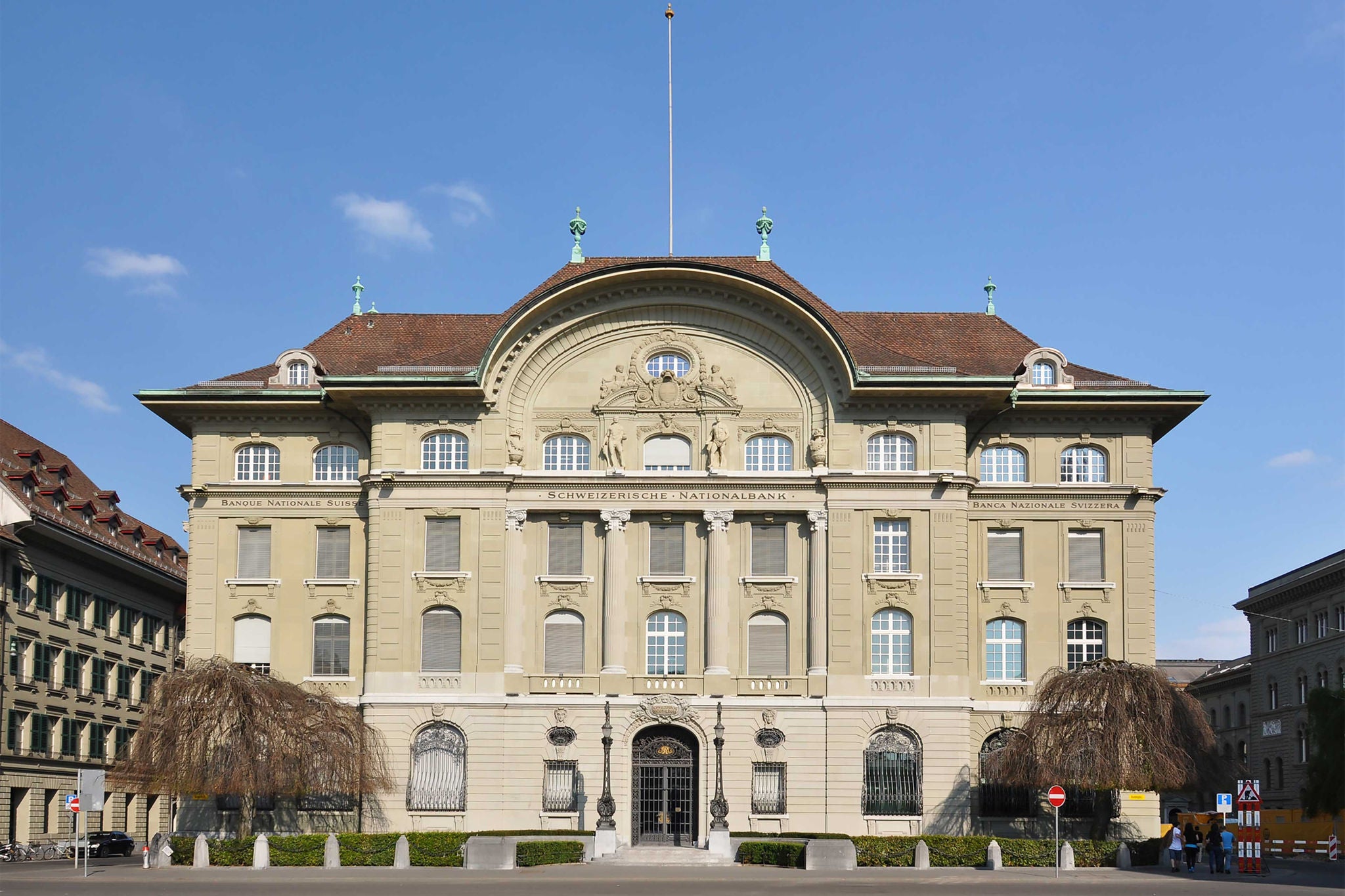
National Bank of Switzerland in Bern
7

Chapter 7

Financing and interest rate strategy

Flexibility versus security: Financing strategies are increasingly moving between long-term security and the need for operational flexibility.

How has your financing strategy evolved in light of the current low interest rate environment and higher margins?

Even though policy rates remain low, effective financing costs have increased. This is due to several factors, including regulatory requirements such as Basel III and generally higher margin sensitivity among banks. Additionally, consolidation in the banking sector has had a noticeable impact on lending conditions.

Against this background, we assume that interest rates will remain stable or trend upward over the long term rather than returning to significantly negative levels. Accordingly, we are increasingly securing financing on a long-term basis. At the same time, flexibility is essential – particularly during growth phases, where short-term financing capacity is necessary for us to remain agile. It is a constant balancing act between security and flexibility.

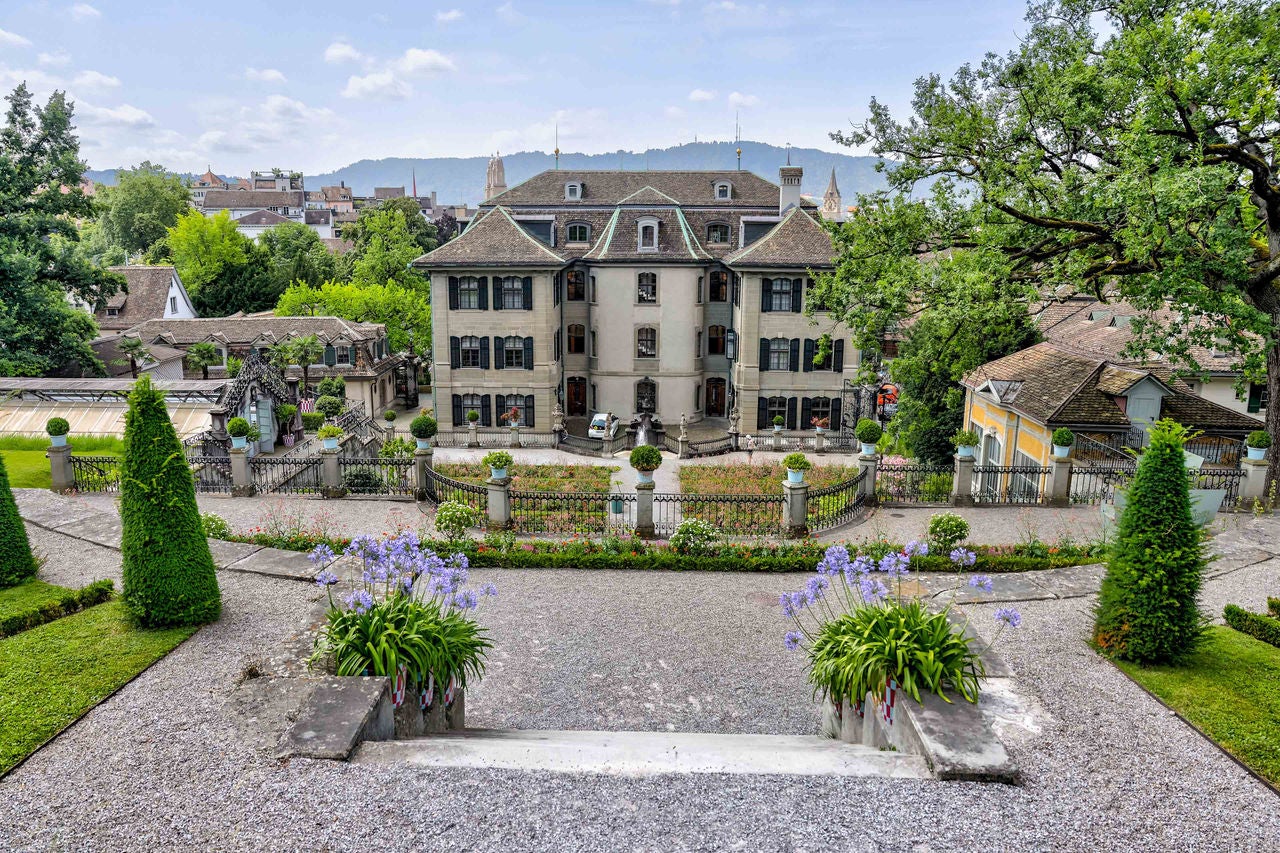
Historic colorful buildings lining Lindenhof hill in Zurich
8

Chapter 8

Structure and asset classes in the Swiss real estate market

Segment attractiveness and demand: The structural strength of the residential sector remains intact, while alternative segments are gaining importance.

Is the traditional dominance of the residential segment still sustainable, or is attractiveness shifting toward other sectors?

From our perspective, the residential segment remains clearly dominant. This attractiveness is structurally driven and has persisted for decades. Immigration, supply shortages and consistently strong demand ensure that the segment remains very stable.

In addition, we observe very stable cash flows in office and commercial spaces driven by SMEs. These uses are less exposed to major political or global trends than certain industrial sectors. Logistics and data centers are key focus areas internationally but remain niche segments in Switzerland due to limited availability of land and high entry requirements.

Panorama image of village Wegis, lake Lucerne (Vierwaldstatersee
9

Chapter 9

Outlook and priorities

Timing, risks and underestimated dynamics: Ensuring quality, existing asset development and strategic flexibility are shaping the priorities of the coming years.

What are the three key priorities for SFPF over the next 12 to 24 months?

First, we aim to position our products through further performance improvements without diluting them. Quality standards remain high, even as the market has become more challenging. Second, we see significant potential in systematically leveraging structural opportunities within existing portfolios. Switzerland is largely built out and value creation increasingly occurs through the intelligent redevelopment of existing structures. Third, it is essential to preserve our strategic flexibility – financially, organizationally and structurally. In an environment of increasing regulation and uncertainty, flexibility is a critical competitive advantage.

Thank you for the discussion.


Summary

The Swiss real estate market continues to be characterized by strong capital availability while simultaneously facing increasing regulatory pressure and structural supply shortage. This constellation is intensifying competition for suitable assets and increasing requirements for selection, product design and risk management. Investors are acting more selectively and placing increasing emphasis on transparency, structure and clearly defined investment profiles. At the same time, topics such as the repositioning of existing assets, disciplined capital allocation and flexible financing strategies are gaining importance. Overall, the market is defined by quality, adaptability and strategic clarity as key success factors.

Acknowledgement

Many thanks to Nadja Lewandowski, Sina Gruber and Annabell Nachbaur for their valuable contribution to this article.


Related articles


About this article

Authors

Request for proposal (RFP) - exclusively for Switzerland

|

Submit your request now!