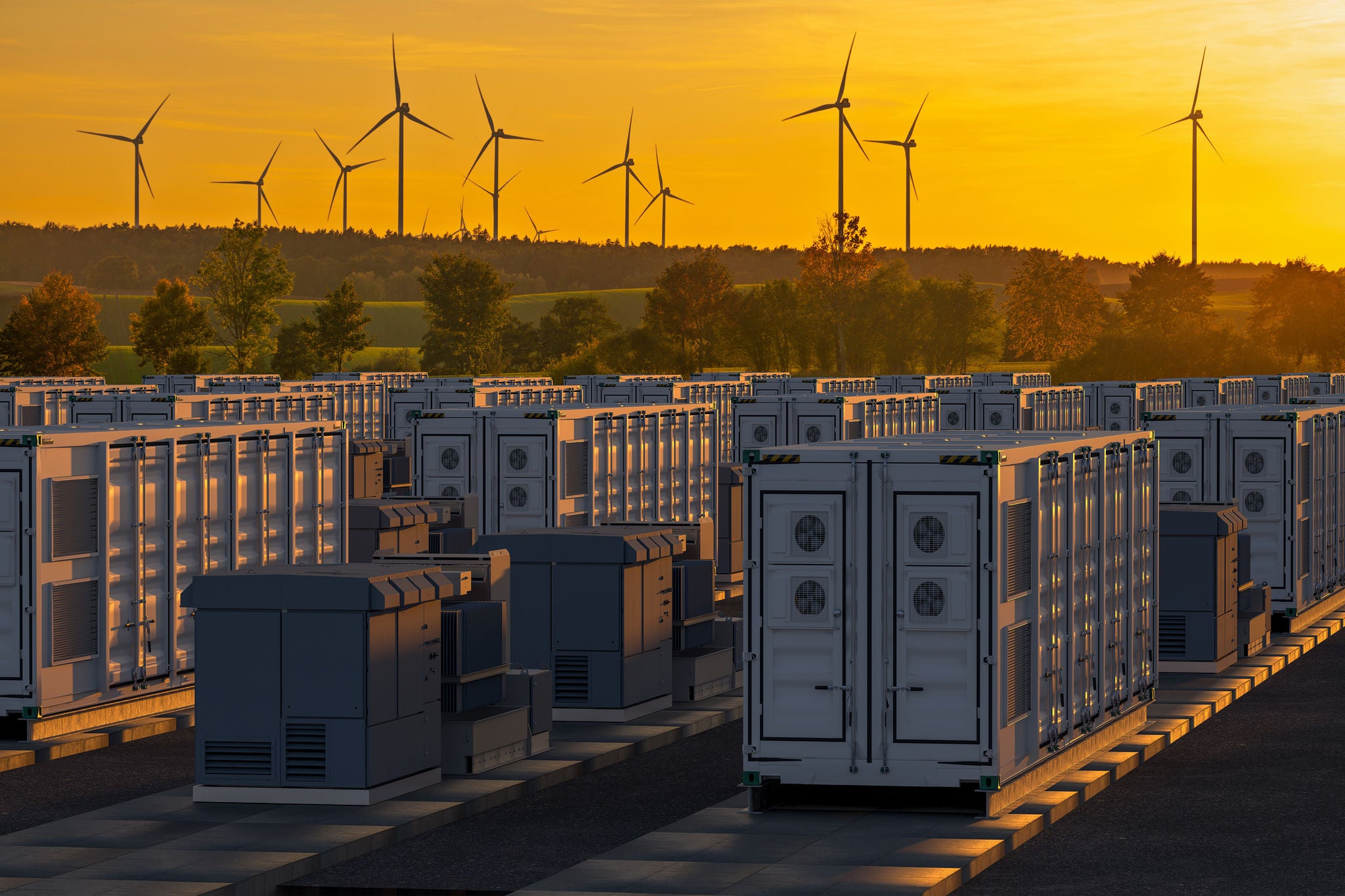
For years, India's energy transition has been defined by record-breaking renewable capacity additions. Today, however, the conversation is shifting from generation to storage. As solar and wind account for an increasing share of electricity supply, the ability to store energy and dispatch it when needed is becoming one of the most important pillars of the country's power system.
The emergence of the Battery Energy Storage System (BESS) ecosystem reflects this transition. What began as a series of pilot projects, telecom backup systems and microgrid applications has evolved into a strategic component of national energy planning. According to the report, “India’s BESS market: A shift from tendered capacities to bankable execution”, the Central Electricity Authority’s planning framework has created a pathway for large-scale storage deployment, transforming battery storage from an experimental technology into a mainstream infrastructure asset.
Yet beneath the optimism lies a more important question: can India execute?
The answer may determine whether the country realizes its ambitious energy storage objectives or joins the long list of infrastructure markets where announced capacity far exceeds commissioned capacity.
What is driving India's BESS market growth?
The evolution of BESS in India can broadly be described in three phases. The first was characterized by experimentation. The second was driven by policy support, including viability gap funding, procurement frameworks and transmission incentives. The third phase, now underway, focuses on execution and financial discipline.