India’s energy ecosystem is entering a defining phase. Demand growth and transition are advancing together, while geopolitical volatility is sharpening the focus on energy security in India, diversified sourcing and resilient supply chains. Conventional energy is likely to remain essential, even as new energy solutions and digital technologies create pathways for decarbonization, reliability and value creation. A useful way to understand this opportunity is through a 3×3 matrix. It connects three major consumption sectors, transportation, electricity and manufacturing, with three value lenses: core energy, new energy and new tech. This demand-led view moves beyond conventional supply-side categories and shows where infrastructure, customer behavior, capital allocation and operating models are changing simultaneously. Each intersection presents a distinct opportunity to defend existing value, build resilience, invest in emerging solutions or transform operations. Viewed through this lens, India’s energy ecosystem highlights how infrastructure, capital and innovation are converging to shape the future of energy in India.
Transportation is evolving from a fuel-consuming sector into a participant in wider energy and digital ecosystems. Liquid fuels are expected to anchor mobility, particularly heavy transport, while gas, electric vehicles, hydrogen and biofuels expand the range of available pathways. For energy companies, the opportunity is not limited to selling a different fuel. Fuel stations can become multi-service hubs that combine conventional fuels, charging, CNG, convenience retail, fleet services and digital payments. This evolution of EV energy infrastructure in India reflects the broader energy transition in transportation. AI can further improve routing, predictive maintenance, demand forecasting and customer engagement, demonstrating the growing role of AI in the energy sector and the wider digital transformation of energy systems.
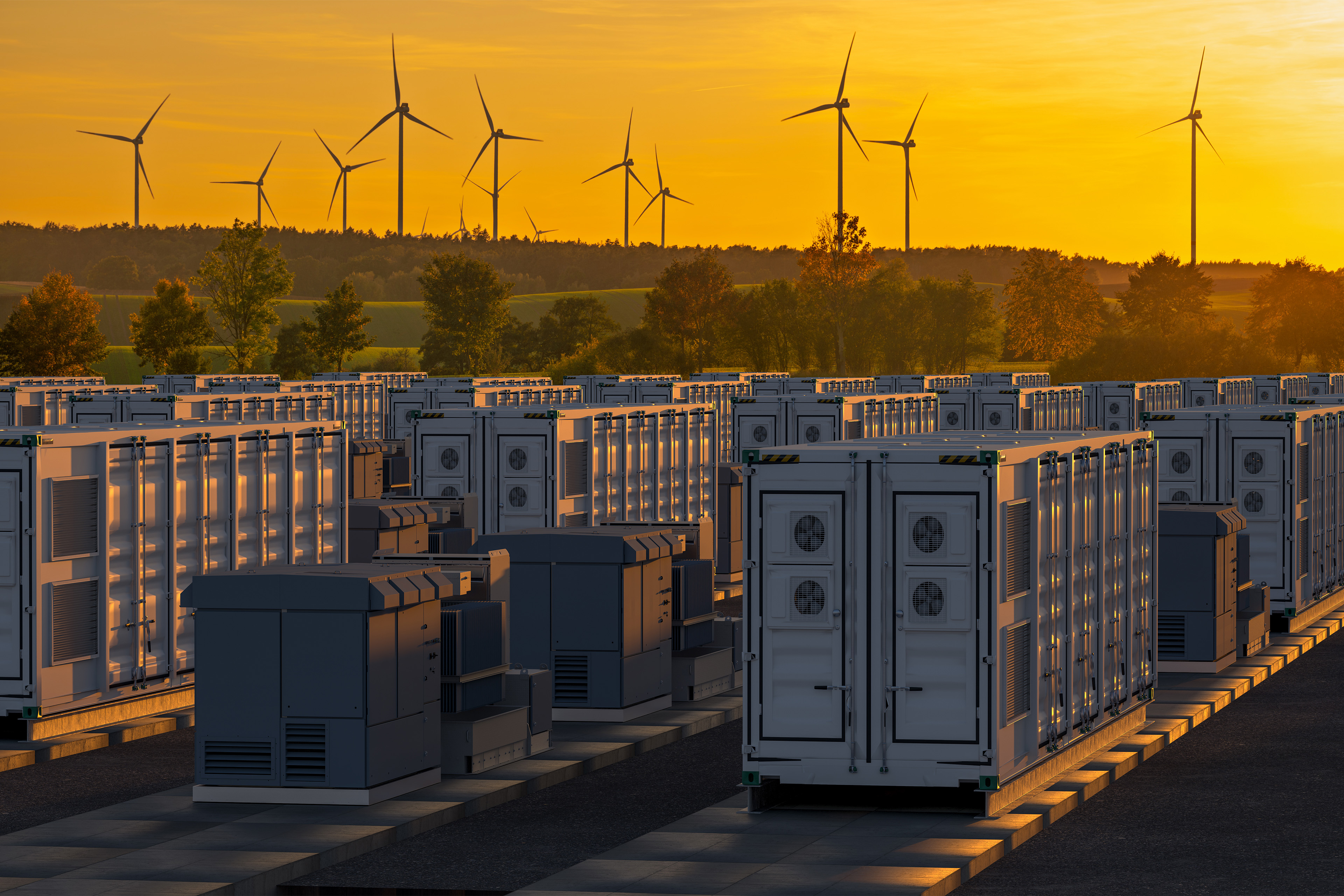
Electricity is becoming the central nervous system of the energy economy. It increasingly connects transport electrification, industrial decarbonization and digital infrastructure. Coal and thermal power are expected to continue providing firm, dispatchable capacity as renewable generation grows. The priority is therefore coexistence: improving thermal flexibility and efficiency while scaling renewable energy capacity across India, including solar, wind, storage, hydro and nuclear capacity. The next phase of renewable growth will depend less on capacity additions alone and more on integration. Transmission, battery energy storage systems, pumped hydro, forecasting and flexible dispatch are likely to be critical to balancing intermittency and meeting rising electricity demand in India. Smart meters, digital grids and AI-led asset monitoring can improve visibility, reduce losses and strengthen reliability. The expansion of smart grids and energy storage solutions will therefore be central to the ongoing transformation of India’s power sector. Cybersecurity and remote monitoring are also likely to become important resilience layers as the power system grows more connected.
Manufacturing presents a different challenge. Energy-intensive industries require reliable, cost-competitive power and high-temperature heat today, while also preparing for lower-carbon production. Captive power, thermal energy and petrochemicals are expected to remain integral to industrial growth. At the same time, green hydrogen projects in India, renewable sourcing, bioenergy, storage-backed power and carbon capture can support industrial decarbonization in India and advance the broader clean energy transition, particularly in hard-to-abate sectors. Resilient access to fuels, feedstocks and logistics, supported by stronger energy supply chain resilience, is expected to remain closely linked to industrial competitiveness.