Malta Future Realised 2026

EY Malta Attractiveness Survey 2026

Malta's FDI attractiveness remains broadly stable, with telecommunications infrastructure emerging as a leading advantage.

EY Malta Attractiveness Survey 2026 finds 81% of investors consider Malta attractive, although skills and infrastructure constraints persist.

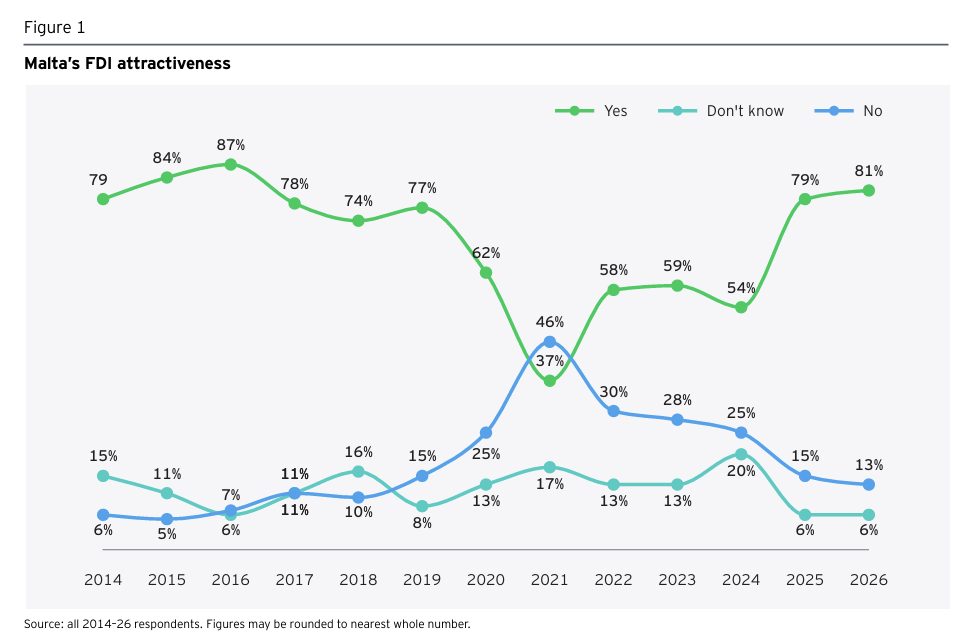
  • 81% rate Malta as attractive for FDI, compared with 79% in 2025.
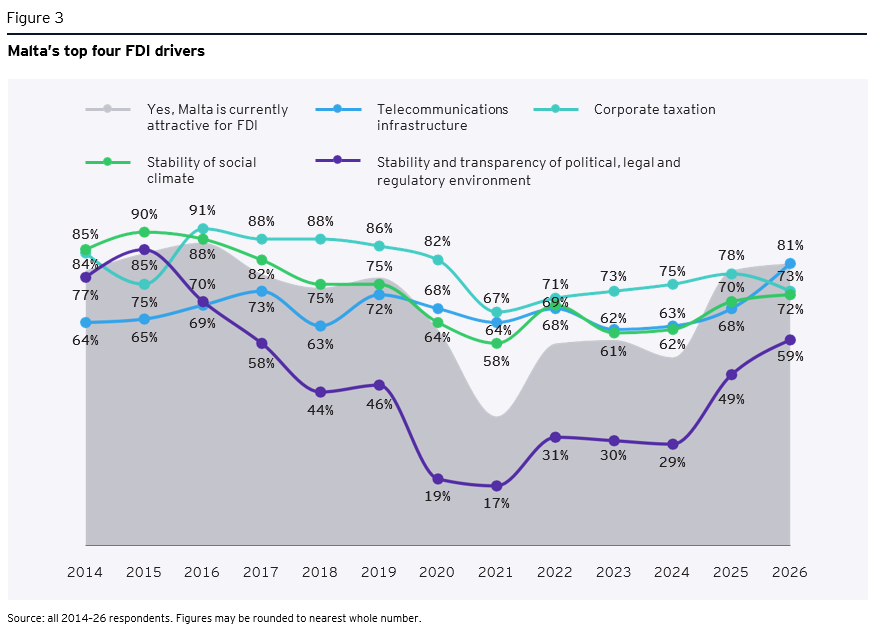
  • Telecommunications infrastructure ranks first for the first time in the survey’s 22-year history, at 81%, compared with corporate taxation at 73%.
  • 90% plan to maintain or expand their Malta operations over the next 12 months, with most expecting to maintain current activity.
  • 84% favour quality-led socioeconomic development
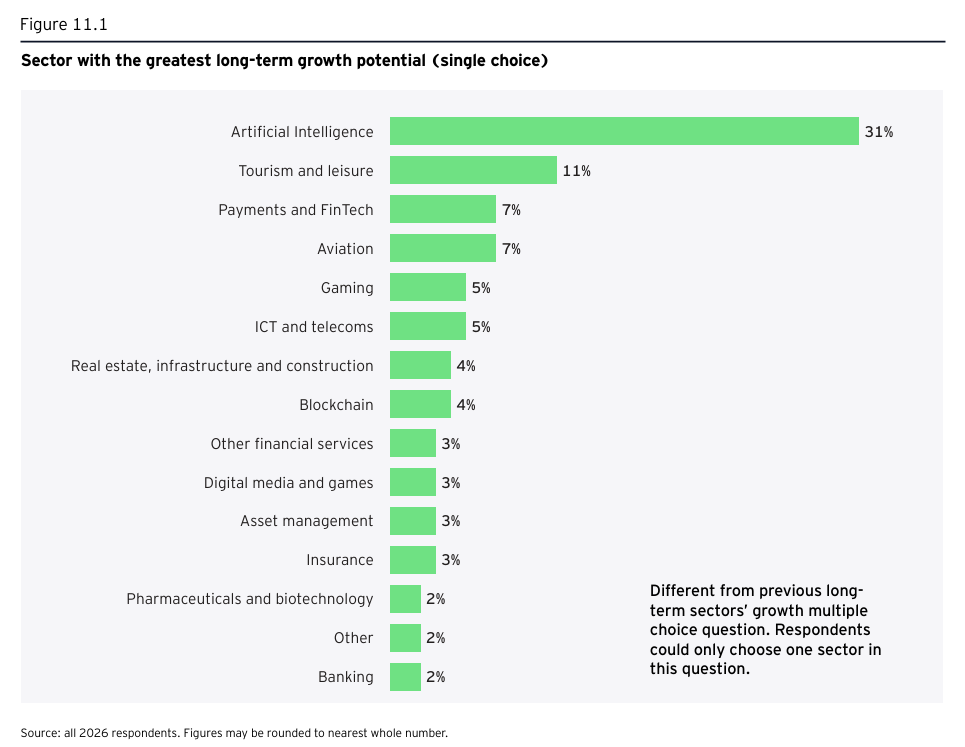
  • AI is the most frequently selected single long-term growth sector, chosen by 31% of investors.
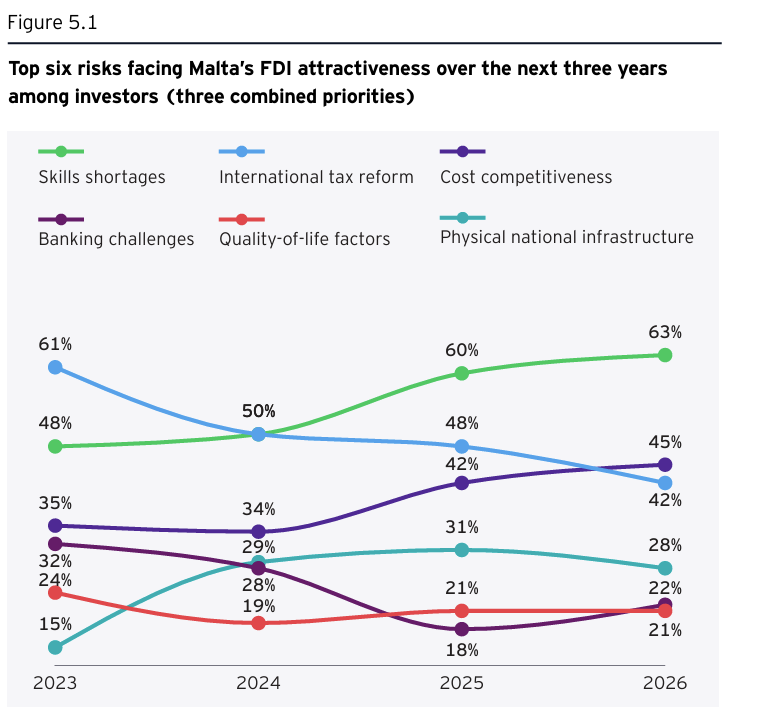
  • 63% identify skills shortages among the three biggest risks to Malta’s FDI attractiveness.

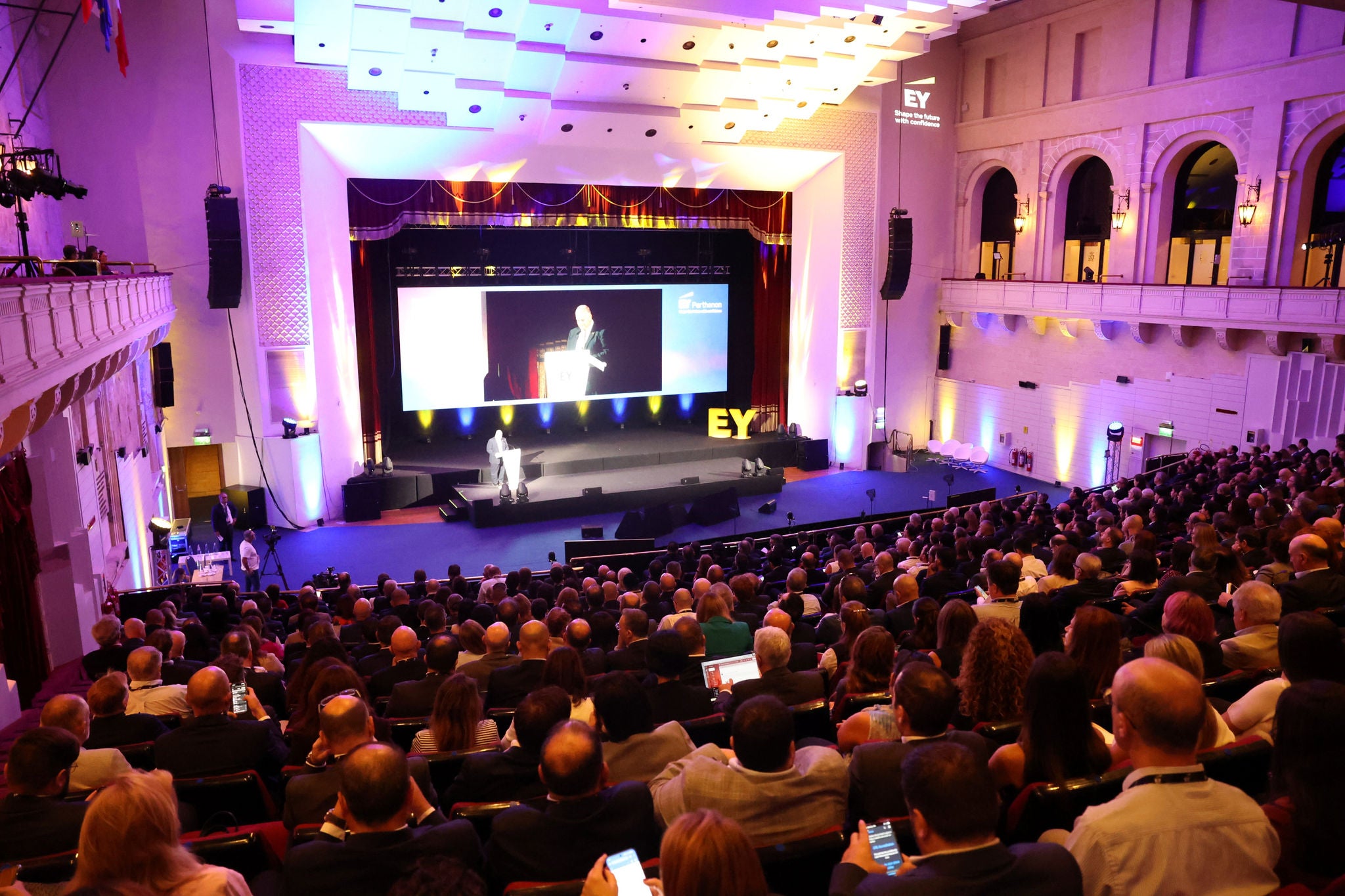
Valletta, 21 October 2026 - Investor perceptions of Malta remain broadly stable, with 81% of foreign investors rating the country as attractive for foreign direct investment. The findings were published today in the 22nd edition of the EY Malta Attractiveness Survey, launched at Future Realised 2026 business and investment forum at the Mediterranean Conference Centre in Valletta.

The 2026 results indicate a change in the factors supporting Malta’s investment proposition. For the first time in the survey’s history, telecommunications infrastructure has overtaken corporate taxation as the country’s highest-rated attractiveness factor. Telecommunications infrastructure is rated positively by 81% of investors, compared with 73% for corporate taxation and 72% for the stability of the social climate.

The survey nevertheless presents a conditional outlook. Foreign investors remain committed to Malta, but increasingly link the country’s future competitiveness to its ability to address skills shortages, infrastructure capacity, rising costs and quality-of-life pressures. Transport and logistics infrastructure is rated attractive for FDI by only 14% of respondents, while 57% consider Malta’s infrastructure planning and preparedness for population growth inadequate or very inadequate.

n/a

Confidence holds, but expectations are changing

Malta’s overall attractiveness reading increased marginally from 79% in 2025 to 81% in 2026. In relative terms, 78% of investors now consider Malta as attractive as, or more attractive than, other European investment locations. The share rating Malta as more attractive than European peers rose from 26% to 38%, while the share rating it less attractive declined from 25% to 19%.

Near-term intentions remain relatively steady. Ninety percent of respondents intend to maintain or expand their Malta operations over the next 12 months, of which  59% plan to maintain and 31% plan to expand. Among companies planning expansion, the natural extension of existing operations remains the leading reason

The longer-term picture is more layered Sixty percent expect to remain in Malta in 10 years, broadly in line with 61% in 2025. The proportion unable to commit to that horizon increased to 38%, while only 2% said they did not expect to remain.

From tax advantage to digital capability

The rise of telecommunications infrastructure to the top of the attractiveness scoreboard suggests a shift in how investors assess Malta. While taxation remains an important part of the country’s proposition, investors increasingly value the connectivity, resilience and digital capabilities that enable modern services and technology-led operations.

The results also underline the need to protect and extend this advantage. Cybersecurity is the leading area where investors want additional regulatory support, cited by 29%, closely followed by AI and machine learning at 28% and digital skills at 22%. Around 40% of companies are either exploring, planning or already undertaking investment in 5G, the Internet of Things and edge computing over the next three years.

n/a

AI ranks as Malta’s leading single long-term growth opportunity

When investors were asked to select all sectors expected to drive Malta’s long-term growth, gaming ranked first at 60%, followed closely by artificial intelligence at 59% and tourism and leisure at 58%. AI recorded the strongest year-on-year rise among the leading sectors, increasing by 12 percentage points, with digital media and games also seeing an increase of 11% over last year’s results.

When respondents were required to choose one sector with the greatest long-term growth potential, AI ranked first at 31%, ahead of tourism and leisure at 11%, payments and FinTech at 7%, and aviation at 7%. Eighty-seven percent expect AI to support economic growth, including 58% who believe it will enhance productivity across sectors while maintaining Malta’s existing economic model.

Talent remains the main barrier to this opportunity. Thirty-five percent identify a lack of specialised talent as the biggest constraint to AI adoption, ahead of limited business value, resistance to change, investment costs, data challenges and regulatory burdens.

n/a

Skills, costs and physical capacity remain the pressure points

Skills shortages remain the most frequently cited risk to Malta’s FDI attractiveness over the next three years, selected by 63% of investors. Cost competitiveness follows at 45%, ahead of international tax reform at 42%. In parallel, 69% say they cannot recruit the specialised skills they require from the local labour market.

Investors identify education and skills as Malta’s leading priority for remaining globally competitive over the next decade. Developing new economic sectors and improving infrastructure, transport and planning rank joint second, followed by ease of doing business and long-term economic planning.

Infrastructure is a recurring concern across the results. Seventy-four percent say enhancing infrastructure is fundamental to Malta’s success to a large extent, while 63% place similar emphasis on nurturing existing investment. The findings indicate that investors place importance on investment in transport, housing, utilities, energy and digital capacity alongside future growth.

“Investors do not want Malta to grow less. They want Malta to invest more in the housing, transport, utilities and digital backbone needed to grow well. Treat infrastructure as a competitiveness lever, not a social policy.”

Chris Meilak, Partner, EY-Parthenon Malta

n/a

A preference for quality-led growth

The survey shows a preference for quality-led development. Forty-seven percent favour “better and more” growth, combining quality with continued expansion, while 37% favour “better and less”. Together, 84% place improved quality at the centre of Malta’s socioeconomic direction, compared with 14% favouring growth in output alone and 2% favouring less growth.

“Malta continues to be viewed positively by a majority of respondents, although the basis of that attractiveness is evolving. The rise of telecommunications infrastructure to the top of the scoreboard suggests that connectivity, stability and digital capability are becoming more important to Malta’s competitiveness. Maintaining this position will depend on continued attention to skills, physical and digital infrastructure, productivity and responsible AI adoption.”

Ronald Attard, EY Malta and Cyprus Country Managing Partner and EY Europe Central Risk Management Leader

Five areas for Malta’s future competitiveness

  1. Talent and productivity: move from labour-led to productivity-led growth through industry-led skills development, stronger education pathways and targeted access to specialised talent.
  2. Sovereign AI: establish a well-governed national framework that supports responsible innovation, secure data use and credible AI adoption.
  3. Digital infrastructure: support Malta’s highest-rated attractiveness factor through continued investment in connectivity, data centres, computing capability, energy resilience and cybersecurity.
  4. Infrastructure, housing and quality of life: treat transport, utilities, energy and housing capacity as important competitiveness factors and plan ahead of demand.
  5. Malta’s international brand: continue to develop and communicate Malta’s stability, EU access, rule-of-law credentials and ability to offer a high-quality base for international investment.

About the EY Malta Attractiveness Survey 2026

The EY Malta Attractiveness Survey 2026 is the 22nd edition of the annual research initiative. It captures the views of senior executives at international companies operating in Malta. The 2026 study was conducted during May and June 2026 and is based on 129 completed responses from C-suite and equivalent senior executives across financial services, gaming and digital media, manufacturing and logistics, tourism and hospitality, professional services, technology, aviation and energy. The full Malta Attractiveness Survey 2026 report and findings are available to download here.

About EY

EY is building a better working world by creating new value for clients, people, society and the planet, while building trust in capital markets.

Enabled by data, AI and advanced technology, EY teams help clients shape the future with confidence and develop answers for the most pressing issues of today and tomorrow.

EY teams work across a full spectrum of services in assurance, consulting, tax, strategy and transactions. Fueled by sector insights, a globally connected, multidisciplinary network and diverse ecosystem partners, EY teams can provide services in more than 150 countries and territories.

All in to shape the future with confidence.

Media contact

EY Malta
T: +356 2134 2134
E: ey.malta@mt.ey.com

About this article