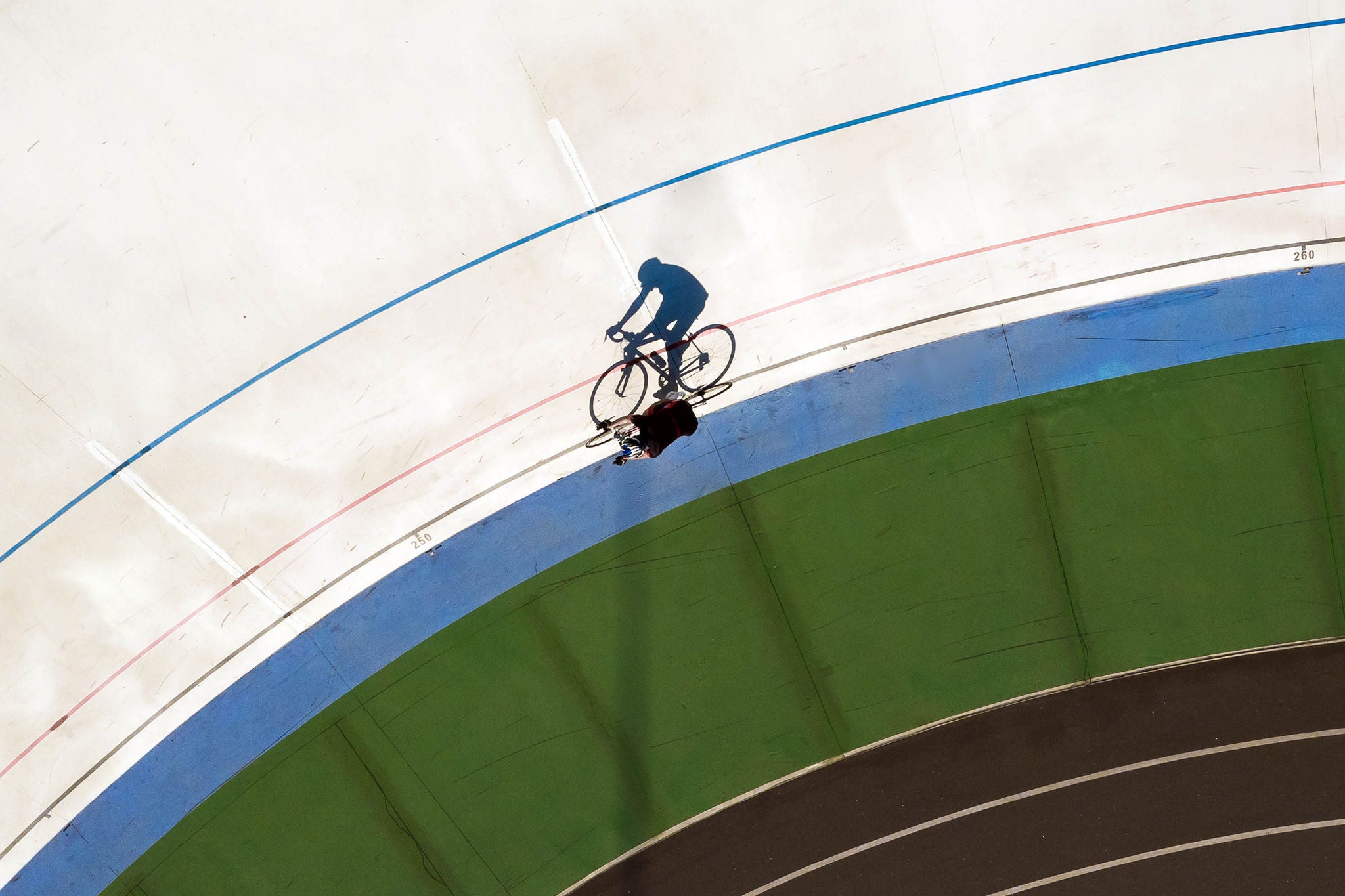
For leaders with sports backgrounds, the next edge may not come from greater discipline, but from using support systems to broaden perspective, challenge assumptions and build the adaptability today's business environment increasingly demands.
“There is a misconception that high-performance athletes are simply more disciplined, more resilient, more committed to their goals than other people. But in reality, athletes have a whole ecosystem of people and support that makes a huge difference to them,” says Julian Nunez Corredor, Founder and CEO of RoloBike Training Systems and Coach Expert at Union Cycliste Internationale.
“At the center is the athlete, but around them you have a head coach orchestrating physiologists, mechanics, nutritionists, physiotherapists and others. The head coach connects all these professionals, making sure the training, the body, the equipment and the recovery are aligned. And it is the communication between these professionals that really makes the difference at high performance levels. When everything goes well, people only see the athlete. But when something goes wrong, that support team is there to say, ‘we are here for you — let’s work it out.’”
For leaders without a sports background, the opportunity is different, but equally clear. Adopt the strengths of sport: clearer roles, stronger routines, better team mobilization and more consistent performance feedback, while preserving the adaptability, empathy and strategic foresight that already distinguish their approach.
The strongest leadership teams are neither purely sports-led nor purely business-led. They combine the strengths of both: disciplined enough to execute, adaptable enough to change, confident enough to lead and reflective enough to keep learning.
Conclusion
As organizations navigate AI, transformation and sustained uncertainty, competitive advantage will depend less on individual leadership excellence and more on whether executive teams combine the complementary capabilities needed to thrive.
The future belongs not to leaders who think alike, but to leadership teams that combine discipline with adaptability, confidence with empathy and execution with foresight.
Five performance leadership actions
- Use discipline to improve leadership performance: Build repeatable routines, clear roles and real-time feedback systems that help teams execute consistently under pressure.
- Protect adaptability inside the performance system: Use planning to build confidence, not false certainty, and regularly test where routines may be creating rigidity.
- Balance rapid mobilization with rigorous diagnosis: In a crisis, stabilize people and systems quickly while identifying root causes clearly enough to reduce the risk of repeat failure.
- Treat recovery as part of sustainable high performance: Prioritize deliberate time for reflection and recovery so leaders and teams can keep performing through prolonged pressure.
- Expand the communication range required to lead under pressure: Pair clarity and confidence with empathy, transparency, and the ability to communicate difficult news effectively.
FAQ: High-performance leadership