Recent Searches


Climate and decarbonization
The EY climate and decarbonization services help businesses respond to the physical and transition risks associated with climate change, as well as advise on how to operate in new markets and regulatory environments related to carbon and renewable energy.



What EY can do for you
The decarbonization imperative for business is accelerating. Organizations should actively respond to the possible physical and transition risks and opportunities of climate change. In doing so, they can limit exposure to climate-related risk and position themselves more favorably respond to associated opportunities. As pressure from a range of stakeholders focuses attention on these issues, they are increasingly being driven up the boardroom and executive agenda.
For directors and business leaders, climate risks and opportunities can be more than a reporting or disclosure matter. At a time when political will and global public opinion are focused on profound climate action, climate risks and opportunities should be front and center for organizations as they plan their future growth strategies.
EY teams can help organizations on their decarbonization journey as they seek to:
- Identify potential climate risks and opportunities
- Develop and implement climate strategy
- Communicate performance with stakeholders
This can include assisting with:
- Carbon footprinting
- Climate risk and opportunity assessments, both qualitative and quantitative
- Climate change scenario analysis and stress testing
- Quantifying financial consequences of climate risks
- Corporate and climate change strategy advice
- Portfolio optimization advice at the business unit or whole-of-business level
- Embedding a shadow carbon price into Capex and Opex decisions
- Supply chain decarbonization advice
- Marginal abatement cost curves
- Disclosure preparation advice
- Assurance (over data and disclosures)
- Task Force on Climate-Related Financial Disclosures (TCFD) report preparation
In addition, EY teams can assist with:
- Green bond advisory and assurance
- Greenhouse gas and energy audits
- Climate risk and vulnerability assessments, including asset impact and impairment modeling
- Investment and debt portfolio risk and opportunity assessments
- Climate change target modeling and setting
- Renewable energy strategies and feasibility analysis
- Energy management, modeling and audits
- Assessing the life cycle of products and services
- Adaptation strategies and processes
- Advice on policy and program development and implementation
EY teams bring together professionals with experience in engineering, science, business, finance and operations, coupled with a deep understanding of specific policy and regulatory requirements.
The transition to a decarbonized future is critical for the long-term resilience of organizations, the economy and the planet as a whole. Wherever an organization is on the decarbonization journey process, EY teams can support them.
Our latest thinking

Turning climate risk into a growth engine for banks
Discover how Indian banks can monetize climate risks, enabling targeted climate financing across sectors.

How a steel unit transformed safety from compliance to culture
EY collaborated with a leading Indian steel manufacturer to build a digitally enabled safety model, achieving a 97% reduction in lost time injury frequency rate (LTIFR).

How Indian industries are adapting to CBAM and carbon pricing
EU CBAM is reshaping Indian exports by pricing carbon, tightening emissions verification and pushing firms to compete on verified low-carbon performance.

Why aviation’s fuel risk is no longer just about jet fuel pricing
Read about how SAF costs and carbon pricing are reshaping aviation’s fuel risk, pushing airlines to adopt integrated strategies for a viable transition.
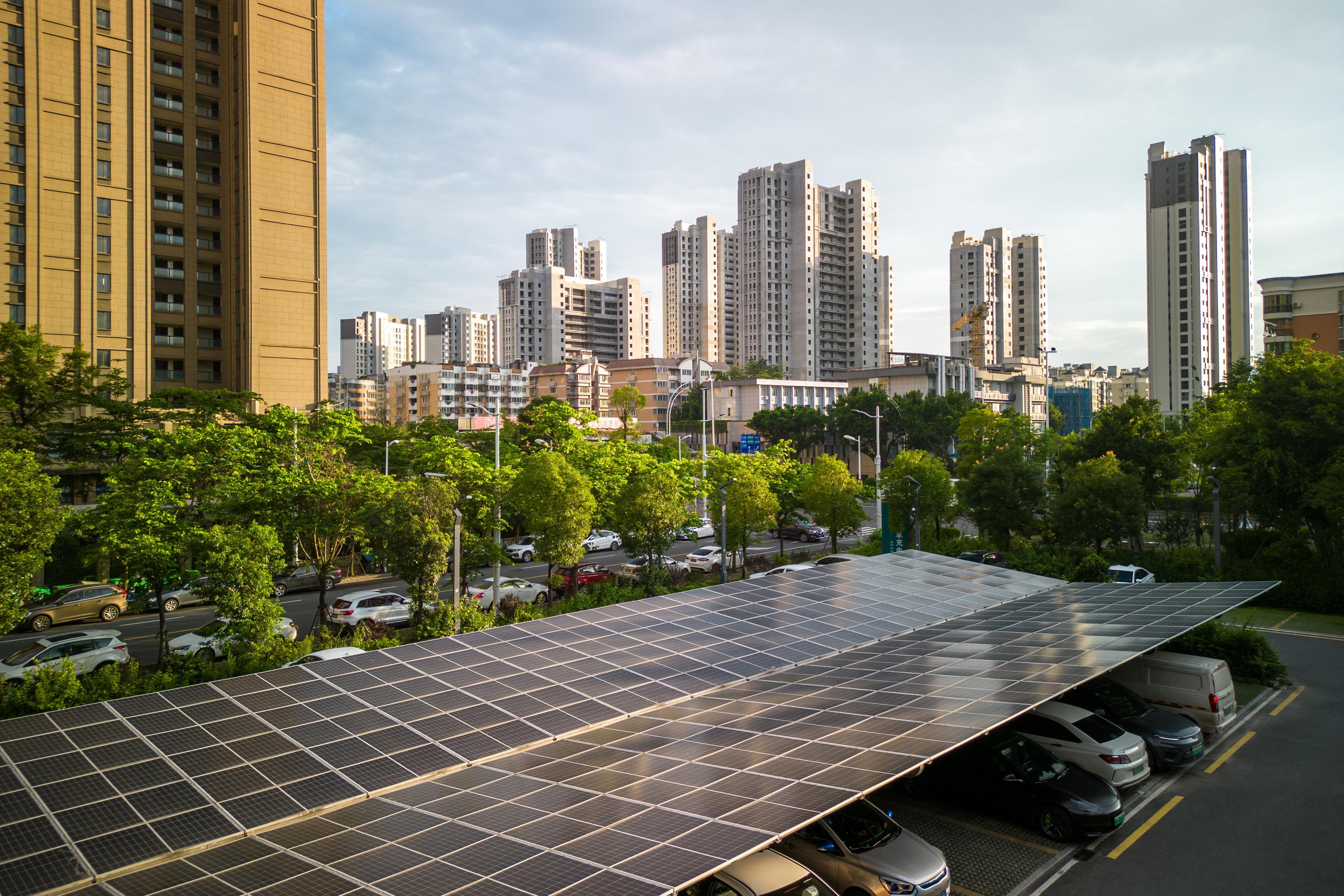
How India can scale sustainable residential real estate
Explore how India can scale green residential housing, covering emissions, financing, certifications, buyer demand, and the role of DFIs in this EY-IFC webcast.
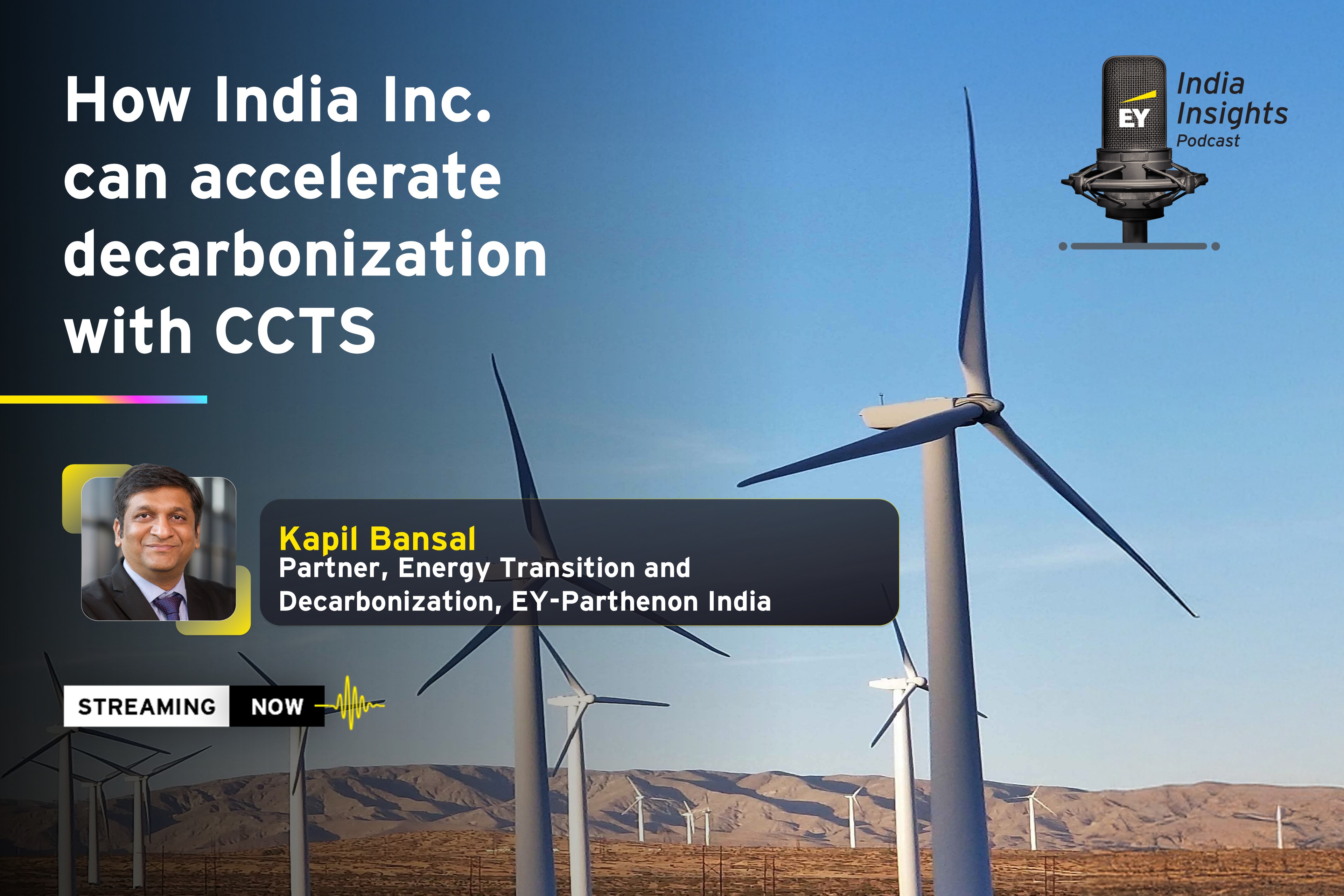
How India Inc. can accelerate decarbonization with CCTS
The Carbon Credit Trading Scheme can enable companies to monetize carbon performance and enhance ESG credibility.

Why sustainable pharma packaging is a strategic advantage
Listen to the latest podcast on how sustainable pharmaceutical packaging is becoming a strategic lever for regulatory compliance, supply chain resilience and decarbonization.

Expectations from Union Budget 2026: Climate-resilient agriculture
The Union Budget 2026 is expected to boost climate-smart agriculture, improve small farmers’ incomes, expand credit access and promote sustainable farming.

How CCTS is accelerating India Inc.’s race to decarbonize
India’s Carbon Credit Trading Scheme drives industrial decarbonization, tightening benchmarks and raising risks for companies delaying low-carbon transition.
Frequently Asked Questions (FAQs)
The team



Direct to your inbox
Stay up to date with our Editor's picks newsletter.