Recent Searches
Trending


Climate Tech Acceleration Services
The transition to net zero is a significant business opportunity. EY and EY-Parthenon Climate Tech Acceleration teams work with scale-ups, investors, corporates and governments to help accelerate climate tech deployment to meet global climate goals.



What Climate Tech Acceleration teams can do for you
Technological innovation and scale-up is required at an unprecedented rate to achieve global net zero goals. It is also one of the biggest business opportunities of the century, with US$3.5t–US$4.0t of investment needed every year until 2050 to achieve global climate ambitions. To unlock the value of these new and innovative climate tech pools, companies and governments must work closely together and think about long-term value creation. Yet key unanswered questions remain: How do we overcome the technical, scaling and economic challenges required to catalyze growth and where does the required investment capital come from?
Advancing climate technology
EY and EY-Parthenon Climate Tech Acceleration teams help climate tech scale-ups, investors, corporates and governments accelerate climate innovation, unlock opportunities and create long-term, competitive advantage. To achieve this, we focus across the following technology areas:
- EVs and batteries
- Energy storage
- Green hydrogen
- Solar and smart grid
- Nuclear
- Carbon capture and removals
- Sustainable materials
- Food systems
- Smart buildings
- Adaptation solutions
Every organization is unique, and so are our solutions. With industry expertise across each focus technology area, we offer capabilities to help meet your specific needs and ambitions.
Our latest thinking

Onwards and upwards: A positive outlook for private credit in India
India's private debt market remains resilient, with sustained demand for structured credit, supporting business growth across sectors.

How India’s nuclear ambition can power the next global clean energy push
Explore India’s 100 GW nuclear ambition, market entry opportunities, financing models and the evolving role of nuclear energy as a strategic pillar.

Rethinking secondary transaction discounts in Indian start-ups
Secondary transactions in Indian startups rarely come at a discount, with most priced in line with primary rounds.
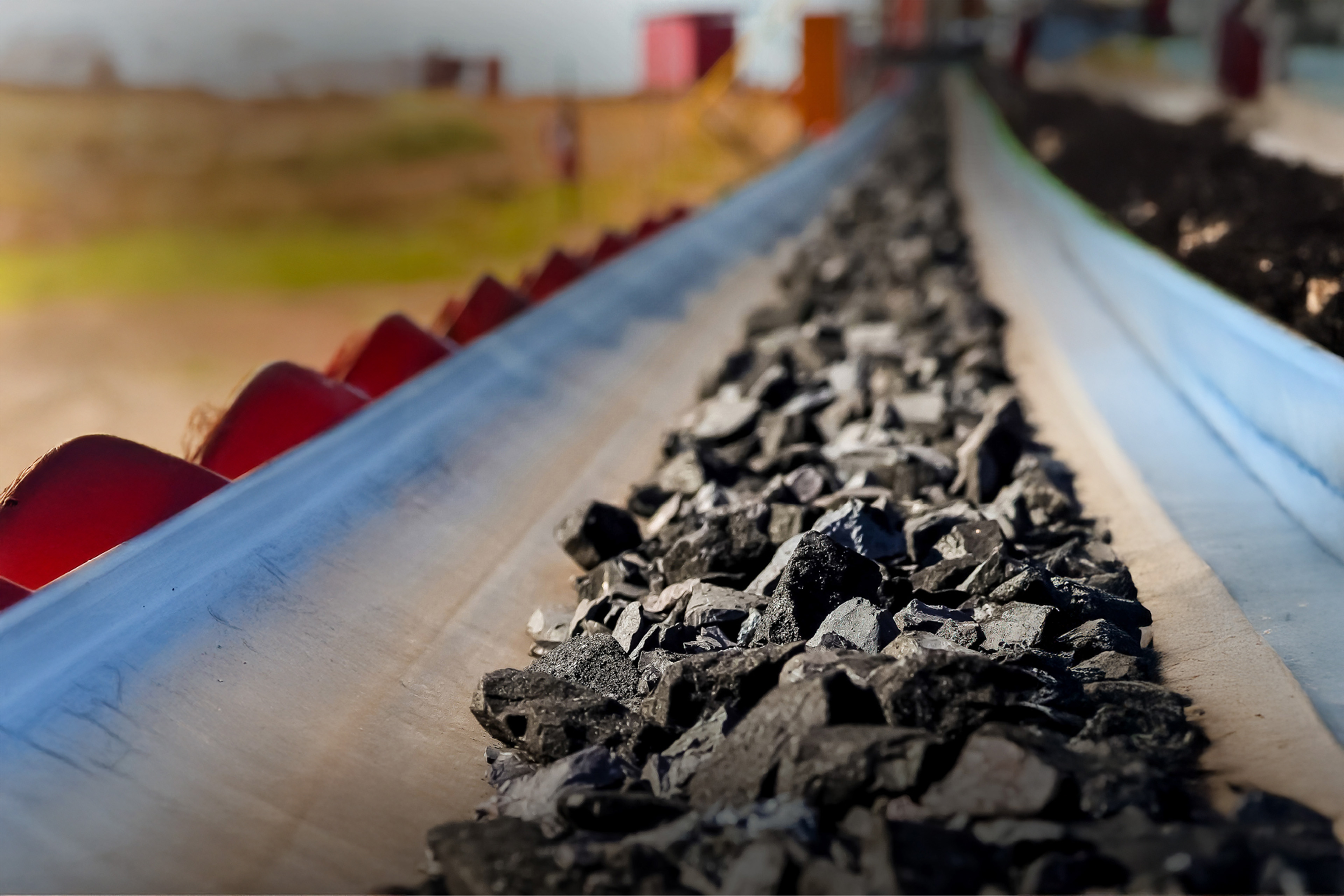
How Indian industries are adapting to CBAM and carbon pricing
EU CBAM is reshaping Indian exports by pricing carbon, tightening emissions verification and pushing firms to compete on verified low-carbon performance.

Why ferrous scrap is becoming a strategic lever for Indian steelmakers
Discover why ferrous scrap is a strategic lever for Indian steelmakers, covering decarbonization, cost stability, supply resilience and policy shifts.

Why aviation’s fuel risk is no longer just about jet fuel pricing
Read about how SAF costs and carbon pricing are reshaping aviation’s fuel risk, pushing airlines to adopt integrated strategies for a viable transition.

How Indian steelmakers can treat ferrous scrap as a strategic resource
Explore why scrap usage is becoming a strategic resource for Indian steelmakers and how its integration can cut emissions, reduce costs and support India’s transition to green steel.

How AI is becoming central to oil and gas finance strategy
AI is helping oil and gas CFOs unlock trapped working capital, improve cash flow resilience and fund energy transition through predictive and agentic automation.

How India can scale sustainable residential real estate
Explore how India can scale green residential housing, covering emissions, financing, certifications, buyer demand, and the role of DFIs in this EY-IFC webcast.
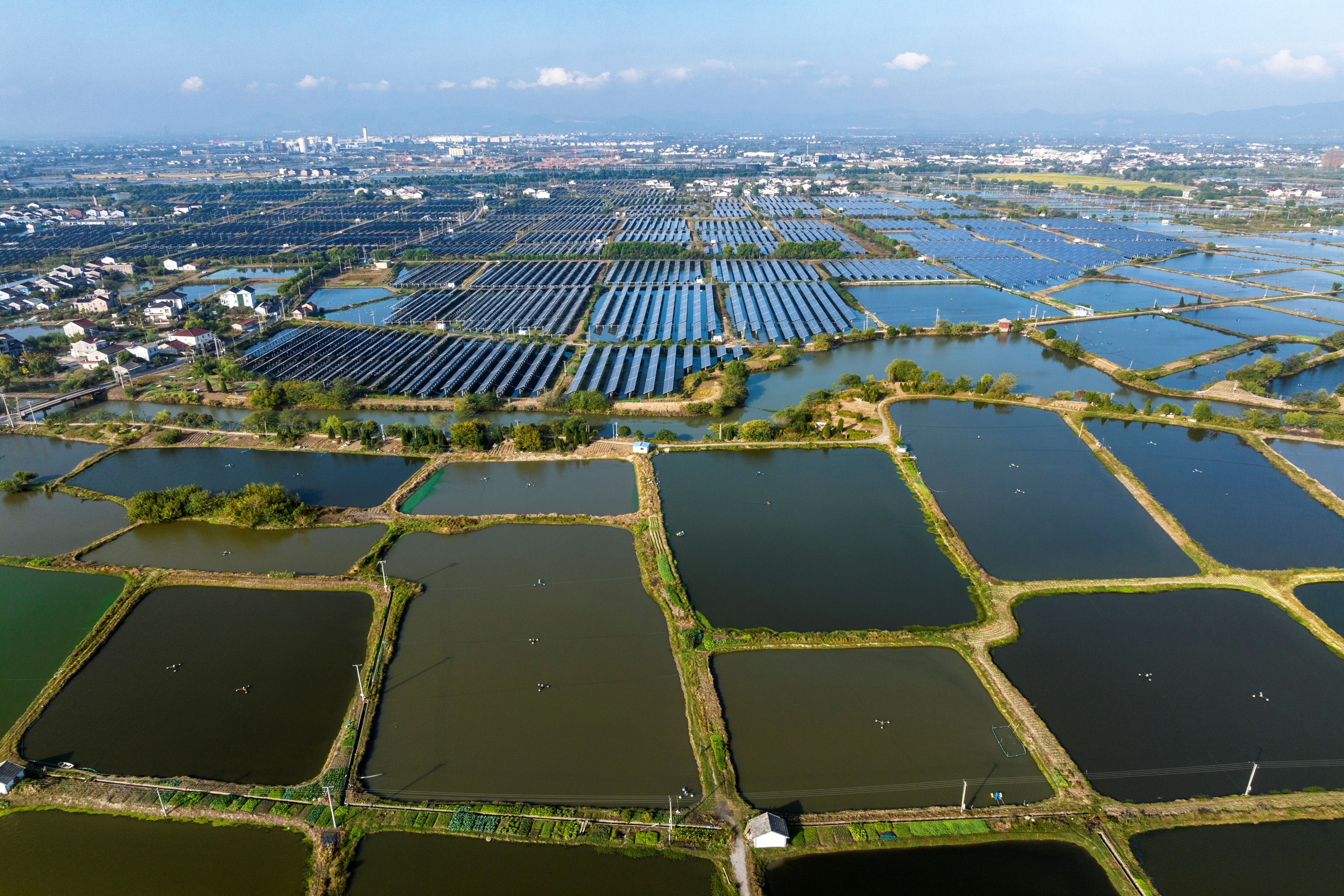
India’s evolving energy mix pragmatically balances fossil fuels and renewables to drive economic growth while expanding reliable and affordable energy access.
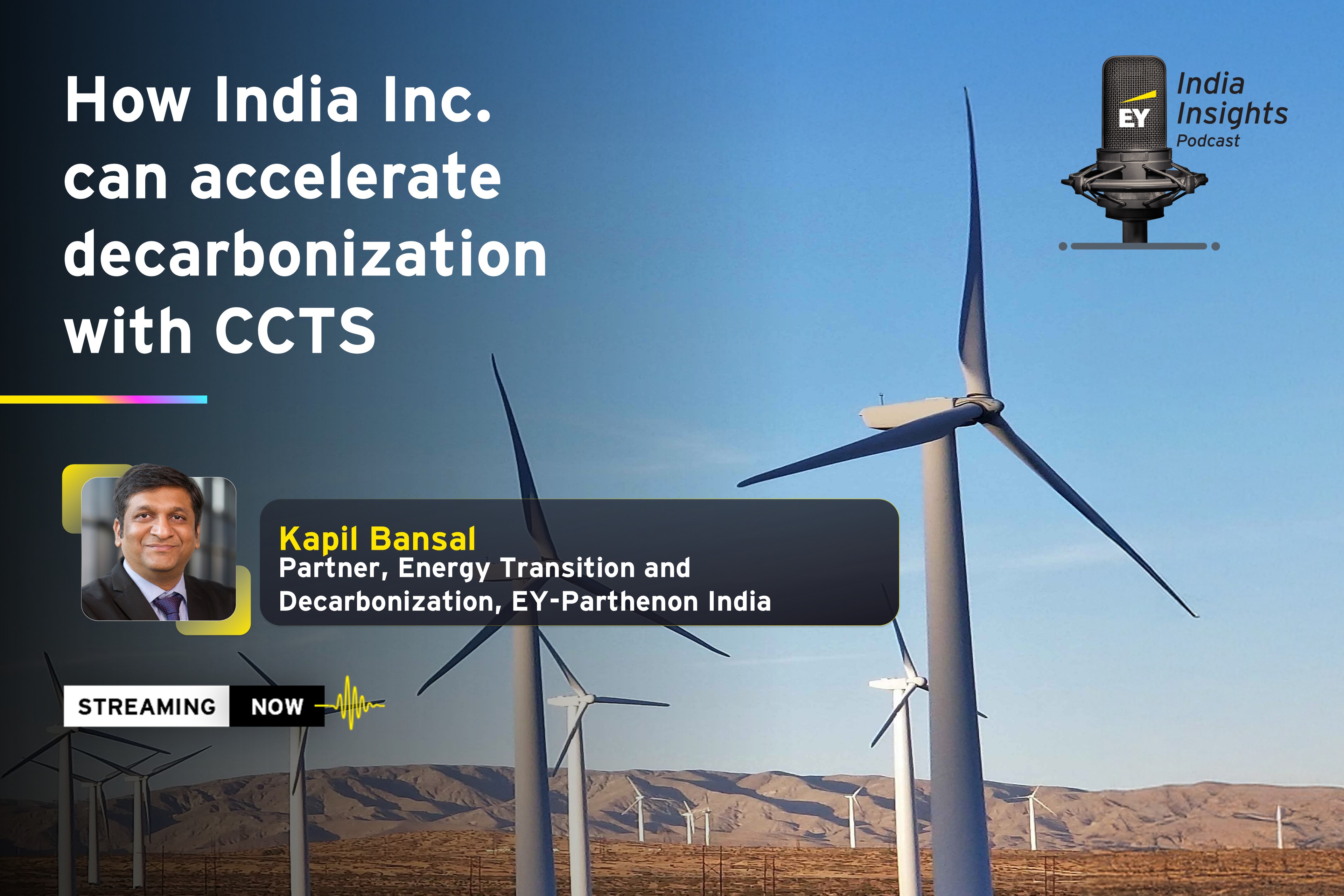
How India Inc. can accelerate decarbonization with CCTS
The Carbon Credit Trading Scheme can enable companies to monetize carbon performance and enhance ESG credibility.

Why sustainable pharma packaging is a strategic advantage
Listen to the latest podcast on how sustainable pharmaceutical packaging is becoming a strategic lever for regulatory compliance, supply chain resilience and decarbonization.

Envisioning the future of India’s chemicals and petrochemicals industry
The chemicals and petrochemicals sector is facing major shifts in 2026, as technology, sustainability and global realignment position India as a key growth hub.

Expectations from Union Budget 2026: Climate-resilient agriculture
The Union Budget 2026 is expected to boost climate-smart agriculture, improve small farmers’ incomes, expand credit access and promote sustainable farming.

How CCTS is accelerating India Inc.’s race to decarbonize
India’s Carbon Credit Trading Scheme drives industrial decarbonization, tightening benchmarks and raising risks for companies delaying low-carbon transition.