Case Study

How Boehringer Ingelheim built a connected workforce using ServiceNow

EY teams deployed the Connected Manufacturing Platform to deliver real‑time visibility and drive shop-floor excellence.

1

The better the question

How can real-time visibility drive performance at scale?

Manual processes and fragmented data pushed Boehringer Ingelheim to rethink their manufacturing efficiency.

Boehringer Ingelheim is one of the world’s leading research-driven pharmaceutical companies, with a strong global footprint across human pharmaceuticals, biopharmaceuticals and animal health. At the heart of this network lies a commitment to quality, reliability and regulatory excellence — nonnegotiables in an industry where precision and compliance are paramount.

Growing demand for established therapies and specialty medicines is pushing pharma companies to keep their operations flexible, efficient and resilient. At the same time, sustainability priorities are changing how value is defined, shifting attention from output alone to broader environmental and social impact. Amid these shifts, the company also set its sights on modernizing shop floor operations using digital tools to enhance flexibility and efficiency as it expanded into emerging specialty care markets.

At Boehringer Ingelheim, the day‑to‑day shop floor activities were heavily reliant on manual and paper‑based processes, limiting transparency into real-time performance. Data was often fragmented, making it difficult to identify loss drivers quickly or to scale improvements consistently across sites. Operators spent significant time on administrative tasks, while managers lacked a single, integrated view of operations to support timely decision-making.

Over time, these limitations created broader risks. Without better visibility and stronger engagement on the shop floor, operational performance could not keep pace with business ambitions.


In response, the company set out to change its approach. The journey was fraught with challenges, and the need for a comprehensive manufacturing overhaul became apparent, driven by stringent market demands and a commitment to innovation. With the guidance of EY teams, they shifted their focus toward improving Overall Equipment Effectiveness (OEE) and increasing supply network flexibility while reducing emissions and avoiding the high costs of building new plants. The aim was not only to address current challenges but also to create a model that could bring together operational experience and a digital foundation, supporting change at scale.

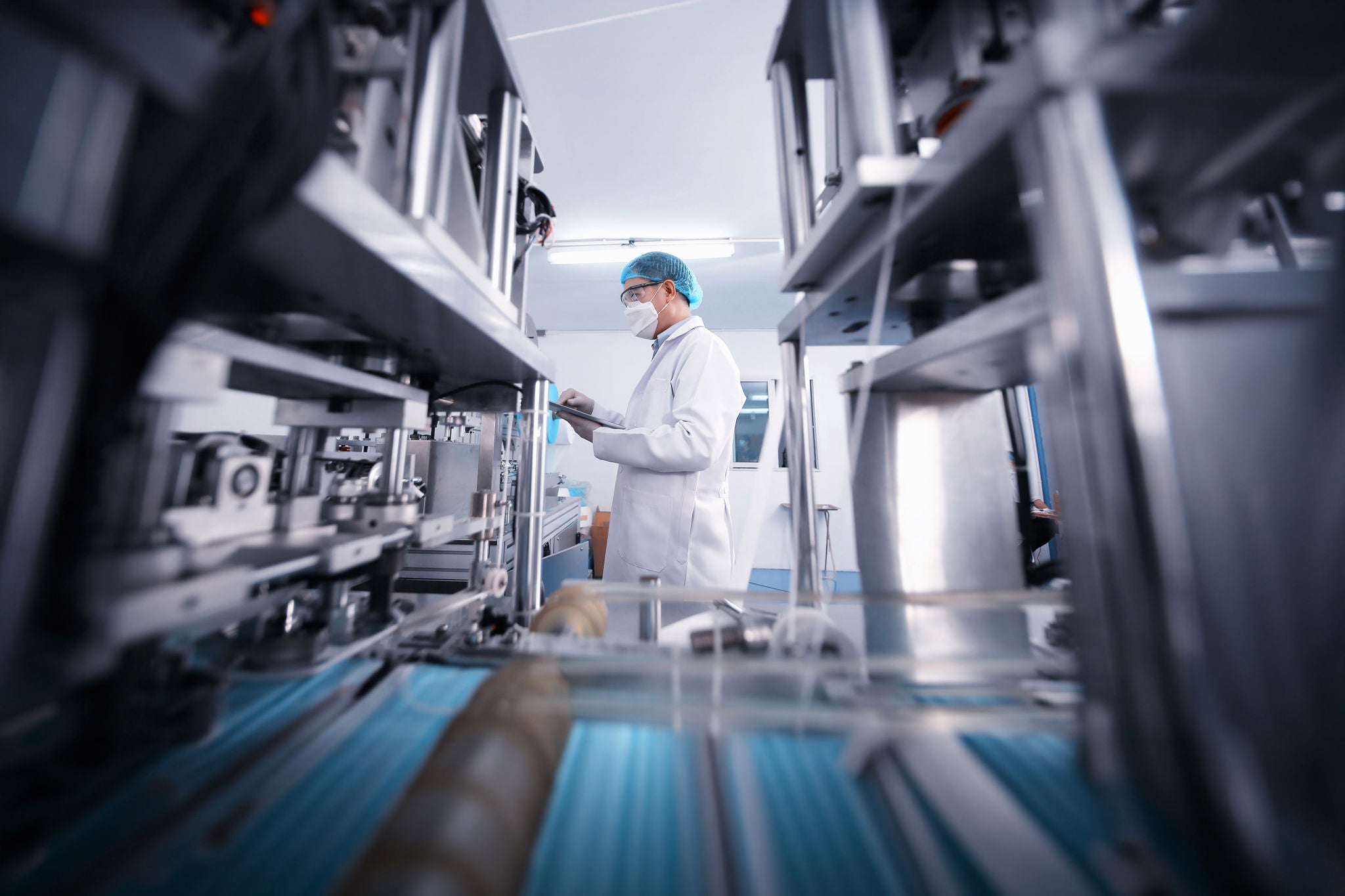
Quality control worker analyzing manufacturing machine
2

The better the answer

Embedding manufacturing excellence into daily work

A ServiceNow-based solution helped translate manufacturing excellence into real-time execution.

The EY team’s approach began with a clear principle: Manufacturing excellence cannot be sustained through technology alone. It must be embedded into how work is done every day, by the people closest to the process. Working closely with Boehringer Ingelheim, the account team decided to implement the EY Connected Manufacturing Platform, a purpose-built application on the ServiceNow platform, for modernizing the manufacturing workforce.

The solution was designed to digitize operators’ daily activities and continuous improvement routines, creating a single system where issues, losses, standards and actions could be captured and managed in real time. By connecting workers directly to data and workflows, the platform reduced non-value-added work and made performance transparent at every level. Rather than digitizing isolated tasks, the team focused on translating proven manufacturing methodologies into a connected, intuitive digital experience. This endeavor sought to enhance production flexibility and efficiency, paving the way for entry into lucrative specialty care markets.

The EY team and ServiceNow professionals worked hand in hand, helping ensure that the digital solution reflected leading-practice operational standards rather than abstract system requirements. The focus was not on reporting for reporting’s sake but on helping drive faster problem-solving, clearer accountability and more consistent execution.

The solution helped them unlock value by:

  • Scaling a trusted platform: The industrialized platform is now adaptable to vast amounts of data while providing leading-class security.
  • Supporting their workforce: Digitization streamlines workflows, so employees can focus on higher-value tasks.
  • Increasing productivity and efficiency: The transformation has facilitated better communication and collaboration among teams through integrated systems and shared dashboards. 

A pilot deployment was launched to test both the methodology and the technology in a live manufacturing environment. The collaboration between the EY team and ServiceNow emphasized a human-centric approach, helping ensure that all team members contributed to transformative strategies and fostering inclusivity in problem-solving. Through strategic alliances and a commitment to excellence, the EY team not only provided the right solution but also reinforced its role as a trusted collaborator in Boehringer Ingelheim’s journey toward innovation and long-term success.

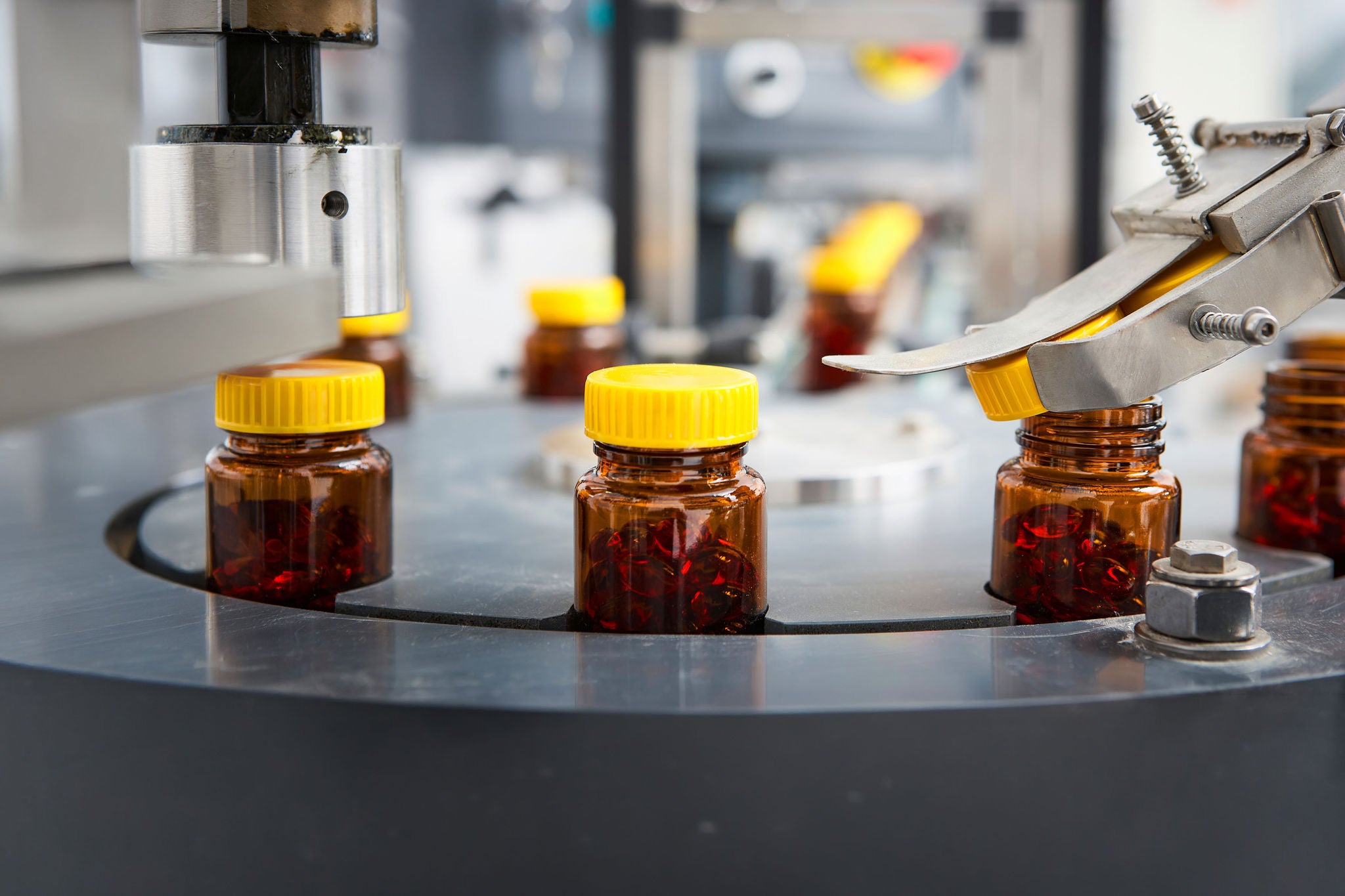
Pharmaceutical manufacturing and packaging
3

The better the world works

From measurable gains to scalable manufacturing excellence

Digitized shop floor work delivered OEE gains, sustainability benefits and a scalable model for consistent performance across sites.

The impact of the transformation was both measurable and far reaching. By digitizing shop floor work and making losses visible in real time, Boehringer Ingelheim achieved OEE improvements of 20%–30%, driven by faster issue resolution and more consistent execution. Automation reduced manual effort and errors, allowing operators to focus on higher‑value activities and problem-solving rather than administration.

Importantly, these gains translated directly into sustainability outcomes. Improved productivity allowed the organization to meet growing demand without constructing new facilities, avoiding significant capital expenditure and associated Scope 1 and 2 emissions.

Beyond the numbers, the cultural shift was equally significant. The shop floor adoption was strong, with operators actively engaging in continuous improvement and taking greater ownership of performance. Managers benefited from a shared, real‑time view of operations, powering more informed decisions and fostering alignment across sites.

According to Marinie Voutsina, Operational Excellence Lead at Boehringer Ingelheim, “EY has played a pivotal role in helping Boehringer Ingelheim achieve Operational Excellence Prime, revolutionizing our approach and steering us toward the future. Their insights and guidance have been crucial in making our operations not only more efficient but also sustainability driven.”

The scalability of the solution is a key part of its wider impact. Built on ServiceNow and underpinned by a standardized manufacturing excellence framework, the Connected Manufacturing Platform can be replicated across sites and countries. What began as a pilot evolved into a rollout model capable of supporting global deployment with consistent outcomes.

The case study also reflects a wider inflection point for manufacturing. Across the industry, organizations are moving beyond isolated technology pilots toward connected operating models that combine real-time data, analytics, AI and automated decision-making with the experience of the workforce. Boehringer Ingelheim’s transformation shows what that shift can look like in practice: a digital platform embedded in daily work, giving operators clearer information, supporting faster decisions and translating continuous improvement into consistent execution. As manufacturers seek to scale Industry 4.0, the lesson is clear: Value comes not from technology alone, but from pairing it with digitally enabled ways of working and stronger human-machine collaboration.

That wider industry lesson is reflected in the foundation Boehringer Ingelheim has now built for long-term resilience, where growth, efficiency and sustainability reinforce rather than compete with one another. Its experience demonstrates how manufacturers can move beyond incremental improvements toward a connected, people-centric model of operational excellence — one that removes obstacles, strengthens performance and creates the capacity to scale.


Contact us

Like what you’ve seen? Get in touch to connect with our specialized teams and learn more.

Explore case studies

Learn how EY teams help our clients solve their toughest issues and shape their future with confidence.